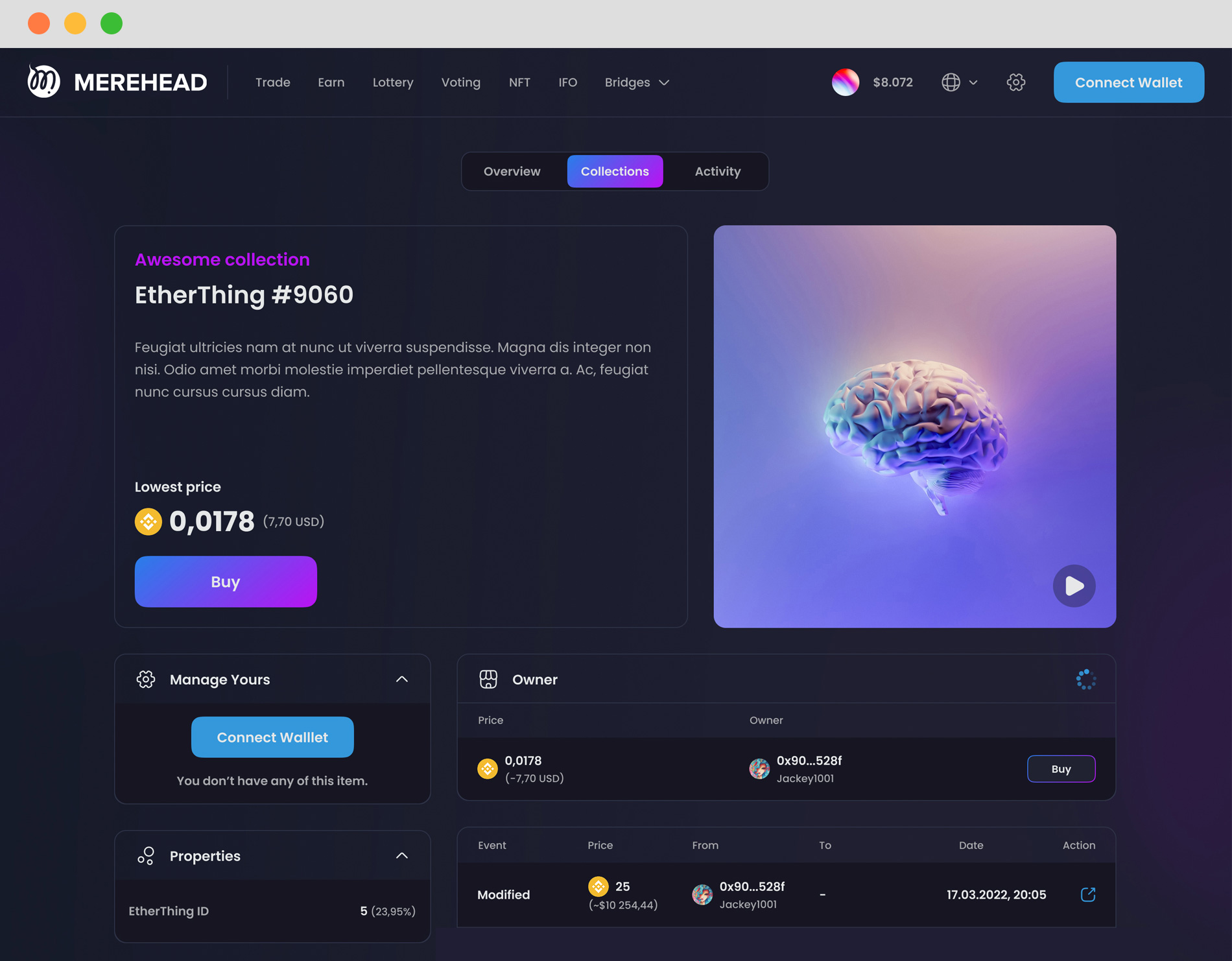
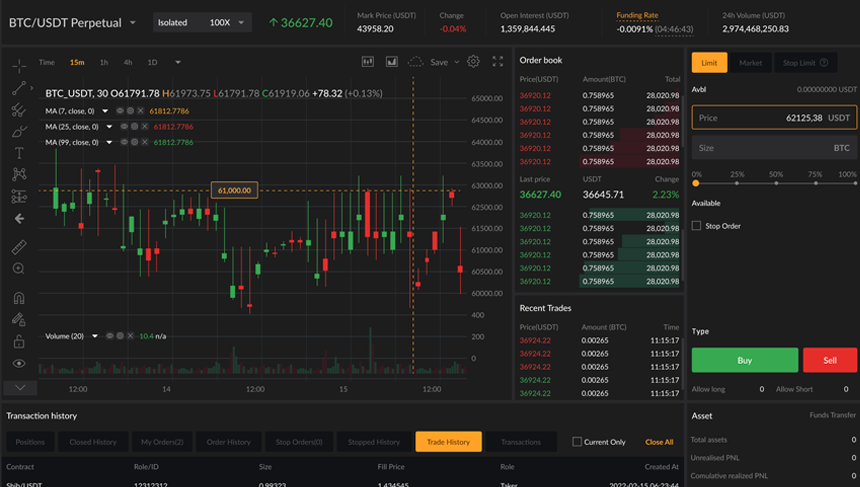
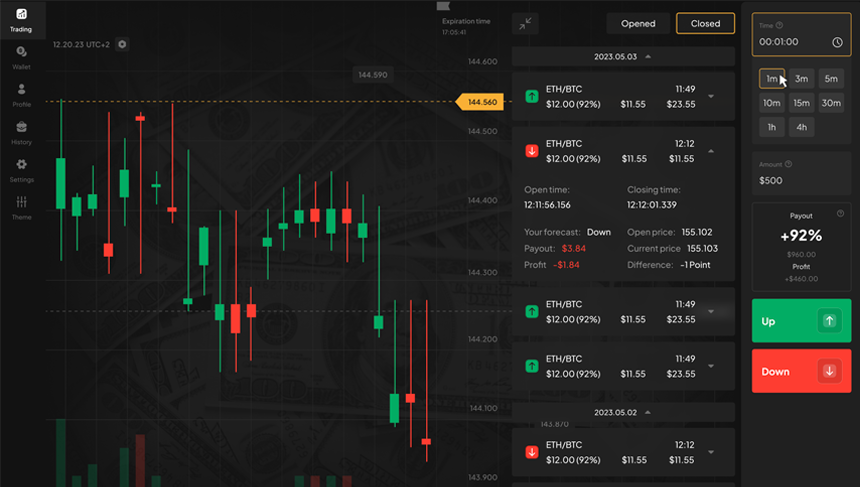
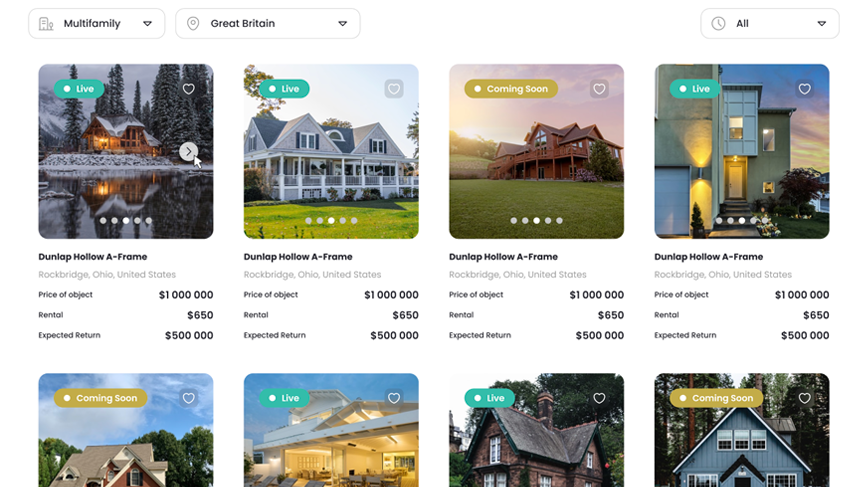
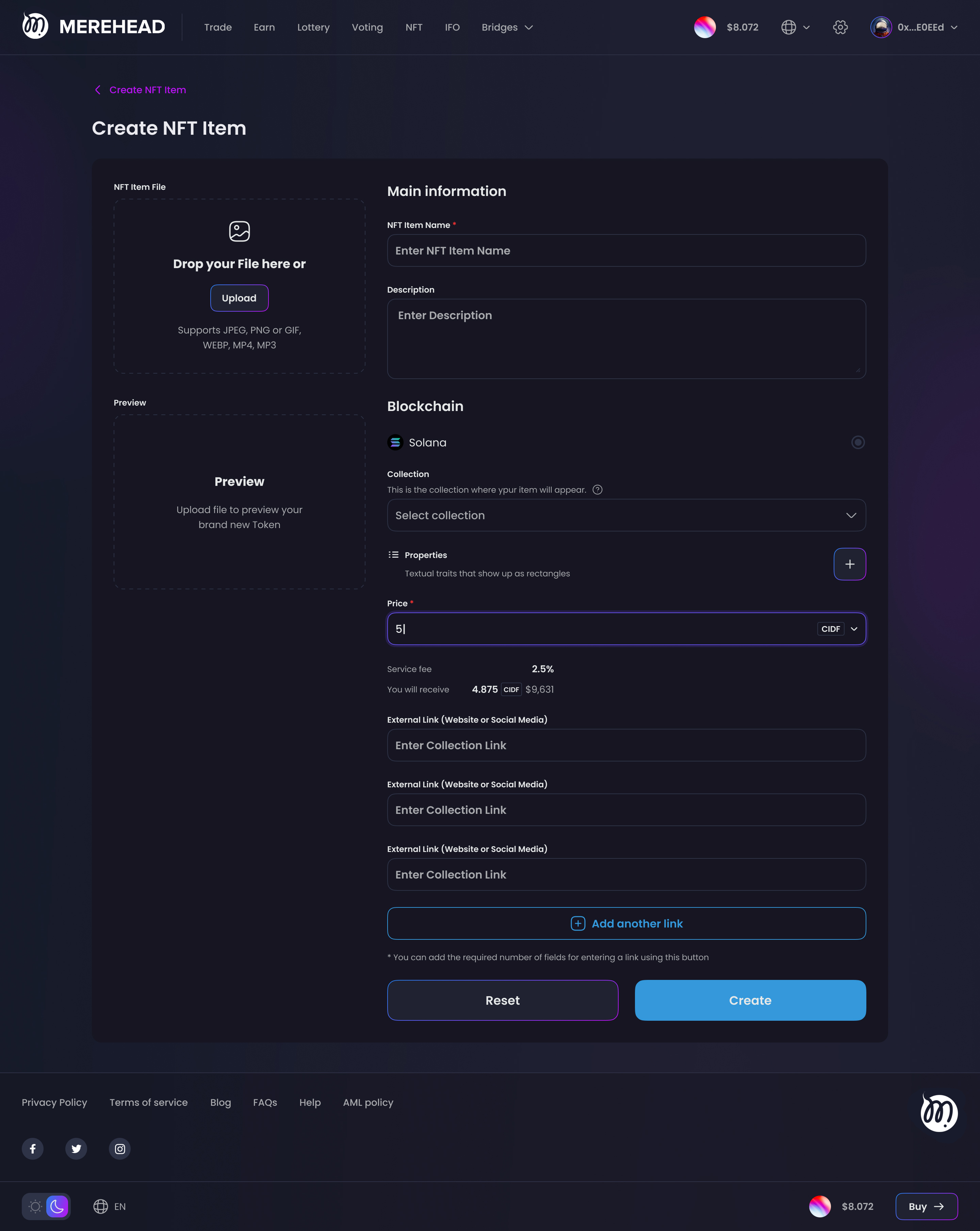
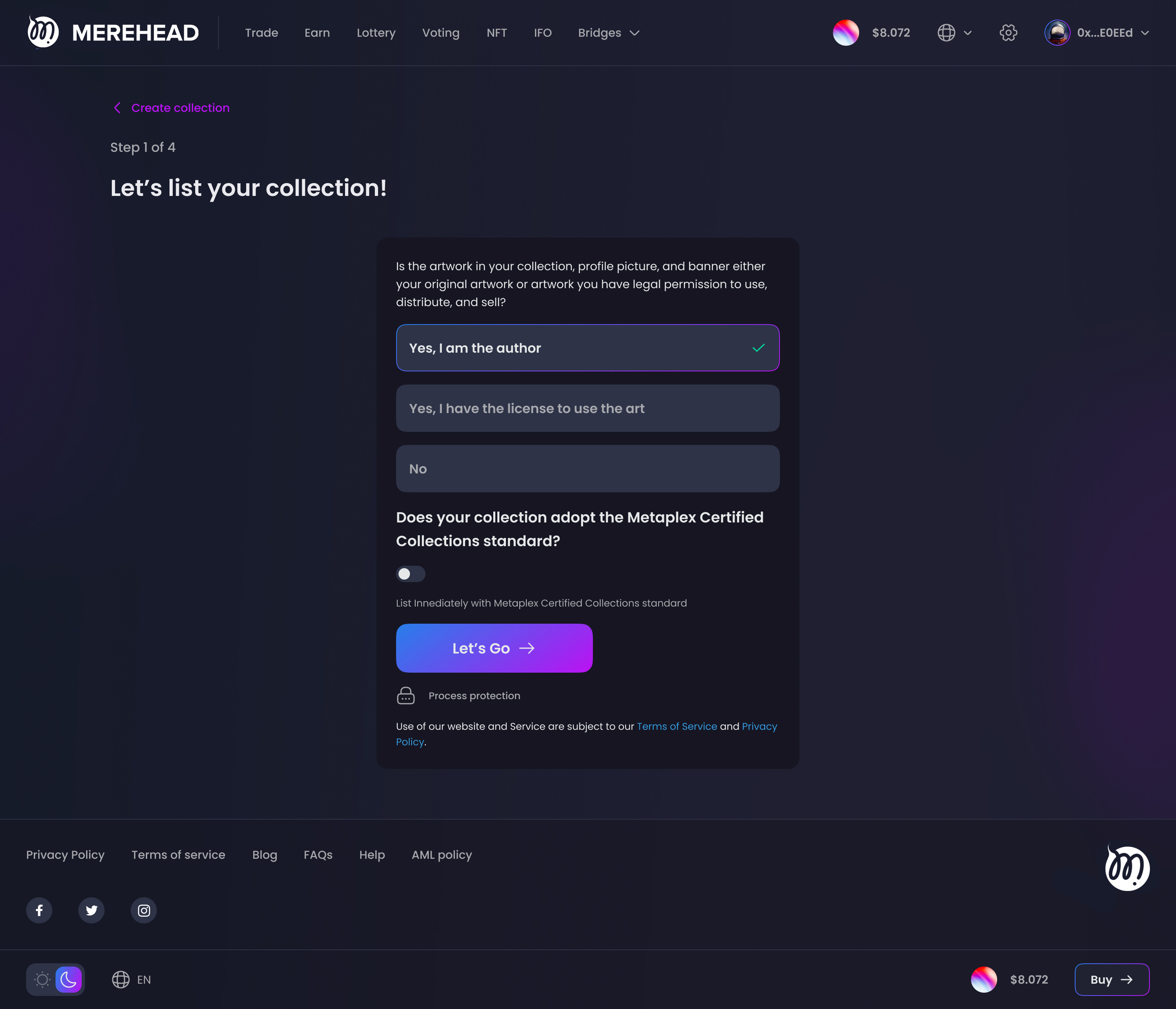
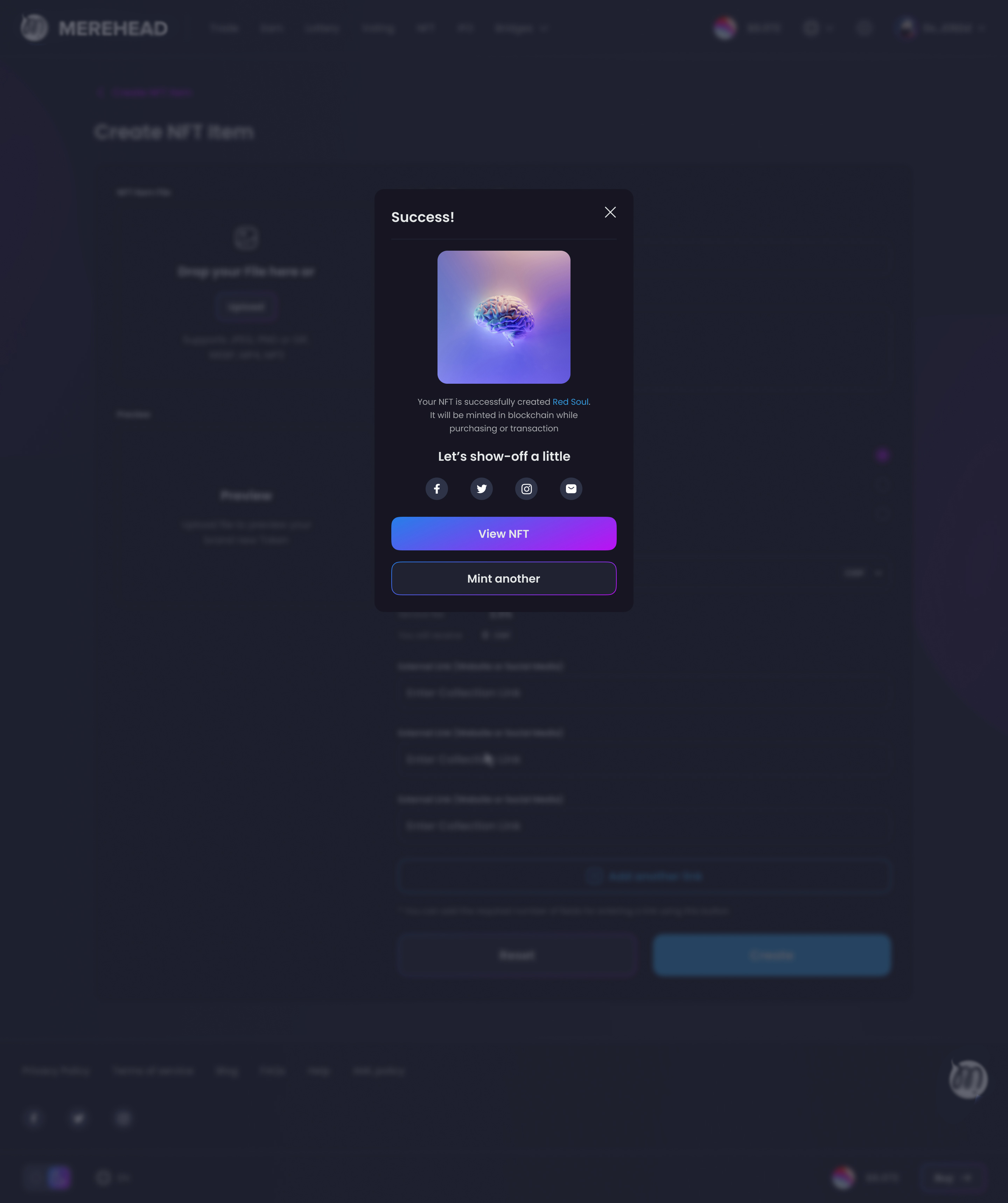
A Web3 marketplace is a decentralized trading platform that lets users buy, sell, or exchange digital and tokenized assets directly, with a blockchain — not a central company — verifying ownership and settling transactions. The category covers more than NFT platforms: it includes DeFi trading venues, tokenized real-world asset (RWA) marketplaces, and B2B platforms that use blockchain for escrow and settlement.
Building one production-ready involves the following stages:
- Define the marketplace type and target chain — NFT, DeFi, RWA, or B2B, each with different technical requirements.
- Design the on-chain/off-chain split — decide what logic lives in smart contracts versus your backend.
- Build the smart contract layer — minting, trading, royalties, and escrow logic, followed by a third-party audit.
- Integrate wallets and payment rails — non-custodial wallet connections plus fiat or stablecoin on-ramps.
- Load-test and harden for production — real-time data delivery, database isolation, and compliance workflows.
- Launch an MVP — typically 3–4 months for a focused version, longer for a fully custom build.
The rest of this guide walks through each stage, with the architecture decisions and cost ranges a CTO or product owner needs before scoping a build.
What Counts as a Web3 Marketplace
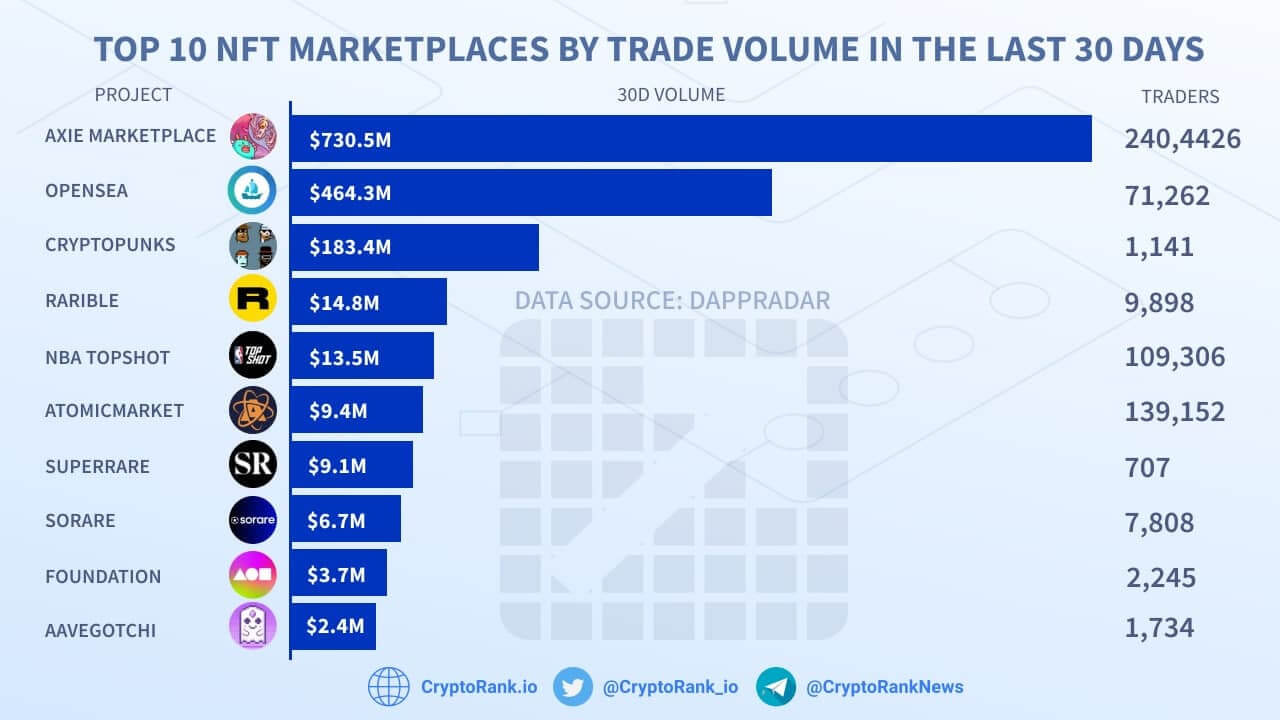
The term covers four distinct product categories, and confusing them at the planning stage is the fastest way to blow a budget. An
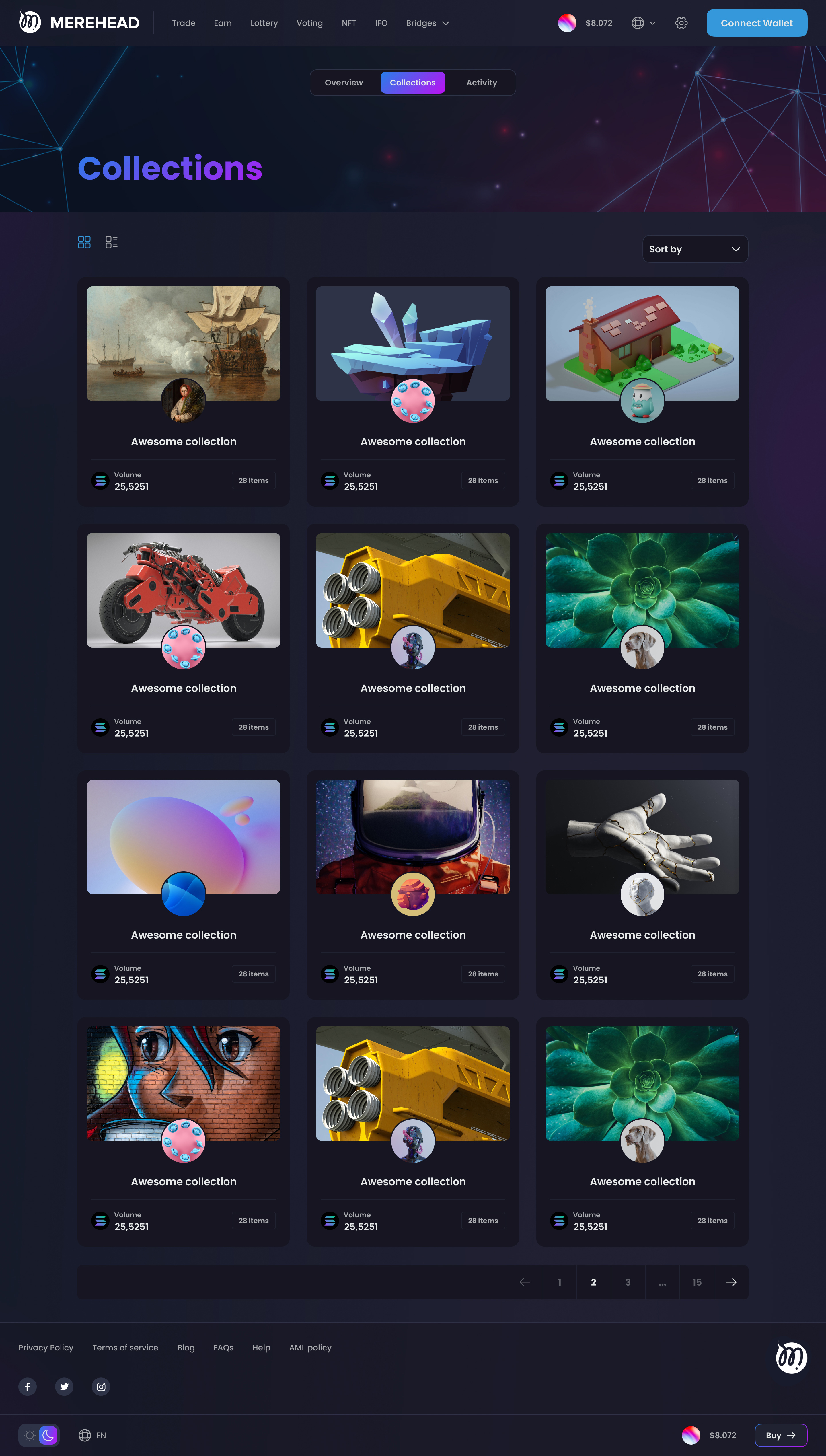
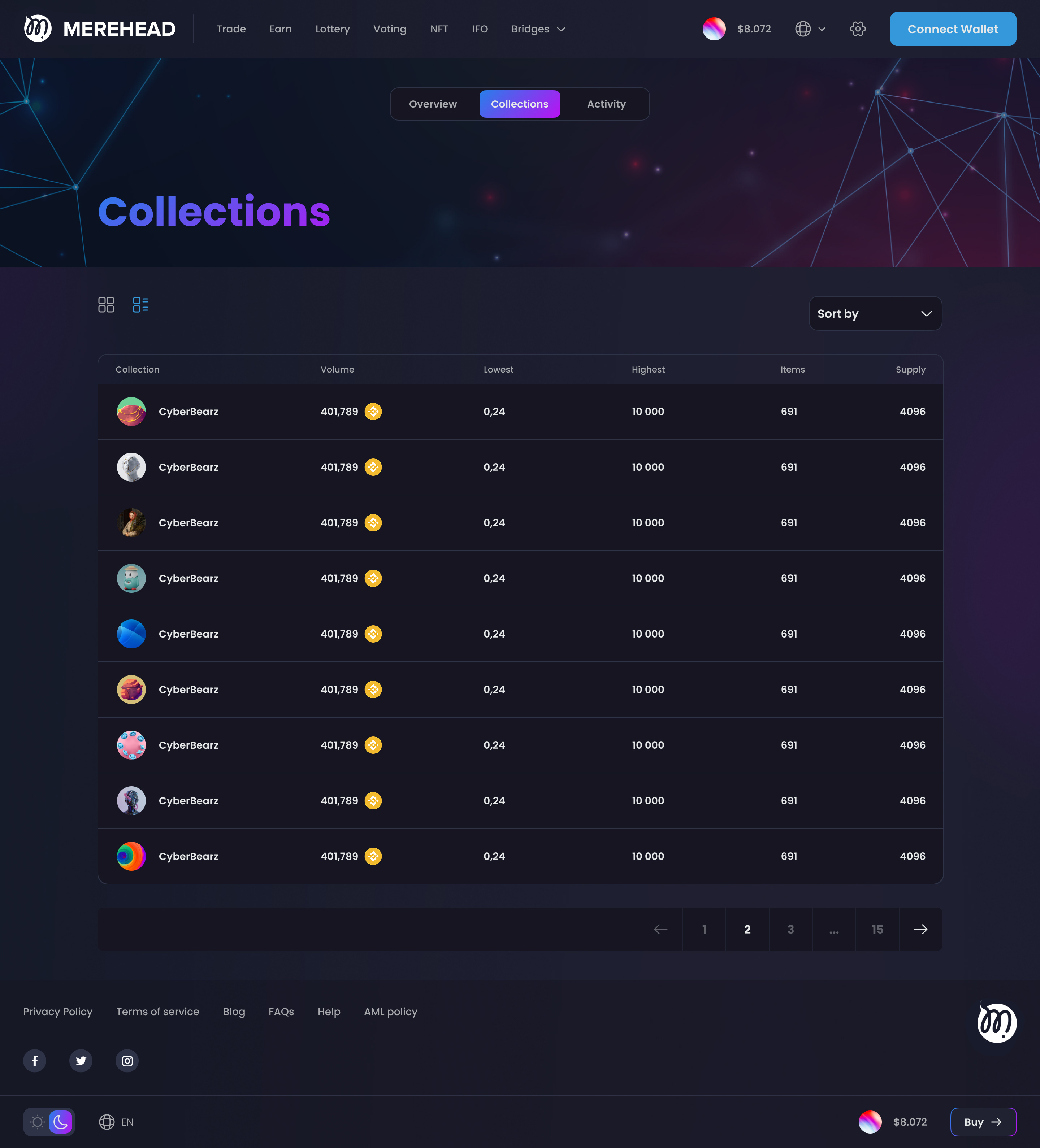
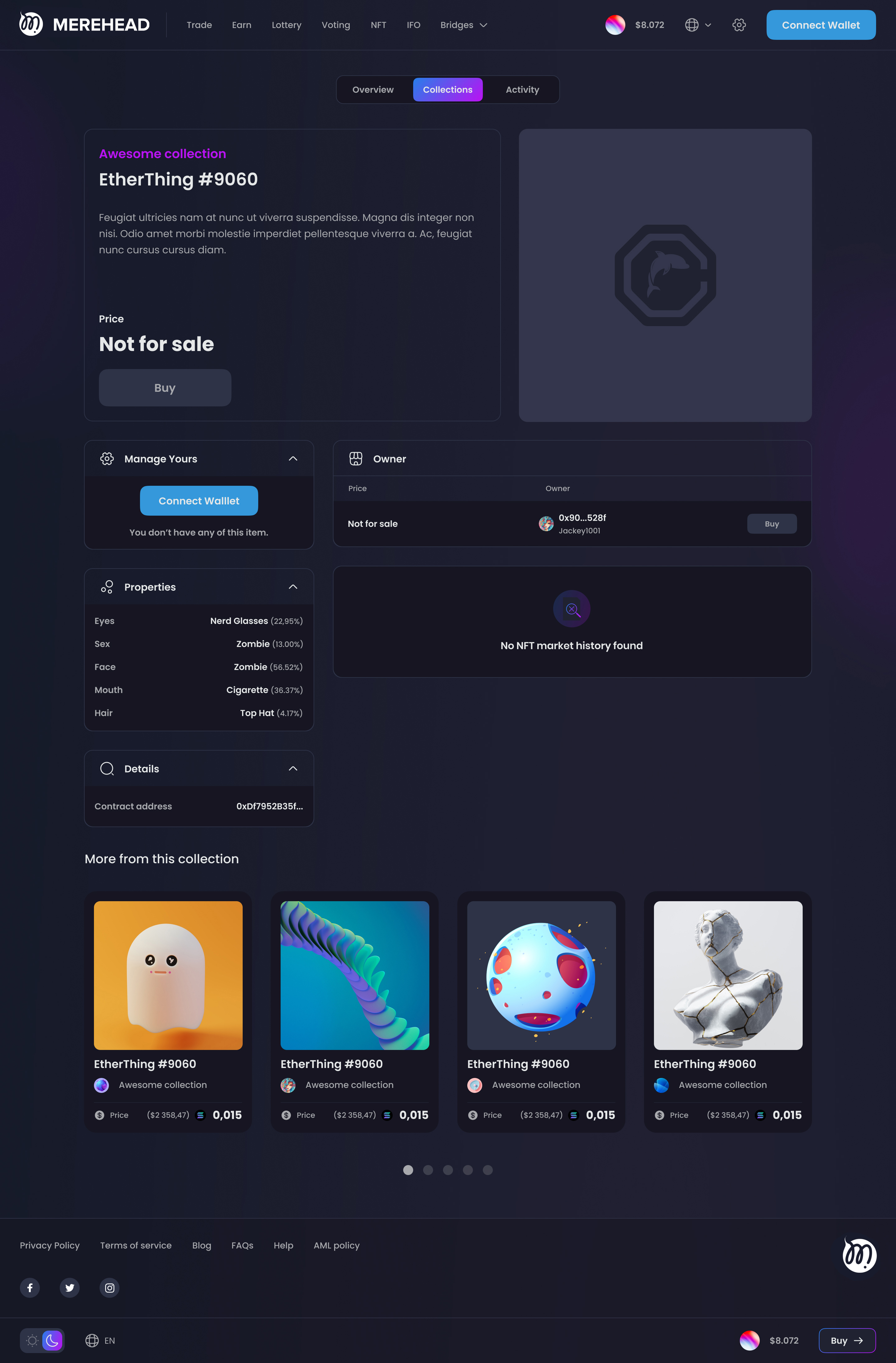
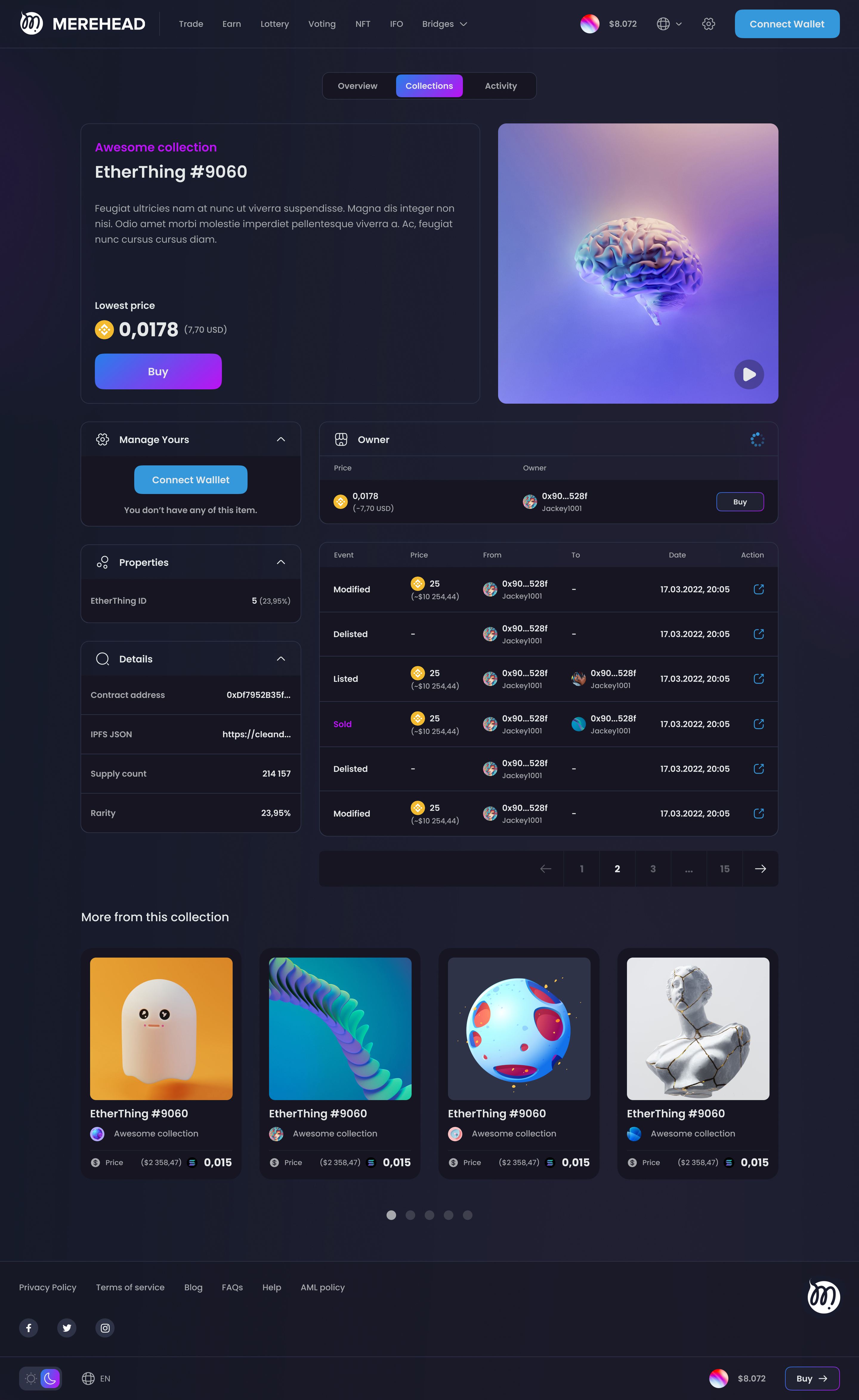
NFT marketplace handles unique digital assets — art, collectibles, gaming items. A
DeFi marketplace facilitates peer-to-peer trading of fungible tokens through liquidity pools or order books, without a custodial intermediary.
A tokenized RWA marketplace lets users buy fractional shares of real estate, commodities, or revenue streams, which brings securities-law and KYC requirements most NFT platforms never touch. A B2B blockchain marketplace uses smart contracts for escrow and settlement between businesses, often layered on top of a conventional e-commerce stack.
Each type shares the same core building blocks — wallet auth, listings, smart contracts, payment rails — but the compliance load, the transaction volume, and the smart contract complexity shift dramatically between them. Deciding which one you're actually building comes before any line of code.
Picking the Right Blockchain for Your Marketplace
Ethereum still has the deepest tooling ecosystem and the largest pool of experienced auditors, but its gas fees make it a hard sell for high-frequency listing or bidding activity.
Polygon cuts transaction costs by orders of magnitude while staying EVM-compatible, which keeps your smart contract code portable.
Solana handles far higher throughput and suits marketplaces with frequent micro-transactions, at the cost of a smaller, less battle-tested developer ecosystem. BNB Chain offers a middle ground on fees, but our team has hit fee-calculation issues there that Ethereum-first teams rarely anticipate — more on that below.
| Blockchain |
Typical Gas Cost |
Throughput |
Best Fit |
| Ethereum |
High |
~15 TPS |
High-value NFTs, maximum tooling maturity |
| Polygon |
Low |
~65 TPS |
High-volume NFT or RWA marketplaces |
| Solana |
Very low |
1,000+ TPS |
Micro-transactions, gaming assets |
| BNB Chain |
Low–medium |
~100 TPS |
Cost-sensitive builds, requires careful gas logic |
Many marketplaces don't pick one chain and stop there. Our engineers have shipped and maintained infrastructure spanning more than 15 blockchains inside a single platform — from Bitcoin and Ethereum to Polygon, Solana, TON, and Arbitrum — which is the pattern to plan for if you expect to onboard users who already hold assets on different networks.
On-Chain vs. Off-Chain: The Decision That Sets Your Budget
The single architectural choice that most affects your cost and performance is how much logic you push on-chain versus how much you keep in your backend. Ownership transfers, royalty payments, and escrow release generally belong on-chain, since users need to verify them independently. Search, filtering, notifications, and analytics belong off-chain, where compute is cheap and iteration is fast.
Get this split wrong and you pay twice: once in unnecessary gas costs for logic that didn't need to be trustless, and again in development time re-architecting a marketplace that's too rigid to add features. Teams that decompose this early — deciding per-feature what's on-chain and what isn't, before writing a single contract — consistently ship faster and cheaper than teams that default everything to "put it on the blockchain".
Smart Contracts, Minting Logic, and What Testnet Won't Tell You
Your smart contracts control minting, trading, royalty distribution, and ownership verification — most teams building an NFT-type marketplace will work with ERC-721 for unique assets or ERC-1155 for semi-fungible collections. Beyond the standard you pick, three decisions matter for cost and risk: whether contracts are upgradable, whether you commission a third-party audit (CertiK and OpenZeppelin are the most recognized names) before mainnet deployment, and how you calculate gas fees under real network conditions.
If you want the fundamentals of contract types and deployment logic first, our guide to developing a smart contract covers that ground in more depth.
That third point deserves its own callout, because it's a mistake we've watched happen firsthand.
Challenge: A trading platform's transactions processed cleanly on testnet but started failing on BNB Chain mainnet. The root cause traced back to a gas fee calculation that didn't reflect real mainnet conditions.
Solution: Our engineers replaced the dynamic estimate with a fixed, deliberately generous gas price model tuned to mainnet behavior rather than testnet assumptions.
Result: Deposits and withdrawals stopped failing, and the platform stopped losing transactions to underpriced gas during peak network congestion.
Testnet never reflects real mainnet gas economics. Budget for that gap upfront — it's cheaper to overpay gas slightly than to lose a transaction and a user's trust in the same afternoon.
Wallets, Custody, and Payment Integration
Assuming every user pays in crypto is a common early mistake — plenty will prefer a card or a stablecoin, so a hybrid payment gateway matters as much as wallet support. On the wallet side, you're choosing between a custodial model, where your platform controls private keys and carries more liability but removes friction for non-crypto-native users, and a non-custodial model built around MetaMask, Phantom, or WalletConnect, where users keep control and you keep less regulatory exposure.
Most marketplaces targeting a mainstream US audience land on a hybrid: non-custodial by default, with a custodial or card-based on-ramp for first-time buyers. If custody architecture is where you're stuck, our breakdown on crypto wallet development walks through both models in more detail.
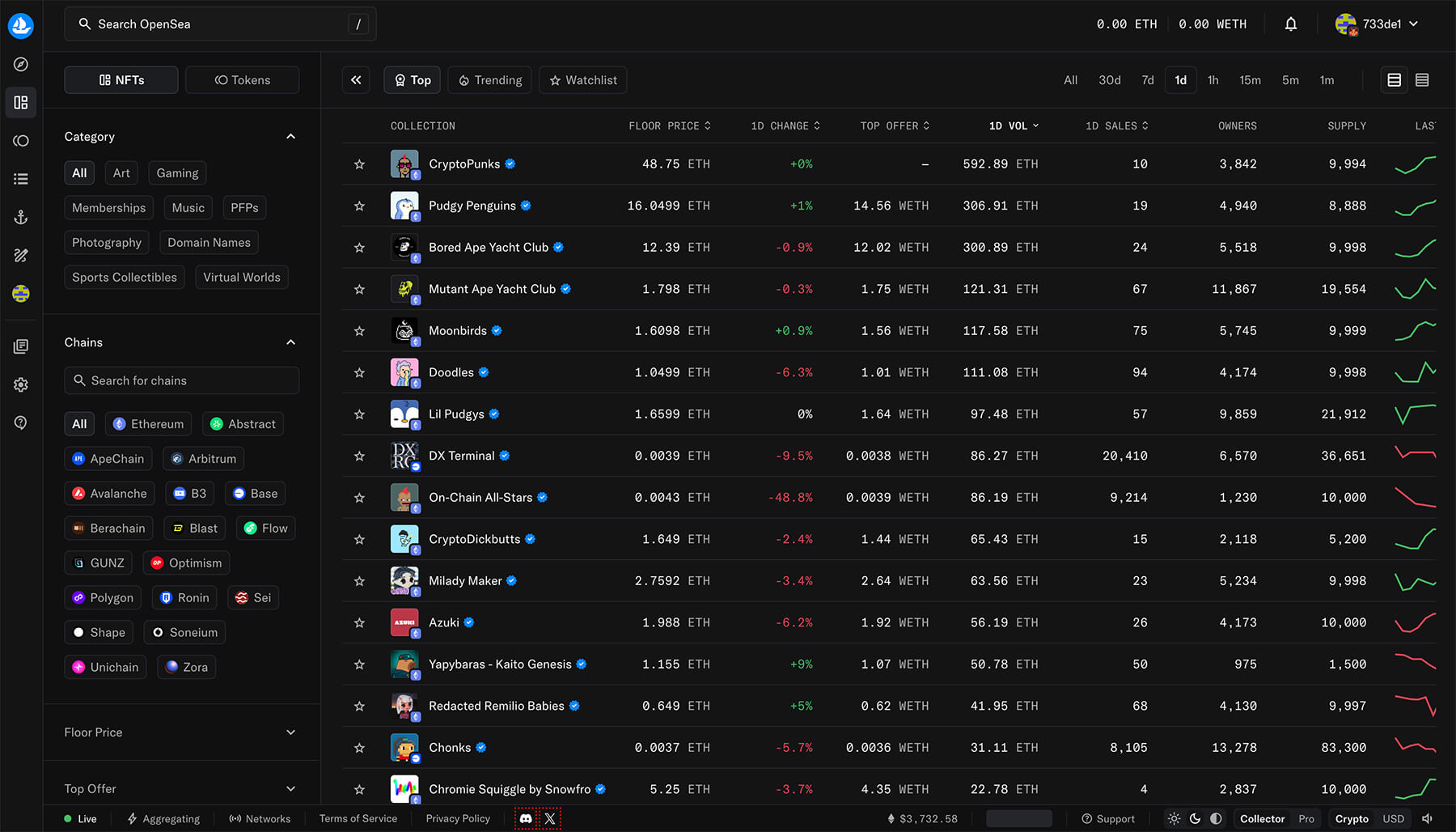
Real-Time Features: Why Your Bidding Feed or Order Book Breaks in Production
Live auction bids, price charts, and activity feeds all depend on WebSocket connections delivering data continuously. This is where marketplaces quietly fail after launch — the connection establishes fine, but data stops reaching the client, and without proper observability nobody can tell whether the break happened at the socket, the backend, or the frontend.
Challenge: Live price charts and the order book stopped updating in production on a trading platform. The WebSocket connection stayed open, but data wasn't reaching users, and there was no logging in place to isolate where the pipeline broke.
Solution: The team implemented centralized logging across the full data path — socket, backend, and frontend — turning a black box into something diagnosable.
Result: Engineers located the exact break point within hours instead of guessing across three layers of infrastructure, and real-time features became something the team could actually maintain.
Build this observability layer before launch, not after your first outage. It costs a fraction of what an unexplained real-time failure costs in user trust during a live auction.
Load Testing: The Crash That Has Nothing to Do With Orders
Marketplace teams typically load-test the transaction path — minting, bidding, checkout — and assume the rest of the platform will hold. It often won't.
Challenge: A trading platform crashed at roughly 72% of target load during testing, without a single order being placed. The failure came purely from user clicks browsing the interface.
Solution: Investigation traced the bottleneck to excessive frontend requests pulling unnecessary data on every page view, compounded by a database sharing resources with the main application server. The team isolated the database onto its own instance and cut the redundant API calls.
Result: The platform held up under full simulated load, removing a failure mode that would otherwise have surfaced during a real marketing push or NFT drop.
If your system falls over without a single transaction, the problem isn't your business logic — it's your architecture's access to shared resources. Database isolation and frontend request discipline are the baseline for any marketplace that expects a traffic spike, not an advanced optimization for later.
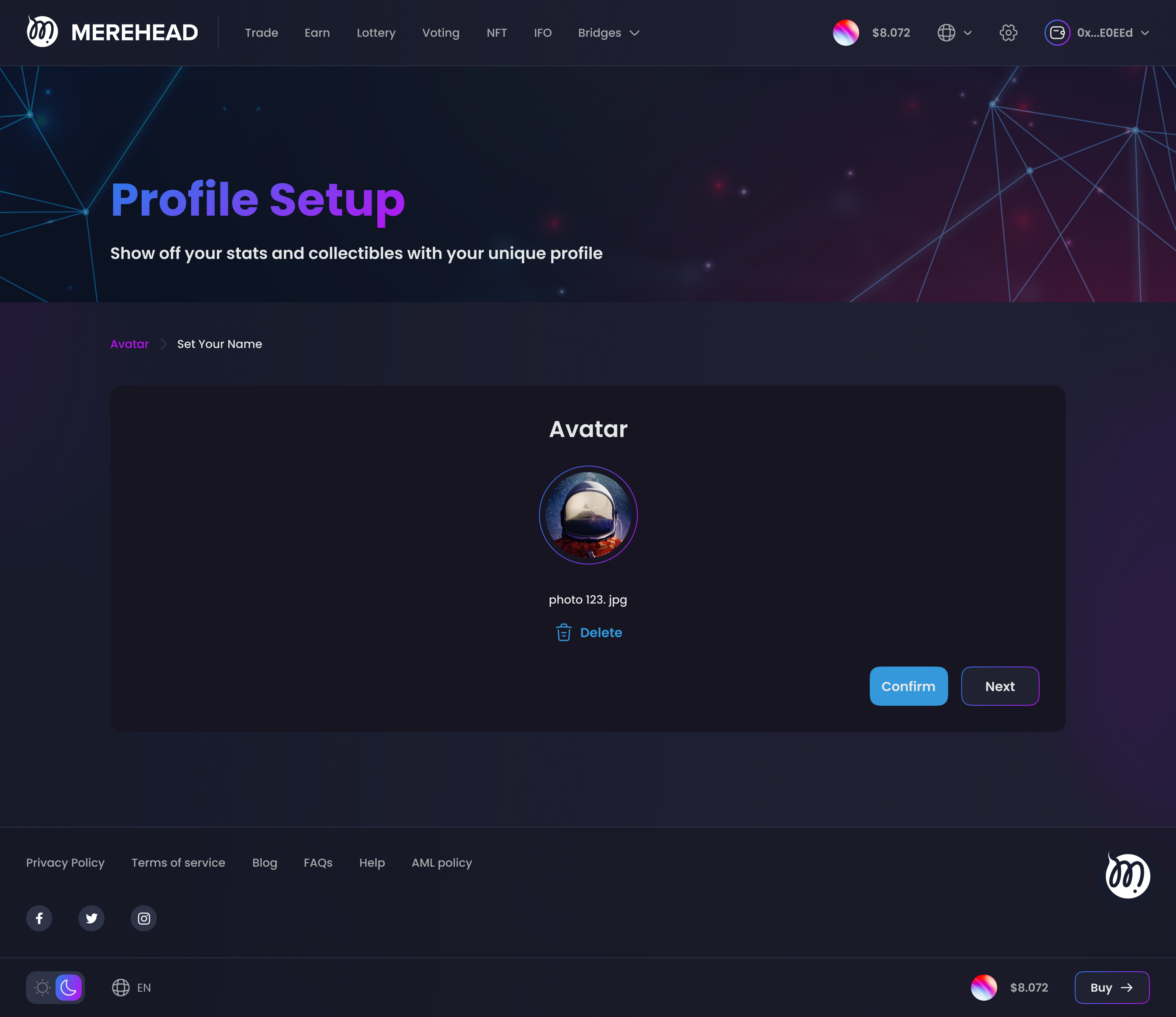
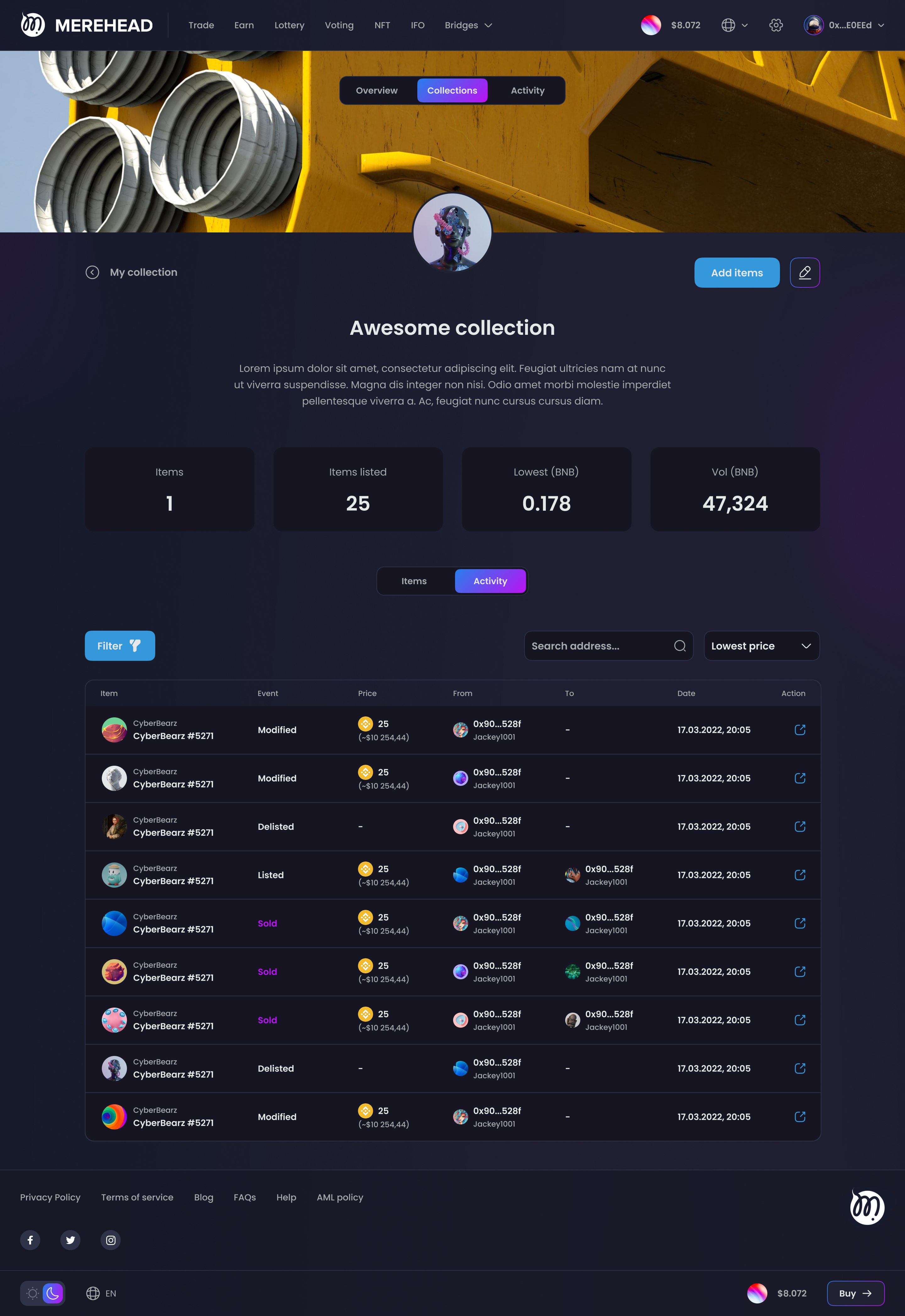
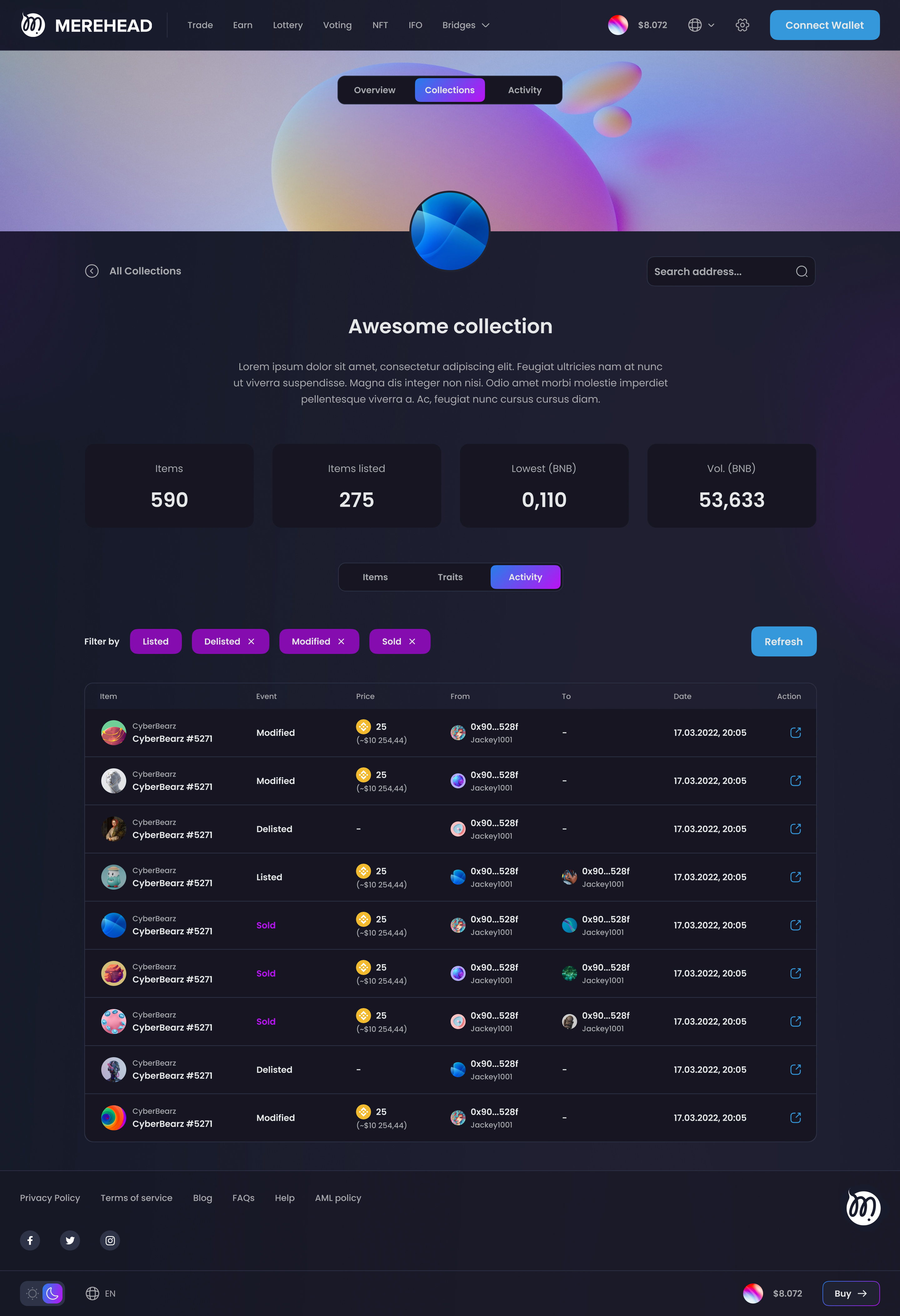
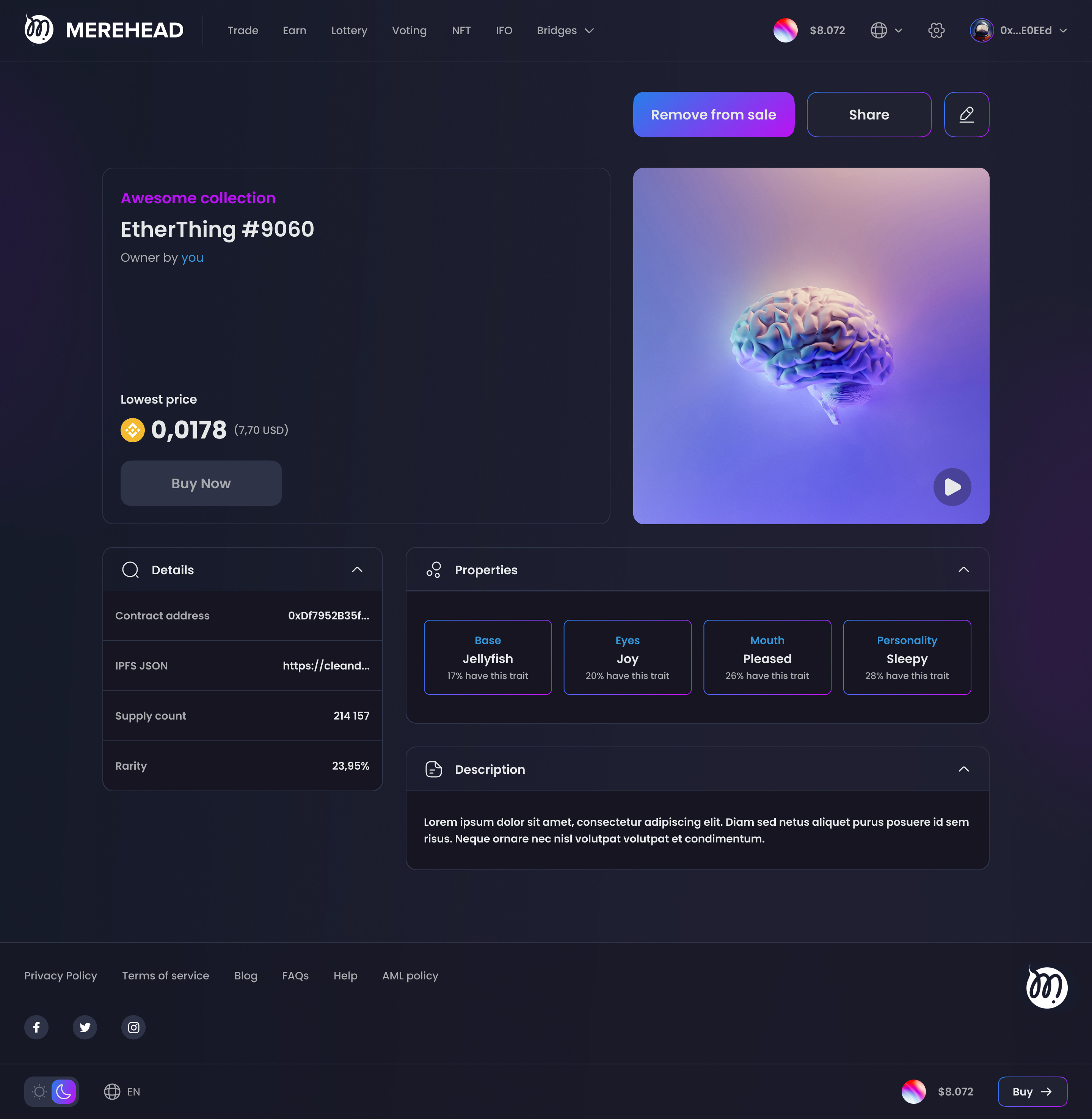
Merehead software
NFT marketplace
A ready-made solution with a wide range of functions. Software that can be installed in a couple of days. Launch your online trading platform!
Gallery
Start with us
Security, KYC/AML, and Compliance for Asset-Backed Marketplaces
Security requirements scale with what you're trading. A pure NFT marketplace needs contract audits, standard access controls, and clear data handling under GDPR or CCPA. A tokenized RWA marketplace — one selling fractional real estate or other asset-backed tokens — adds KYC and AML obligations that resemble a regulated exchange more than a typical NFT platform.
If you're building toward tokenized property or similar assets, our guide on NFT real estate marketplace development covers the additional legal and technical layers involved.
On the compliance engineering side, the strongest setups don't rely on a single verification provider — aggregating risk signals across several AML providers into one review interface gives compliance teams a fuller picture per transaction and removes a single point of failure. For the broader use cases where blockchain intersects identity verification, see how blockchain applies to KYC workflows beyond marketplaces specifically.
How Much Does Web3 Marketplace Development Cost in 2026?
Cost depends heavily on which marketplace type you're building, not just on feature count. A standard NFT marketplace — listings, minting, wallet auth, basic filtering — runs meaningfully cheaper than a marketplace handling escrow, fiat payment gateways, and AI-driven recommendations, since the latter carries more integration surface and compliance overhead.
| Marketplace Type |
Basic |
Standard |
Advanced |
Timeframe |
| NFT marketplace |
$49,000 |
$63,000 |
$78,000 |
2–3 months |
| Blockchain marketplace (escrow + fiat/crypto payments, AI recommendations) |
$98,000 |
$116,000 |
$130,000 |
2–4 months |
Microservices architecture typically adds 15–20% over a monolith at the same feature tier, and that premium buys you independent scaling for the components most likely to need it — the matching or bidding engine, the notification service, and the blockchain integration layer. For a closer look at how NFT-specific pricing breaks down by feature, our NFT marketplace development cost guide goes deeper into the line items.
Find out
how much it
costs to develop
your Web3 Marketplace
Share your requirements with our Solutions Architect — we'll send back a per-module hour breakdown within 48 hours, at no cost.
Request an estimate
MVP First: Timeline and the White-Label Shortcut
Building every feature before your first user sees the product is the most common way to burn budget on a marketplace that doesn't fit real demand. A focused MVP — wallet connection, listing, minting or trading, basic search — typically ships in 3–4 months against 8–12 for a full custom build, and gives you real usage data before you commit to advanced features like auctions, cross-chain bridging, or AI-driven recommendations.
If speed matters more than full customization at launch, a white-label foundation cuts that timeline further while still letting you customize branding, fee structure, and supported chains. Our guide to white-label NFT marketplace development breaks down what's configurable out of the box versus what still requires custom engineering.
Where Most Teams Get This Wrong
The recurring pattern across the failures above — gas miscalculation, silent WebSocket breaks, a crash with zero transactions — isn't bad luck. It's the gap between teams that have only built NFT platforms and teams that have also built exchanges, AML pipelines, and liquidity infrastructure under real trading load. That second category of experience is what surfaces these failure modes during testing instead of during your launch week.

Launch Web3 Marketplace
get a personal technical solution
Contact us
Frequently Asked Questions
How much does it cost to build a Web3 marketplace?
A standard NFT marketplace typically costs $49,000–$93,000 depending on the tier and architecture. A more complex blockchain marketplace with escrow, fiat payment gateways, and AI features runs $98,000–$130,000. Timeframes range from 2 to 4 months.
Which blockchain should I choose for a marketplace?
Ethereum offers the deepest tooling and auditor pool but the highest gas costs. Polygon keeps EVM compatibility at a fraction of the fee. Solana suits high-frequency, low-value transactions. The right choice depends on your expected transaction volume and asset type.
Do I need a smart contract audit before launch?
Yes. An unaudited contract handling user funds or asset ownership is the single highest-risk component of a marketplace. Firms like CertiK and OpenZeppelin specialize in this review before mainnet deployment.
What's different about a tokenized real-world asset marketplace?
RWA marketplaces carry securities-law and KYC/AML obligations that most NFT platforms don't, since they represent claims on off-chain assets like real estate. That adds compliance engineering on top of the standard marketplace stack.
Should I start with a custom build or white-label software?
White-label software gets you to market faster and costs less upfront, with less flexibility on unique features. Custom development takes longer and costs more but removes ceiling on what you can build later.