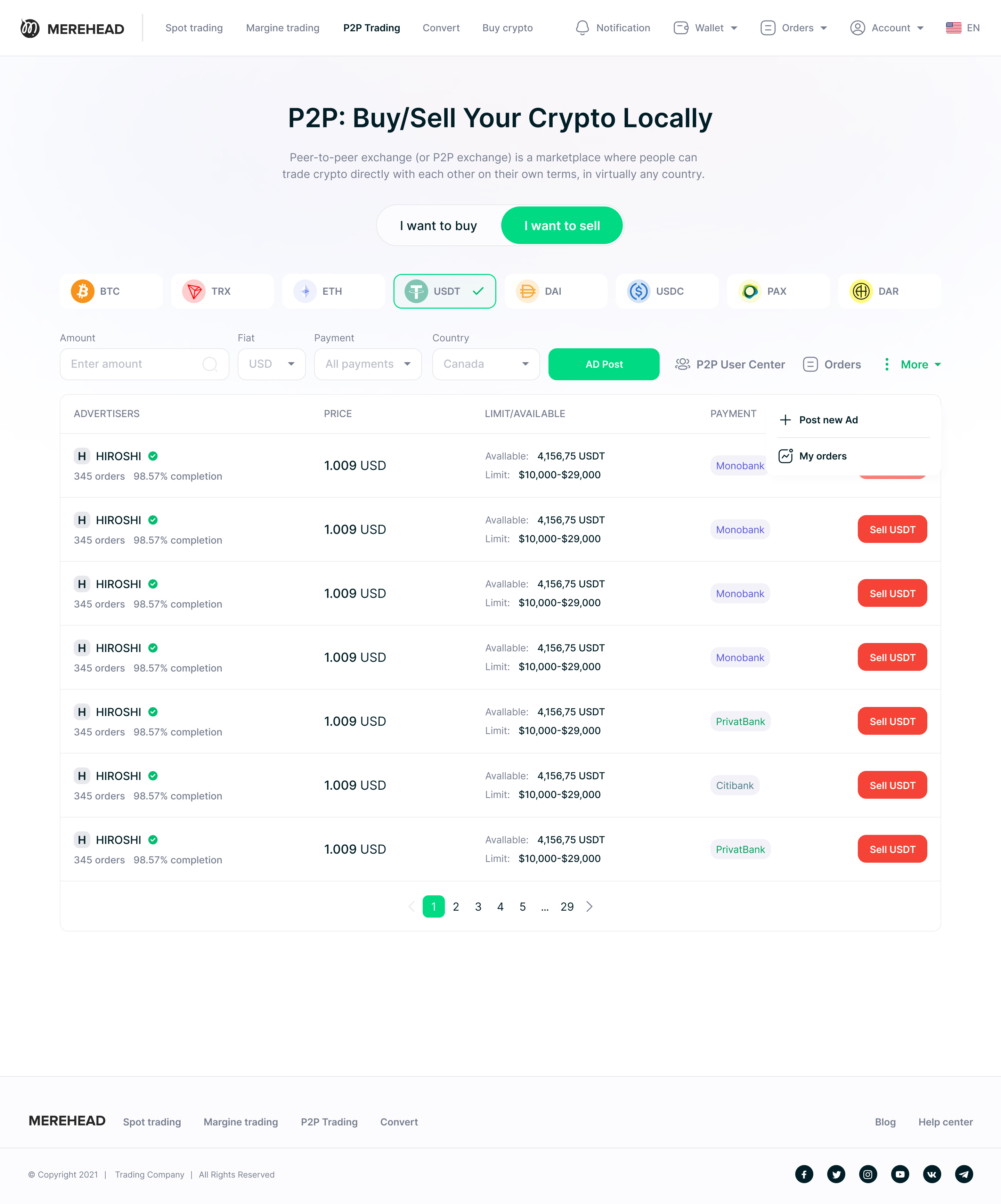
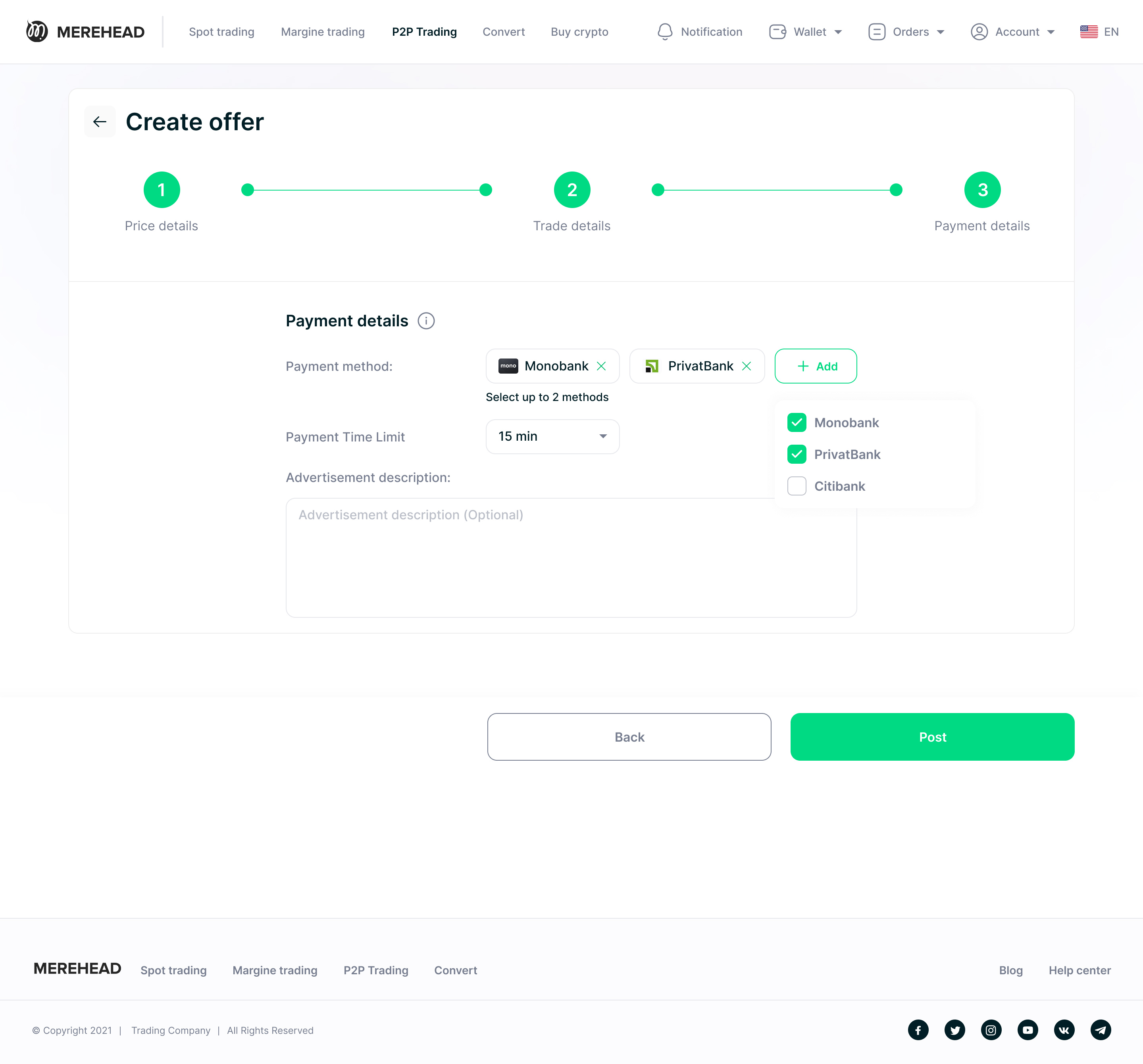
Learning how to start a P2P crypto exchange in 2026 means making three foundational decisions before writing a line of code: what architecture fits your market (custodial vs non-custodial), what legal structure you need to operate in your target jurisdiction, and whether to build from scratch, use white label software, or adapt an open-source P2P exchange script. This guide covers all three — plus technical architecture, escrow system design, feature prioritization, realistic cost estimates, and a step-by-step launch process based on Merehead's experience building 10+ P2P and DEX platforms for clients across the EU, US, and Southeast Asia.
What Is a P2P Crypto Exchange and Why It Matters for Your Business?
A P2P crypto exchange (peer-to-peer crypto trading platform) is a marketplace where people can buy and sell cryptocurrencies directly from each other, without the involvement of banks or centralized intermediaries.A P2P crypto exchange is a type of cryptocurrency exchange, playing a vital role in the broader crypto trading ecosystem by enabling decentralized and direct transactions between users. Unlike traditional crypto exchanges, users here negotiate the terms of transactions themselves, while the platform ensures their safety through escrow mechanisms and dispute resolution tools.
Why Businesses and Investors Are Paying Attention to P2P in 2026
- Explosive market growth: The global market for P2P crypto marketexchanges is projected to grow by 15%+ annually through 2032, making it one of the fastest-expanding segments in fintech.
- High global demand: in emerging economies (Africa, Asia), P2P platforms are often the only accessible way to buy and sell crypto. This makes them indispensable for cross-border transactions and remittances.
- Cost efficiency: lower transaction fees compared to traditional banking and centralized crypto exchanges.
- New revenue streams: P2P platforms monetize through transaction fees, premium features, and exchange rate spreads, making them attractive as a business model.
How It Works (In Simple Terms)
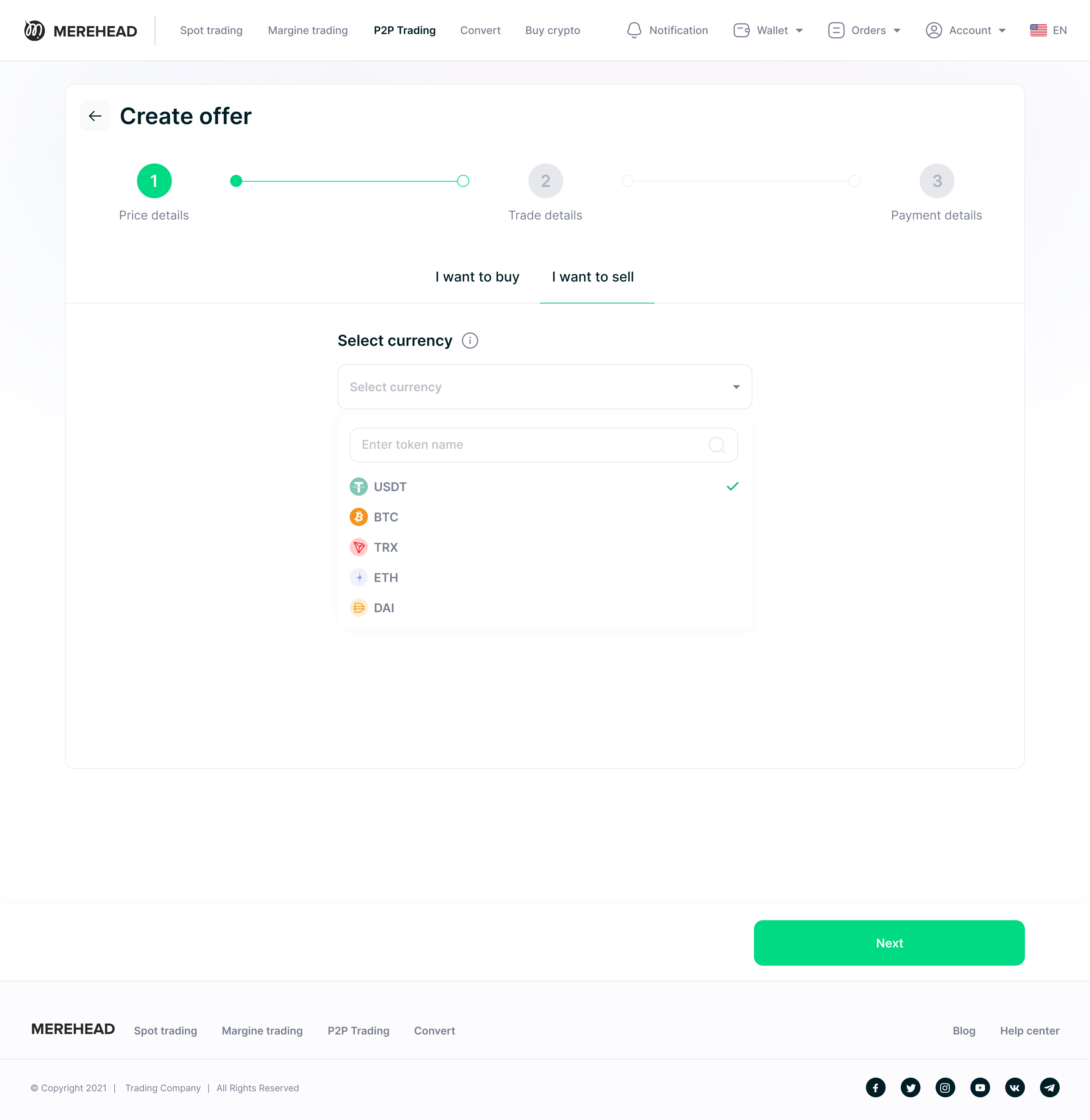
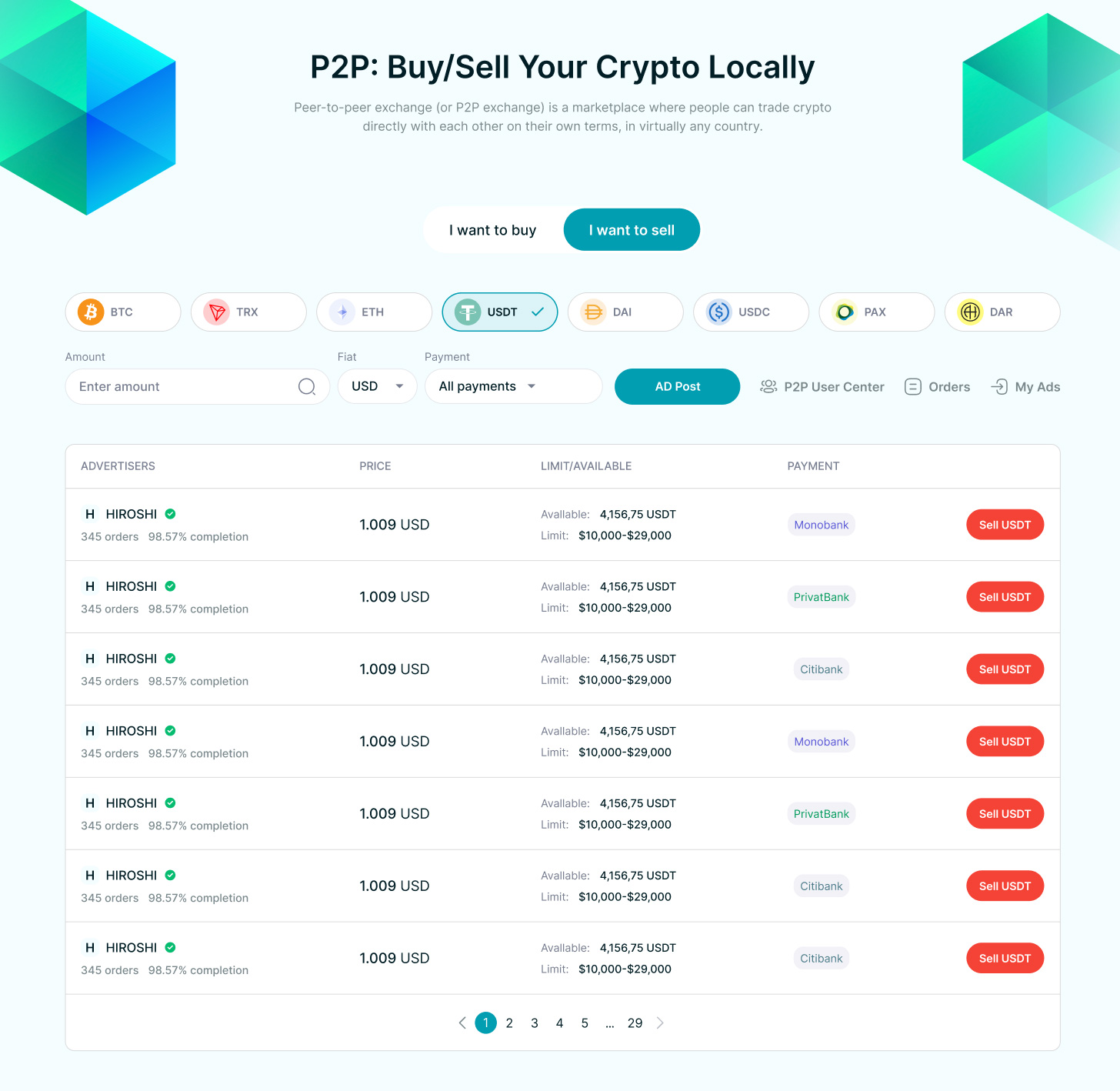
- A seller lists a crypto asset (BTC, ETH, USDT) with price and preferred payment methods.
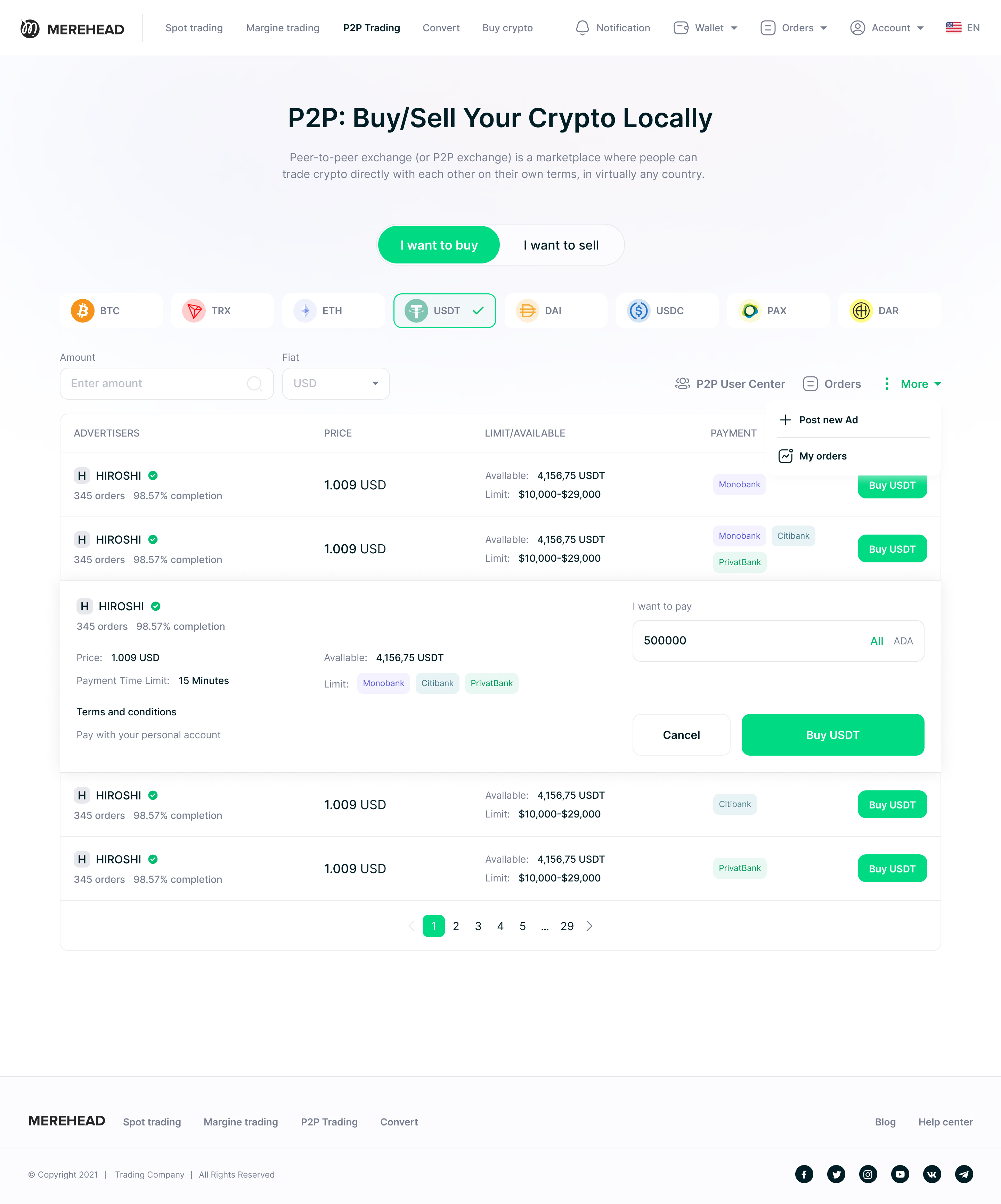
- A buyer selects the offer and makes the payment, choosing a secure and reliable payment method (via bank transfer, mobile wallet, or other methods).
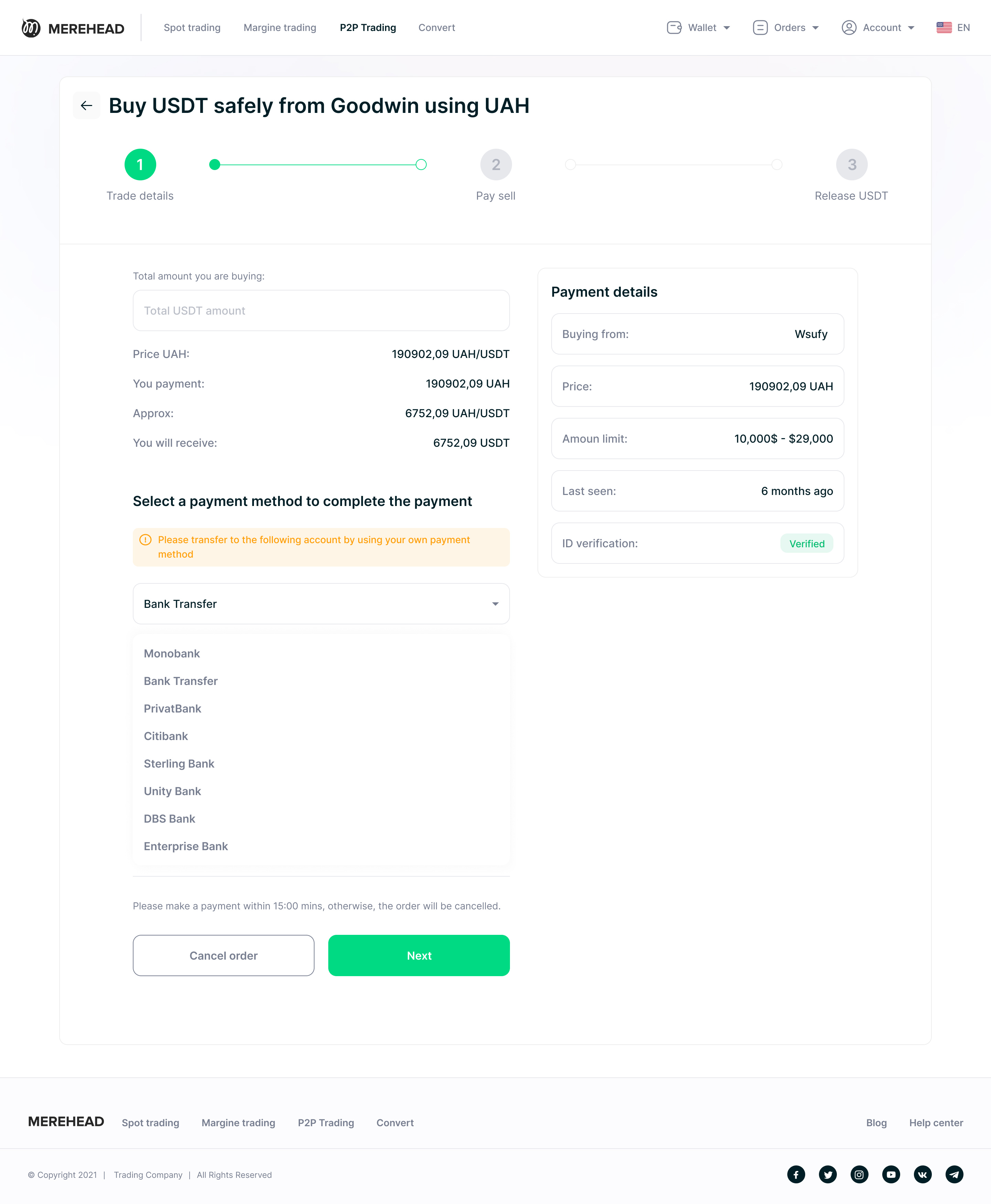
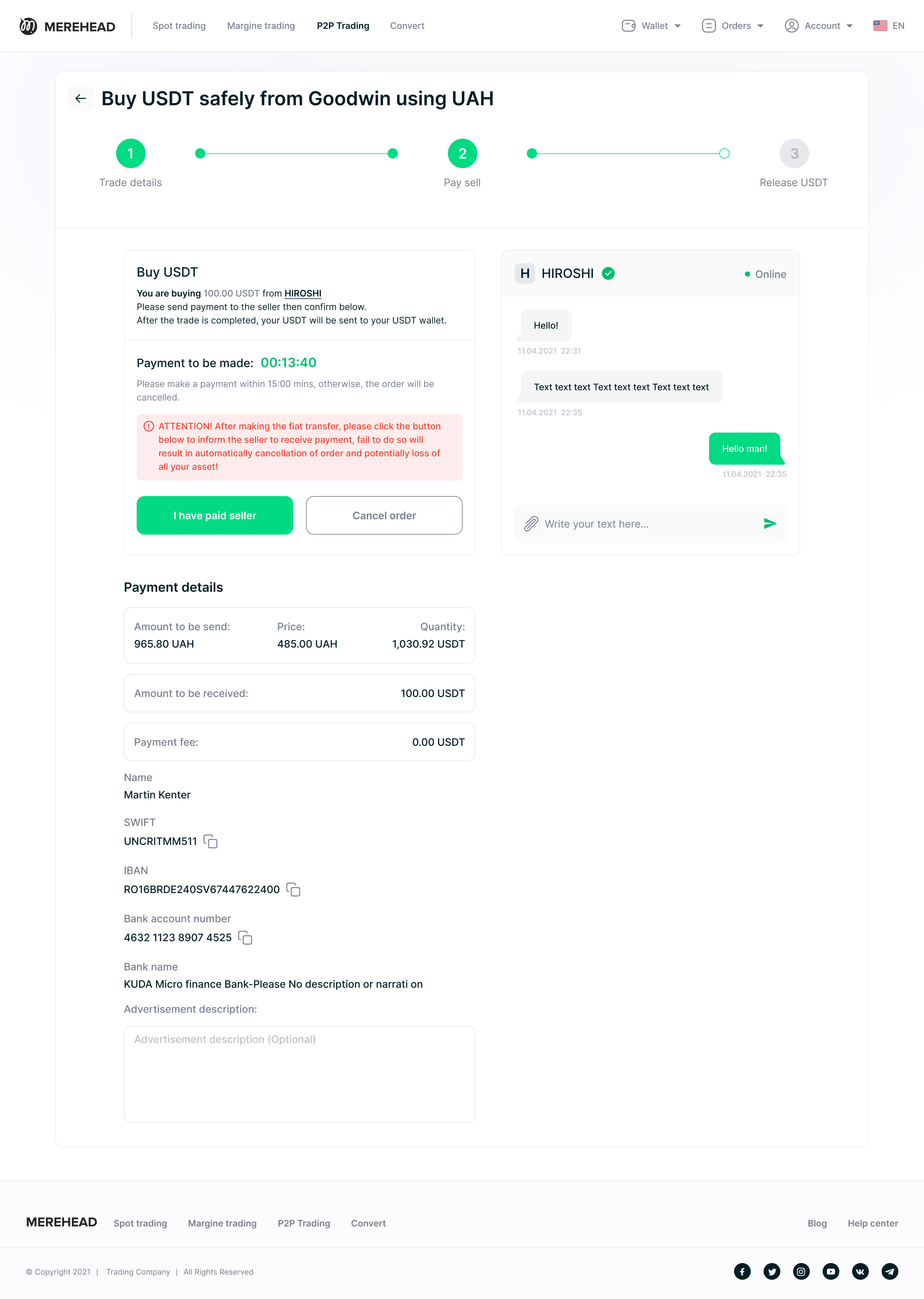
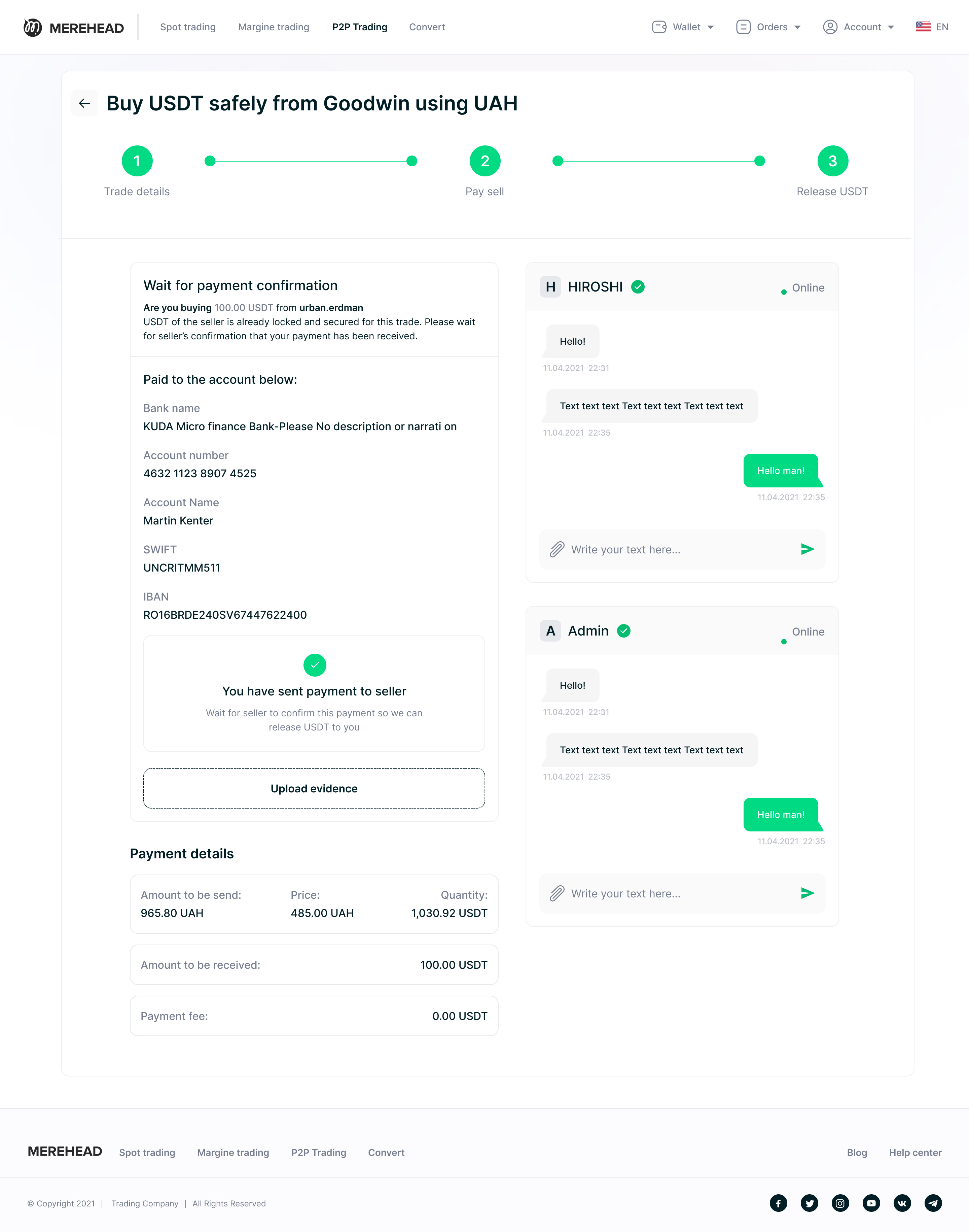
- The platform holds the crypto in escrow until both parties confirm the transaction.
- Once payment is verified, the crypto is released to the buyer.
This ensures trust between parties who don’t know each other and minimizes fraud risks.
Why P2P Exchanges Are Winning in 2026
- Accessibility: Operate even in regions underserved by banks.
- Flexibility: Support dozens of local and global payment methods.
- Privacy options: Many P2P models allow trading with minimal personal data sharing, maintaining user privacy through secure verification processes. This balance is essential for building trust while adhering to KYC, AML, and other regulatory requirements.
- Scalability: A properly built P2P platform can grow quickly in user base and transaction volume.
In short:
For entrepreneurs, a P2P exchange is not just a trading platform, but a high-potential fintech product with growing demand, global reach, and multiple monetization options.
P2P Crypto Market in 2026 — Trends and Opportunities
The peer-to-peer (P2P) crypto exchange market is one of the fastest-growing sectors in the fintech industry. Understanding current market trends and key trends shaping the P2P crypto exchange industry is crucial for staying ahead in this rapidly evolving space.With a projected market size exceeding $3.21 trillion in 2023 and an expected 15%+ CAGR through 2032, P2P exchanges are no longer a niche solution — they’re becoming mainstream infrastructure for global crypto adoption.
Why P2P Is Booming
- Globalization of transactions: People and businesses need fast, cost-effective cross-border payments. P2P exchanges bypass traditional banking systems and provide more convenient options.
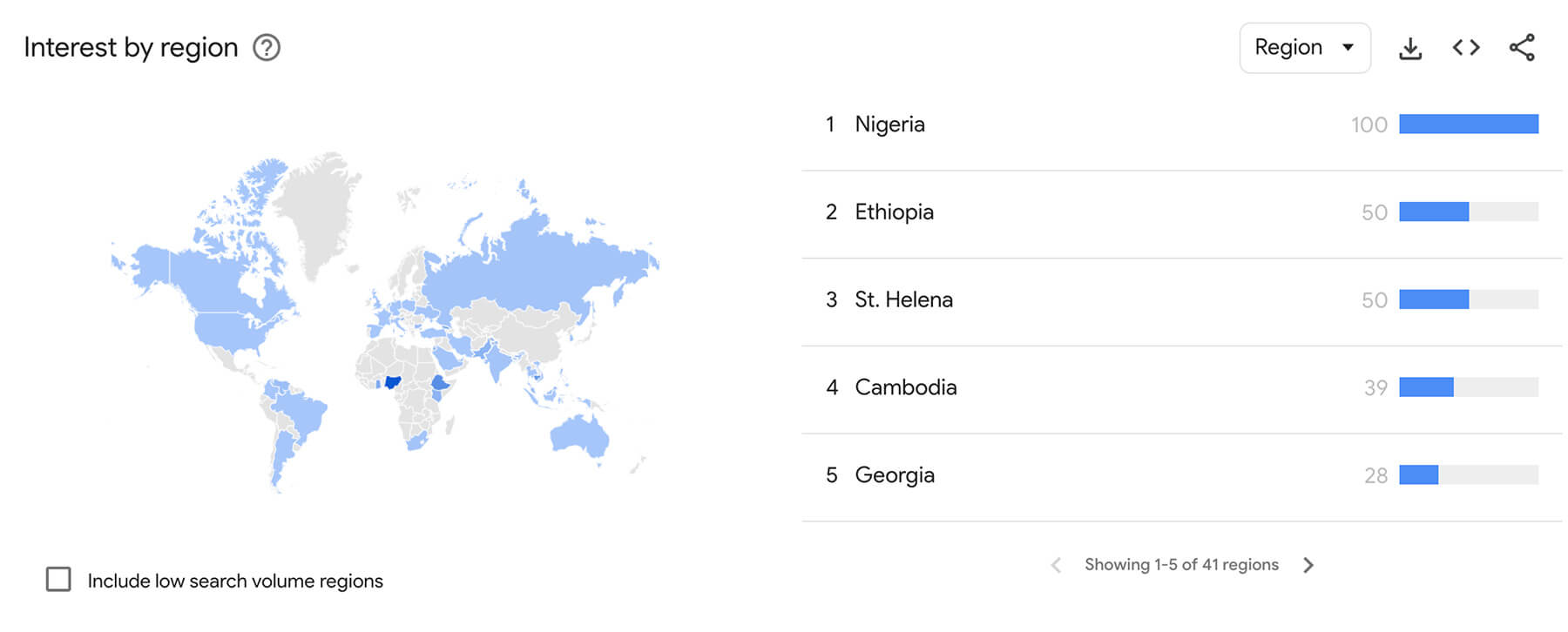
- Financial inclusion: In countries like Nigeria, Kenya, India, millions of users rely on P2P to access crypto and bypass local banking restrictions. P2P exchanges especially appeal to users seeking greater autonomy, privacy, and control over their transactions.
- Lower costs and higher accessibility: No middlemen = reduced fees and greater flexibility for local and international payments.
- Growing role in crypto trading: P2P platforms are becoming entry points for new crypto users, especially in emerging markets.
Who Are the Users?
- Emerging economies: Africa and Asia-Pacific are the most active regions. Example: On Paxful, Nigeria accounts for 15%+ of traffic, with India and China close behind.
- Age groups:Most active: 18–44 years old, with increasing adoption even among users 60+.
- Mobile-first users:By 2027, over 190 million Americans will use mobile P2P apps for payments and trading.
2026 Trends You Can’t Ignore
- Mobile-first P2P platforms: Most trades now happen via smartphones. Apps with seamless onboarding and instant deals will dominate.
- AI & automation: AI chatbots, fraud detection, and personalized offers are becoming must-have features. Platforms are increasingly using AI to analyze user preferences and tailor features like order matching and trader designations to better meet individual needs.
- Regulatory compliance as a competitive advantage: Platforms that align with MiCA (EU) and FinCEN (US) rules attract institutional users and higher-volume traders.
- Web3 integration: Decentralized ID solutions, non-custodial wallets, and blockchain-native escrow models are growing in demand.
Opportunities for Entrepreneurs
- Untapped markets:High-growth regions like Africa, South Asia, and Latin America have millions of unbanked users ready to adopt P2P crypto trading.
- White-label solutions:Businesses can launch branded P2P exchanges quickly, capturing new audiences with minimal time to market. These options provide a cost effective solution for launching a P2P crypto exchange.
- Hybrid platforms:Combining CEX + P2P features offers more revenue streams and flexibility for users.
Bottom line:
The P2P market in 2026 offers massive growth potential for entrepreneurs who can combine compliance, user-friendly design, and scalable technology.

CEX vs DEX — Which Architecture to Choose for Your P2P Platform?
When launching a P2P exchange, one of the first strategic decisions is choosing the platform architecture:- CEX (Centralized Exchange) — a platform where the company manages user accounts, escrow funds, and compliance processes.
- DEX (Decentralized Exchange) — a decentralized platform that connects users directly without intermediaries, allowing them to trade through smart contracts and maintain control of their funds at all times.
Both models have strong use cases, and the right choice depends on your business goals, audience, and target jurisdictions.
Centralized P2P (CEX)
How it works: your company acts as an intermediary that manages escrow, KYC/AML processes, dispute resolution, and oversees financial operations to ensure transaction integrity and compliance.Pros for business:
- Higher liquidity & faster matching: Attracts more users (e.g., Binance P2P).
- Better user experience: Easy onboarding, simple interfaces.
- Compliance-friendly: Easier to meet regulatory requirements (FinCEN, MiCA).
- More monetization options: Transaction fees, premium features, exchange rate spreads.
Cons:
- Higher regulatory burden (licensing, reporting).
- Requires more resources for security, operations, and support.
Decentralized P2P (DEX)
How it works: users engage in direct trading through non-custodial wallets and smart contracts, without intermediaries or the company holding their funds. This direct trading approach gives users greater control and autonomy over their transactions.Pros for business:
- Lower regulatory risks: Often fewer licensing requirements.
- Increased privacy: Appeals to users who want anonymity.
- Lower operational costs: No need for custodial infrastructure.
Cons:
- Lower liquidity: Slower deal matching compared to CEX.
- Complex UX: Harder for newcomers to navigate.
- Limited monetization: Fewer revenue streams (mainly transaction fees).
Which Should You Choose?
- Go CEX if your priority is scale, compliance, and a broad user base (ideal for US/EU markets).
- Go DEX if you want lower regulatory exposure, faster launch, and appeal to privacy-focused users (popular in emerging markets). Unlike centralized exchanges, DEXs offer greater user control and privacy.
- Hybrid model: Many platforms combine CEX and DEX features (e.g., centralized escrow + decentralized wallets) to balance compliance and user freedom.
Business insight:
CEX platforms dominate in transaction volume (Binance P2P, Bybit P2P), but DEX software attract a niche audience of privacy-conscious and advanced users. For many startups, a hybrid model offers the best of both worlds.
P2P Exchange Architecture - Step-by-Step
Before selecting a tech stack, it helps to understand the core components every P2P crypto exchange needs regardless of architecture. These modules determine your p2p crypto exchange development timeline and budget more than any other factor.Core Architecture Components:
1. Order and Offer Management System
The offer layer is where buyers and sellers post and browse trade terms — price, payment method, limits, and currency. Unlike a centralized exchange order book, P2P offers are manually created and negotiated. Your system needs to support filtering by payment method, fiat currency, location, and merchant reputation. At scale (1,000+ concurrent offers), this requires indexed database queries and real-time offer status updates.2. Escrow Engine
The escrow is the trust layer of a P2P exchange. When a buyer initiates a trade, the seller's crypto is locked in escrow. The funds release only when the buyer confirms payment and the seller marks it received — or when a dispute is resolved by your support team. For a CEX P2P model, this is a database-controlled custody account. For a DEX model, this is a smart contract with time-locked release logic and arbitration functionality. Multi-signature escrow (requiring 2-of-3 keys: buyer, seller, platform) is the current standard for production P2P platforms.3. Dispute Resolution System
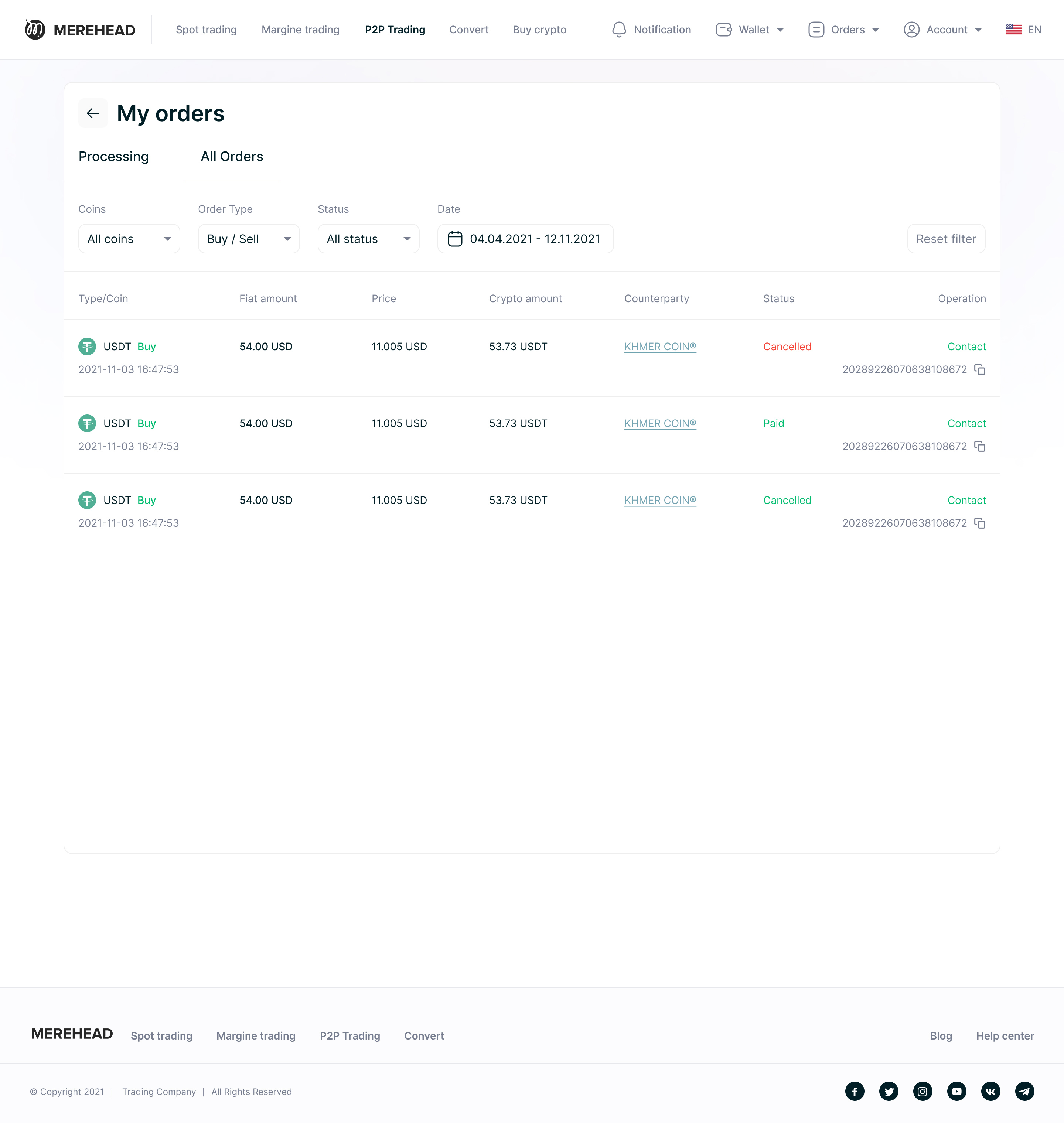
Every P2P platform will have disputes — buyers who claim to have paid when they haven't, sellers who delay release, payment reversals via bank transfer. You need a ticketed dispute system where your moderation team can review chat logs, payment evidence, and transaction history. Automated pre-screening (flagging transactions based on risk patterns) reduces manual review load at scale.4. Merchant Reputation and Rating System
Trust in P2P markets is built through transaction history. Your reputation system should track: total trades completed, success rate, average release time, dispute rate, and user reviews. Verified merchant tiers (with badge display) incentivize high-quality traders and help buyers identify reliable counterparties. Binance P2P's merchant verification model — which requires completion rate thresholds and volume minimums — is the industry benchmark.5. Real-Time Communication Layer
P2P trades require buyers and sellers to communicate during the payment process. An encrypted in-platform chat with file upload (for payment proof screenshots) is mandatory. Automatic trade timers (30–60 minutes for payment) create urgency and prevent funds from being locked indefinitely.How to Choose Between Building from Scratch, White Label, and Script
When evaluating how to start a P2P crypto exchange, the build vs buy decision shapes your timeline, budget, and long-term flexibility:| Approach | Cost | Timeline | Best For |
| Open-source script (Bisq fork, HodlHodl clone) | $5,000–$20,000 | 4–8 weeks | Minimum budget, basic DEX model |
| White label P2P solution | $20,000–$50,000 | 6–12 weeks | Faster launch, custom branding, no source code IP |
| Custom development from scratch | $50,000–$150,000+ | 3–6 months | Full control, proprietary features, source code ownership |
The critical distinction between white label and custom development is source code ownership. White label providers host your exchange on their infrastructure — you brand it, but you don't own the underlying logic. If the provider shuts down or raises fees, your exchange goes offline. Custom development (Merehead's default model) transfers complete source code to the client, eliminating vendor lock-in and enabling independent security audits.
Top P2P Crypto Exchanges in 2026: Competitive Benchmark
Before you build, understand what you're competing with. Here's what the leading platforms do well — and where there's room to differentiate.| Platform | Model | Volume | Key Strength | Weakness / Gap | Revenue |
| Binance P2P | CEX | ~$244M/day | Liquidity, 350+ payment methods, ecosystem integration | Requires full Binance KYC, no standalone product | Seller fees, spreads |
| Paxful | CEX | 10M+ users | 500+ payment methods, strong in Africa & Asia | Limited coin support (BTC, ETH, USDT, USDC) | 1% seller fee, spreads |
| Noones | CEX | ~$100M/month | Hybrid P2P + swaps, mobile-first, emerging markets | Smaller liquidity pool, limited global coverage | 1% seller fee, withdrawal fees |
| HodlHodl | DEX | 100K+ users | Multi-sig escrow, no KYC, privacy-focused | BTC only, niche audience | Trade fees, lending platform |
| Bisq | DEX | Open-source | Fully decentralized, DAO governance | No mobile app, slow UX, BTC only | Trading fees (BTC/BSQ) |
What this means for founders:
- Liquidity is the moat — but it's built through localized payment methods, not technology alone.
- Emerging markets (Africa, Southeast Asia, LATAM) remain underserved by large CEX players.
- The DEX segment has loyal users but poor UX — a non-custodial platform with a modern interface has real differentiation potential.
- Diversified revenue (fees + swaps + lending) consistently outperforms fee-only models.
How P2P Crypto Exchanges Make Money in 2026 — Proven Models for High ROI
Launching a P2P crypto exchange isn’t just about creating a platform — it’s about building a profitable business. Successful platforms provide users with a range of features and services that enhance their trading experience and security. Here’s how the most successful platforms generate revenue in 2026:1. Transaction Fees — The Foundation of Revenue
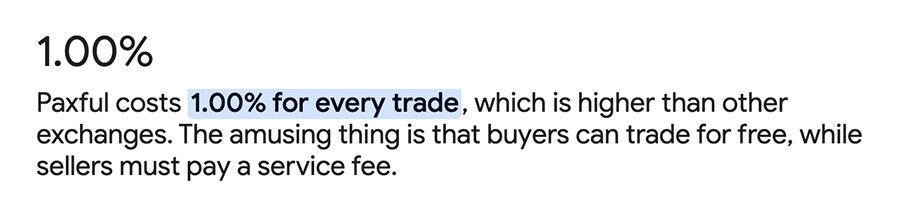
- How it works: platforms charge 5–1% per trade (usually paid by sellers) as transaction fees on trading operations conducted on the platform.
- Case: Paxful processes ~$5B+ in annual P2P trades, which at 1% equals $50M in revenue/year.
- Quick win: even with $10M monthly volume, a 1% fee brings $1.2M/year in predictable income.
Offering additional features such as real-time trading or NFT support can further increase platform revenue.
2. Exchange Rate Spreads — Hidden Extra Profit
- How it works: adding a small markup (0.2–0.5%) on crypto/fiat conversion rates.
- Case: Binance P2P leverages spreads in instant trades, generating millions in “invisible” revenue.
- Quick win: great for high-frequency, small-ticket trades — users rarely notice the markup.
3. Premium Features & Subscriptions — Monetizing Power Users
- How it works: charging for VIP tools: faster dispute resolution, analytics dashboards, higher limits. Premium subscriptions should also include essential features that ensure security, efficiency, and user trust.
- Case: some platforms earn 5–10% of total revenue from premium tiers.
- Quick win: launch with basic free features, upsell premium analytics and faster support.
4. Cross-Selling & Ecosystem Integration
- How it works: offering swaps, staking, or lending inside the platform. Continuous crypto exchange development enables platforms to introduce new services and revenue streams.
- Case: Binance converts P2P traders into users of its lending & staking products, multiplying lifetime value.
- Quick win: integrate simple crypto swaps as a first cross-sell (extra 0.1–0.5% fee).
5. Withdrawal & Escrow Service Fees
- How it works: charging $0.5–$5 per withdrawal or premium escrow services. The platform's escrow system securely holds funds during transactions, ensuring safe transfers between buyers and sellers, which justifies the associated service fees.
- Case: Noones earns significant revenue from high-frequency internal/external transfers.
- Quick win: introduce tiered withdrawal fees: free below $500, paid above.
Which Model Fits Your Platform?
- Starting small? Focus on transaction fees — simple and predictable.
- Targeting advanced traders? Add premium tiers and cross-sell financial tools. As your user base grows, a scalable platform is essential for retaining users by ensuring reliable performance during peak traffic and accommodating growth.
- Building for emerging markets? Focus on spread + withdrawal fees, as users trade small but frequently.
Insight for founders:
A well-designed P2P exchange doesn’t just survive on trading fees — it diversifies income and turns casual users into long-term revenue generators.
Legal Requirements for P2P Crypto Exchanges in 2026
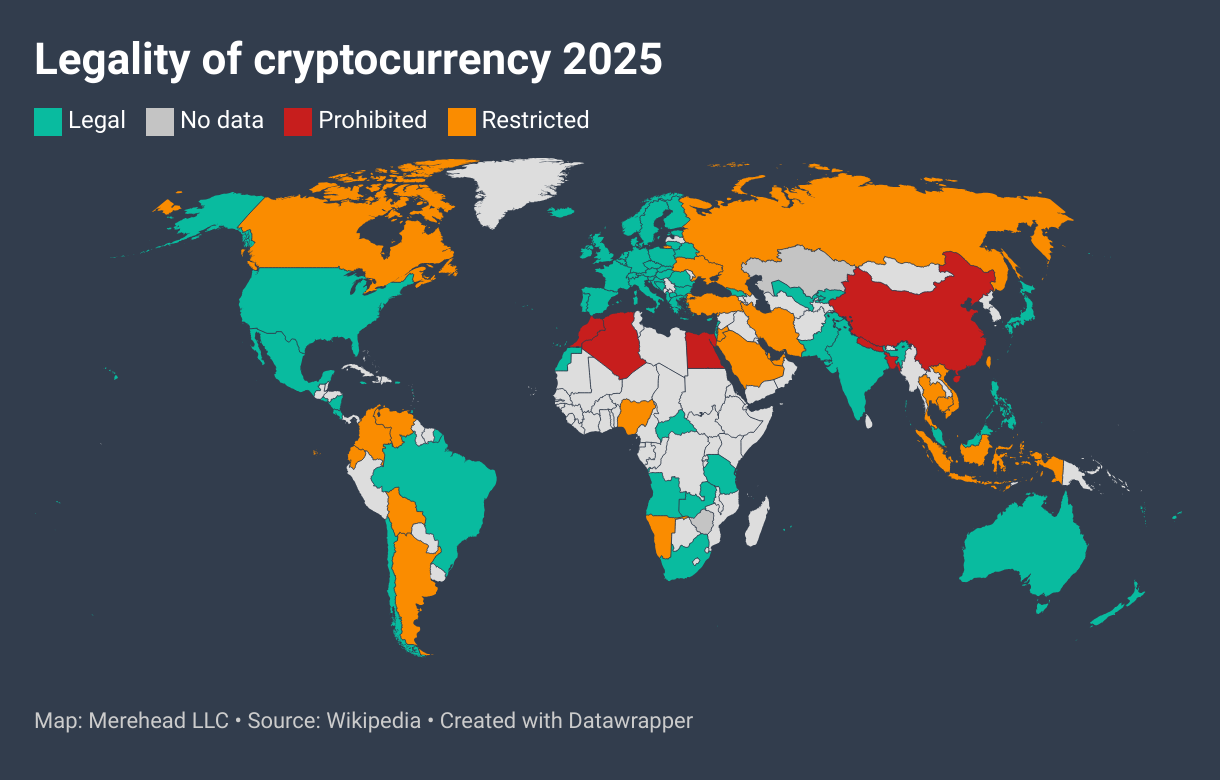
Launching a P2P exchange is not just about technology — it’s also about navigating complex regulations.In 2026, compliance isn’t optional: platforms that ignore legal frameworks risk shutdowns, fines, or even criminal liability. Robust user authentication is a fundamental requirement for regulatory compliance and platform security.
United States: The Strictest Jurisdiction
- Regulator: FinCEN (Financial Crimes Enforcement Network).
- Requirements:
- MSB (Money Services Business) registration with FinCEN.
- State-level licenses (e.g., New York BitLicense).
- KYC/AML compliance — mandatory identity verification for users.
- Possible SEC oversight if the traded assets qualify as securities.
- Timeline & Cost:Full compliance can take 6–12 months and cost $250K+ (licenses, legal, audits).
European Union: MiCA Changes the Game
- Regulator: ESMA (European Securities and Markets Authority) + local regulators.
- Key framework: MiCA (Markets in Crypto-Assets) — effective 2024. MiCA applies to any cryptocurrency exchange platform operating in the EU.
- Requirements:
- CASP (Crypto Asset Service Provider) registration.
- Strict KYC/AML policies.
- Additional licenses for custodial services or fiat on/off ramps.
- Country-specific extras:
- Germany: BaFin license.
- France: Registration with AMF.
- Netherlands: DNB oversight.
Other High-Potential Markets
- Africa: some countries (e.g., Nigeria) ban direct crypto exchanges, but P2P remains legally grey — a big opportunity with lower competition. Exchange development strategies in Africa must be tailored to the specific regulatory environments of each country.
- India: exchanges must register with FIU (Financial Intelligence Unit).
- Singapore & Hong Kong: progressive crypto frameworks, easier licensing.
Why Compliance Matters for Your Business
- Trust & growth: regulated platforms attract institutional users and high-volume traders. Collecting user feedback after transactions helps platforms improve compliance and build user trust.
- Investor appeal: legal compliance increases company valuation.
- Risk management: avoid fines, asset freezes, or forced shutdowns.
How Merehead Helps
Merehead has built 10+ P2P and DEX platforms since 2015 — ranging from simple escrow-based fiat-to-crypto marketplaces to multi-chain P2P DEX systems with non-custodial smart contract escrow on Ethereum and Solana.What this means in practice: we have solved the hard P2P-specific engineering problems before — dispute resolution logic that handles partial payments, escrow release timing under network congestion, KYC tier systems that work across EU and US regulatory requirements, and liquidity bootstrapping strategies that help new platforms attract the first 100 merchants.
One concrete example: for a P2P client targeting the Southeast Asian market, we designed a reputation system that weighted trade frequency differently for new vs established merchants — reducing fraud attempts by making new account manipulation less profitable without creating excessive barriers for legitimate new sellers.
What you get when you work with Merehead:
- Full source code ownership — no licensing fees after delivery
- Architecture designed for your specific market and compliance requirements
- P2P-specific features: multi-payment escrow, dispute workflow, merchant tiers
- MiCA and MSB compliance documentation if targeting EU/US markets
- Transparent cost estimate after a 1-week discovery phase
Cost to Build a P2P Crypto Exchange in 2026 — What Entrepreneurs Need to Know
Building a P2P exchange isn’t just a development project — it’s a full-scale crypto business launch. Several factors, such as platform features, compliance requirements, and technology choices, influence the overall cost and complexity.Costs in 2026 depend on your platform type (CEX vs DEX), features, regulatory setup, and go-to-market strategy.
1. Development Costs — The Core Investment
MVP (Minimum Viable Product): $20,000–$30,000
- Who it’s for: Early-stage founders validating the idea.
- Core trading functionality (listings, escrow, dispute resolution).
- 1–2 cryptocurrencies + 2–3 fiat integrations.
- Basic UI/UX (web only).
- Pros: Fast launch (3–4 months), low entry cost.
- Cons: Limited scalability, lower trust without mobile apps & advanced security.
Mid-Size Platform: $30,000–$50,000
- Who it’s for: Startups aiming for sustainable revenue in 1–2 years.
- Multi-currency support (5–10 cryptos, 10+ fiat options).
- Mobile apps for iOS & Android.
- Advanced security (2FA, anti-fraud AI).
- KYC/AML modules for compliance.
- Timeline: 5–7 months.
Enterprise-Level Platform: $50,000–$100,000+
- Who it’s for: Projects aiming to compete with Binance P2P or Paxful.
- CEX or hybrid architecture (custodial wallets + on-chain components).
- AI-driven personalization (chatbots, recommendations).
- White-labeling capabilities (if you plan to resell your tech).
- Full legal & compliance integration (US/EU ready).
- Timeline: 8–12 months.
2. Hidden Costs Entrepreneurs Overlook
- Licensing & legal:
- EU CASP registration: $50,000–$150,000+.
- US MSB + state licenses: $250,000–$500,000+.
- Liquidity & marketing:
- Bootstrapping initial liquidity: $100K–$500K (to attract traders).
- Aggressive go-to-market campaigns: $50K+/year.
- Operations & support:
- 24/7 multilingual support: $5K–$15K/month.
3. Where to Save, Where to Invest
- Starting with white-label solutions instead of fully custom code.
- Launching in crypto-friendly jurisdictions (Estonia, Lithuania) before expanding to the US/EU.
- Security & escrow systems — a single exploit can destroy trust.
- UX design — frictionless onboarding is critical for adoption.
4. ROI: When Do P2P Platforms Break Even?
- Case: a mid-size platform with $10M monthly volume and a 1% seller fee earns $1.2M/year. With $50K development cost + $100K marketing & ops, break-even is achievable in 12–18 months.
- Upside: adding premium features & cross-selling (lending, swaps) can double revenue without proportionally increasing costs.
Quick Wins for Founders
- Start lean (MVP), then add premium features as user base grows. These premium features are aimed at allowing users to tailor their trading experience.
- Use local payment integrations in high-growth markets (e.g., mobile money in Africa) — it attracts users faster.
- Partner with liquidity providers early to ensure competitive rates.
Features That Drive Growth and Profit for P2P Platforms in 2026
In 2026, a P2P exchange isn’t just about connecting buyers and sellers — it’s a growth machine.Reputation systems play a key role in building trust and credibility by allowing users to assess each other's reliability through feedback, transaction history, and reviews.
Here’s how top platforms turn features into revenue, user loyalty, and competitive advantage.
1. Escrow That Sells Trust (and Increases Volume)
- Why it matters: Every successful P2P trade increases platform revenue. Users won’t trade without feeling safe.
- Fewer disputes - lower support costs.
- Higher trade confidence - +20–30% repeat transactions.
- Example: Paxful’s multi-layered escrow is the foundation of its 10M+ loyal user base.
2. Multi-Payment Ecosystem = Explosive User Growth
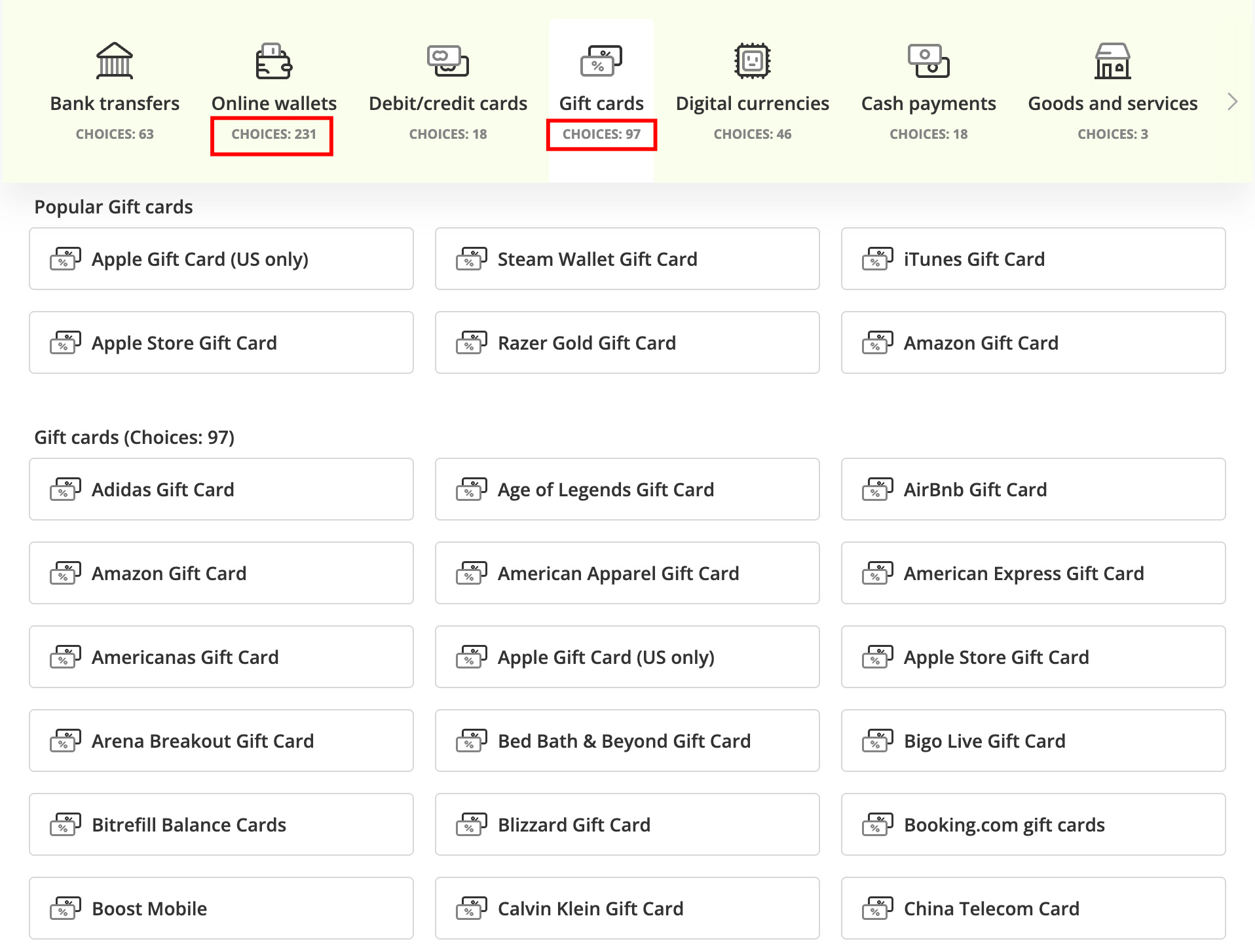
- Why it matters: The more ways to pay (bank, mobile wallets, gift cards), the more untapped markets you unlock.
- Business impact:
- Entry to “unbanked” regions (Africa, LATAM).
- Up to 2–3x faster user acquisition by supporting local payment apps.
- Example: Paxful’s 500+ payment methods = leadership in Nigeria & India.
3. AI That Cuts Costs and Grows Revenue
- Why it matters: AI isn’t a gimmick — it’s support automation, fraud prevention, and upselling.
- Business impact:
- 30–40% reduction in support costs via AI chatbots.
- AI-powered recommendations - higher transaction frequency per user.
4. KYC That Unlocks Institutional Money
- Why it matters: institutions won’t touch your platform without compliance.
- Business impact:
- Opens doors to high-volume traders & B2B clients.
- Boosts valuation for future fundraising or M&A.
5. Reputation & Dispute Systems That Retain Users
- Why it matters: in P2P, a single bad experience = a lost customer.
- Reputation scores + fast mediation - higher trust & user retention.
- Builds a self-regulating community, reducing operational overhead.
6. Add-On Revenue Streams (Lending, Swaps, Premium Tiers)
- Why it matters: don’t just earn on trades — increase lifetime value per user.
- Business impact:
- 1–0.5% fees on swaps = hidden but consistent revenue.
- Lending/staking modules - premium services for power users.
How Merehead Helps You Launch a Profitable P2P Crypto Platform
Building a P2P crypto exchange isn’t just about coding — it’s about creating a scalable, compliant, and revenue-driven business. At Merehead, we specialize in exchange development, guiding clients through every stage from planning and design to deployment.We help you go from concept to live platform with a focus on ROI and long-term growth.
Why Businesses Choose Us
- Fintech & crypto expertise: 7+ years building exchanges, wallets, DeFi platforms, and compliance-ready solutions.
- Global launch experience: projects in the US, EU, Africa, Asia-Pacific with tailored strategies for each market.
- End-to-end support: from market research and legal setup to design, development, and post-launch growth.
Our Process
- Business Analysis & Roadmapping
- Market research: competition, legal environment, monetization.
- Strategic roadmap: CEX, DEX, or hybrid? MVP vs full-scale?
- Legal & Compliance Advisory
- Guidance on FinCEN, MiCA, and local licensing.
- Structuring for cost-efficient jurisdictions (Malta, Lithuania, Estonia).
- Custom Development or White-Label Setup
- Custom platforms: From scratch, tailored for your vision.
- White-label solutions: Fast-track launch with branding & feature customization.
- Post-Launch Scaling
- Integrating AI-driven features for personalization & fraud prevention.
- Marketing & liquidity strategies to grow volume.
What You Get
- Ready-to-scale platform — with mobile apps, multi-currency support, and robust security.
- Compliance-first architecture — aligned with US/EU standards for institutional readiness.
- Revenue-focused design — monetization features built-in from day one.
Quick Wins for Founders
- Fast-track launch: Go live in 3–4 months with a branded P2P exchange software.
- Compliance advantage: Start in crypto-friendly jurisdictions to reduce licensing costs by 50–70%.
- Growth-ready: Add swaps, lending, or premium tiers post-launch to double revenue streams.
Conclusion: Why 2026 Is the Best Time to Launch Your P2P Crypto Exchange
The P2P crypto exchange market is no longer a playground for early adopters — it’s becoming the core of the global digital economy.With a $3.21 trillion market size, a 15%+ annual growth trajectory, and exploding demand in emerging regions, P2P platforms are now one of the most lucrative opportunities in fintech.
In this guide, we’ve explored:
- Why P2P is booming and how globalization + mobile adoption are reshaping finance.
- CEX vs DEX models and how to choose the one aligned with your vision.
- Top platforms (Binance P2P, Paxful, HodlHodl) and what makes them successful.
- Revenue models that turn a platform into a cash-generating machine.
- Compliance & costs — what it really takes to launch in the US, EU, and beyond.
- Investor insights — how to fund and scale a platform with high ROI potential.
The takeaway is simple: In 2026, P2P exchanges are no longer “crypto experiments” — they’re scalable, profitable fintech products that can dominate both emerging and developed markets.
Whether you’re a startup founder, a fintech entrepreneur, or an investor looking for high-growth opportunities, this is your moment.
The market isn’t saturated yet — but it will be. The platforms that move first will set the rules for the next decade of peer-to-peer finance.
Ready to build your P2P exchange?
Merehead helps businesses and investors turn blockchain ideas into compliant, revenue-driven platforms. From MVPs to enterprise-grade ecosystems — we provide the strategy, tech, and market expertise to succeed.Book a free consultation and let’s map out your P2P exchange journey.
costs to develop
your P2P exchange
Security Measures for a P2P Crypto Exchange
Security is the backbone of any successful peer to peer (P2P) crypto exchange platform. Unlike traditional centralized exchanges, P2P crypto exchanges operate without intermediaries or a central authority, which means the responsibility for safeguarding user funds and sensitive information falls squarely on the platform itself. Implementing robust security measures is not just a technical requirement—it’s essential for building user trust, protecting digital assets, and ensuring the long-term viability of your crypto exchange platform.Why Security Is Non-Negotiable
In a P2P crypto exchange, every transaction happens directly between buyers and sellers. This direct transaction model, while empowering, also exposes users to unique risks. Without a central authority to mediate or reverse fraudulent trades, users are more vulnerable to scams, phishing, and other malicious activities. A single security lapse can result in significant financial losses, erode user confidence, and irreparably damage your platform’s reputation. For this reason, security is not optional—it’s a fundamental pillar for any P2P crypto exchange aiming to compete in today’s market.Core Security Features Every Platform Needs
To ensure a secure trading environment, every P2P crypto exchange platform should be built with the following essential security features:- Multi-factor authentication (MFA):Adding multi factor authentication to user accounts significantly reduces the risk of unauthorized access. By requiring a second verification step—such as a code sent to a mobile device—your platform makes it much harder for hackers to compromise user accounts.
- End-to-end encryption:All communications and data transfers between users and the exchange platform should be protected with end to end encryption. This ensures that sensitive information, such as login credentials and transaction details, cannot be intercepted or tampered with by third parties.
- Smart contracts:Leveraging smart contracts automates the transaction process, ensuring that trades are executed only when all conditions are met. This reduces the risk of human error and fraud, and provides users with a transparent, tamper-proof record of every transaction.
- Escrow services:An integrated escrow service is a must-have for any P2P crypto exchange. By holding funds in escrow until both parties confirm the transaction, the platform protects buyers and sellers from fraud and builds trust in the trading process.
- Regular security audits:Conducting frequent security audits helps identify and address vulnerabilities before they can be exploited. These audits ensure your crypto exchange platform remains up-to-date with the latest security standards and best practices.
By embedding these security features into your P2P crypto exchange, you create a safer environment for users and set your platform apart from less secure competitors.
Best Practices for Protecting Users and Funds
Beyond technical safeguards, P2P crypto exchanges should adopt a holistic approach to protecting user funds and maintaining platform integrity:- Implement robust KYC and AML processes:Enforcing Know-Your-Customer (KYC) and Anti-Money Laundering (AML) protocols helps prevent fraudulent activity and ensures compliance with global regulations. This not only protects your platform but also reassures users and partners.
- Utilize multi-signature wallets:Multi signature wallets require multiple approvals before funds can be moved, adding an extra layer of security to user assets and making unauthorized withdrawals nearly impossible.
- Provide educational resources:Empower your users with educational resources on security best practices, such as recognizing phishing attempts and safeguarding private keys. Informed users are less likely to fall victim to scams, reducing overall risk for your platform.
- Monitor user activity:Proactive monitoring of user activity allows you to detect suspicious behavior early. Automated alerts and manual reviews can help prevent fraud before it impacts users.
- Establish a disaster recovery plan:Prepare for the unexpected with a comprehensive disaster recovery plan. This ensures that, in the event of a breach or technical failure, your platform can respond quickly, minimize losses, and maintain business continuity.
By following these best practices, P2P crypto exchanges can create a secure, resilient environment that protects user funds and fosters long-term trust.
Responding to Threats and Breaches
Even with the best security measures in place, no platform is immune to threats. Having a clear, actionable response plan is essential for minimizing damage and maintaining user confidence:- Immediate notification of affected users:Transparency is key. If a breach occurs, promptly inform all affected users so they can take steps to secure their accounts and funds.
- Containment and remediation:Act quickly to contain the breach, isolate affected systems, and prevent further unauthorized access. Remediate vulnerabilities as soon as they are identified.
- Investigation and analysis:Conduct a thorough investigation to determine the root cause of the incident. Analyze what went wrong and how similar threats can be prevented in the future.
- Implementation of additional security measures:Use the lessons learned from any incident to strengthen your platform’s defenses. Regularly update your security protocols and educate your team on emerging threats.
By prioritizing robust security measures and maintaining a proactive approach to risk management, P2P crypto exchanges can protect their users, their funds, and their reputation—ensuring a safe and secure trading experience in the ever-evolving crypto market.
FAQ: How to Start a P2P Crypto Exchange
1. Is it legal to run a P2P crypto exchange in the US or EU?
Yes — but only with proper licensing.- In the US:
- You must register as a Money Services Business (MSB) with FinCEN.
- In many states, you’ll also need a state-level license (e.g., New York’s BitLicense).
- If your platform lists tokens classified as securities, expect oversight from the SEC.
- Cost & timeline: $250K–$500K and 6–12 months for full compliance.
- In the EU:
- Since 2024, the MiCA regulation requires P2P platforms to register as Crypto Asset Service Providers (CASPs).
- Some countries impose extra rules:
- Germany — BaFin license.
- France — AMF registration.
- Netherlands — DNB oversight.
- Cost & timeline: $50K–$150K, 3–6 months for crypto-friendly jurisdictions (Estonia, Lithuania).
Pro insight: Many startups start in lighter jurisdictions (Malta, Lithuania) and expand to the US/EU once they validate their model.
2. How long does it take to build and launch a P2P platform?
It depends on product complexity and compliance requirements:- Lean MVP (test product): 3–4 months. Ideal for quick market entry.
- Mid-scale platform: 5–7 months. Includes mobile apps, 5–10 cryptos, 10+ fiat methods.
- Enterprise exchange: 8–12 months. Advanced AI, compliance, multi-language support, global-ready infrastructure.
Tip: Some founders launch an MVP without full compliance (DEX-like model) to test demand, then invest in licenses when scaling.
3. How much does it cost to launch a P2P crypto exchange?
- Basic MVP: $20K–$30K (simple web platform, 1–2 coins, basic escrow).
- Mid-size: $30K–$50K (multi-coin, mobile apps, advanced security).
- Enterprise: $50K–$100K+ (CEX-level infrastructure, AI features, full legal integration).
- Legal & licensing: $50K–$500K (US/EU).
- Marketing & liquidity: $50K–$300K annually to attract and retain users.
ROI example: A platform with $10M monthly trade volume and 1% fee earns $1.2M/year. Break-even can be achieved in 12–18 months.
4. Which is better — CEX or DEX?
- CEX (Centralized):
- Pros: Higher liquidity, smoother UX, easier fiat integration, better for institutional clients.
- Cons: Heavy regulation, higher costs, more risk if hacked.
- DEX (Decentralized):
- Pros: Lower regulatory barriers, non-custodial (funds stay with users), appeals to privacy-focused users.
- Cons: Lower liquidity, steeper learning curve for new traders.
Hybrid models combine both: e.g., centralized escrow with decentralized wallets.
5. How do P2P exchanges make money?
Multiple streams:- Transaction fees: Usually 0.5–1%.
- Exchange rate spreads: Invisible markups on conversions (0.2–0.5%).
- Premium subscriptions: Advanced analytics, priority dispute resolution, higher limits.
- Cross-selling: Lending, staking, swaps.
- Withdrawal & escrow fees: Charges for high-volume or fast-track transactions.
Case: Paxful processes ~$5B/year in trades - ~$50M in annual revenue from just 1% seller fees.
6. How do I attract users to a new P2P platform?
- Start where demand is highest: Africa (Nigeria, Ghana), LATAM, India.
- Local payment methods: Integrate mobile money, regional crypto banks, gift cards.
- Competitive fees: Undercut market leaders to capture early adopters.
- Community-driven growth: Incentivize referrals, P2P ambassador programs, local agents.
- Partnerships: Collaborate with fintechs & remittance services to tap into existing user bases.
7. What are the biggest mistakes startups make when launching P2P exchanges?
- Ignoring compliance: Platforms often shut down after regulators intervene.
- Underinvesting in security: One exploit can bankrupt a project.
- Weak liquidity: No buyers/sellers = dead marketplace.
- Bad UX: If users can’t trade easily on mobile, they won’t return.
Pro tip: Liquidity + UX + compliance are the “big three” for survival in year one.
What is the difference between a P2P crypto exchange and a regular crypto exchange?
A regular centralized exchange (CEX) matches buyers and sellers automatically through an order book — users never interact directly. A P2P exchange acts as a marketplace where users negotiate directly: they agree on price, payment method, and terms, then the platform holds crypto in escrow while payment completes. P2P exchanges typically support more payment methods (bank transfer, PayPal, mobile money), work better for fiat currency pairs not supported by major exchanges, and offer more privacy. The trade-off is slower transaction speed and more manual dispute resolution. For founders, P2P platforms are lower infrastructure cost to launch than a full CEX because you don't need a matching engine — but they require more trust infrastructure (reputation systems, dispute resolution, KYC workflows).
Can I launch a P2P exchange with a white label solution?
Yes — white label P2P exchange solutions let you launch a branded platform in 6–10 weeks without building escrow logic, reputation systems, or payment integrations from scratch. The trade-off is that you don't own the underlying code: your platform runs on the vendor's infrastructure, and you pay licensing fees as long as you operate. For founders testing market fit, white label is a reasonable starting point. For founders planning long-term operation, custom development with source code ownership is more cost-effective over a 3–5 year horizon. At Merehead, we can deliver either model and are direct about which one fits your timeline and budget.
When will my P2P platform become profitable?
With $10M/month trade volume and a 1% fee, you’re at $1.2M/year revenue. Most startups reach break-even in 12–24 months, faster if they cross-sell (swaps, loans). Investor insight: Compliance-ready platforms have 2–3x higher valuation and are more attractive for venture funding.