
P2P Crypto Exchange Script: Launch a Profitable Trading Platform in 2026
A P2P crypto exchange script is ready-to-deploy software that gives you the full infrastructure of a peer-to-peer trading platform — escrow engine, trade matching, reputation system, dispute resolution, KYC/AML pipeline, and admin tooling — without building it from scratch. Instead of 6-12 months of custom development, a well-built P2P exchange script gets you to testnet in 4-8 weeks and production in 10-14 weeks.
The market logic is straightforward. P2P crypto trading volume in emerging markets crossed 38% of total retail crypto transfers in early 2026 — not because P2P is an experiment, but because it solves a real problem: direct crypto-to-fiat exchange using local payment methods without a centralized custodian. A P2P exchange clone script lets founders enter this market at a fraction of the cost of building custom, using architecture that has already been validated by platforms processing millions in daily volume.
Two distinct categories exist: P2P exchange clone scripts that replicate specific platforms (Paxful, LocalBitcoins, Remitano) with their exact feature sets and UX patterns; and white-label P2P exchange scripts that are platform-agnostic and fully customizable. The sections below cover both — their features, costs, and when each approach makes sense for your specific market and audience.
What Is a P2P Crypto Exchange Script?
A P2P crypto exchange script is a ready-made software solution that allows you to launch a peer-to-peer cryptocurrency trading platform quickly and cost-effectively. It comes with built-in features like user wallets, escrow systems, trading interfaces, KYC/AML modules, and admin controls — all pre-coded and customizable to your brand.
Unlike centralized exchanges (CEX), a P2P platform connects buyers and sellers directly. The script acts as the engine that powers this system, automating trades, ensuring security, and managing user flow without the need to build everything from scratch.
This makes P2P exchange scripts ideal for:
- Startups wanting to enter the crypto space quickly
- Entrepreneurs with limited dev resources
- Companies looking to test the market before investing in full custom development
With the right script, you can focus on business growth — not backend headaches.
Top Benefits of Using a P2P Crypto Exchange Script
Launching a crypto exchange is no small feat. It’s complex, time-consuming, and expensive — unless, of course, you start with the right tools. That’s where a P2P crypto exchange script makes all the difference. It doesn’t just speed up development — it gives you a tested foundation, trusted logic, and the flexibility to build exactly what your users need.
Here’s why more and more founders choose this path:
Launch in Weeks, Not Months
Time kills ideas. If you’re stuck in a year-long dev cycle, the market may move on without you. A script lets you skip the heavy lifting — architecture, security modules, transaction logic — and launch a working platform in a fraction of the time. That means quicker feedback, faster iterations, and early traction.
Save Money Where It Counts
Custom development can burn through your budget before you even go live. Scripts offer a leaner start — you pay once for a system that already works, and then invest in the parts that matter: user experience, branding, growth. That’s how smart teams scale: spend where it counts.
Build What You Want
Using a script doesn’t mean you’re stuck with someone else’s vision. Good scripts are built to be reshaped — you can redesign the interface, tweak the logic, connect new payment systems, or localize everything for your market. You start with a backbone, but the face of the platform is still yours.
Proven Logic, Fewer Surprises
When you build from scratch, there’s always the risk of discovering a “surprise bug” halfway through. Exchange scripts have already been tested in live markets. Escrow systems, KYC processes, admin controls — they’re not experiments, they’re production-ready tools you can trust.
Grow Without Rebuilding Everything
A quality script won’t box you in. You can start lean, gather real usage data, and add features as your user base grows. From crypto wallet integrations to fiat gateways — scaling is a question of planning, not rebuilding. And when the time comes, your script can evolve with you or act as a prototype for a fully custom platform.
In short: if your goal is to launch fast, test early, and grow smart — a P2P exchange script gives you that edge. Not because it cuts corners, but because it lets you skip the parts that have already been solved — so you can focus on the things that truly move your product forward.
Key Features Every P2P Crypto Exchange Script Should Have
Not all scripts are created equal. Some look impressive on paper — until you try to run a real transaction or manage your first dispute. That’s why, before choosing a P2P crypto exchange script, it’s crucial to understand what features truly matter in practice.
Here’s what separates a reliable platform from one that falls apart under pressure:
Escrow System That Actually Works
The escrow engine is the operational core of any P2P crypto exchange script. It locks the seller's crypto at trade initiation, holds it autonomously during the payment window, releases on seller confirmation, and pauses on dispute. Two models exist: smart contract-based (funds locked on-chain — platform never holds them, lower regulatory exposure, gas fees apply) and custodial (funds held in platform wallet — simpler UX, no gas friction, but creates custody obligations).
A production-grade script must handle both edge cases: buyer pays but seller doesn't confirm, trade window expires without action, and conflicting confirmation claims from both parties.
KYC/AML That Doesn't Kill User Experience
P2P platforms attract regulators' attention because they operate in exactly the markets — cross-border fiat-to-crypto, cash-based payments — that AML frameworks focus on. A P2P crypto exchange script that treats KYC as an afterthought faces deplatforming risk from payment processors and banking partners.
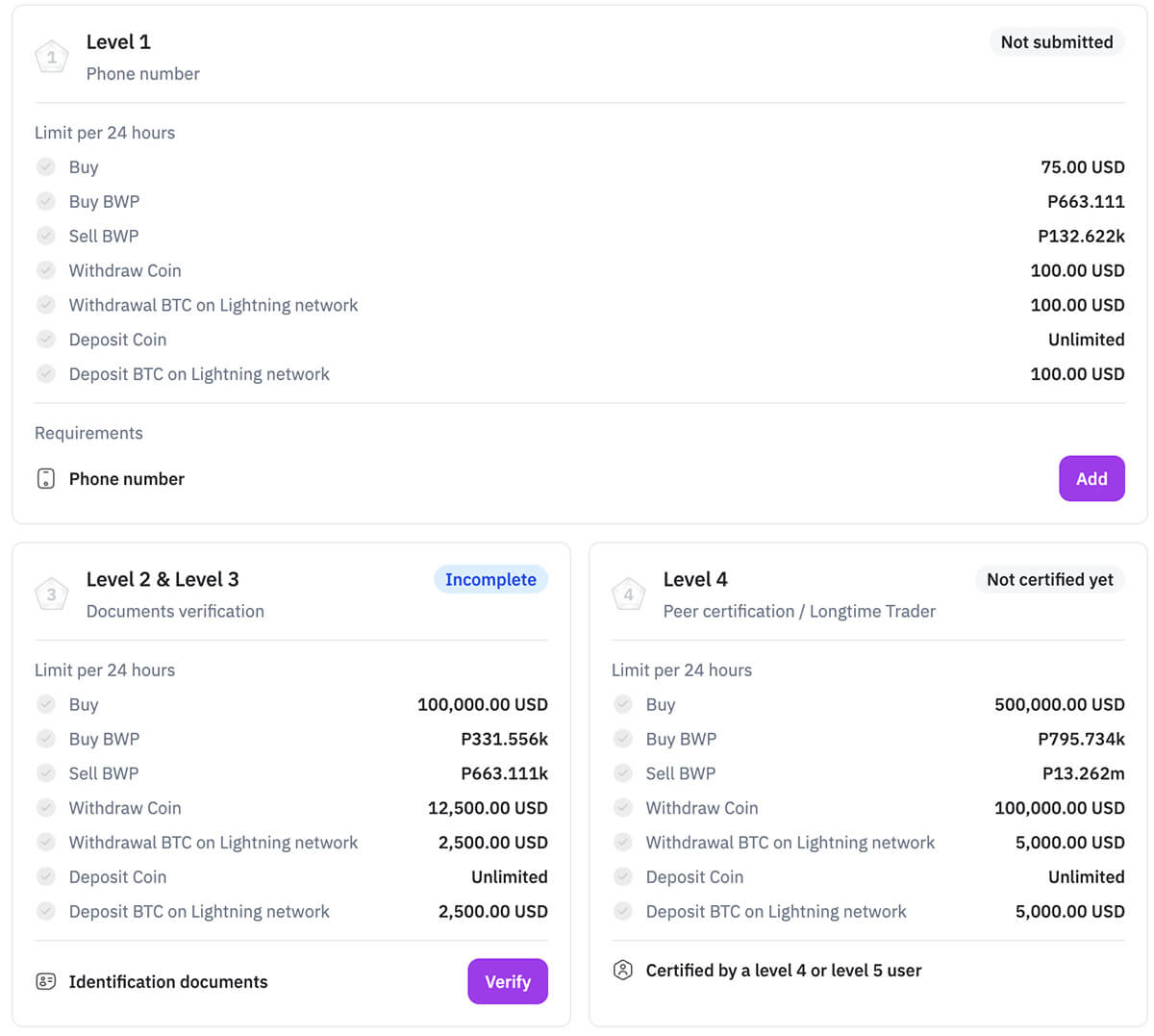
The right approach: tiered verification (email-only for small trades, full identity verification for larger volumes), automated AML screening against OFAC and UN sanction lists, and suspicious activity flagging integrated into the admin panel. Verification friction and conversion rate are inversely proportional — design the tiers to match your regional compliance obligations, not to maximize friction.
Admin Panel That Gives You Real Control
The admin panel determines whether you can operate the platform efficiently or spend every day firefighting. A mature P2P exchange script admin panel covers: trade monitoring with real-time status across all active trades, dispute queue management with evidence viewing and resolution tools, user account management with verification status and trade history, fee configuration without code changes, and automated alerts for unusual patterns — large trades, rapid repeat disputes, accounts with anomalous behavior.
In our experience, platforms that launch with minimal admin tooling spend 3-5x more in manual support labor in the first 6 months than the cost of building the tooling properly at the start.
Support for Multiple Cryptocurrencies and Fiat
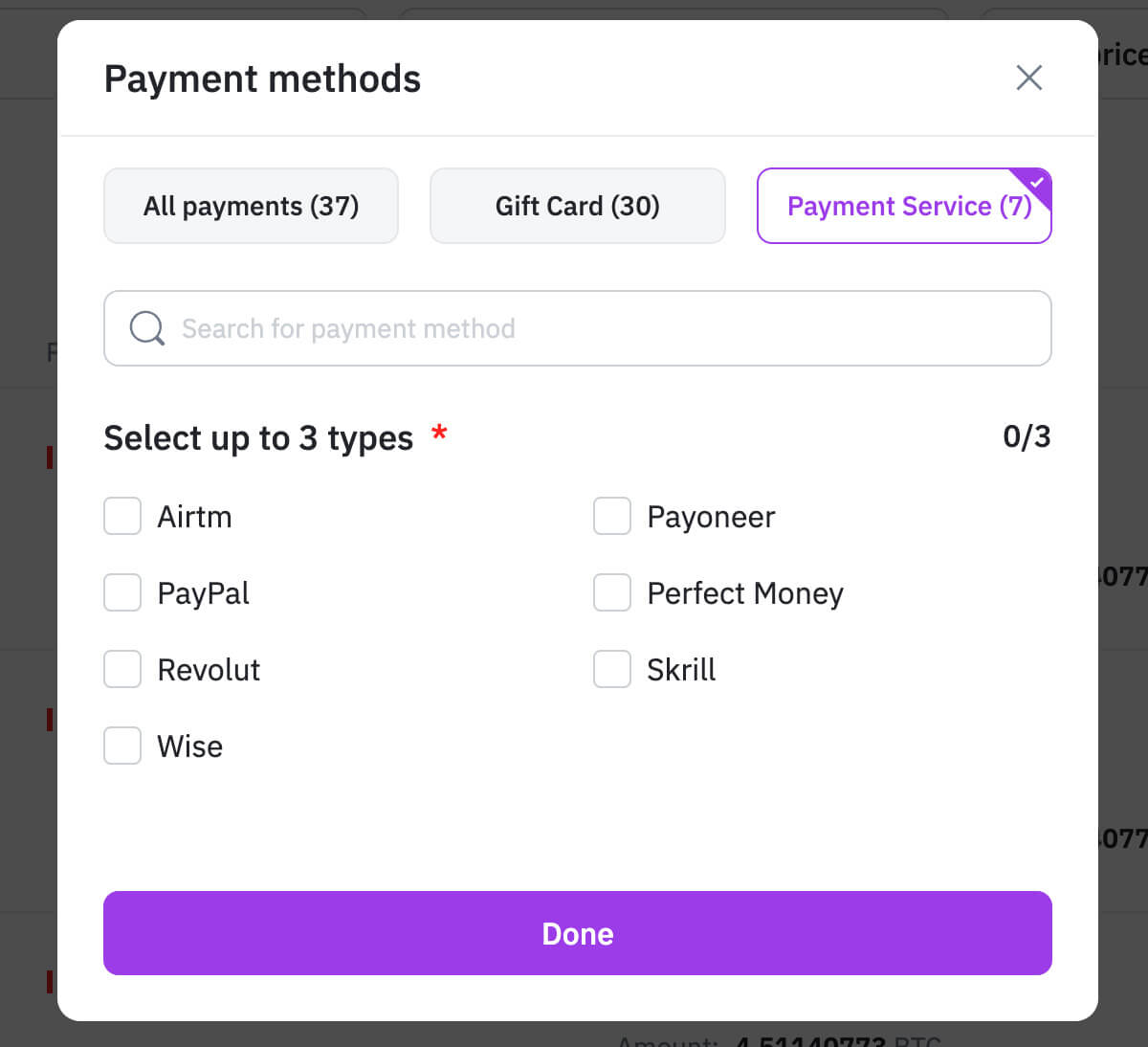
Asset breadth determines your addressable market. A P2P crypto exchange script supporting only BTC captures a fraction of the audience compared to one supporting BTC, ETH, USDT, USDC, BNB, and regional stablecoins. Fiat support is equally important: each payment method (bank transfer, mobile money, PayPal, gift cards, cash deposit) requires its own verification flow and dispute evidence requirements.
In emerging markets — the primary growth region for P2P in 2026 — mobile money support (M-Pesa, MTN Mobile Money, GCash) is often more important than bank transfer support. Prioritize payment methods by your target geography, not by what's easiest to integrate.
Dispute Management & Support Tools
Dispute resolution quality is what separates platforms users trust from platforms they try once and abandon. Every P2P exchange script should include: structured evidence submission (screenshots, payment receipts, transaction references), configurable response windows for both parties, admin review interface with decision logging, and outcome enforcement linked to the escrow release mechanism.
The escalation path matters as much as the resolution tools — automated reminders when trades approach the window expiry reduce dispute initiation rates by 20-30% in production deployments by prompting traders to communicate before things escalate.
Mobile-First Interface
Over 60% of crypto trading volume in emerging markets — the primary audience for P2P platforms — happens on mobile devices. A P2P crypto exchange script with a desktop-first interface that's been 'made responsive' will leak users at every friction point: trade initiation flow, payment method selection, and real-time escrow status updates. Mobile-first means designing the core trade flow for thumb navigation and small screens first, then adapting for desktop — not the reverse.
Push notification integration for trade status changes is the single feature that most reduces trade abandonment rates on mobile P2P platforms.
Modular & Extensible Codebase
The P2P exchange script you launch with and the platform you operate at 100,000 users will look different — if your codebase allows it. Modular architecture means you can add a new payment method integration without touching the escrow logic, update the KYC provider without rewriting the user management system, and add a new blockchain without modifying the trade matching engine.
Source code delivery with documented module boundaries is the practical test: if a new developer can understand where payment method logic ends and dispute resolution logic begins without reading 50,000 lines of undocumented code, the architecture is modular. If not, it's a monolith dressed as a script.
Popular P2P Crypto Exchange Clone Scripts in 2026
A P2P exchange clone script replicates the proven architecture of an existing P2P exchange — adapted to your branding, payment methods, and target market. The advantage: you start from a model that already has product-market fit and millions of users, rather than designing trade flow UX from first principles. Here are the most commonly requested P2P crypto exchange clone scripts:
Paxful Clone Script
A Paxful clone script replicates the ad-based P2P trading model that made Paxful one of the world's largest P2P exchanges before its shutdown in 2023. The Paxful model: sellers post buy/sell ads with their preferred price, payment method, and trade limits; buyers browse ads and initiate trades against specific offers. The platform uses escrow to lock seller's crypto on trade acceptance. Key components in a Paxful-style P2P crypto exchange script: ad management system, 300+ payment method support, trader reputation and feedback system, real-time escrow, dispute resolution with evidence submission, and a two-sided dashboard for buyers and sellers.
Best for: Markets with high payment method diversity (Africa, Southeast Asia, Latin America). Founders targeting underbanked users who rely on cash deposits, mobile money, or gift cards.
Typical cost: $20,000–$50,000 for a white-label Paxful-style script with customization.
LocalBitcoins Clone Script
A LocalBitcoins clone script replicates the peer-to-peer Bitcoin marketplace that ran from 2012 until its closure in 2023. LocalBitcoins pioneered the ad-based P2P model — users post offers to buy or sell Bitcoin, agree terms privately via in-platform chat, and use escrow for security. The LocalBitcoins architecture is simpler than Paxful's (Bitcoin-only originally, fewer payment method categories) making it a faster-to-customize base for founders who want a clean, proven P2P foundation without Paxful's complexity.
Best for: Bitcoin-focused P2P platforms, privacy-conscious users, markets where Bitcoin is the primary P2P asset.
Typical cost: $15,000–$40,000 for a LocalBitcoins-style script with multi-coin expansion.
Remitano Clone Script
A Remitano clone script replicates Remitano's escrow-based P2P model which is particularly dominant in Vietnam, Nigeria, and Kenya. Remitano's differentiator: a faster, more structured trade flow with 15-minute payment windows (vs Paxful's more flexible approach) and strong regional payment method integration. A Remitano-style P2P crypto exchange script is well-suited for markets where traders value speed and predictability over payment method breadth.
Best for: Southeast Asia and West Africa markets. Founders who want a faster, more structured trade flow than Paxful's ad-heavy model.
Typical cost: $20,000–$45,000 for a Remitano-style script with regional payment integration.
WazirX-Style P2P Script
A WazirX-style P2P exchange script replicates the P2P fiat on-ramp layer that WazirX pioneered for the Indian market — P2P for fiat deposit/withdrawal combined with a standard CEX for actual crypto trading. This hybrid model is increasingly used by centralized exchanges that want to offer P2P fiat rails without operating a full P2P marketplace. The P2P component handles INR/local currency on-ramps; the CEX handles crypto-to-crypto trading.
Best for: Exchanges adding P2P fiat rails as a complement to existing CEX functionality. Markets with regulatory sensitivity around direct crypto-to-fiat conversion.
White Label vs Custom Development: Which Approach Fits Your Vision?
One of the biggest decisions you’ll make is whether to build your crypto exchange from scratch or start with a white label P2P crypto exchange script. Both paths can lead to a successful platform — but they come with very different timelines, budgets, and levels of control.
Let’s break it down honestly.
Custom Development: Full Freedom, Full Responsibility
If you have a big vision, deep pockets, and time to build — going custom might be the right call. You get complete control over the architecture, interface, integrations, and features.
Expect 6–12 months of development, a large dev team, security audits, UI/UX design from scratch, and lots of testing. You’ll end up with something unique — but the road is long, expensive, and full of technical pitfalls if your team isn’t crypto-savvy.
White Label Script: Fast Launch, Focused Investment
A white label P2P crypto exchange script gives you a ready-to-use engine, already tested in real-world conditions. You save months of development, avoid reinventing core features, and can launch with a lean team. Most importantly, you start focusing on growth instead of backend development.
- Customizable design?
- Add/remove features?
- Localize for your market?
The only thing you sacrifice is total architectural control — but for 80% of projects, that’s not a deal-breaker.
Hybrid Strategy: Start Lean, Scale Smart
The hybrid approach is how most successful P2P platforms actually launch in 2026. Start with a white-label P2P crypto exchange script to validate product-market fit, build a user base, and generate initial fee revenue. Once you know which payment methods dominate your market, which dispute types are most common, and what features your traders actually request — invest in targeted custom development of those specific components.
You don't rebuild the entire platform; you replace the parts that are constraining growth with custom-built alternatives. This approach delivers to production 4-6 months faster than full custom development while preserving the path to a fully differentiated platform.
| Factor | White Label P2P Script | Custom P2P Development |
| Time to launch | 4–10 weeks | 6–12 months |
| Cost | $15,000–$60,000 | $60,000–$200,000+ |
| Source code ownership | Full (Merehead model) | Full |
| Architectural control | Moderate — customizable | Complete |
| Clone model available | Yes (Paxful, LocalBitcoins) | Any model designed from scratch |
| Vendor dependency | None (source delivered) | None |
| Best for | Market validation, fast entry | Unique requirements, scale |
How Much Does a P2P Crypto Exchange Script Cost in 2026?
Let’s talk numbers — because whether you’re bootstrapping or backed by investors, budget matters. The good news? You don’t need a six-figure tech budget to launch a solid P2P exchange in 2026.
What You’re Paying For
A P2P crypto exchange script isn’t just a bunch of code. You’re buying:
- a working trade engine
- integrated escrow logic
- user management & KYC modules
- admin panel
- security systems
- and often — responsive UI/UX templates
You’re essentially getting the backbone of a live crypto platform — one that’s already been built, tested, and optimized.
Typical Cost Ranges
| Type of Platform | Description | Estimated Cost (USD) |
| Basic | Clean UI, escrow, BTC/ETH support, simple KYC | $15,000 – $25,000 |
| Mid-tier | Multiple coins, fiat on-ramps, custom branding, analytics | $30,000 – $50,000 |
| Advanced | Full customization, high liquidity tools, global fiat, layered security | $60,000 – $100,000+ |
These are ballpark figures. The real price depends on how far you want to go with customization, what features you add, and which provider you choose.
One-Time Fee vs Subscription
Some providers offer a one-time license (you buy it, it’s yours). Others work on a SaaS model — monthly or annual payments with hosting, updates, and support included.
There’s no “better” option — it depends on whether you want full ownership or prefer to offload infrastructure headaches.
Hidden Costs to Watch Out For
- Third-party KYC providers
- Cloud hosting or dedicated server infrastructure
- Security audits (especially if you modify the core)
- Legal & compliance support in your country
The real question isn’t “how much does it cost?”
It’s: how much time, risk, and money do you save by not building everything from scratch?
A well-chosen script lets you focus on growth — not development debt.
Choosing the Right P2P Crypto Exchange Script Provider in 2026
The market is full of promises. One script claims to be “the fastest,” another claims to be “battle-tested,” and all of them look great in demo mode. But the truth? A lot of them break when it matters most — during real trades, with real users, in real time.
That’s why the provider behind the script matters as much as the script itself.
You’re not just buying code. You’re buying:
- Their logic
- Their experience
- Their ability to fix things fast
- Their understanding of your goals
So — who’s worth trusting?
What to Look For:
- Have they launched real platforms, or just demos?
- Do they understand compliance, or just buzzwords?
- Can they support you when you grow — or will they vanish after handoff?
Names to Know in 2026:
- Merehead – A solid blend of product thinking, technical depth, and human support. Known for flexibility and real-world results. (Yes, that’s us — and we’re proud of the work we’ve done.)
- HashCash Consultants – Strong if you’re building a corporate/institutional platform and have the budget for it.
- AlphaPoint – Enterprise-grade, high-security systems with a steeper learning curve and price point.
- HollaEx, OpenDAX, Coinsclone – Good for testing ideas, but may lack long-term support or flexibility.
Here’s the thing: You don’t need a flashy UI.
You need a partner who understands the engine under the hood — and can help you drive it.
Why Build Your P2P Exchange with Merehead?
Starting a P2P exchange is never just about code. It’s about trust.
You’re creating a system where people will send real money to strangers on the internet — and expect things to just work. That takes more than clean UI or blockchain buzzwords. It takes good logic, battle-tested decisions, and a team that actually cares what happens after launch.
At Merehead, we’ve been building crypto products for years — not because it’s trendy, but because we understand how complex and fragile this space really is. We’ve helped launch platforms that started as simple MVPs and grew into real businesses. Some clients came to us with a whiteboard sketch. Others brought a failed product from a different dev team and asked us to rescue it. We’ve seen both sides.
The P2P crypto exchange script we offer wasn’t designed to “sell”. It came from dozens of real-world projects, where time was short, budgets were tight, and failure wasn’t an option. Over time, we took the parts that worked — the escrow logic, the trading flow, the admin tools — and turned them into something solid, flexible, and ready to build on. Not as a plug-and-play shortcut, but as a reliable foundation.
What really sets us apart, though, isn’t the tech. It’s how we work with clients. You won’t be handed off to some anonymous project manager. You’ll talk to the same people who write the code, fix the bugs, and help you figure out what to launch — and what to skip. We ask a lot of questions. We push back when needed. Because we’d rather help you build the right thing than blindly build the wrong one.
If you want to move fast, test your product, and stay grounded in what matters — we’re probably a good fit. And if you’re looking for a long-term team that treats your exchange like it actually matters, not just another job ticket — we’d be glad to talk.
Ready to Launch? Let’s Talk.
You don’t need to have it all figured out.
You might still be shaping your idea, comparing models, or trying to decide whether to go white label or custom. That’s completely fine.
We’ve worked with clients at every stage — from napkin sketches to post-launch scaling.
What matters most isn’t where you are right now — it’s where you want to go, and how carefully you want to get there.
If you’re thinking about launching a P2P exchange and want to talk to someone who’s built them before — without the pitch, the pressure, or the fluff — we’re here.
Let’s see if we’re a good fit.
FAQ: P2P Crypto Exchange Script
A P2P crypto exchange script is pre-built, ready-to-deploy software for launching a peer-to-peer cryptocurrency trading platform. It includes the core components of a P2P exchange: escrow engine, trade matching, user reputation system, dispute resolution tools, KYC/AML pipeline, admin panel, and payment method integrations. A script compresses the launch timeline from 6-12 months (custom build) to 4-10 weeks. Two types exist: clone scripts that replicate specific platforms (Paxful, LocalBitcoins, Remitano) and white-label scripts that are platform-agnostic and fully customizable under your own brand.
A P2P exchange script costs $15,000–$100,000+ depending on scope. Basic white-label with escrow, BTC/ETH support, and simple KYC: $15,000–$25,000. Mid-tier with multiple payment methods, custom branding, and analytics: $30,000–$50,000. Advanced with full customization, high-security architecture, and regional fiat integration: $60,000–$100,000+. Hidden costs to budget separately: KYC provider fees ($0.50–$2/verification), security audit ($5,000–$15,000), cloud infrastructure ($500–$2,000/month), and dispute resolution admin tooling if not included.
Both are P2P crypto exchange clone scripts using an ad-based model where sellers post offers and buyers accept them. The key differences: Paxful supported 350+ payment methods globally (gift cards, mobile money, bank transfer, cash) — making it more complex to clone but with broader market coverage. LocalBitcoins was simpler (originally Bitcoin-only, fewer payment categories) — making it faster to adapt. Paxful-style scripts suit founders targeting payment method diversity in emerging markets. LocalBitcoins-style scripts suit founders who want a simpler, faster-to-launch Bitcoin-focused P2P base that they'll expand over time.
It depends on the provider. Commodity P2P exchange scripts from Indian dev shops usually include source code — often poorly documented PHP or Node.js. White-label SaaS platforms may not provide source code, creating vendor dependency. With Merehead, full source code delivery is standard — all backend services, frontend code, and deployment scripts. No licensing fees, no vendor lock-in, and no dependency on Merehead's infrastructure after launch. Source code ownership is the most important factor when evaluating any P2P crypto exchange script for a production business.
A white-label P2P crypto exchange script can be configured and deployed in 4–10 weeks: 1-2 weeks for configuration and branding, 1-2 weeks for payment method integration and testing, 1-2 weeks for security review, and 1-2 weeks for soft launch and monitoring. Custom P2P development takes 6-12 months. The most commonly underestimated timeline driver: dispute resolution admin tooling and multi-payment method integration both take longer than the core trade flow — especially if you need payment methods beyond standard bank transfer. Define your payment method requirements completely before development starts.