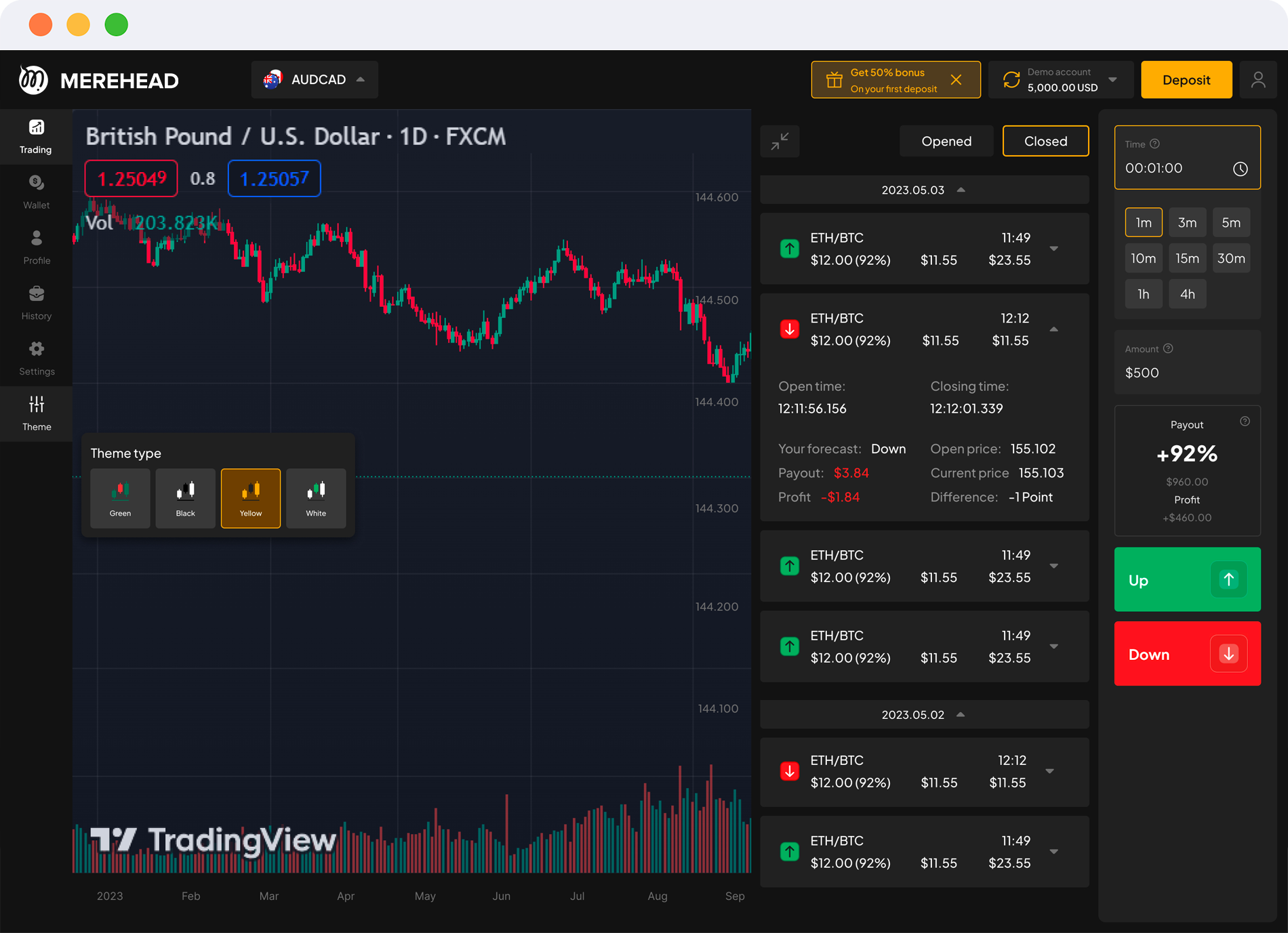
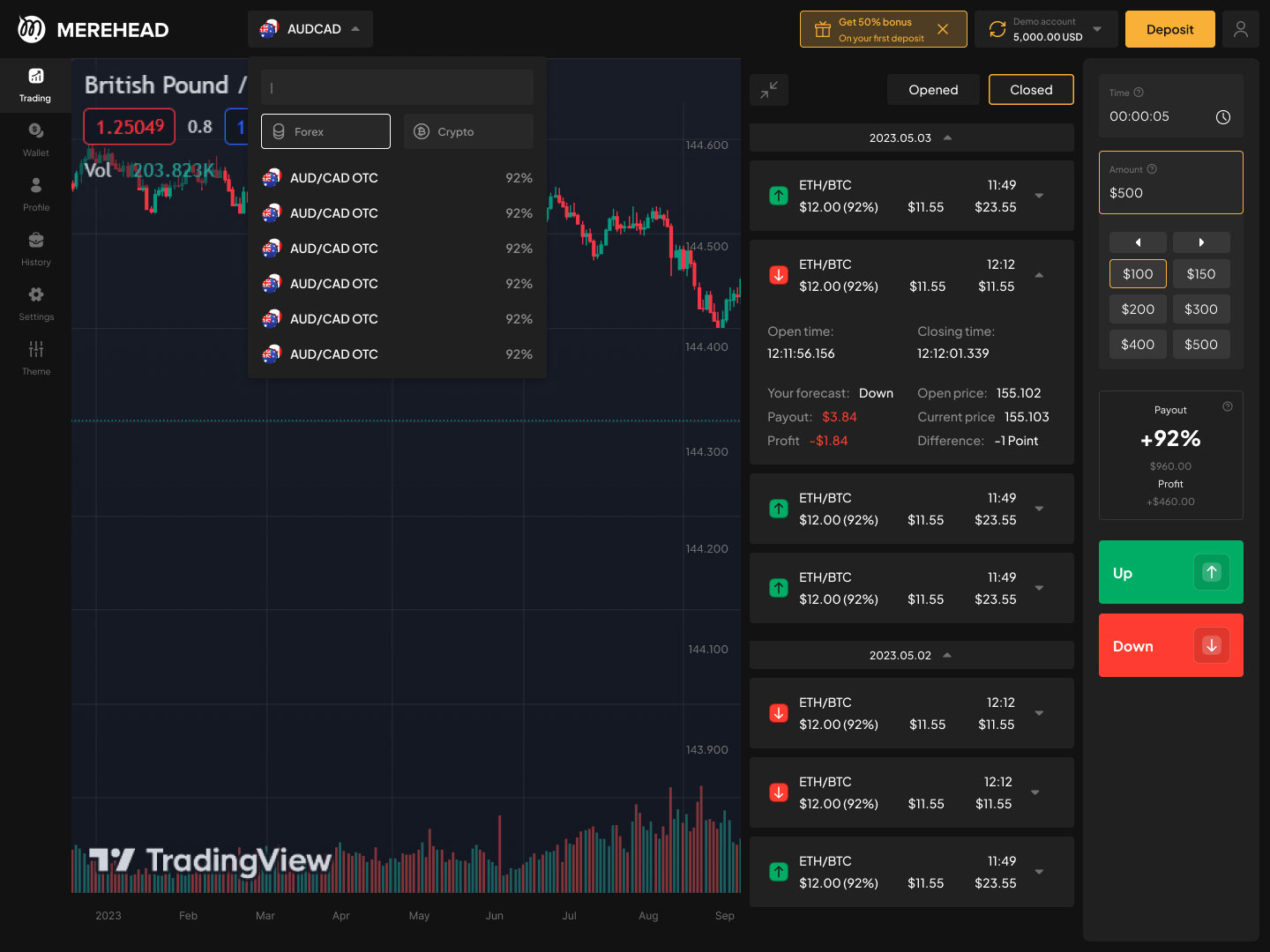
Binary options are one of the most popular financial instruments in the financial world, offering fast and easy ways to make money. However, in order to trade binary options successfully, traders need a reliable and convenient trading platform that provides all the necessary features and tools. In this article, we will take a look at all the aspects you need to know before developing a binary options trading platform.
What are binary options?
Binary options are a very popular financial tool that allows you to make predictions about the price movement of an asset, such as fiat, cryptocurrency, stock or commodity, in a certain period of time. A trader makes a bet on whether the price will be above or below a certain level by a specified time. If the prediction turns out to be correct, he makes a profit; if it is incorrect, he loses his bet. Binary options are known for their simplicity, as you do not have to buy an asset directly, but simply predict the price movement.
To simplify your understanding, here is an example. Let's say you decide to trade binary options on the Bitcoin cryptocurrency. You are offered a 1-hour option with a current Bitcoin price of $40,000. You select the up option and bet that the price of Bitcoin will be above $40,500 in 1 hour. An hour later, the Bitcoin price reaches $40,600, which means your prediction was correct. As a result, you make a profit that can be as much as 80-90% of your original bet. If you don't get your prediction right, you lose your bet.
Binary options have several advantages that make them attractive to traders:
- Simplicity and accessibility. Binary options are a very simple financial instrument which can be understood even by those who are new to trading. They do not require deep knowledge of financial markets or complicated analysis.
- Wide range of assets. Binary options trading offers a fairly large variety of assets to trade, including currencies, stocks, indices and commodities. This allows you to choose the assets that best suit your interests and knowledge.
- Potentially high profits. If the forecast is successful, the trader can get up to 80-90% of his initial bet. This is a great option for traders wishing to get a high return on their investment.
- Limited Risks. Unlike some other forms of trading where losses can be unlimited, binary options almost always have a fixed potential loss. You know in advance the possible amount you could lose, and it cannot exceed your initial bet. This allows you to manage your risk and control your investment more accurately.
- Quick Results. Binary options have a fixed expiry time, which can range from a few minutes to a few days. You get the result of the trade at a specific point in time, which allows you to quickly assess your profit or loss.

Who This Platform Is For
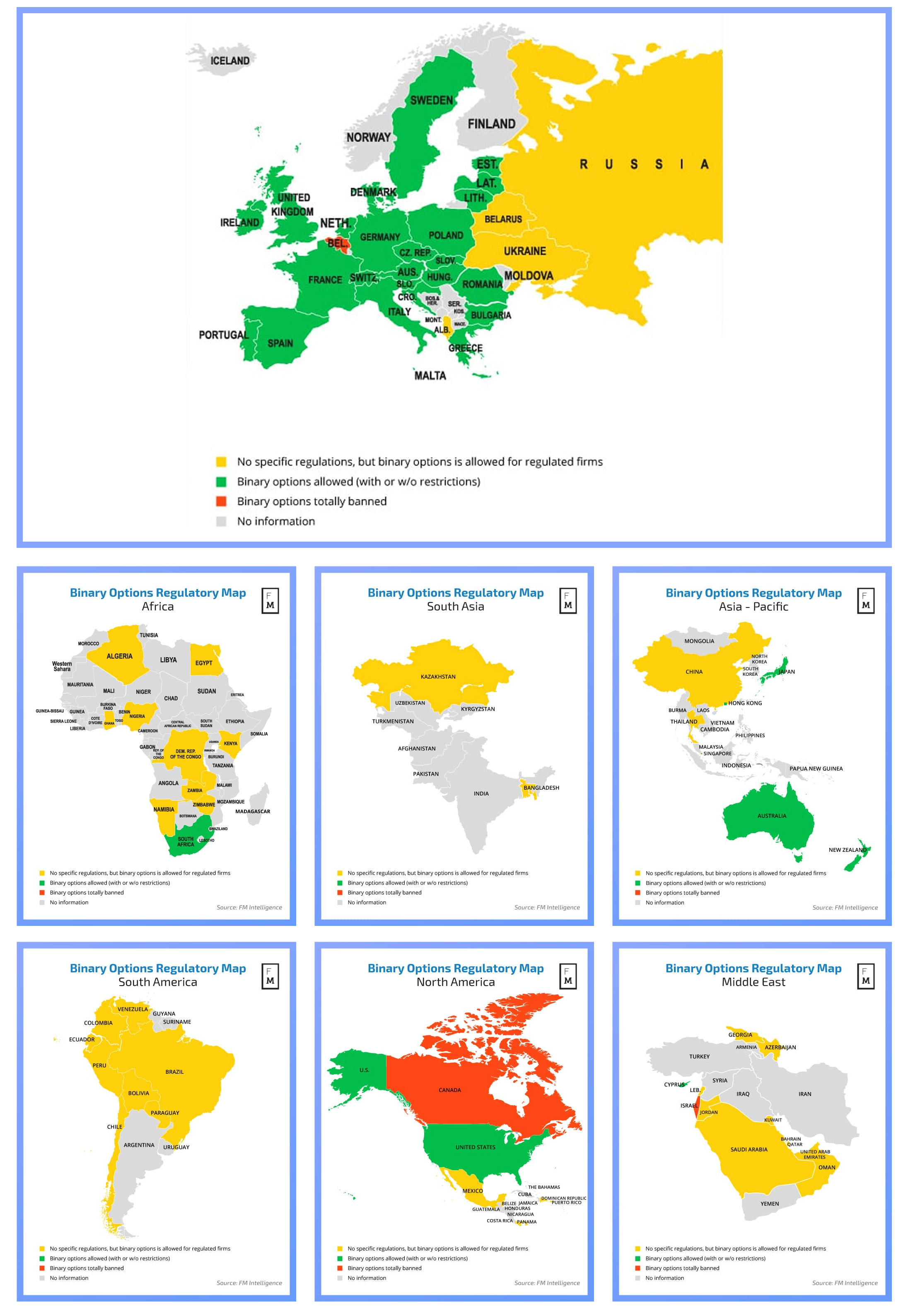
This article addresses white label binary options software for brokers - companies that provide trading services to clients in jurisdictions where binary options operate legally. Binary options are currently restricted for retail traders in the US (CFTC), EU (ESMA), and UK (FCA). Licensed brokers operating in Southeast Asia, Latin America, parts of the Middle East, and offshore-regulated markets (Vanuatu VFSC, Seychelles FSA, Labuan FSA) represent the primary market for white label binary options platforms in 2026.
If you're evaluating a white label solution to launch your brokerage, the jurisdiction question comes before the technology question. We cover both.
Main aspects of white label binary options platform
Launching a white label binary options trading platform requires careful consideration of several key aspects that can greatly affect the development process, logic, functionality and appearance of a future project. Here are some factors to consider when launching such a project.
Legislation and Regulation
The first and probably the most important factor is to understand the legislation and regulatory requirements related to binary options in your country or region. They define the rules and requirements you need to follow when launching and operating such a platform.
Here are some examples of these influences:
- Licensing. Different countries have different requirements for obtaining a special license or registration for the provision of white label binary options trading services. Each regulator has its own requirements for capital, reporting, compliance, customer protection, etc., which you need to consider when developing your platform. The choice of jurisdiction also determines the tax regime, legal protection and availability of markets.
- Compliance with standards. Your platform must meet the quality standards set by regulators and international bodies. For example, you must use encryption, user authentication, protection against DDoS attacks and other security measures.
- Consumer protection. Regulation can contain regulations designed to protect consumer rights, including requirements for data collection, transparency, accessibility, awareness and honesty.
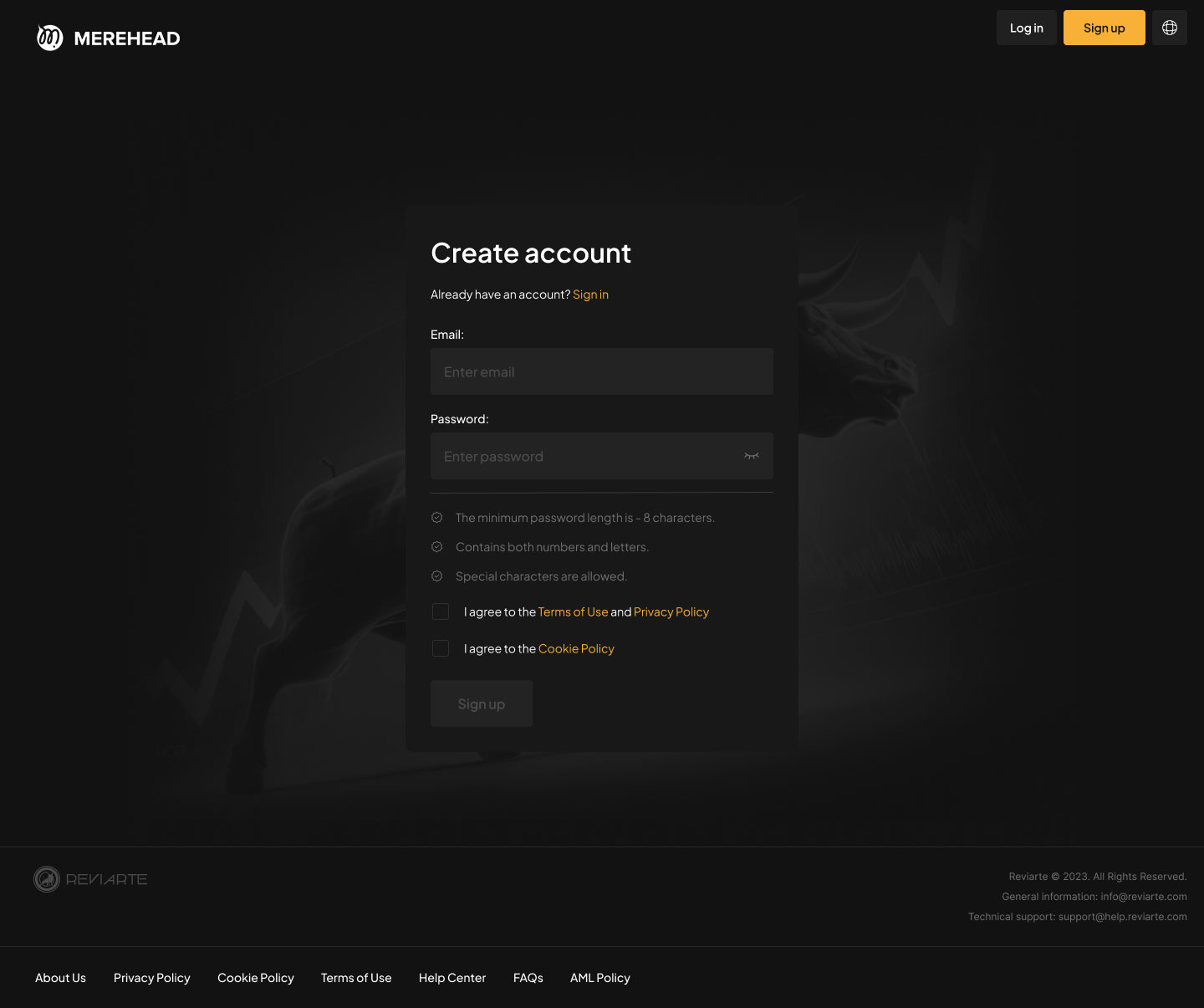
- KYC and AML. Anti-Money Laundering and Anti-Terrorist Financing laws can also affect the development process. You must establish measures to help you prevent the platform from being used for illegal purposes, and implement KYC and AML checks.
Security and Privacy
As your platform will handle financial data and sensitive user data, security and privacy requirements will have a significant impact on the development process and functionality of your platform:
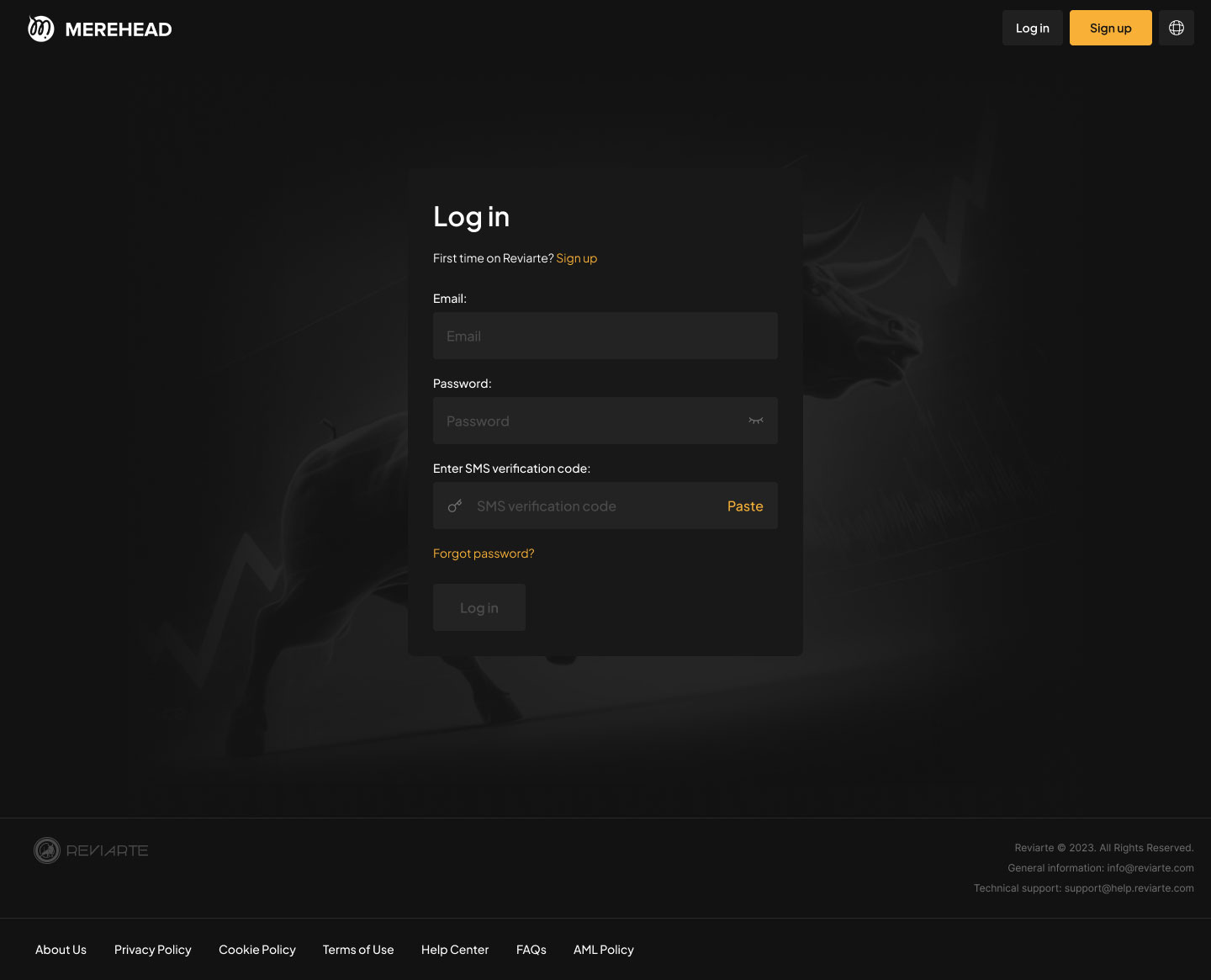
- Authentication. Security requirements may include the need to implement strong trader verification methods. This may require the development of multi-factor authentication, identity verification, use of high complexity passwords, etc.
- Hacking and fraud protection. Your white label binary options trading platform must also be able to detect attempts at unauthorized access, hacking or fraud. This may include implementing measures such as intrusion detection systems (IDS), access control mechanisms, abnormal activity monitoring, protection against DDoS attacks and other security and data protection measures.
- Backup and recovery. The future platform must still have mechanisms for data backup and recovery to minimize the risk of information loss in case of system failures, attacks or other unforeseen events. This requires the design and implementation of appropriate data backup procedures and mechanisms.
- Data encryption. Ensuring high confidentiality of user data, especially financial information, requires the use of strong data encryption at all stages of transmission and storage. This can include SSL/TLS encryption for secure data transmission, storing passwords and other sensitive data in encrypted form, and encrypting data on the server.

Reputation and Trust
Binary options have a reputation and have been associated with unscrupulous practices and fraud in the past. This can create problems in attracting and retaining users. Therefore, you need to pay special attention to establishing transparency, reliability and trust in (on?) your platform.
Here's what you can do to make users trust you:
- Blockchain. Using blockchain technology can provide transparency and reliability to your white label binary options platform. Blockchain can record and store transactions, contracts and other data in an immutable and transparent form. This will allow users to verify and validate payments, transactions and other events, which helps to increase trust.
- Smart contracts. They programmatically set trading rules and conditions, and automatically execute them when predetermined conditions occur. In this case the code of the smart contract is open, which reduces the possibility of manipulations and ensures more reliable execution of transactions.
- Open source code. Developing the entire platform based on open source code will help detect potential vulnerabilities or problems and proves that the platform hides nothing and is trustworthy.
- Auditing. An external, independent audit can validate the platform's compliance with security standards and uncover potential problems. Obtaining security certifications can also give users confidence that their data is secure and protected.

Your Binary Options platform
get a personal technical solution
Contact us
What You Actually Get: Feature Breakdown
| Module |
What's Included |
Notes |
| Binary Options Trading |
Up/Down, Touch/No-Touch, 60s–24h expiry, multi-tab trading, entry point labels, payout configuration per market |
Core module, included in all packages |
| Futures Trading |
Perpetual contracts, up to 100x leverage, isolated margin, real-time P&L, TP/SL, cross-wallet transfers |
Included in Extended package |
| Charts |
TradingView integration (free tier: standard TF, basic indicators) |
Pro upgrade: 1-second TF, cluster charts, real volume oscillator - available as add-on |
| Market Maker |
Synthetic price generation for forex pairs during non-market hours (weekends, holidays), per-pair configuration in admin |
Required for 7-day trading availability |
| Demo Accounts |
Separate demo balance (not real funds, same platform mechanics), demo-to-live conversion flow |
Standard |
| Wallets |
Binary options wallet + futures wallet, internal transfer between wallets |
|
| Payment Gateways |
Perfect Money, NowPayments; crypto deposits (BTC, ETH, TRX, BNB, USDT ERC20/TRC20/BEP20) |
Fiat cards available as custom integration |
| KYC/Verification |
Document upload flow, admin confirmation, IP whitelisting |
SumSub integration available |
| 2FA Security |
Google Authenticator + SMS (Twilio), anti-phishing code |
|
| Affiliate Program |
Partner dashboard (FTD tracking, CTR analytics, revenue share), campaign management, up to 4 offer types, admin oversight |
Separate portal, API-connected |
| Admin Panel |
User management, KYC approval, withdrawal control, fee management, market enable/disable, payout % per market, trading history |
|
| Notifications |
Telegram/Slack operational monitoring, email notifications, admin alerts |
|
| Mobile |
Responsive web platform; native iOS/Android available as add-on |
The Market Maker Module: Why It Matters
Most forex pairs - EURUSD, GBPUSD, USDJPY - don't trade on weekends. Real financial markets are closed Saturday and Sunday. For a binary options platform where traders expect 24/7 access, this creates a problem: your most engaged users hit a dead stop for 48 hours every week.
A market maker engine solves this by generating synthetic price movement for forex pairs during non-market hours. The admin configures parameters per trading pair: movement frequency, volatility range, and directional bias. The system produces price data that follows statistically realistic distributions - not obviously artificial movement that experienced traders would immediately identify as synthetic.
From our development experience
We've built market maker modules configured per-pair directly in the admin panel. The operator can switch any individual pair between live market data and market maker mode independently. A pair can be in live mode during market hours and automatically switch to market maker on weekends - or the operator can leave a pair in market maker mode permanently if the underlying asset has low natural liquidity.
Without a market maker, forex pairs on your platform are effectively unavailable for two out of seven days. For a binary options business model that depends on trading volume and user retention, that's a meaningful revenue gap. Crypto pairs trade continuously and don't need this - but any platform serious about forex coverage should include it from day one.
Merehead software
White Label Binary Options
A ready-made solution with a wide range of functions. Software that can be installed in a couple of days. Launch your online trading platform!
Gallery
Start with us
Affiliate Program: More Than a Referral Link
The affiliate channel is typically the primary user acquisition method for binary options brokers - since major ad platforms (Google, Facebook, Meta) restrict binary options advertising directly. Your affiliate program quality directly determines your ability to attract professional traffic partners.
Most white label solutions include a basic referral system: a unique link, a deposit percentage, and a simple dashboard. That's sufficient for casual referrals but insufficient for professional affiliates who manage traffic at scale.
What a professional affiliate system includes:
- Separate partner portal (independent registration, login, and dashboard - not buried inside the trading platform)
- Campaign management: partners create named campaigns with specific offer types
- Four offer types: revenue share (%), CPA per FTD, deposit percentage, hybrid
- Granular analytics: daily visitors > registrations > FTD conversion rate > total deposits > revenue earned
- CTR tracking per campaign for traffic source optimization
- Promo code management
- Wallet with multi-currency withdrawal support (BTC, ETH, TRX, BNB, USDT)
- Admin panel: full oversight of all partner accounts, user attribution, payout approval
From our affiliate system builds
We've developed affiliate platforms that function as entirely separate products - their own domain, their own user base, connected to the trading platform via API. A professional affiliate who drives 50–200 FTDs per month needs to know their conversion rate by traffic source, their revenue per user cohort, and their pending balance in real time. If your affiliate dashboard can't show them this data, they'll work with a competitor that can.
The affiliate system in our white label is the component that most brokers underestimate at launch and scramble to rebuild at month three.
2-Week Deployment: What It Actually Looks Like
The fastest binary options white label deployment we've executed - from contract signing to a live platform with real users - took under two weeks.
Here's what that timeline covers:
Days 1–2: Server provisioning and environment setup. Deploy the platform to a dedicated VPS, configure SSL, set up database instances, configure services (Redis, message queue, monitoring).
Days 2–4: Domain and branding. Connect client domain with proper DNS configuration. Apply logo, color scheme, typography. Configure platform language settings.
Days 4–6: API key rotation. Update all third-party service credentials: payment processor (Perfect Money, NowPayments), SMS provider (Twilio), email service, trading data feed, TradingView credentials. Test each integration.
Days 6–8: Admin configuration. Set withdrawal limits per payment method, configure trading pairs (enable/disable, set payout percentages), create admin accounts with appropriate permission levels.
Days 8–10: QA and smoke testing. Run end-to-end tests on critical flows: registration → KYC → deposit → trade → withdrawal. Verify all notifications (email, SMS, admin alerts). Test on mobile browsers.
Days 10–14: Buffer for fixes, additional configuration adjustments, and client review.
What makes this possible: the underlying platform has been in production across multiple deployments. There are no untested trading mechanics, no unknown edge cases in the payout logic, no first-time integrations. Every element has been through real user traffic. We're configuring a proven system, not building one.
A new client paying for a 2-week deployment is paying for configuration, years of engineering they don't have to do, and a trading logic with zero known bugs. Their cost is 70–80% lower than building from scratch. Their time to first revenue is weeks, not months.
Merehead vs Other White Label Binary Options Providers
|
Merehead |
SaaS Provider (e.g., Quadcode) |
Custom Dev Agency |
| Model |
White label of own production system |
SaaS monthly license |
Build from scratch |
| Deployment |
2–10 weeks |
2–4 weeks |
4–6 months |
| Ownership |
Full - your server, your code |
Platform rented, no source code |
Full |
| Monthly fee |
Infrastructure only ($1.5K–$4K) |
Platform license + infrastructure ($5K–$15K+/mo) |
Infrastructure only |
| Customization |
High - your server, modify as needed |
Limited to provider's roadmap |
Unlimited |
| Source code |
Yes (on request) |
No |
Yes |
| Market maker |
Included |
Depends on plan |
Custom scope |
| Affiliate system |
Full FTD analytics included |
Basic / add-on |
Custom scope |
| Futures module |
Available (up to 100x) |
Limited |
Custom scope |
| Production track record |
Yes - 10+ years, multiple live platforms |
Yes - established SaaS |
Depends on agency |
The core difference between a white label from a development company like Merehead versus a SaaS provider: you own the infrastructure. With SaaS providers, you're renting the platform — your business depends on their uptime, their pricing changes, and their feature roadmap. With our white label, the platform runs on your server with your configuration. Monthly fees cover infrastructure and support, not a platform license.
This distinction matters more as your platform grows. At $50K/month trading volume, the fee difference is manageable. At $500K/month, it isn't.
How regulation affects the development of a white label binary options platform?
Regulation has a significant impact on the development of a
white label trading platform, as it defines the requirements and regulations that must be met. Developers must take all of these regulations into consideration to ensure that the platform is compliant with the law and functioning reliably. Otherwise, the project will be shut down and its owner fined.
In the context of reputation and trust, the rating of the platform plays an important role, which is formed by taking into account the assessment on several important criteria. According to Forexbrokers' expert data, broker rating is compiled on the basis of such variables as:
- term of activity;
- peculiarities of the corporate structure;
- number of licenses;
- overall expert evaluation.
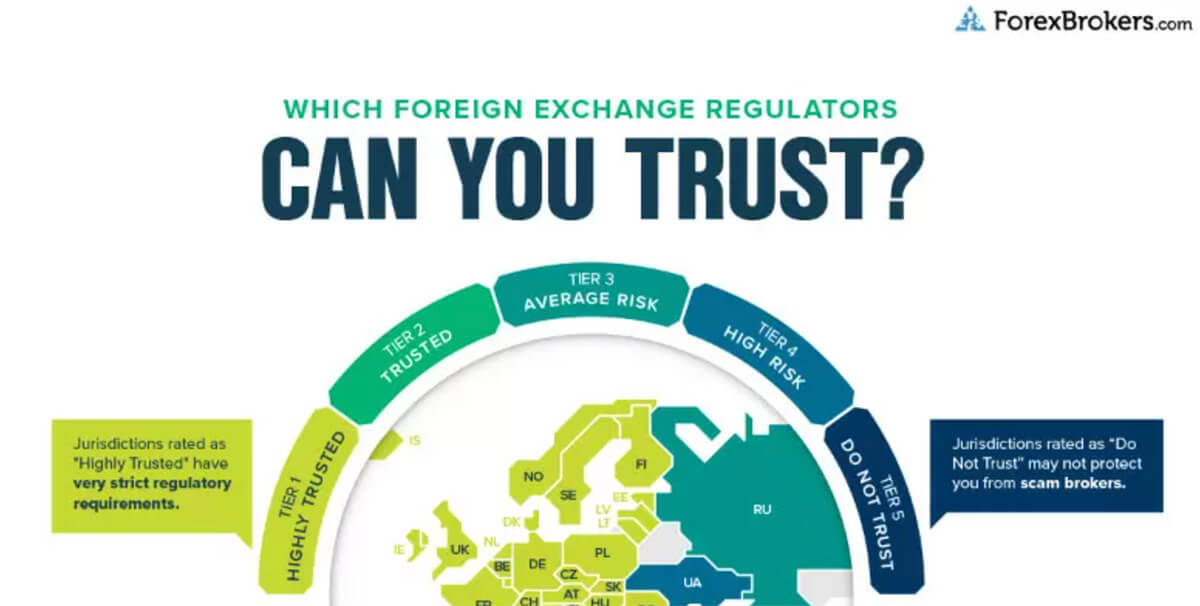
Licensing is the most important among the variables listed, and all jurisdictions can be divided into importance groups. For example, accountability to the CFTC for providing services in the US market would be a strong and meaningful argument compared to having registration with the FSCA (South Africa).
- Tier 1 (top) jurisdictions include: ASIC (Australia), CIRO (Canada), MiFID (Europe), SFC (Hong Kong), JFSA (Japan), MAS (Singapore), FMA (New Zealand), FINMA (Switzerland), FCA (UK), CFTC (US).
- Tier 2 (European) jurisdictions include: FMA (Austria), FSC (Bulgaria), HANFA (Croatia), CySEC (Cyprus), ChNB (Czech Republic), DFSA (Denmark), FSA (Estonia), FIN-FSA (Finland), AMF (France), BaFIN (Germany), HCMC (Greece), CBI (Ireland), CONSOB (Italy), FKTK (Latvia), CSSF (Luxembourg), MFSA (Malta), FI (Sweden).
- Tier 3 (trusted) jurisdictions include: CVM (Brazil), CBRC (China), SEBI (India), OJK (Indonesia), ISA (Israel), JSC (Jordan), SCM (Malaysia), SAMA (Saudi Arabia), FSCA (South Africa), DFSA (UAE).
- Tier 4 and 5 (risky) jurisdictions include regulators in Latin America, Central Asia and various island states.
The higher the rating, the better, hence the more stable the reputation of your platform.
Binary Options in the United States
The regulation of binary options in the United States is carried out by the Commodity Futures Trading Commission (CFTC) and the Securities and Exchange Commission (SEC). Providing clients with this financial instrument implies compulsory licensing and compliance with rather strict regulations. However, if the platform gets all the permits, traders will be able to trade binary options in the USA on their own accounts without intermediaries.
Here are the main requirements that platforms offering white label binary options trading in the USA to their users must comply with:
- Platforms must be registered with the CFTC.
- Platforms must be members of the National Futures Dealers Association (NFA) and comply with its standards, regulations and requirements.
- Platforms must provide traders with complete and honest information about risks, rewards and trading conditions.
- Platforms must provide fair and transparent trade execution and protection against price manipulation and fraud.
- Platforms must maintain records and reports of all binary options transactions and make them available to the CFTC upon request.
Binary Options in Canada
Binary options are illegal in Canada. The Canadian authorities banned binary options at the legislative level in 2017 and urged investors to avoid unreliable platforms. That's why there are now no brokers or platforms in Canada that are licensed to provide white label binary options trading services. However, Canadians can trade binary options through foreign brokers that operate in other jurisdictions.
Thus, if you want to set up a binary options software that would offer its products to Canadians, you must register it in another country - such as the US, Malta, Cyprus, the UK or Australia. However, you must keep in mind that registering in another country does not exempt you from complying with Canadian laws and does not protect you from possible sanctions from the Canadian authorities. Therefore, you must be honest and transparent with your potential customers and warn them about the risks and prohibitions associated with binary options in Canada.
Binary Options in Europe
Binary options are legal in Europe, but with some restrictions. In 2018, the European Securities and Markets Authority (ESMA) banned the sale of white label binary options to EU retail traders. This means that only professional traders and investors can trade binary options in Europe. And European traders must choose brokers that are regulated within the EU and comply with the MiFID2 directive.
MiFID2 is an EU directive that regulates financial instrument markets and sets common standards to protect investors, increase transparency and/or reduce risk. It entered into force in 2018 and empowers the European Securities and Markets Authority (ESMA) and national competent authorities (NCA) to temporarily prohibit or restrict the sale, distribution and marketing of certain financial instruments or services if they pose a threat to investors or the public interest.
What requirements does MiFID2 impose on white label binary options platforms:
- Platforms must be authorized to provide financial instrument trading services and comply with rules of organization, risk management, customer protection and anti-fraud.
- Platforms must provide complete and honest information about the characteristics, risks and rewards of white label binary options, as well as their trading policies, order execution methods and conflicts of interest.
- Platforms must keep records and reports of all binary options transactions and make them available to the national competent authorities (NCA) and the European Securities and Markets Authority (ESMA) upon request.
- Platforms must synchronize their clocks with Coordinated Universal Time (UTC) and ensure accuracy of transaction times within 100 microseconds for stocks and 1 millisecond for other instruments.
- Platforms must comply with market transparency rules and disclose information about binary options prices, volumes and liquidity before and after trading.
How to create and launch your own binary options trading platform
Launching your own trading platform for binary trading is a complex process. It consists of several stages.
Documentation and choice of jurisdiction
And it starts with legal registration. At this stage, it is important to carry out the following key actions:
- Select the appropriate jurisdiction based on your geography of service delivery and target audience;
- Collect and prepare a complete set of documents for filing;
- Negotiate with regulatory authorities and obtain the appropriate authorization to conduct your business.
The cost of legal registration can be from 2000 to 300000 dollars, as well as the specifics of the stated terms of cooperation. At the same time, you as a business owner can execute your own license from scratch or open a company under the patronage of companies operating in the market.
At the stage of platform development, our experts will provide you with advice and recommendations on how to properly and legally start the ready-made platform for binary options.
Opening a banking account
This is the second important step in the planning of launching the product. It is recommended to open an international account with an American or European bank. It favors your reputation and guarantees a high degree of financial security.
Opening an account in an international bank is estimated at 3000-30000 dollars and the procedures can take up to 30 days.
Platform development and launching
Entrust the development of your binary options platform to our experts. We
create a Binary Options platform, taking into account all the client's requests and the specifics of the industry itself. As a result, you get a unique, functional and technological product that is comfortable and safe to use.
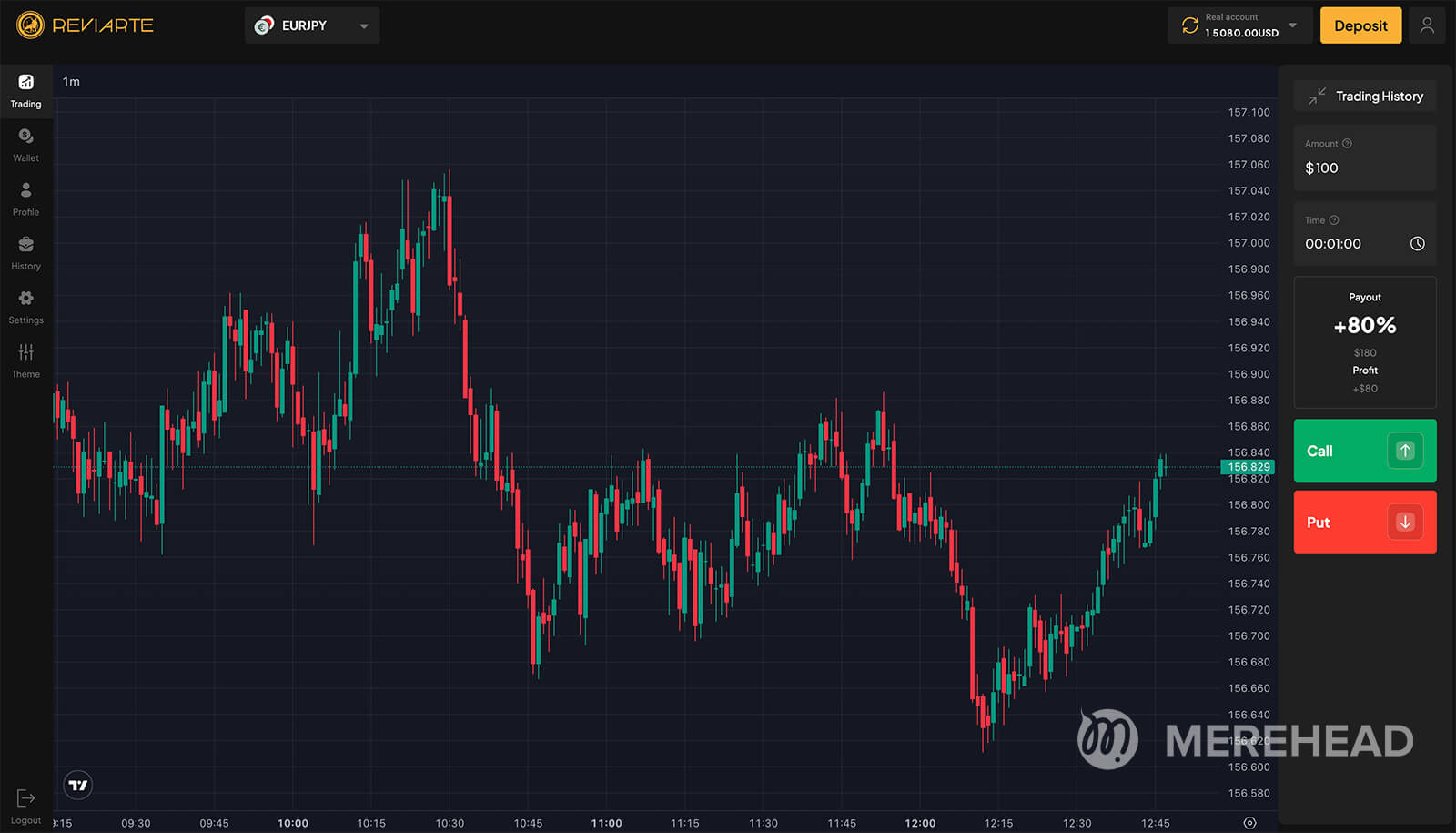
We offer two options for platform development:
- on the basis of a template - there is a ready basis, which is improved and adjusted to your needs;
- from scratch - development of the platform with individual design, functionality and author's algorithms.
Both options are profitable and successful, and we offer our clients:
- a convenient, clear and concise interface with useful options and tools;
- full functionality for organizing productive trading;
- connection of all modern payment systems and technologies to ensure full-fledged operation of the platform.
Opening a physical office
Although this stage is not obligatory, it is recommended. It is sufficient to start with a staff of 3 employees and assign them the appropriate functions (management, marketing and technical support). Major expenses include renovation of the premises and interior design, design of outdoor advertising, providing the office with equipment, salaries and related expenses to maintain the office.
Binary Options White Label: Cost & Timeline Breakdown
| Package |
What's Included |
Timeline |
Starting Cost |
| Rapid Deploy |
Branding only (logo, colors, domain), existing feature set, payment gateway keys update |
Up to 2 weeks |
From $15,000 |
| Standard White Label |
Branding + payment gateways (Perfect Money, NowPayments, crypto), markets config, KYC setup |
4–6 weeks |
From $30,000 |
| Extended White Label |
Standard + affiliate program, futures module (up to 100x), TradingView Pro charts, market maker for weekends |
6–10 weeks |
From $60,000 |
| Custom Development |
Full custom architecture, unique features, individual design |
3–5 months |
From $80,000 |
Ongoing infrastructure: $1,500–$4,000/month (server, support, updates)
Find out
how much it
costs to develop
Binary Options platform
Share your requirements with our Solutions Architect — we'll send back a per-module hour breakdown within 48 hours, at no cost.
Request an estimate
Conclusions
Developing a platform for white label binary options trading is a complex and responsible process that requires consideration of many factors. First, it is necessary to research carefully and comply with legal and regulatory requirements related to binary options trading in various jurisdictions. Secondly, it is necessary to ensure the stability and the security of trading process. Finally, you need to pay attention to enhancing your reputation by establishing transparency and reliability in the platform to attract and retain users.
Only then you will be able to create a product that satisfies users' demands and helps to build a profitable binary options business.