A Remitano clone script is a ready-made software solution that replicates the core functionality of the Remitano P2P cryptocurrency exchange — including an escrow system, order book, KYC/AML verification, and multi-payment gateway support.
It allows entrepreneurs to launch a peer-to-peer crypto trading platform without building from scratch.
- White label scripts can go live in 1–2 weeks at low-to-medium cost — best for MVPs and market validation
- Open source solutions offer full code access but require in-house crypto dev expertise and a mandatory security audit
- Custom development takes 3–6 months and costs $30,000–$100,000+, but delivers full IP ownership and regulatory customization
- Core features include: smart contract escrow, real-time matching engine, multi-chain wallet support, KYC/AML integration, and an admin panel with fee controls
- Primary revenue streams: transaction fees (~1%), withdrawal fees, premium tiers, and white-label licensing
Why Remitano Became the P2P Benchmark
Remitano established itself as a reference-class P2P crypto exchange primarily because it solved three things simultaneously: a trustworthy escrow layer, regional payment method flexibility, and a reputation system that works without centralized ID verification in markets where that matters. The result was a platform that dominated emerging markets in Africa and Southeast Asia while globally recognized platforms were still ignoring those regions entirely.
What differentiates Remitano architecturally is that it does not custody large user fund reserves the way a centralized exchange does. Crypto is locked in escrow only for the duration of a specific trade. This single design choice eliminated the most common attack surface of crypto platforms — the honey-pot custodial wallet. For entrepreneurs building a Remitano clone script, this escrow-first architecture is not optional: it is the core value proposition that drives user trust.
The most dangerous assumption when building a P2P exchange is that escrow is just a wallet with a timer. In production, escrow is a state machine — it must handle dispute initiation, timeout resolution, partial release, and AML holds as distinct, auditable transitions. Conflating them into a single "hold" function is how platforms get exploited.
 Yuri MusienkoBusiness developer, Merehead
Core Features of a Remitano-Like P2P Exchange
To build a competitive Remitano clone, you need to implement the components that make the original platform operationally reliable. Generic crypto exchange features are not enough — P2P exchanges have specific mechanics that centralized platforms simply don't require.
1. Escrow-Backed Transactions
The escrow module is the trust foundation of any P2P crypto exchange. When a trade is initiated, the seller's crypto is locked in a platform-controlled wallet (or smart contract) until the buyer confirms payment. Only then is the crypto released. If either party disputes, the platform's support team intervenes with access to transaction evidence.
Production-grade escrow implementations must handle: automatic timeout release (if the seller doesn't respond within N hours), partial dispute resolution, multi-signature release for high-value trades, and AML-triggered holds that block release pending compliance review. A minimal escrow is a liability — a robust one is a feature you can market.
2. Multi-Payment Gateway Integration
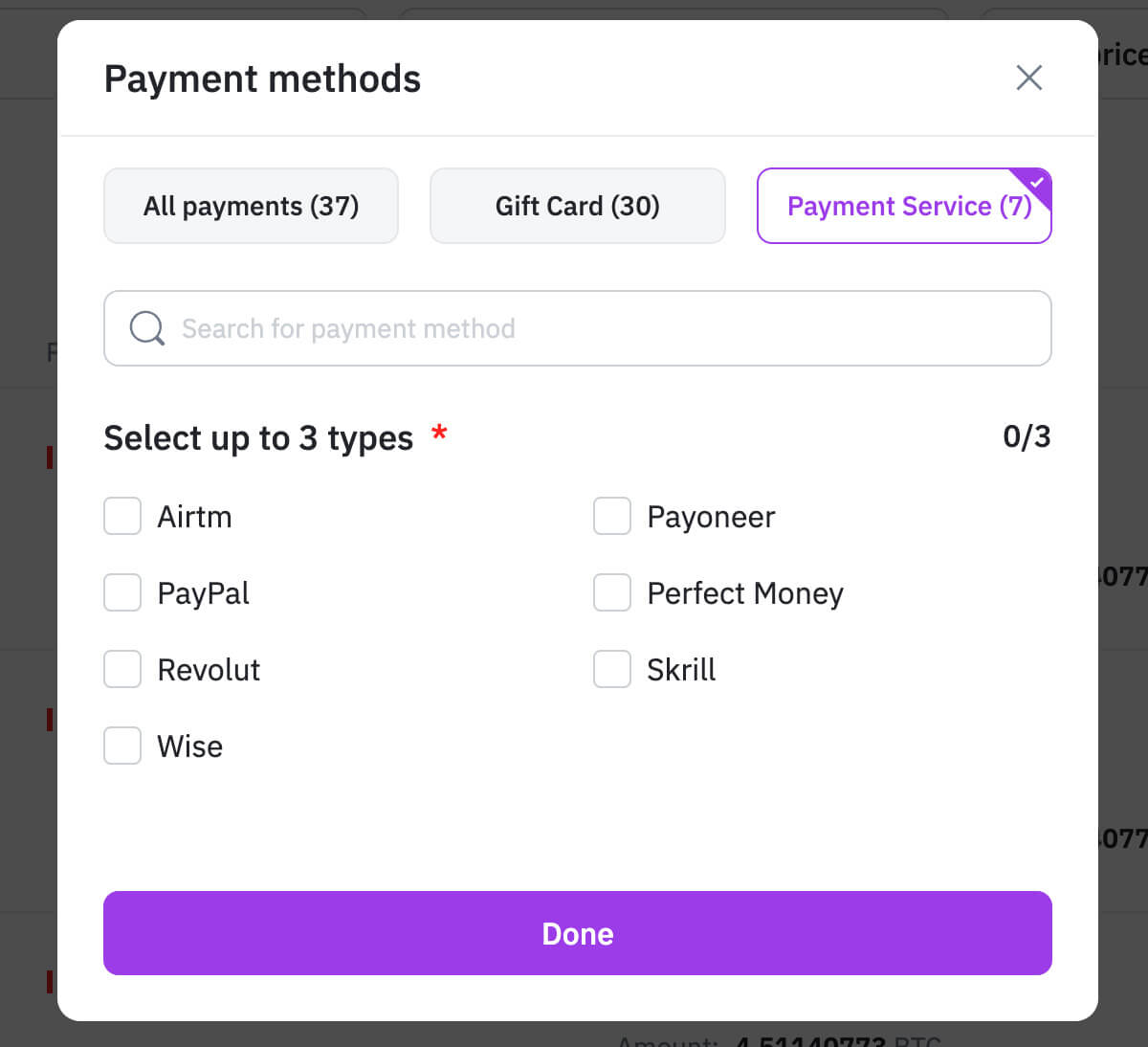
P2P exchanges derive liquidity from payment diversity. Supporting mobile money (M-Pesa, MTN), bank transfers (SEPA, ACH), and global options (PayPal, Wise) simultaneously is what attracts the volume that makes spread-based revenue viable. Each payment method requires its own verification flow in the crypto payment gateway logic — confirmation windows, dispute evidence types, and fraud patterns differ significantly between SEPA and mobile money.
3. Real-Time Order Book & Matching Engine
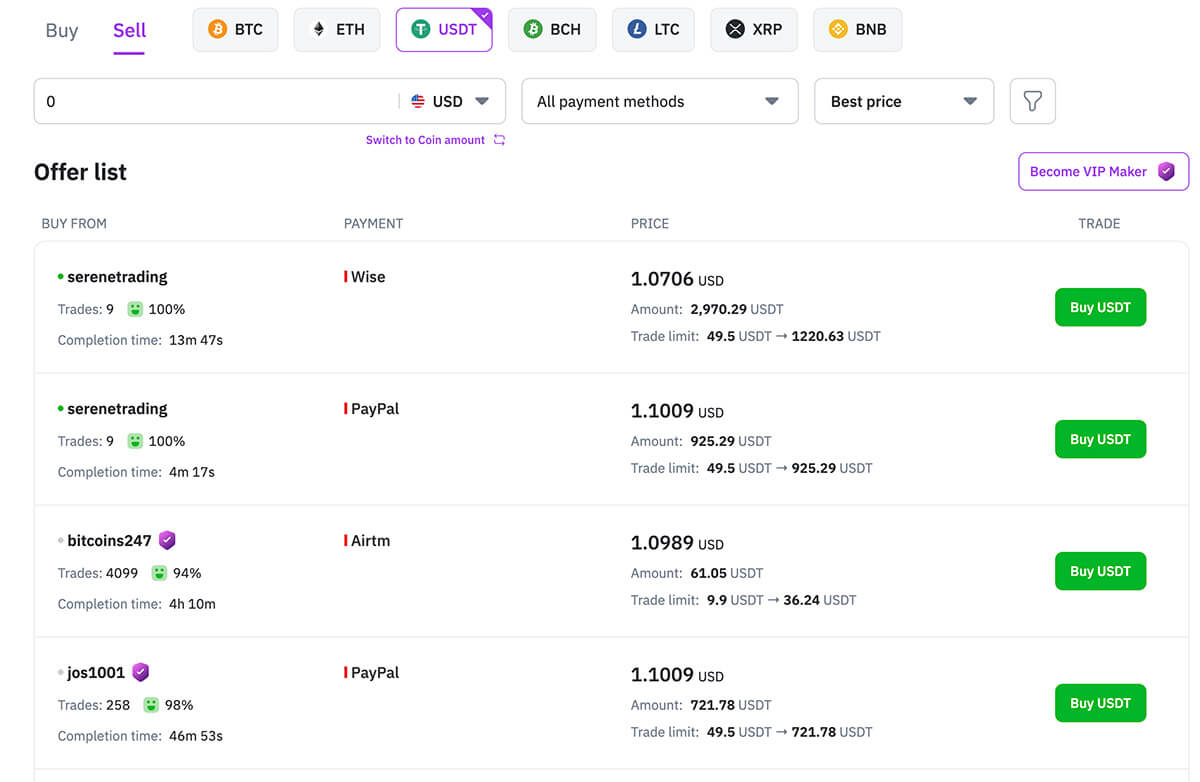
The order book lists active buy and sell offers, filterable by payment method, price, and geographic region. The matching engine pairs orders automatically based on pricing tolerance and payment compatibility. In Remitano's model this is semi-automated: users browse offers and initiate trades, but the system enforces the matching rules and locks escrow immediately on trade start.
For higher-throughput P2P platforms, a true matching engine with microsecond latency becomes necessary. A common architecture mistake is treating the P2P order book as a simple database list — the moment you have concurrent order acceptance and cancellation under load, race conditions cause double-fills or ghost orders. Event sourcing (where each state change is an immutable event, not an in-place update) is the production solution to this class of bug.
4. KYC/AML Integration
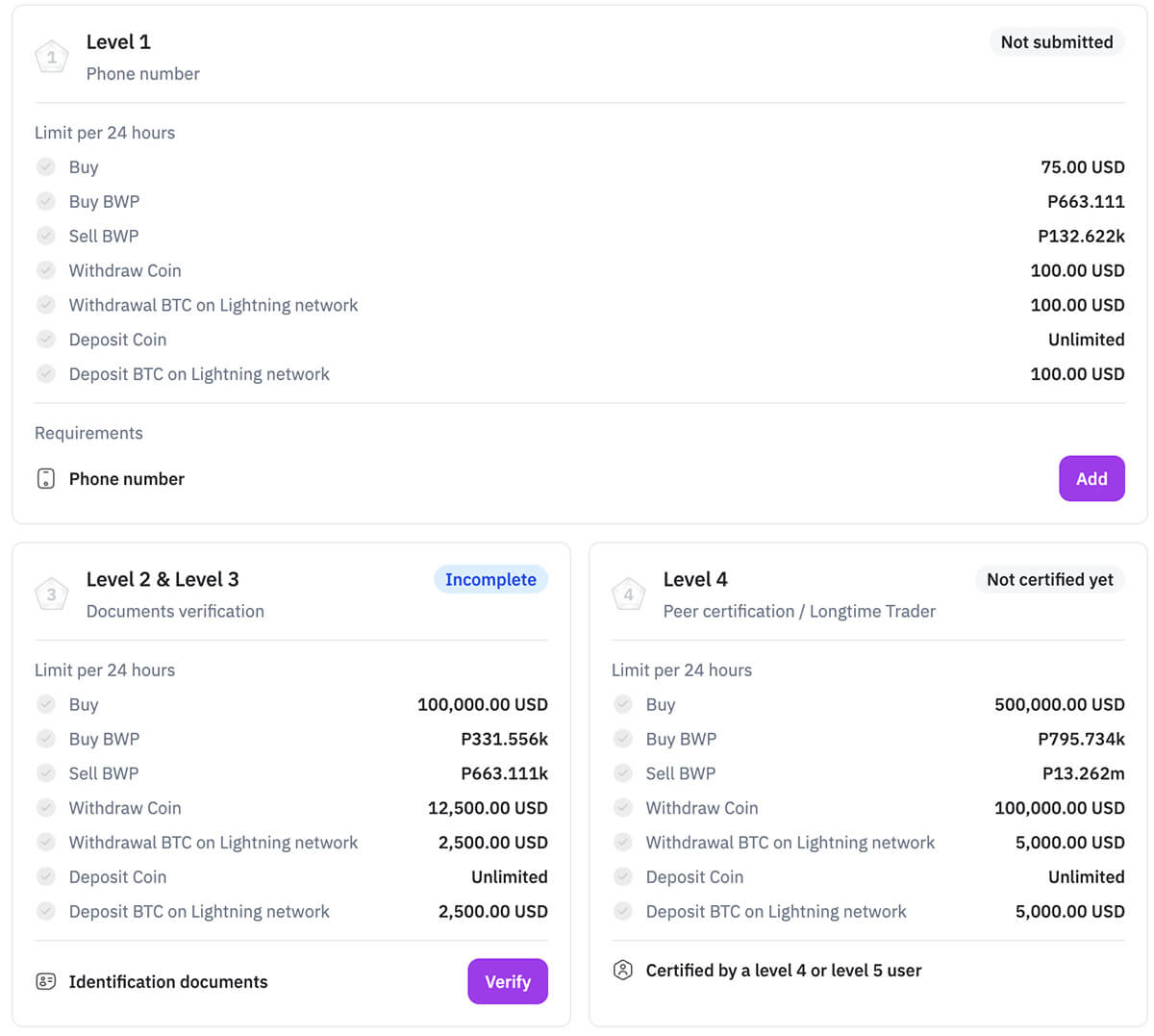
Each user profile includes transaction history and reputation rating. KYC verification adds a compliance layer: document checks, selfie verification, and watchlist screening. For US-facing platforms, KYC is not optional — FinCEN's MSB requirements apply to P2P crypto exchanges above certain thresholds.
The AML layer goes deeper. Beyond a KYC checkbox, a production P2P exchange needs risk scoring per transaction type, not just per user. Deposit risk logic differs from withdrawal risk logic: a moderate-risk deposit can be credited with a flag, while a moderate-risk withdrawal should trigger a hold. Blockchain-native KYC approaches are increasingly relevant here, as they allow portable identity verification across platforms without repeated document uploads.
5. Built-In Messaging and Dispute Resolution
Live chat between buyer and seller is non-negotiable in a P2P model — it's how payment confirmation evidence is shared. All messages must be archived server-side, timestamped, and accessible to the admin panel for dispute resolution. Integrating third-party messengers (Telegram, WhatsApp) as an alternative channel is common, but the primary channel must be native and fully auditable.
The admin dispute panel is where most clone scripts cut corners. A minimal dispute tool shows a conversation log and two buttons (release / refund). A production panel shows: escrow state timeline, payment proof uploads, IP and device fingerprints of both parties, auto-flagging if either party's account triggered AML rules recently, and the ability to issue partial releases.
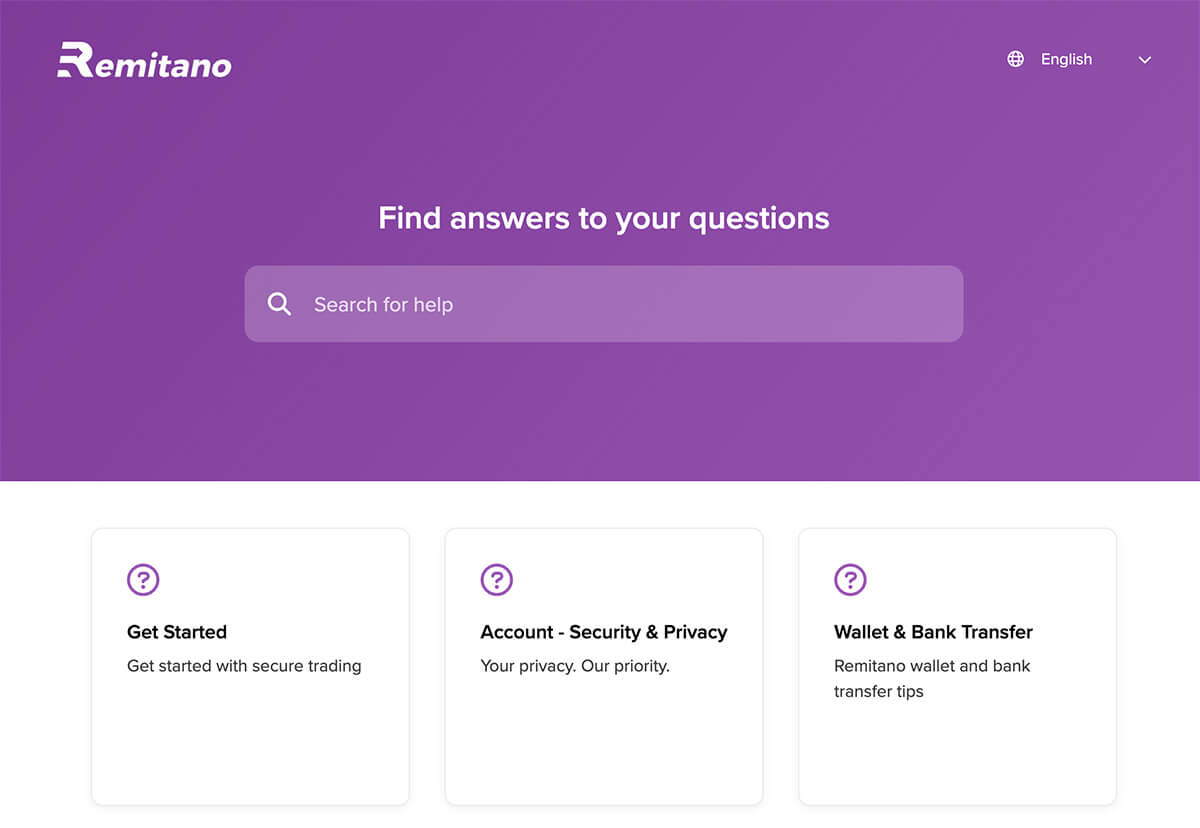
Multi-Chain Infrastructure: What a Production-Ready P2P Exchange Actually Requires
Most Remitano clone scripts on the market support 3–5 coins. In practice, a competitive P2P exchange needs to handle not just Bitcoin and USDT, but an entire ecosystem: Ethereum, BNB, Solana, XRP, TON, Arbitrum, Optimism, TRX, and at least 10 more networks simultaneously.
In one of our crypto exchange builds, integrating 15+ blockchains into a single platform required solving a non-trivial architecture problem: each network has its own confirmation model, fee structure, and transaction finality logic. The solution was a unified abstraction layer — a provider interface that normalizes all chain-specific behavior into a single internal API. This eliminated duplicated business logic per chain and reduced adding a new blockchain from a 2-week sprint to a 2–3 day configuration task.
AML Integration: Beyond a Simple KYC Checkbox
A production P2P exchange needs more than a KYC provider toggle. The real engineering challenge is building an AML decision engine that handles divergent logic for deposits versus withdrawals, supports multiple risk data providers simultaneously, and doesn't freeze the entire transaction pipeline when one provider is temporarily unavailable.
In our practice, we migrated a crypto exchange AML system from a single-provider model to a multi-provider architecture without rebuilding the core data structure. The key design decision: treating the provider list as an array (up to 4 simultaneous providers) rather than a singleton. The system queries providers in parallel, normalizes results into percentage-based risk categories, and applies threshold logic per transaction type. Risk data is rendered in the UI as color-coded category percentages — eliminating the need for support staff to interpret raw scores via DevTools.
Admin Panel Architecture: The Part Most Clone Scripts Get Wrong
A weak admin panel is the most common reason P2P exchanges fail at scale. When your support team needs to open browser DevTools to understand why an order is stuck, you don't have an admin panel — you have a debug interface with a UI wrapper.
From our experience building exchange admin infrastructure, the most critical architectural decision is domain segregation of financial entities from day one. The entities are not interchangeable:
- Transactions — fund movements only (deposit/withdrawal)
- Orders — trade operations with their own lifecycle
- Convert — a separate instrument with its own fee rules and limits
- Transfer — internal balance movements between accounts
- Refund — an independent financial operation, not a status flag
Monetization Strategy for Your Remitano-Like Crypto Exchange
The right monetization model turns a P2P exchange from a technical project into a scalable business. Remitano's revenue architecture is straightforward, but there are layers worth building from day one.
1. Transaction Fees
The primary revenue stream: a percentage charged on each completed trade. Remitano charges approximately 1% per transaction, typically paid by the order taker. You can vary this by payment method (bank transfers at 0.5%, mobile money at 1.5%) or by trading volume tier. At scale, even small fee differentials compound significantly.
2. Withdrawal Fees
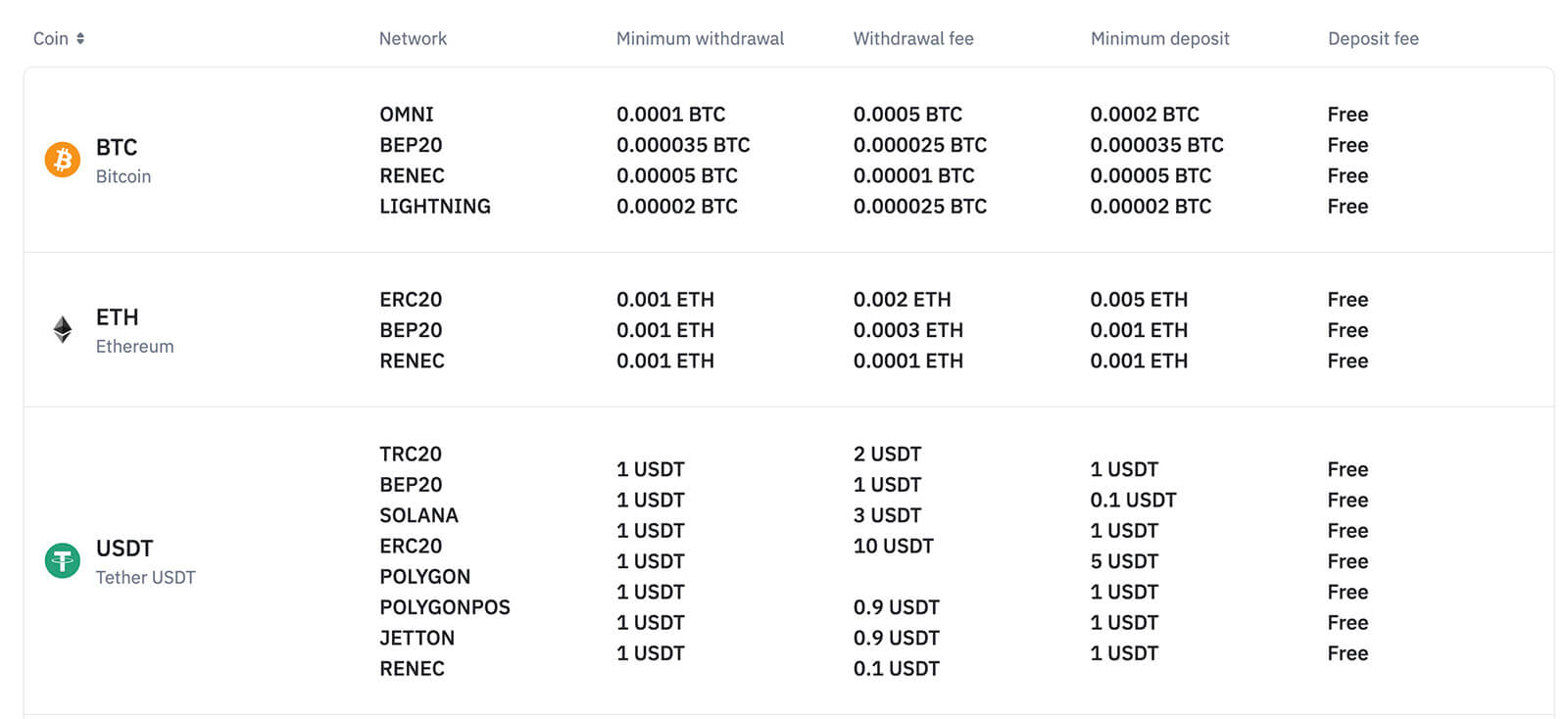
Fixed fees per crypto withdrawal (e.g., 0.0002 BTC, 5 USDT) cover blockchain gas costs and generate margin. These should be dynamically adjustable via the admin panel — hardcoded withdrawal fees become liabilities when network gas spikes.
3. Premium Accounts
A tiered user model unlocks recurring revenue: higher daily trading limits, priority listing of offers in search results, advanced analytics dashboards, and custom branding for institutional traders. Premium tiers also reduce churn — users who've invested in an account level have a switching cost.
4. Listing Fees for Offers
Small fees (0.1–0.5%) for posting buy/sell offers are viable once you have sufficient liquidity on the platform. At scale, micro-fees on offer creation add meaningful revenue without affecting trade volume.
5. White-Labeling and API Access
Once your crypto exchange business model is proven, the platform itself becomes a product. White-label licensing and API-based trading infrastructure access to fintech startups and DeFi projects is a high-margin revenue stream with low marginal cost. This is the monetization layer that transforms a single exchange into a platform business.
Development Approaches: Choosing the Right Path
Choosing the right development approach determines your time to market, cost structure, and long-term scalability ceiling. There is no universally correct answer — the right choice depends on your capital, team, and the regulatory environment you're targeting.
1. White Label Crypto Exchange Software
White label solutions offer the fastest path to a live platform. Pre-built modules cover user accounts, wallets, escrow, admin panel, and basic compliance tooling. The trade-off is customization depth — most white label crypto exchange solutions don't support the regional payment methods or AML provider configurations that differentiate a platform in emerging markets.
Pros: 1–2 week launch, minimal coding, vendor support and updates included.
Cons: Limited customization, subscription or commission pricing, rarely optimized for non-Western markets.
Best for: startups with limited budgets, market validation MVPs, operators who want to test regional demand before committing to custom development.
2. Open Source P2P Exchange Script
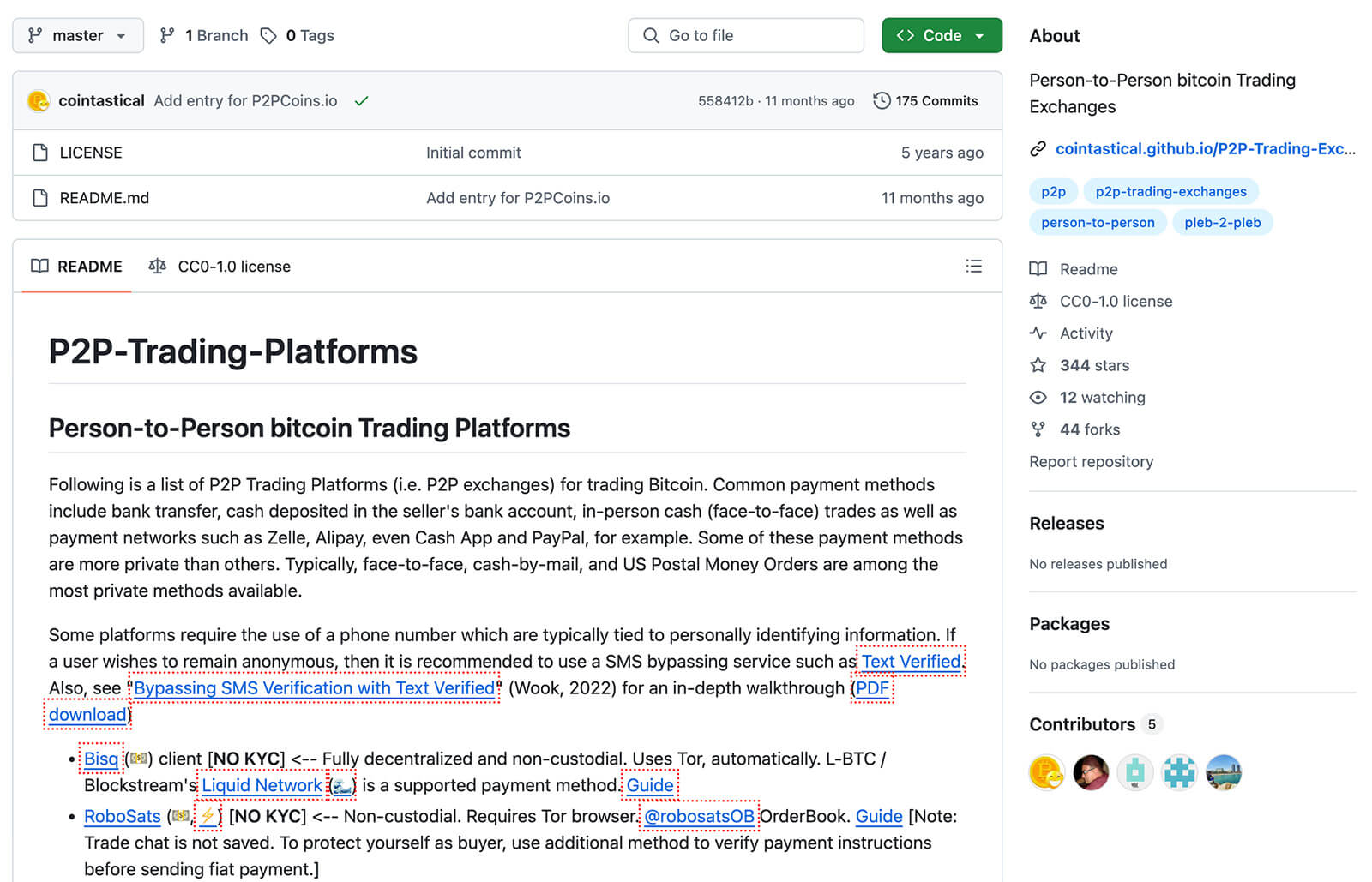
GitHub hosts multiple open-source crypto exchange scripts that replicate Remitano or LocalBitcoins functionality. Full code access means full customization, but zero vendor support means every bug, security vulnerability, and missing feature is your team's problem.
Pros: No licensing fees, transparent codebase, ideal for teams with deep crypto dev expertise.
Cons: No official maintenance, requires a full security audit before production deployment, potential for hidden vulnerabilities in community-written escrow logic.
Critical note: the escrow and AML modules in open-source scripts require mandatory independent security review before launch. These are the two modules most likely to have exploitable logic gaps.
3. Custom Development from Scratch
Custom development gives you full control over architecture, security model, and regulatory compliance design. This is the only viable path if you need proprietary matching engine logic, custom overdraft and credit facilities for institutional traders, or jurisdiction-specific AML workflows that no existing script supports.
Pros: Fully custom business logic, tailored UI/UX, optimized for your specific audience and regulatory requirements, full IP ownership.
Cons: Cost range $30,000–$100,000+, 3–6 month timeline, requires a cross-functional team (backend, frontend, blockchain, security, legal).
In one of our P2P exchange builds — which started as a "simplified MVP" — we applied a strict scoping discipline: only features that directly enable the core transaction flow (order creation → escrow lock → payment confirmation → release) shipped in v1.0. An email-invite onboarding flow, SLA timers built into the trade interface, and a shared confirmation mechanism between sender and receiver reduced both development time and post-launch dispute volume simultaneously. Everything else moved to v1.2.
When scoping a P2P exchange MVP, we apply one filter: does removing this feature break the core transaction? If not, it ships in v1.2. This single rule cuts scope by 60% without compromising the product — and gets you to first real users 2–3 months earlier.
Yuri MusienkoBusiness developer, MereheadDevelopment Approach Comparison
| Approach | Cost | Time to Launch | Customization | Best For |
| White Label | Low–Medium | 1–2 weeks | Limited | MVPs, market testing |
| Open Source | Low (+ dev cost) | 2–4 weeks | Full (requires devs) | Technical teams with crypto expertise |
| Custom Build | $30K–$100K+ | 3–6 months | Full | Long-term platforms, regulated markets |
Remitano vs. LocalBitcoins vs. Paxful: Architectural Differences
The three dominant P2P models share a surface-level similarity — all use escrow — but differ significantly in how they handle order matching, payment verification, and compliance architecture. Understanding these differences matters when choosing which model to replicate or improve upon.
| Platform | Escrow Type | Order Matching | KYC Requirement | Fee Structure |
| Remitano | Platform-controlled wallet | Manual (user selects offer) | Optional (regional variation) | ~1% per trade |
| LocalBitcoins | Platform-controlled wallet | Manual + ad-based discovery | Mandatory (since 2019) | 1% (seller) |
| Paxful | Platform-controlled wallet | Manual (200+ payment methods) | Tiered by volume | 0–1% (buyer-side variable) |
A Paxful clone competes on payment method breadth (200+ options); a LocalBitcoins model competes on geographic community depth. A Remitano clone targets the sweet spot: regional payment flexibility with a cleaner UX than Paxful and lighter KYC than LocalBitcoins — particularly viable in markets where document-based identity verification is a conversion barrier.
From Clone Script to First Real Users: What the Timeline Actually Looks Like
Launching an MVP P2P exchange is a prioritization exercise, not a feature checklist. Most projects fail not because of technical complexity, but because the initial scope attempts to replicate every Remitano feature before a single user has traded on the platform.
The key insight from our builds: the irreducible core of a P2P exchange is four steps — trade request creation, escrow lock, payment confirmation, and release. Everything else (notifications, advanced analytics, complex dispute arbitration, referral program mechanics) can ship after the first cohort of real users provides feedback on the core loop.
A referral program, when you do build it, should be structured as a two-tier model: direct referrals earn a percentage of trading fees from every trade their referral makes; second-level referrals generate a smaller percentage. This turns your user base into a low-cost acquisition channel — especially effective in markets like Nigeria, Ghana, and Kenya where Telegram and WhatsApp group recommendations drive crypto adoption faster than paid ads.

FAQ
Cost depends on the development approach. White label solutions start at a few thousand dollars in licensing fees with a 1–2 week launch timeline. Open source scripts are free to use but require significant developer investment for security hardening and customization. Custom development ranges from $30,000 to $100,000+ depending on feature scope, compliance requirements, and the number of blockchains supported. The escrow and AML modules represent the highest cost components in any approach.
A Remitano clone operates on a P2P model: users trade directly with each other, and the platform provides escrow but doesn't hold large custodial reserves. A centralized exchange script pools user funds in platform wallets, operates an internal order book, and acts as the counterparty to all trades. P2P models have lower hack exposure (no honey-pot wallet) but require a robust dispute resolution system that CEX models don't need.
With a white label solution: 1–2 weeks to a live platform. With an open source base plus customization: 2–6 weeks depending on scope and team size. Custom development from scratch: 3–6 months for a full-featured platform with multi-chain support, KYC/AML integration, and a production-grade admin panel. A strict MVP approach — core transaction loop only — can compress the custom timeline to 8–10 weeks.
At minimum: Bitcoin (BTC), Ethereum (ETH), and USDT (on both Ethereum and TRC-20/Tron networks) — these cover 80%+ of P2P volume globally. Solana, BNB, and TON are high-priority additions for the next tier, especially in Southeast Asian and African markets. The key architectural decision is building a provider abstraction layer from day one, so adding new chains is a configuration task rather than a development sprint.
Yes. US-facing P2P crypto exchanges that facilitate fiat-to-crypto transactions are classified as Money Services Businesses (MSBs) under FinCEN regulations and must implement KYC/AML programs. This includes identity verification, transaction monitoring, and suspicious activity reporting (SAR). KYC requirements can be tiered by transaction volume — lower thresholds for small trades, full verification for higher volumes — but they cannot be omitted for a legally operating US platform.
The real-time data pipeline between the matching engine and the frontend. In multiple production incidents, the trading and escrow logic functioned correctly, but the Kafka → WebSocket → Frontend pipeline had gaps that caused the order book to display stale or incomplete data. Users see a platform that appears broken even though the backend is working. End-to-end pipeline validation before launch is non-negotiable — not just unit tests on individual services, but full integration tests under simulated concurrent load.