
A white label crypto exchange solution is a pre-built, fully configurable trading infrastructure that businesses launch under their own brand — without building a matching engine, wallet system, or compliance layer from scratch. In 2026, this model is the default market entry path for crypto startups, fintech companies, and institutional players: you get a production-tested platform in 4–12 weeks, at a cost that is typically 60–80% lower than custom development.
This guide covers every major type of white label crypto exchange solution — spot, margin, futures, P2P, and DEX — along with core technical features, compliance requirements, cost breakdown, and a direct comparison of leading 2026 providers. If you are evaluating providers right now, the single most important distinction to understand upfront is source code ownership: most providers offer SaaS licensing with ongoing monthly fees and vendor lock-in; Merehead transfers complete source code, giving you full technical autonomy after delivery.
What Is a White Label Crypto Exchange Solution?
A white label crypto exchange solution is a complete, deployable exchange stack developed by a third-party provider and licensed to you for operation under your own brand. The term «white label» means the underlying technology is invisible to your users — they interact with your brand, your interface, and your support team.
What a complete solution includes in 2026:
- Exchange core: matching engine, order book, order routing, trade history
- Front end: branded web UI, iOS and Android mobile apps
- Back office: admin panel, user management, fee configuration, reporting, audit logs
- Compliance tooling: KYC/AML integrations, transaction monitoring, Travel Rule workflows
- Wallet infrastructure: hot/cold separation, multi-signature authorization, withdrawal queues
- Liquidity connectivity: APIs to external market makers and aggregators
- Fiat rails: payment processor integrations for deposits and withdrawals
SaaS vs Source Code — why this matters more than the feature list:
The majority of white label providers operate on a SaaS model. Your exchange runs on their infrastructure, you pay monthly licensing fees ($2,000–$15,000+/month), and any change to the core system requires their approval. This creates three practical risks: vendor lock-in (you cannot migrate without a rebuild), inability to conduct independent security audits, and escalating costs as your volume grows.
Full source code ownership — which Merehead provides by default — eliminates all three. After delivery, the client has complete technical autonomy: no licensing fees, independent audits at any time, and the freedom to scale or modify the infrastructure without the provider's involvement.
Core Features Every Solution Must Include
A white label crypto exchange solution is only as good as the infrastructure underneath the branding. Here is what separates a production-ready deployment from a rebranded demo:
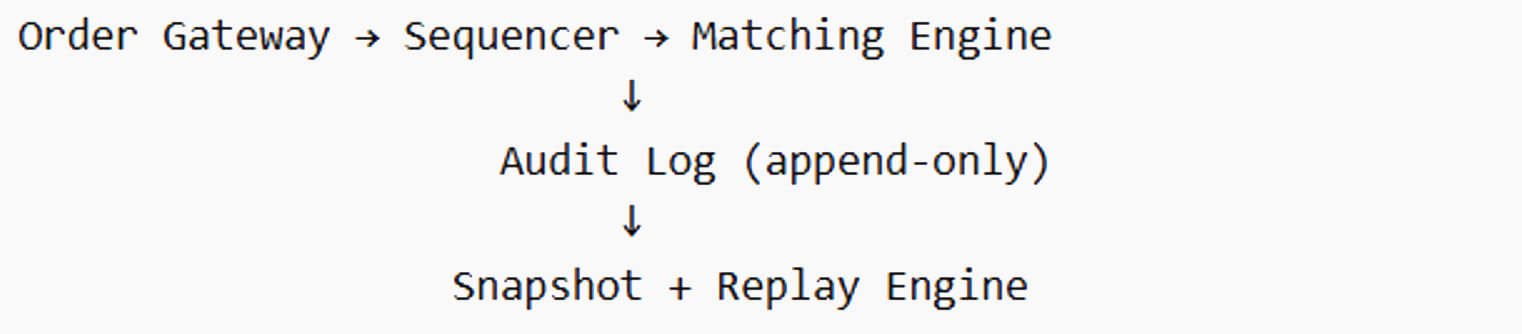
Matching Engine
The core of any exchange. A production-grade matching engine must handle 10,000–100,000+ transactions per second with sub-millisecond latency, support multiple order types (market, limit, stop-loss, OCO), and maintain consistency under flash crashes and high-volatility events. When evaluating providers, ask for documented TPS benchmarks and uptime SLAs — not marketing claims.
Wallet Infrastructure
Hot wallets for instant user withdrawals, cold storage for 90–95% of exchange reserves. A secure solution requires automated sweep logic (moving excess hot wallet funds to cold storage without manual intervention), multi-signature authorization for large withdrawals, and Hardware Security Module (HSM) or MPC key management. Providers that rely on third-party custodians (BitGo, Fireblocks) introduce a dependency — evaluate whether this matches your risk model.
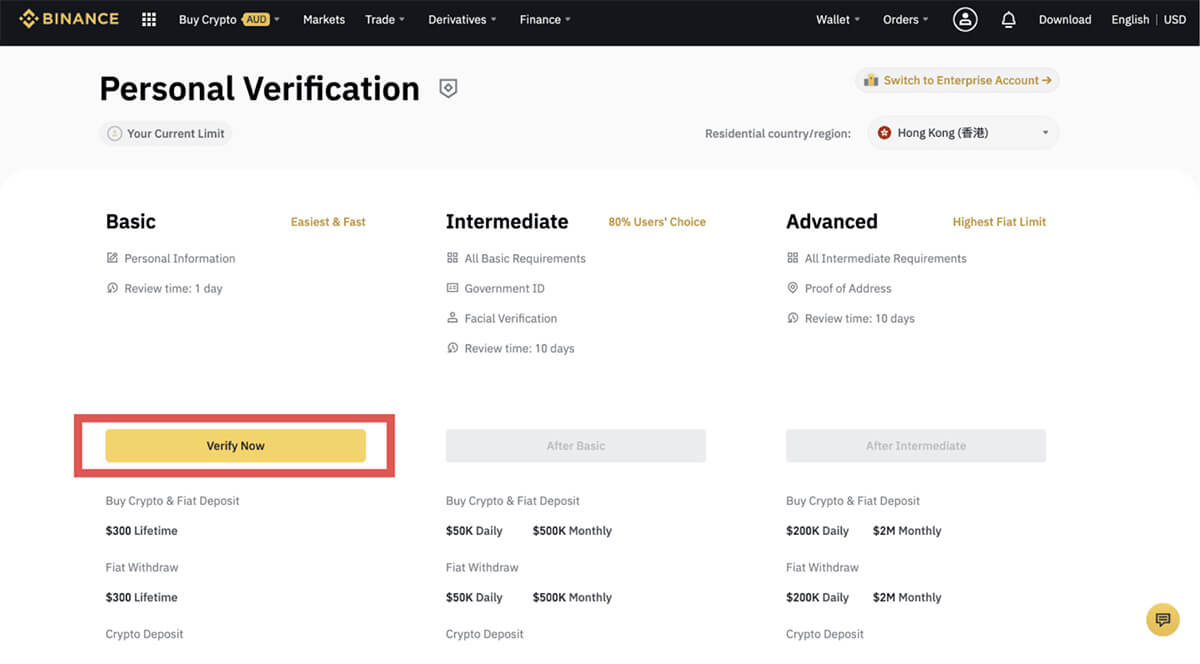
KYC/AML Compliance Module
Non-negotiable in 2026. Your solution must integrate with at least one of the leading KYC/AML providers (Sum&Substance, Sumsub, Jumio, Onfido) with configurable risk tiers, real-time transaction monitoring, and SAR filing workflows. Ensure the compliance module supports your target jurisdictions — EU, US, and UAE all have different verification requirements.
Liquidity Integration
A new exchange without liquidity is dead on arrival. The solution must support API connectivity to institutional liquidity providers (B2C2, Wintermute, Cumberland) and aggregators. Evaluate whether the provider offers pre-negotiated liquidity relationships or leaves this entirely to you — the difference can add 3–4 months to your launch timeline.
Admin Panel and Risk Controls
Full-featured back office: user management with role-based access, fee configuration per pair and user tier, withdrawal approval workflows, position limit controls, and real-time monitoring dashboards. This is where day-to-day exchange operations happen — a weak admin panel means your team will be working around limitations from day one.
How to Choose a White Label Crypto Exchange Solution
With dozens of providers in the market, the evaluation process comes down to six questions:
1. Who owns the code after delivery?
SaaS licensing vs full source code transfer. If the answer is «we host it and you access via API», you are renting, not owning. Evaluate whether this fits your long-term independence goals.
2. What is the real latency of the matching engine?
Ask for documented TPS benchmarks under load, not theoretical maximums. Request a demo with simulated order flow at your expected peak volume.
3. How is liquidity handled from day one?
Does the provider offer pre-integrated liquidity sources, or do you build liquidity partnerships independently? For a new exchange, this is often more important than features.
4. What compliance modules are included vs what requires separate integration?
KYC/AML being «supported» often means the provider has an API — you still need to contract with a KYC vendor and integrate it yourself. Understand exactly what is included in the base price.
5. What does the security audit process look like?
Has the exchange core been audited by an independent security firm (CertiK, Trail of Bits, Halborn)? Can you conduct your own audit after delivery? For SaaS providers, this is often impossible.
6. What happens if the provider shuts down or raises prices?
With SaaS, your exchange goes offline. With source code ownership, you continue operating on your own infrastructure. For any exchange with meaningful trading volume, this scenario needs a concrete contingency plan.
Cryptocurrency exchanges: spot, futures and margin ones
Cryptocurrency exchange is a platform allowing traders to make transactions in coins and tokens: BTC, ETH, SOL and others. Transparency, security and transaction speed are ensured through the usage of blockchain technology and smart contracts. But at the same time, the site can function fully on the blockchain (this option is used in decentralized exchange software), and only partially use the technology to deposit/withdraw funds from the account, and otherwise have a classic structure with external servers and databases (CEX option). The bulk of the market in 2025 belongs to a few top platforms: Binance, Bybit, KuCoin and so on.
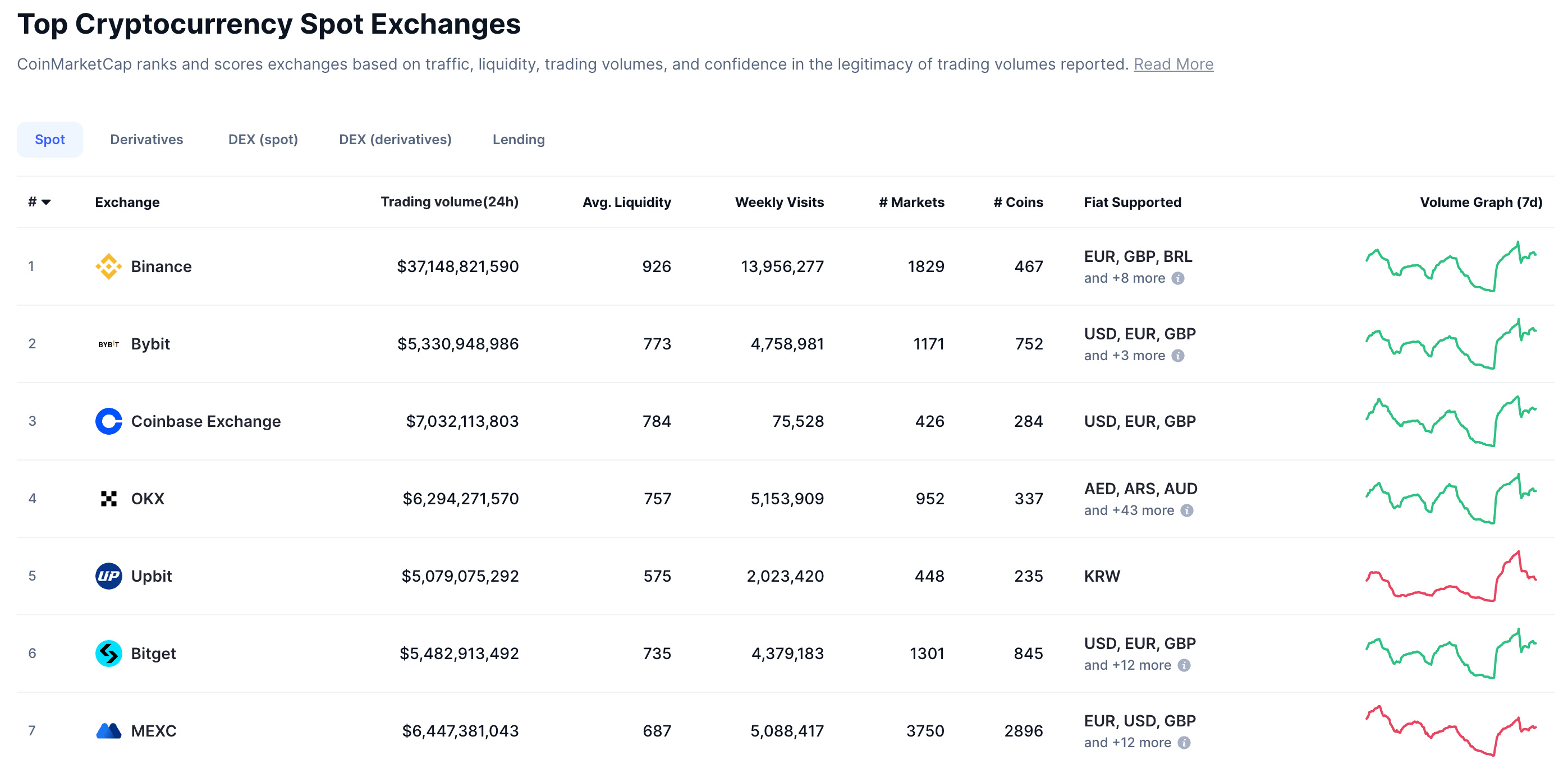
CEXs account for the largest transaction volume: they have a wider target audience due to their simplified interface, higher liquidity and a larger selection of available coins/tokens. But there are also large decentralized players on the market: Raydium (trading volume in 24 hours - $3.17 billion), Uniswap V3 ($1.241 billion), PancakeSwap V2 BSC($1.537 billion) and others.
Types of bidding: which functionality to choose?
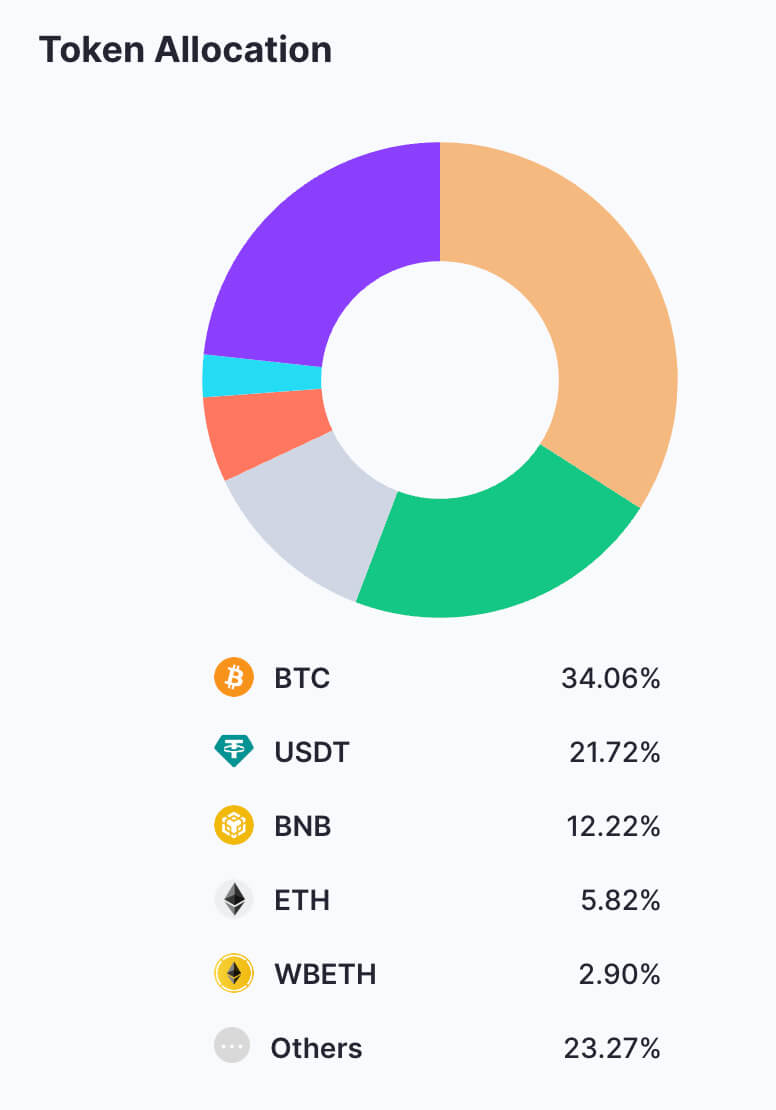
Currently, spot transactions are the easiest type offering all the top crypto exchanges. It is a direct exchange of one coin for another without using borrowed funds. The number of spot transactions often prevails over futures transactions, although they are inferior in terms of trading volume. For example, in February 2025, the volume of spot transactions on Bybit was estimated at $7.18 billion. The number of available coins varies greatly: on average, according to CoinMarketCap, from 400+ (example - Upbit with 439 coins) to 4,000+ (example - Gate.io with 4,325 coins/tokens). The largest number of transactions is in top coins: BTC, ETH, SOL, as well as stablecoins USDT, USDC.
Meanwhile, good exchanges offer 5+ types of orders on the spot market:
- Market: instant buy/sell at the current price;
- Limit: delayed buy/sell when the price of the asset reaches the values set by the trader;
- Stop Loss: automatic sale when a specific price is reached. Serves as a tool to reduce risks and protect against large losses;
- Take Profit: automatic closing of a position when a certain profit is received;
- Trailing spot: a dynamic order that changes following the price with a certain “step”. It is intended for fixing and reducing losses in case of a sharp change in the trend + retaining profits in case of growth and so on.
The second type is margin deals. These are deals in which a trader takes a “loan” from the exchange, i.e. trades not only with his own funds to increase potential profit. Because of this, the trading volume of margin deals is higher than on the spot (often 4+ times). At the same time, the number of available trading pairs for margin trading is lower than for spot: for example, on Binance 400+, and on Bybit: 100+. The list of available coins often includes: BTC, ETH, USDT, BNB, i.e. top coins, for little-known altcoins this option is often unavailable. The size of leverage also varies from exchange to exchange and depending on the coins that make up the pair:
- On Binance, leverage for spot trading reaches x20 and for futures trading it reaches x125 (example: BTC/USDT);
- On Bybit: up to x10 for spot and x100 for futures (example: ETH/USD);
- On Kraken: up to x5 for spot (example: XRP/USD);
- KuCoin: up to x10 for spot (example: BTC/USDT).
Margin trading is also becoming increasingly available on DEX in 2025, but leverage tends to be lower: for example, on dYdX - up to x20, on Perpetual Protocol - up to x10. The number of available pairs for margin trades is also lower: often 20-80+. This is due to the lower liquidity and lack of a centralized structure for borrowing, as in the case of CEX.
The third type is futures trading platform. It is a financial instrument, using which there is no direct exchange of cryptocurrencies, but traders conclude contracts for the transfer of assets through time at a certain price. When dealing with cryptocurrency futures, leverage is also used, so this type of trading has a higher turnover.
The Financial Times reported that derivatives accounted for 71% of the market's trading volume in 2024, and CScalp published statistics that monthly BTC futures trading volume is 4 times that of spot.
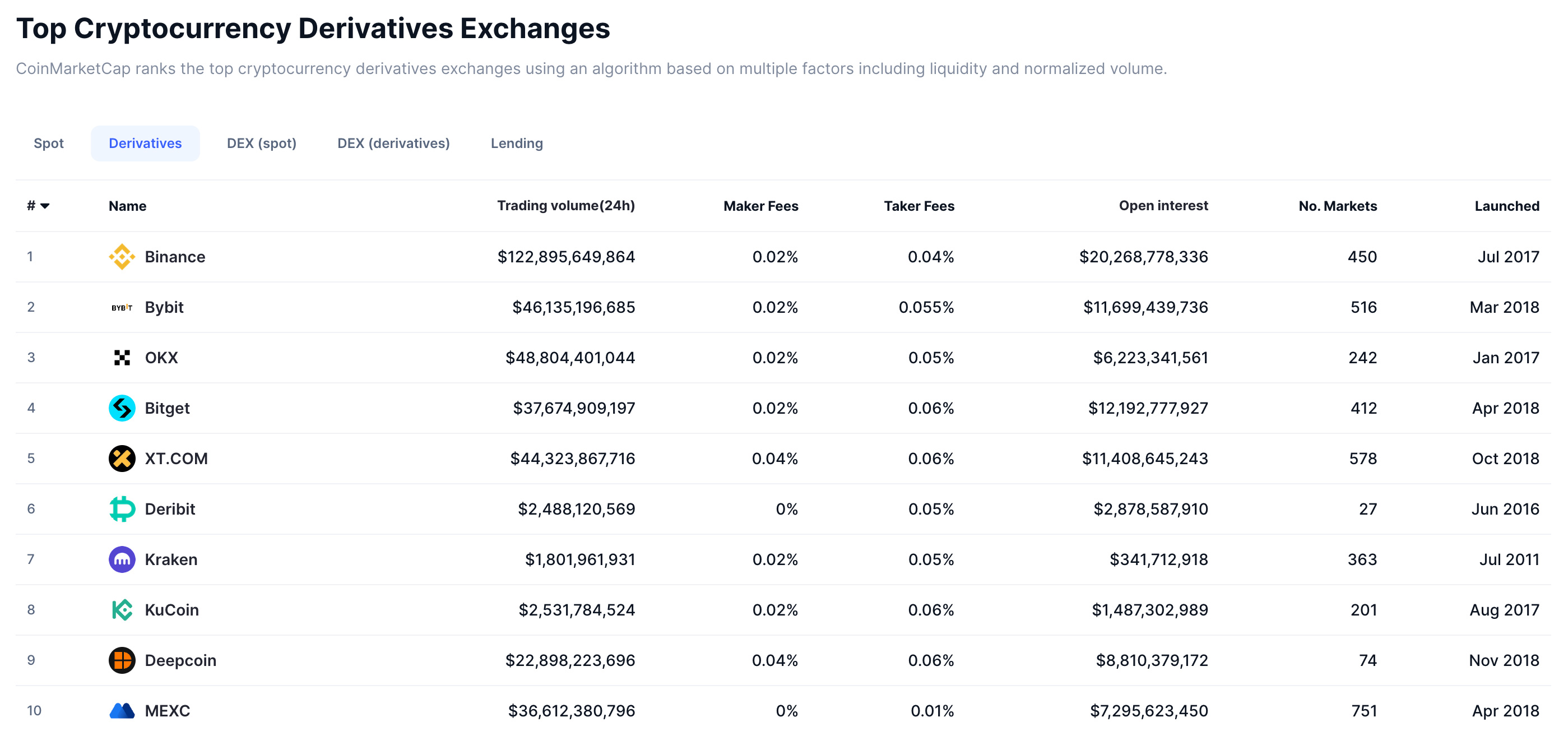
CEX accounts for the most of the futures trading turnover, led by Binance (trading volume 24 h derivatives - $62 billion), Bybit ($25.6 billion), and BitGet ($24.6 billion). However, there are also large DEXs: dYdX, specializing in open-ended contracts, Perpetual Protocol, ByBit DEX.
Futures contracts come in different types, the variety of options depends on the policy of a particular exchange. But the wider the target audience you want to attract, the wider the choice should be. And there are Coin-Margin futures (with collateral in cryptocurrencies BTC/ETH/LTC and so on) and USDT-M with margin in stablecoins. Contact classifications also include:
- Indefinite with no expiration date (available on Binance, dYdX, Bybit and so on);
- Index Futures for speculating on indices rather than the cryptocurrencies themselves, such as the BTC index;
- Quarterly futures contracts with a specific expiration date;
- Variable leverage contracts, where the amount of margin can be changed depending on the market situation;
- Options on futures, which give the right (not the obligation) to buy/sell a contract at a certain price after a specified period of time, and others.
Pitfalls of different exchange types
From a technical and legal point of view, the simplest option is to launch your own crypto exchange. However, it is necessary to take into account its difficulties:
- The importance of ensuring high liquidity + a large selection of available cryptocurrencies (this niche is the most competitive);
- Ensuring a high level of security: in the case of CEX, the focus is on the protection of traders' funds, which they transfer to the exchange when concluding transactions, and in DEX - on correct operation and the absence of vulnerability in smart contracts. It is necessary to provide protection against DDos attacks, user verification mechanisms (for CEX);
- Integration of payment gateways, if you also plan to work with fiat. For example, support for bank transfers, SEPA, SEPA Instant, payment systems and wallets PayPal, Payeer, AdvCash and others;
- Creation of the simplest and most understandable interface, as your audience will largely consist of newcomers to crypto-trading;
- Compliance with legal norms: KYC/AML policies and local laws of different countries (relevant for CEX). For example, in the US the norms are set by FinCEN + SEC, in the EU - MiCA, in Singapore there is the PSA payment services law and so on. For DEX, the regulation is weaker.
A margin exchange is a little more difficult to launch. In addition to the basic requirements that exist for spot, it is additionally important for the owner to keep a close eye on risks, i.e. it is necessary to provide for:
- a clear margin system (leverage size for different trading pairs);
- protection against manipulation;
- position liquidation mechanisms;
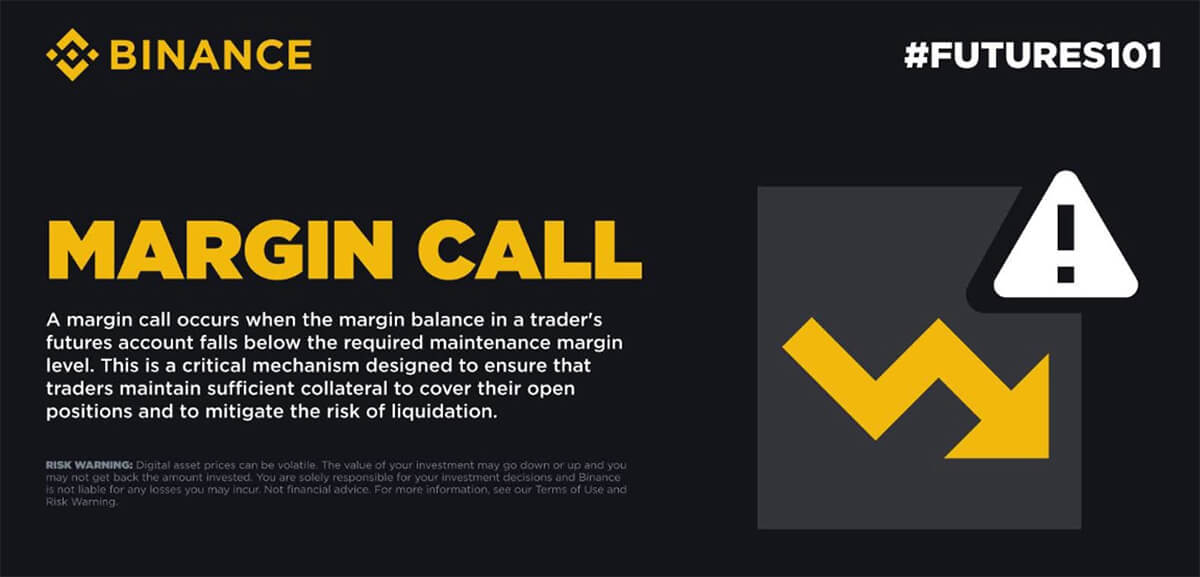
- protection of the platform against losses: Margin Call & Forced Liquidation - warning + automatic closing, Margin Maintenance (e.g. 0.5-3% of the total amount of the transaction that should be in the trader's account), ADL system for automatic reduction of positions, creation of an exchange insurance fund and so on.
Legal requirements for margin platforms are also greater, as such transactions are associated with higher risks. For example, in the US, additional requirements are imposed by the CFTC, KYC/AML procedures are stricter + the platform must set minimum capital requirements for users and leverage limits. In the EU, MiCA requires exchanges to introduce additional regulatory measures to mitigate risks for users. Also in some countries, such as Germany, there are strict leverage limits (no more than x3).
Futures exchange is one of the most complex models in terms of startup. It has the strictest legal requirements, as futures are a complex and risky financial instrument. In the US, this type of trading is subject to CFTC regulations, which require CEX owners to conduct thorough user reviews to avoid manipulation. Full transparency on the part of the platform is important.
As futures trading is leveraged, the exchange must implement mechanisms to liquidate positions, prevent defaults, manage liquidity, and provide leverage for trades. The operational complexities of running such a platform are also higher; a futures exchange must:
- Operationally process large volumes of data in real time;
- Perform complex calculations related to derivatives and risk;
- Ensure continuity of trading and market access;
- Guarantee the security of storage and transfer of funds;
- Implement arbitrage mechanisms.
Best White Label Crypto Exchange Solution
Buying a ready-made template (White Label trading software) is an optimal solution that will save time to market - instead of 12+ months, as when developing from scratch, everything takes 1-3 months on average. It is also a significant cost savings: on average, it will be 3 times cheaper, but sometimes even 10+ times cheaper. Approximate price of White Label solution in our company Merehead with full template revision and brandomization:
- Most basic option: $20,000 to $30,000;
- Margin platform: from $30,000 to $50,000;
- Crypto futures exchange: from $60,000 to $150,000.
Templates will be fully customized, according to the customer's requests. First of all, it includes branding: logo creation, choice of color scheme, design, fonts and adding elements to all pages of the platform. Navigation will also be built individually, the UX will be fully adapted to the platform's CA (beginners, experienced traders targeting futures trading and so on). Also the finalization of the template includes:
- Legal support: this includes obtaining licenses in the jurisdiction of your choice and following all country-specific requirements, implementing mechanisms to pass identification procedures (within KYC/AML), creating all legal documents - “Privacy Policy”, “User Agreement”, etc;
- Development of the Roadmap and White List of the project;
- Adding selected cryptocurrencies, financial instruments (options, futures contracts and so on) + connecting financial gateways for working with fiat. The number and types of trading pairs are also selected by the customer;
- API integration for working with external resources and for developers to gain access (using it you will be able to connect wallets, bots for trading, for example, based on AI and so on, as well as to connect the best liquidity providers if necessary);
- Setting up security: 2-factor authentication, protection from DDos attacks, setting up SSL and so on + mechanisms for monitoring activity and correctness of work + creating systems for safe storage of funds (on cold and hot crypto-wallets);
- Multilingualism customization and UI/UX design adaptation for your target audience;
- Providing feedback to users: setting up online support chat, possibly introducing an AI bot for personalized answers, creating a FAQ section, etc;
- Implementation of all necessary trading tools: Order types (limit, stop-loss and so on, the number can vary), Charts and diagrams for analytics, Trading indicators (MA, RSI, MACD and so on), API for automated trading, etc;
- Implementing a base for promotion and advertising, including promotions and referral programs + creating affiliate programs.
Timing and price will vary depending on the jurisdiction chosen and the number/complexity of additional options. At the briefing stage with the client, our team with Merehead immediately discusses the key issues:
- Types of trades available: spot, margin and/or futures;
- Type of structure: centralized CEX or decentralized DEX;
- Blockchain choice (especially important in the case of DEX): Ethereum and its layer 2 solutions, BSC, Solana and others. The size of commissions (gas fees), speed of transactions, access to different APIs and DeFi tools depend on it;
- Jurisdiction selection. In some countries it is easier to get a license: the easiest in Malta, Gibraltar, Singapore and Lithuania, the most difficult to register in the USA, China, UK and Japan;
- Selection of basic functionality (order types, ways of passive earnings for traders, additional sections - for example, engagement);
- Choice of extra options: mobile application (for iOS, Android, Windows), setting up bots for automated trading, connecting channels in social networks and so on.
At the initial stage, our team will also analyze the niche and competitors, help to identify their target audience and create a portrait (by geography, demographics, devices used, etc.). Paid versions of SimilarWeb, SemRush and other programs are used. This will help to customize the interface and functionality for specific audiences and jurisdictions. Also, our developers and marketers understand the current trends in the crypto industry as a whole (they can advise on the most popular pairs, tools and so on), as well as in UI/UX design of websites and applications. So when buying White Label solution, we can combine your preferences with the latest trends that will appeal to a wider CA.
Why Choose Merehead
Merehead has been building crypto exchange infrastructure since 2015 — 20+ centralized exchanges, 10+ DeFi/P2P platforms, and deployments across the EU, Middle East, and Southeast Asia.
What differentiates our white label crypto exchange solution in practice:
We transfer complete source code to every client. This is not a premium option — it is the default. After delivery, the client's team has full access to every layer of the infrastructure: matching engine, wallet logic, admin panel, and compliance modules. We have seen clients conduct independent CertiK audits, migrate to different cloud providers, and build proprietary features on top of our core — none of which required our involvement or approval.
Our team has direct experience delivering exchanges for regulated clients. For a WayToPay-affiliated EU custodial crypto exchange, we delivered full MiCA/DORA-compliant technical documentation, C4 architecture diagrams, and AML integration. For clients targeting UAE operations, we have structured platforms to meet VARA requirements. This is not advisory experience — it is delivered infrastructure.
What is included in Merehead's white label crypto exchange solution:
|
Module |
Included | Notes |
| Matching engine (10K+ TPS) | yes | Benchmarked, documented |
| Hot/cold wallet infrastructure | yes | Multi-sig, automated sweeps |
| KYC/AML module | yes | Integrates with Sumsub, Sum&Sub, Jumio |
| Admin panel + back office | yes | Role-based access, full audit logs |
| Mobile apps (iOS + Android) | optional | Add-on module |
| Liquidity provider APIs | yes | Pre-integrated connectors |
| Fiat on-ramp integration | optional | Jurisdiction-dependent |
| Source code ownership | yes | Default, not premium |
| Post-delivery support | yes | 3–12 month options |
FAQ:White Label Crypto Exchange Solution
A white label crypto exchange solution is a pre-built, brandable trading platform that businesses deploy under their own name. It includes exchange infrastructure (matching engine, order book), wallet systems, KYC/AML modules, and admin tools — delivered as a ready-to-launch stack rather than custom-built code. The provider either operates the platform as SaaS or transfers full source code for independent deployment.
Pricing depends on exchange type and deployment model. At Merehead: basic spot exchange starts at $20,000–$30,000; margin platform $30,000–$50,000; futures exchange $60,000–$150,000; enterprise custom deployments $150,000+. SaaS-based alternatives from providers like B2Broker or Shift Markets typically run $5,000–$15,000/month ongoing. When comparing, factor in 3-year total cost: a $50,000 upfront source code purchase often costs less than 24 months of $3,000/month SaaS.
With a white label solution, deployment typically takes 4–12 weeks depending on customization scope, compliance configuration, and fiat integration complexity. The critical path is usually regulatory — licensing in EU (VASP under MiCA) takes 3–6 months; UAE (VARA) 4–6 months; offshore jurisdictions (Seychelles, BVI) 4–8 weeks. Start legal preparations on day one of development, not after launch.
With SaaS, the provider hosts your exchange on their infrastructure, charges monthly fees, and controls your ability to make changes. With source code ownership, you receive all code layers after delivery and operate independently. SaaS is faster to start but creates vendor lock-in; source code ownership has higher upfront cost but eliminates ongoing licensing fees and gives you full security auditability.
Yes — hybrid models are increasingly common in 2026. A CEX/DEX hybrid provides the user experience and liquidity depth of a centralized exchange with non-custodial settlement for specific asset classes. This is technically more complex (+40–60% development cost) but addresses growing regulatory pressure around custodial models in some jurisdictions. Full DEX solutions built on smart contracts (Arbitrum, Solana) are also available as white label deployments.
A production-ready solution in 2026 must include: KYC identity verification (tiered by transaction volume), AML transaction monitoring with real-time screening against OFAC/EU sanctions lists, Travel Rule data collection and transmission for cross-border transfers, and audit log generation for regulatory reporting. The exact compliance configuration depends on your jurisdiction — EU MiCA, US FinCEN, and UAE VARA all have different requirements. Ensure your provider has actually deployed compliant infrastructure in your target market, not just listed compliance as a feature.