Coursera crossed 100 million users — and the structural problems never went away. Certificates get faked on a regular basis. The average MOOC completion rate hovers around 15%. These aren't numbers from a marketing deck. They're the industry reality we've been working with for the past ten years.
Web3 eLearning app development fixes both problems at the architecture level. Not through stricter moderation rules. Through on-chain credential issuance and token incentives that reward real learning progress — not just course registration. When we talk about a blockchain eLearning platform, we're talking about a system where outcomes are verified mathematically, not by a declaration on a website.
What does that mean in practice? An employer verifies a certificate on-chain in seconds. A learner earns tokens for completing modules. Their learning history belongs to them, not the platform — and it travels with them across any service. That's what separates a web3 elearning app from yet another LMS with a subscription tier.
What Is a Web3 eLearning App?
Web2 eLearning runs on a simple centralized formula. You register with an email, work through courses from a single database, receive a PDF certificate on completion, and pay a subscription to a platform that owns your data. The platform controls access, verifies credentials through internal APIs, and locks your learning history inside its closed ecosystem. If the service shuts down or changes its policies, the proof of your education often disappears with it.Web3 eLearning inverts this architecture. Instead of an email-based account, learners authenticate via a crypto wallet, establishing a self-sovereign identity that no platform can revoke. Course completion triggers smart contracts to mint NFT credentials or Soulbound Tokens directly on-chain, making certificates cryptographically verifiable by any third party — no need to contact the issuing institution.
Progress is rewarded with ERC-20 standard tokens, creating tangible economic incentives tied to verified milestones rather than self-reported clicks. Most importantly, the entire learning history lives in the learner's wallet, not on a corporate server — making it portable across platforms and immune to vendor lock-in.
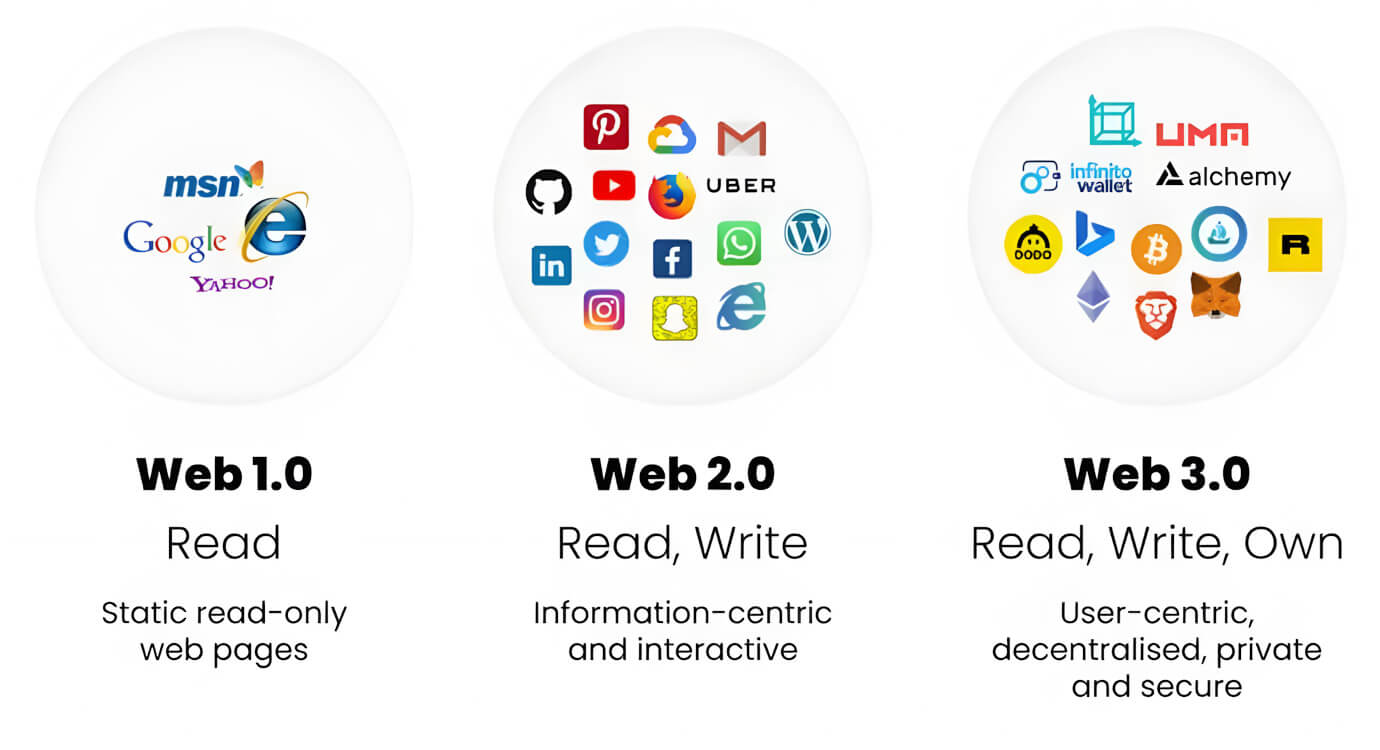
The difference goes deeper than technology. A Web3 LMS replaces platform-controlled revenue splits with smart-contract royalties for instructors, replaces editorial gatekeeping with DAO-governed curriculum management, and replaces certificate fraud exposure with immutable on-chain records.
Why Build a Web3 eLearning App in 2026?
Web2 eLearning has hit a ceiling that better UX alone won't break through. The problems are structural. LinkedIn flags thousands of fake certificates every year, and employers learned long ago not to trust PDF attachments. On-chain credentials — whether NFT or Soulbound Tokens — fundamentally change the verification equation. An employer queries the blockchain directly instead of a document that could have been edited in Photoshop.Then there's the engagement crisis. The average MOOC completion rate sits around 15% because finishing a course carries no tangible value on its own. Token rewards tied to verified milestones — not self-reported progress clicks — create economic incentives that actually move engagement metrics. We've seen this mechanism work in production.
Platform lock-in is equally unforgiving. Coursera, Udemy, and LinkedIn Learning each trap learner history inside separate silos. Wallet-based credentials break those walls. One record travels with the learner across any platform.
For course creators, the math is brutal. Traditional platforms take 30–70% of revenue. Smart-contract revenue splits can cut protocol fees to 5–15%, with the rest going directly to the instructor.
Corporate HR teams still verify certificates by sending emails to institutions and waiting days for a response. On-chain credentials compress that process to seconds.
Token incentives restructure completion economics. Immutable records create portable academic history. These are the three structural problems that have resisted every Web2 fix — and that's enough to change the industry.
Key Features of a Web3 eLearning App
The feature set of a Web3 eLearning app breaks into two categories: Web3-specific features — what's impossible without blockchain — and enhanced standard features — standard LMS functionality upgraded with crypto components.
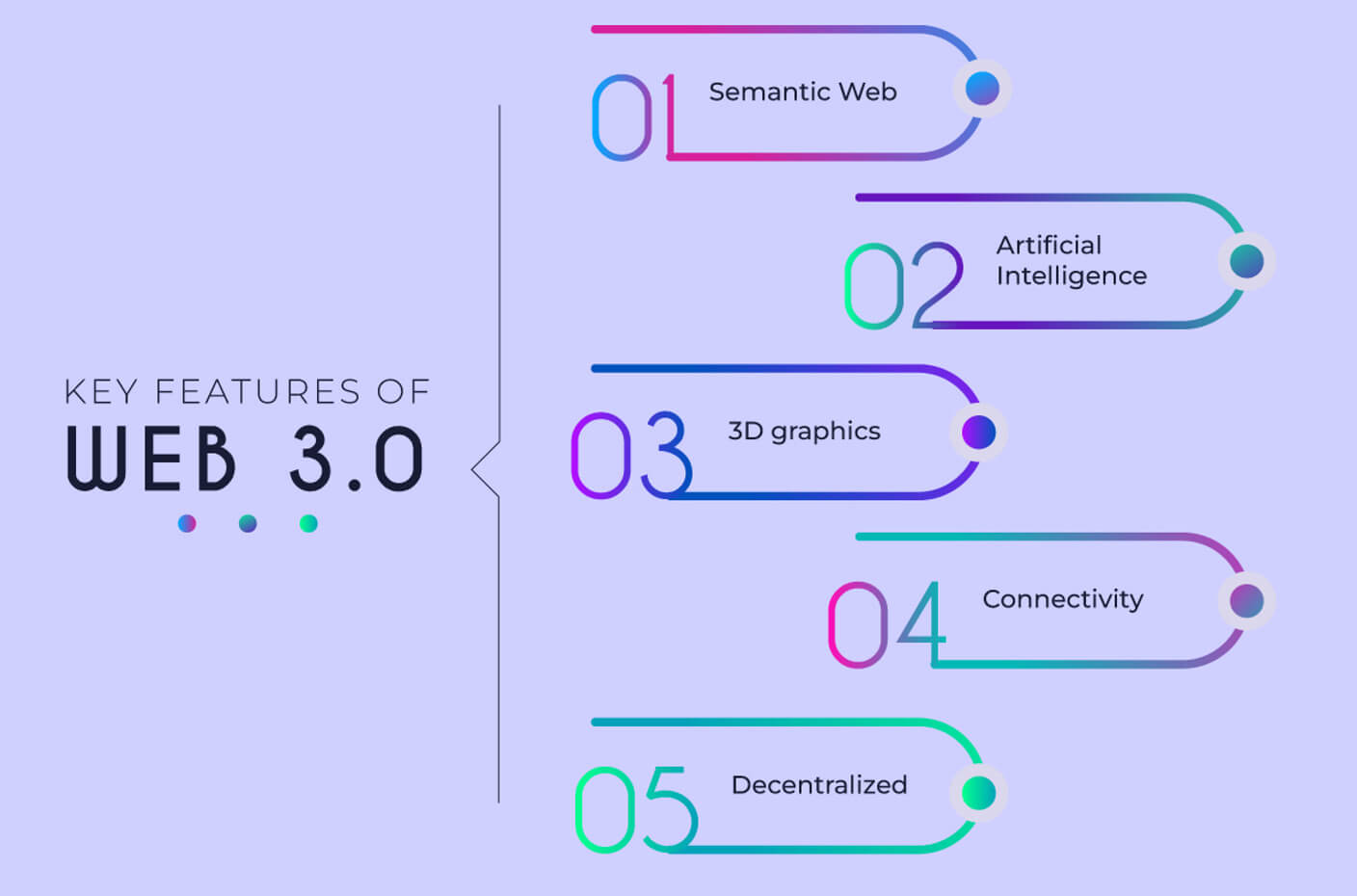
Web3-Specific Features
NFT / SBT Certificate Issuance. Certificate issuance moves entirely on-chain through automated minting. When a course is completed, a deployed smart contract initiates creation of either a transferable NFT or a non-transferable Soulbound Token, cryptographically bound to the learner's wallet address. Token metadata — stored as JSON on decentralized storage — contains the course name, completion date, final score, and the issuing organization's public address. Employers can verify directly through any block explorer, with no API integrations or institutional intermediaries required.
Learn-to-Earn Token Mechanics. The learn-to-earn economy incentivizes meaningful participation through a utility token model on the ERC-20 standard. Distribution is fully controlled by smart contracts that validate module completion, assessment threshold scores, peer-review contributions, and course ratings — all on-chain rather than based on self-reported user data. Anti-gaming protection is built into the contract: tokens are released on a vesting schedule and require a minimum content engagement depth, making mechanical click-through economically unprofitable.
On-Chain Learning Pathway (Soulbound Tokens). Educational trajectories gain permanence through accumulating SBT records. Each completed course mints a non-transferable token to the user's wallet, building an immutable academic transcript that persists across platform and wallet changes. Prerequisite logic is implemented natively in enrollment smart contracts: the contract checks for the required foundational SBTs in the student's wallet before unlocking access to advanced programs.
Smart Contract Revenue Distribution. Revenue distribution happens in a trustless manner through payment-splitting smart contracts. When a course is purchased, the contract instantly distributes predetermined percentages to stakeholders — typically the instructor, the platform protocol, and the community treasury — with no manual intervention or off-chain accounting. This architecture eliminates payment delays and removes all platform discretion over creator compensation.
DAO Curriculum Governance. Staked token holders propose and vote on accreditation criteria, quality standards, and new course approvals through on-chain voting mechanisms, creating a self-regulating ecosystem without centralized editorial control.
Enhanced Standard Features
Wallet-based login + DID. Authentication replaces email/password with cryptographic wallet signatures per EIP-4361 or via WalletConnect. Decentralized Identifiers (DIDs) bind to the user's public key, enabling sovereign identity without centralized data storage. In practice, we combine this with Verifiable Credentials: learner attributes are verified off-chain while privacy is preserved through zero-knowledge proofs.
IPFS course content storage. Learning materials publish to IPFS, yielding content-addressed hashes that guarantee content immutability and censorship resistance. The on-chain contract stores only the IPFS CID, reducing storage costs and enabling decentralized delivery through gateways or native nodes. Encryption ensures that only addresses holding valid access tokens can decrypt content — for example, via Lit Protocol or equivalent access-control networks.
Smart contract escrow for subscriptions. Recurring payments are managed by escrow contracts that lock subscriber funds and release them against usage metrics or time expiry. Chainlink Keepers automate periodic payouts without manual intervention, and refund policies are encoded directly into contract logic. This creates a trustless relationship between platform and user, removing intermediaries from the payment chain entirely.
From Our Engineering Practice: Embedded Wallets & On-Chain Token Architecture
We've built production Web3 applications where wallet-based authentication and on-chain token distribution were core infrastructure components. Several patterns from that work translate directly to eLearning contexts.
Any system that treats these as separate account types creates downstream complexity when users want to migrate from embedded to self-custody. The wallet address is the identity. Everything else is the entry mechanism. In practice, we observed that over 70% of initial registrations on consumer-facing Web3 products happen through the embedded path. Build that path first — MetaMask support can come in sprint two.
ERC-20 token distribution via smart contracts: We built a DEX platform with a governance token and an automated fee/revenue-split contract. The contract architecture — splitting payments instantly on-chain between multiple stakeholders — is architecturally identical to what a Web3 LMS needs for instructor revenue distribution. One lesson that applies directly: do not encode stakeholder percentages as constructor parameters at deployment.
Store them in upgradeable storage and protect with a timelock + governance multisig. Accreditation economics change, instructor agreements change, protocol fees change. Contracts that require redeployment to update payment splits cause operational disruption at the worst moment — right when the platform is scaling.
Web3 eLearning App Tech Stack
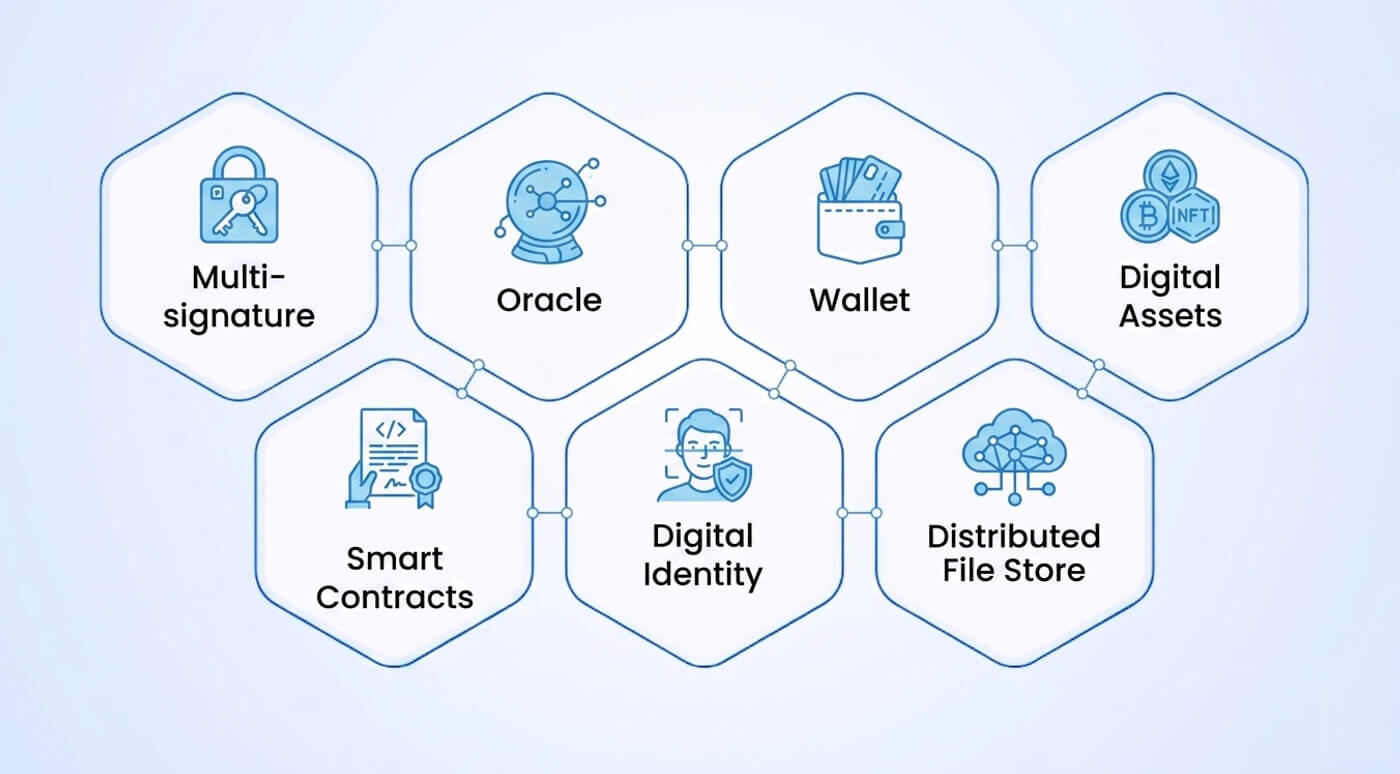
Tech stack selection in web3 elearning app development locks in architecture for years. Changing the blockchain or smart contract framework at month four means rebuilding half the system. What follows isn't a theoretical wishlist — it's a production-tested stack with concrete justifications and real numbers.
| Layer | Technology | Justification |
|---|---|---|
| Blockchain | Polygon / Base (L2) | Gas costs 1000x lower than Ethereum mainnet. 10k NFT credentials: ~$20 on Polygon vs ~$20,000 on mainnet. |
| Smart Contracts | Solidity + OpenZeppelin | ERC-20 for reward token, ERC-5114 for SBT credentials, ERC-721 for transferable certificates. Audited implementations. |
| Dev Framework | Hardhat / Foundry | Foundry for faster fuzzing; Hardhat for JS-familiar teams. Both handle deployment scripts with address management. |
| Wallets | Privy / Magic.link (embedded) | Email or social login creates wallet silently. Removes MetaMask as onboarding barrier. Advanced users can connect external wallet later. |
| Video Delivery | Livepeer / Cloudflare CDN | Livepeer for decentralization; CDN hybrid for cost efficiency at volume. |
| Backend | Node.js + PostgreSQL | Course catalog, progress tracking, search, notifications. No reason to store these on-chain — it inflates costs with no trust benefit. |
| Indexing | The Graph | Efficient queries for credential issuance history, learner transcripts, token balances. Without an indexer, you scan blocks manually. |
| Identity (optional) | Ceramic / DID | Portable learner identity across Web3 education platforms. Worth the layer if you're building a multi-platform ecosystem. |
How to Build a Web3 eLearning App — Step by Step
Step 1. Define credential architecture before touching the interface. Choose between NFT (transferable, sellable) and SBT (non-transferable, permanently bound to the learner). Most educational certificates should be SBTs — a diploma tradeable on OpenSea defeats the purpose of verification. Lock in the issuance triggers: score threshold, module completion, or time-based vesting. Specify the metadata schema: course ID, grade, issuer address, expiry date.
Step 2. Design learn-to-earn tokenomics with explicit anti-gaming mechanics. Set minimum time-on-page requirements and randomized question pools for assessments. For higher-tier tokens, require peer review contributions. Define token utility before writing a line of code: governance voting, fee discounts, access to advanced courses, or staking for educator credibility signals. Tokens without clear utility inflate and lose motivational value within three to six months.
Step 3. Implement embedded wallet for mainstream user onboarding. Requiring MetaMask installation before course enrollment will eliminate 70–80% of your audience. Use Privy or Magic.link: the wallet is provisioned in the background through email or social login. Learners get Web3 benefits without the friction of managing seed phrases. Advanced users can always connect an external wallet later for full asset control.
Step 4. Build four core smart contracts with an upgradeable proxy pattern. CredentialFactory mints SBTs on verified completion. RewardToken is the ERC-20 for learn-to-earn distribution. CourseRegistry stores the on-chain course catalog with pricing and educator addresses. RevenueDistributor automatically splits payments between instructor, platform, and treasury. Use OpenZeppelin upgradeable contracts: accreditation standards evolve, metadata structures need updating — don't lock yourself into a full redeploy every time.
Step 5. Build the off-chain backend before integrating blockchain events. Progress tracking, video player, search, and notifications stay in PostgreSQL and Node.js. The blockchain records completion facts and issues credentials — it doesn't store every click and video timestamp. Get the off-chain system working first, then layer smart contract events on top of verified milestones. Cheaper to operate, simpler for compliance audits.
Step 6. Audit smart contracts before mainnet deployment. A compromised credential contract can issue fraudulent certificates, causing institutional trust damage that can't be quantified in dollars. Budget $10,000–$25,000 for a professional audit. If targeting formal accreditation — ACE, CPD, state licensing boards — bring accreditation consultants in early. Technical blockchain implementation and regulatory recognition are parallel workstreams that both need to start at project kickoff.
Step 7. Build the mobile app with embedded wallet support from day one. Most eLearning content is consumed on smartphones, and retrofitting wallet support into an existing React Native project is expensive. Follow Apple and Google policies: learn-to-earn mechanics can't be framed as financial rewards. Frame them as course completion rewards or achievement tokens. The substance is identical — the framing determines app review outcomes.
With UUPS, it was a governance-approved upgrade executed in a single transaction. For a CredentialFactory contract specifically, build in version metadata from day one — accreditation standards change, and you'll need a path to issue v2 credentials without invalidating the v1 archive.
Web3 eLearning App Development Cost
Budgeting for web3 elearning app development depends less on interface design complexity and more on blockchain integration depth, compliance requirements, and the volume of credentials the platform will issue annually.
| Tier | Scope | Cost Range | Timeline |
|---|---|---|---|
| MVP | 1–2 credential types, basic ERC-20 token, progress UI, embedded wallet. No mobile app, no DAO governance. | $45,000–$80,000 | 3–4 months |
| Full-Featured | DAO curriculum governance, IPFS content persistence, smart contract revenue splits, native mobile apps. | $90,000–$150,000 | 6–9 months |
| Enterprise | SSO via SAML/OIDC, custom compliance reporting, HR system integration. Timelines extend due to IT and legal alignment. | $150,000+ | 9–14 months |
Hidden cost drivers routinely exceed web3 development budgets. Smart contract audit: $10,000–$25,000. Ongoing gas fees: a few dollars to tens of thousands annually depending on blockchain choice.
At current gas prices, minting 50,000 SBTs on Ethereum costs $40,000–$80,000 in gas alone — annually, recurring. The same operation on Polygon costs $40–$80. This is not theoretical optimization. It's the difference between a viable business model and one that breaks at scale. This calculation should be the first step in any Web3 eLearning project discovery session.
From Our Practice: NFT Tokenization Architecture in Production
Our experience with real-estate tokenization projects that reached production provides directly applicable architectural patterns for Web3 eLearning credential systems. While the domain differs, the core challenge is identical: issuing on-chain tokens that represent real-world ownership or achievement, with legal/institutional recognition requirements and a user base that expects mainstream-grade UX.
We learned this the hard way when a regulatory change required adding a new compliance field to tokens that were already minted. For immutable tokens like SBTs, you can't retroactively edit token metadata stored on IPFS — you need a pointer-based architecture where the on-chain token references a mutable off-chain record (cryptographically signed, but updatable). The same applies to eLearning credentials: accreditation bodies change their requirements, courses get updated, employers want different metadata fields. Design your credential metadata architecture for evolution, not just for issuance.
SEC compliance parallel: That project operated under full SEC regulation, and getting that cleared required parallel tracks — technical implementation and legal/regulatory sign-off — running simultaneously from month one. Clients who treat accreditation recognition as a post-launch problem consistently find it takes longer than the development itself.
In the eLearning context: ACE credit recognition, CPD point certification, or state licensing board approvals are multi-month processes that need to start at project kickoff, not after deployment.
Web3 eLearning Use Cases in 2026
Web3 eLearning apps add measurable value not in the abstract, but in specific verticals where the trust layer and incentive layer solve concrete existing problems.
Professional Certification. Accounting (CPA), law (CLE credits), medicine (CME) — industries with mandatory continuing education and strict verification requirements. On-chain credentials reduce employer verification from days to seconds. SBTs with expiry dates automatically enforce re-certification cycles.
Corporate Learning (L&D). Companies issuing compliance training certificates (GDPR, AML, safety) gain immutable audit trails. HR systems that query employee credentials via smart contract eliminate manual verification overhead. Several Fortune 500 companies piloted blockchain credentialing in 2024–2025.
Coding Bootcamps and Technical Education. The strongest adoption audience — users already hold crypto wallets. NFT credentials with on-chain portfolio links (GitHub, deployed contracts) create verifiable proof of work that a resume can't replicate.
Language Learning with Token Incentives. Duolingo proved that gamification drives engagement. Token rewards instead of streak flames create economic stakes that improve retention — especially in markets where learners have a direct financial incentive to acquire skills.
University Micro-credentials. Universities experimenting with blockchain diplomas (MIT Media Lab started in 2017 with Blockcerts) are increasingly moving toward NFT-based credentials compatible with standard wallet infrastructure.
Our Experience with Web3 Platforms
We've been building LMS platforms since 2015 and Web3 applications since 2018. Web3 eLearning sits exactly at the intersection of these two practices. The projects that deliver real value are the ones where it's clearly defined upfront which learning outcomes benefit from on-chain verification — and which features are blockchain theater that adds cost without adding trust.
Credential architecture decisions — NFT vs SBT, single contract vs factory pattern, metadata on-chain vs IPFS — have downstream consequences for every other part of the platform. We spend the first week of every project exclusively on credential design before touching other features. Teams that skip this step systematically end up rewriting their credential system at month four.
Gas cost is the most consistently underestimated budget line. Clients who budget for development but don't account for ongoing credential issuance gas fees on the wrong blockchain learn about this expensively. L2 deployment (Polygon, Base) is the correct choice for any platform issuing more than a few hundred credentials per month.
How is a Web3 eLearning app different from Coursera or Udemy?
A Web3 eLearning app ties identity to a crypto wallet instead of an email address. Unlike Coursera, a blockchain eLearning platform issues NFT credentials directly on-chain. Employers verify them in a block explorer in seconds — no institution to contact. The learner owns their educational history regardless of what happens to the platform, and it's cryptographically impossible to fake.
How much does Web3 eLearning app development cost?
An MVP web3 elearning app starts at $45,000. A full-featured blockchain eLearning platform runs $90,000–$150,000. Enterprise integration starts at $150,000. The most important variable isn't development cost — it's ongoing gas fees. Issuing 50,000 certificates on Ethereum costs $40,000–$80,000 per year in gas. The same operation on Polygon costs $40–$80.
What is the learn-to-earn model and how does it work?
The learn-to-earn model distributes ERC-20 tokens for verified progress in a web3 elearning app. A smart contract validates module completion or assessment scores on-chain — not through self-reported clicks. Anti-gaming mechanics are mandatory: minimum time-on-page, randomized question pools, vesting schedules. Token utility must be clearly defined before deployment — without it, the token inflates and loses motivational value within months.
How do employers verify NFT certificates?
The employer checks the learner's wallet address in a block explorer. NFT credentials contain metadata: course name, completion date, score, issuer address. Everything is immutable and publicly verifiable. No emails to universities, no waiting for responses — verification takes seconds. The issuing smart contract should be audited and the issuer's address should be publicly registered.
Which blockchain is best for issuing educational credentials at scale?
For mass credential issuance, choose an L2: Polygon or Base. Ethereum mainnet is prohibitively expensive. Minting 10,000 NFT credentials on mainnet costs thousands of dollars; on Polygon, it costs dollars. Web3 eLearning app development should always start with a gas cost calculation before blockchain selection — the math changes the entire cost model.
Do learners need MetaMask or crypto experience to use a Web3 eLearning app?
No — and this is one of the key design requirements. Requiring MetaMask before course enrollment eliminates 70–80% of mainstream users. The correct approach is embedded wallets (Privy, Magic.link): the wallet is created in the background through email or social login. Users get all the Web3 benefits — on-chain credentials, token rewards, portable history — without touching seed phrases. Advanced users can connect an external wallet later for full self-custody.