
If you want to create an OTC crypto exchange, the starting point is understanding what makes OTC fundamentally different from a retail exchange. There's no public order book. Instead of matching anonymous bids and asks, an OTC platform runs a request-for-quote (RFQ) flow: a counterparty requests a price, the dealer quotes with a TTL window, both sides agree, and settlement happens on controlled rails. That bilateral structure is the core of what you're building — and every architectural decision flows from it.
This guide covers what it takes to build an OTC crypto exchange from the ground up: the five platform models, the RFQ engine as the technical core, compliance architecture for institutional counterparties, settlement infrastructure, and the full step-by-step development process. Whether you're building a custom desk or evaluating a white-label approach, the sections below map the real decisions you'll face before writing a line of code.
Unlike regular spot exchanges, OTC platforms handle large-volume trades discreetly — minimizing market impact and slippage. The demand for OTC crypto exchange development keeps rising in 2026 as institutional adoption grows and reporting expectations tighten. Brokers and automated desks are migrating from chat-based workflows to structured platforms precisely because compliance and audit requirements now demand it.

How OTC Crypto Trading Works
Over-the-counter (OTC) crypto trading is all about making large volume trades directly between buyers and sellers, without showing up on public order books like a normal exchange. This keeps your transactions private and helps avoid big price swings caused by large trades hitting the market.
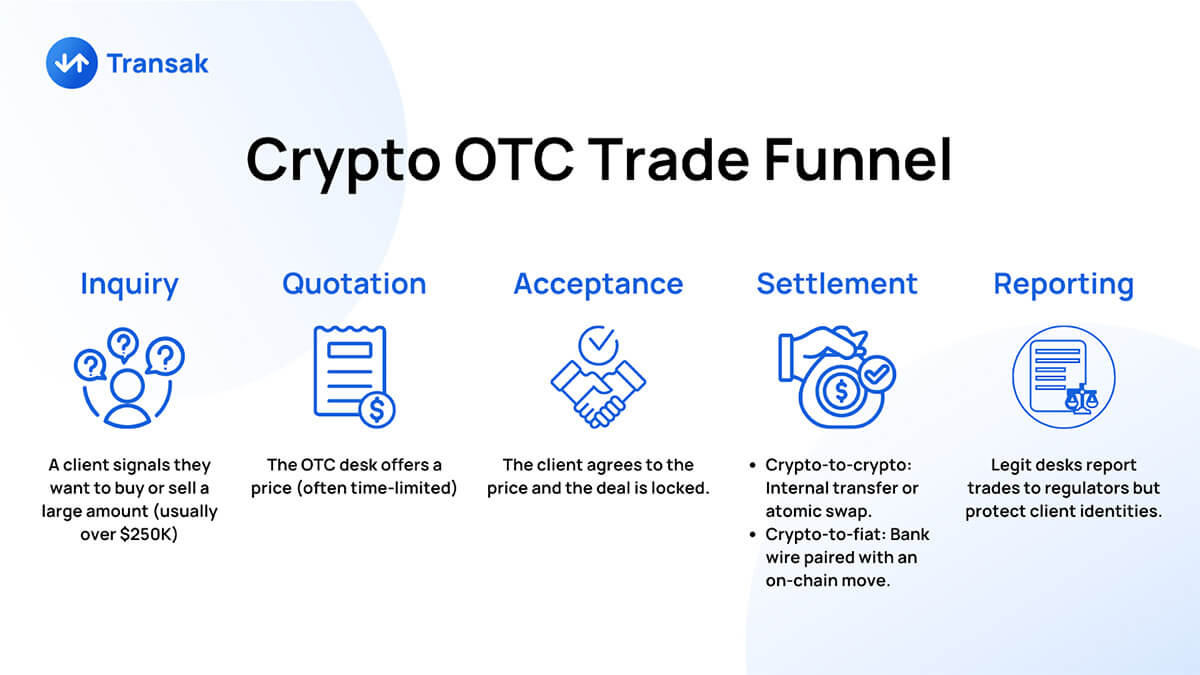
The core mechanics involve Request for Quote (RFQ), where you ask for a price, negotiate terms, and settle the trade based on your business requirements. This negotiation flexibility is a huge advantage over traditional exchanges that have fixed pricing and order execution.
There are two main types of OTC trading: custodial and non-custodial. Custodial means the platform or OTC desk holds your crypto coins securely during the transaction, while non-custodial lets you maintain control of your assets throughout the trading process. Both options offer safe and secure transactions but cater to different trader preferences.
OTC desks play a crucial role here, acting as intermediaries that source liquidity from market makers and ensure price stability, so you get fair, competitive rates without market disruption. They also help manage the trading process, making convenient transactions possible even for complex deals involving fiat to crypto or crypto to crypto exchanges.
In the OTC market, large volume traders benefit from tailored pricing, flexible settlement times, and access to a deep pool of liquidity, which you won’t find on regular exchanges. This makes OTC crypto trading platforms ideal if you want to buy or sell cryptocurrencies discreetly and efficiently, without affecting market prices or attracting unwanted attention. Institutional investors particularly prefer OTC trading to avoid price slippage during large trades.
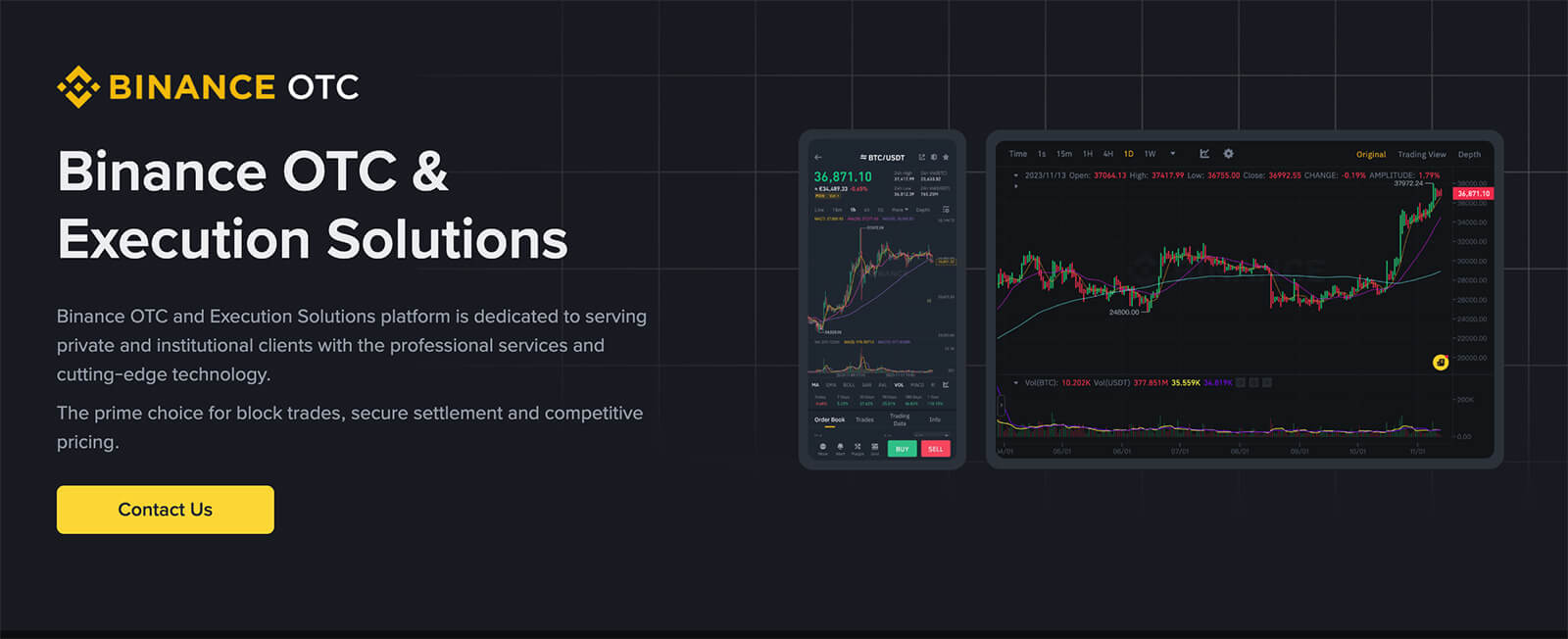
OTC Exchange vs. Standard Cryptocurrency Exchange
When you're diving into the world of crypto trading, understanding the difference between an OTC exchange and a standard cryptocurrency exchange is crucial. OTC crypto exchange platforms let you trade large volumes directly with another party, without the trade showing up on a public order book. This means your big moves stay private, avoiding market fluctuations caused by visible large orders.
Unlike standard exchanges where trades are automated and transparent, OTC trading involves manual negotiation and price setting, giving you more control over the deal terms. This hands-on approach also means better protection against price slippage, which is common in regular exchanges when large orders impact market prices.
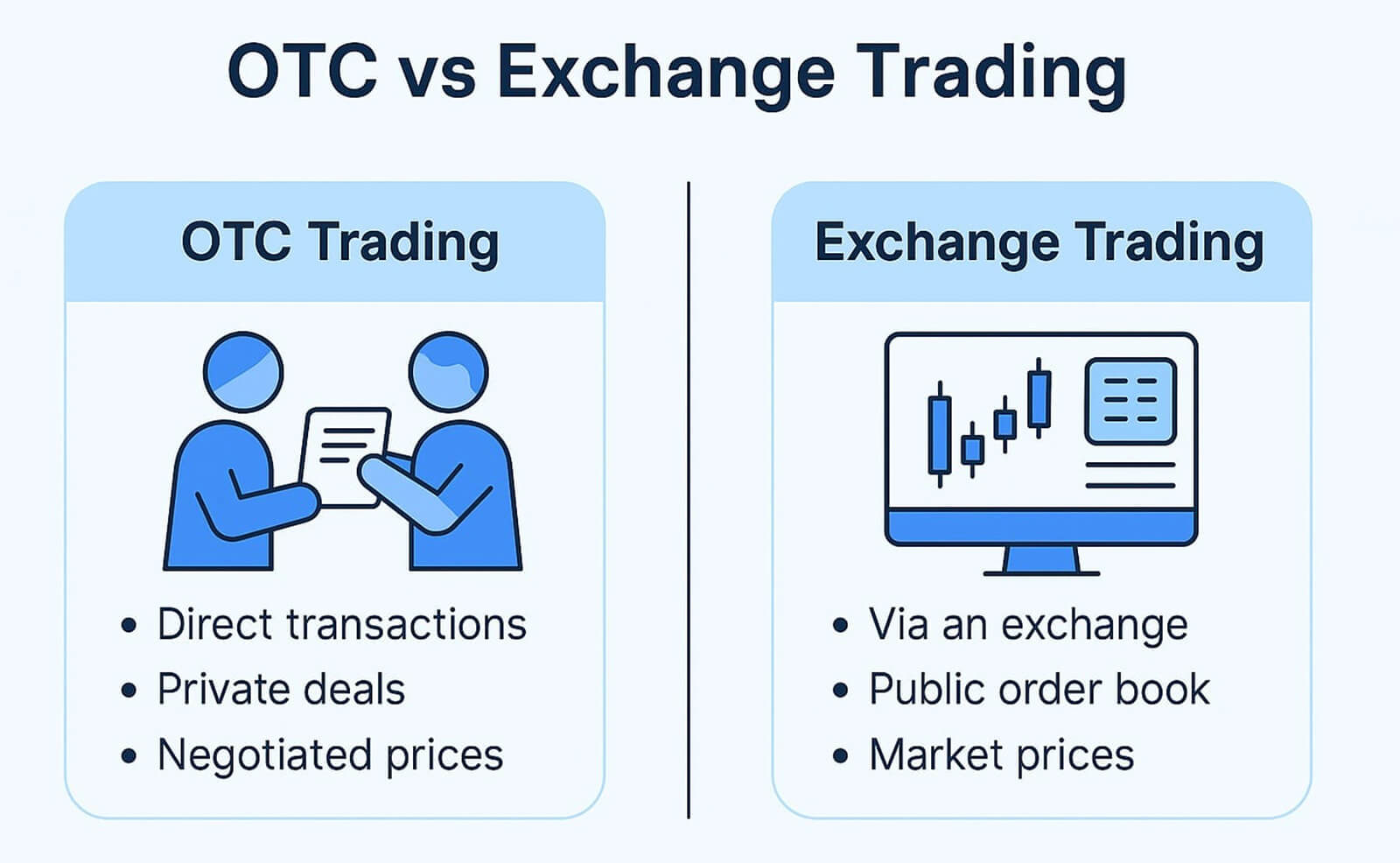
Privacy is another big win with OTC platforms. They often have more intense KYC (Know Your Customer) processes to ensure compliance and security, but your trades remain confidential compared to the open nature of standard exchanges.
Liquidity management differs too. OTC desks work closely with liquidity providers and market makers to ensure deep liquidity pools, so even massive trades can be executed smoothly without disrupting market prices. Standard exchanges rely on their order books, which can struggle with very large trades.
Compliance and reporting on OTC platforms are tailored for institutional investors and high-volume traders, with detailed transaction reports and regulatory adherence, making them suitable for financial institutions and businesses operating under strict legal frameworks.
However, regulatory uncertainty in the crypto space varies significantly by region and is constantly evolving, creating a complex compliance landscape.
Here's a quick comparison to sum it up:
| Feature | OTC Exchange Platform | Standard Cryptocurrency Exchange |
|---|---|---|
| Order Book Visibility | No public order book; private trades | Public order book; trades visible to all |
| Price Execution | Manual negotiation; price slippage minimized | Automated execution; potential slippage |
| Privacy | High privacy with strict KYC | Lower privacy; trades are public |
| Liquidity Management | Deep liquidity via OTC desks and providers | Dependent on order book depth |
| Compliance & Reporting | Customized for institutional needs | Standardized reporting |
Understanding these differences helps you choose the right platform based on your trading goals—whether you prioritize privacy, large-volume trades, or quick, automated transactions.
Types of OTC Crypto Platforms
Before you create an OTC crypto exchange, the most consequential decision is which model you're building. Each type has a different risk profile, compliance burden, and technical crypto exchange architecture. Getting this wrong means rebuilding the core.
Broker-Style OTC Desks
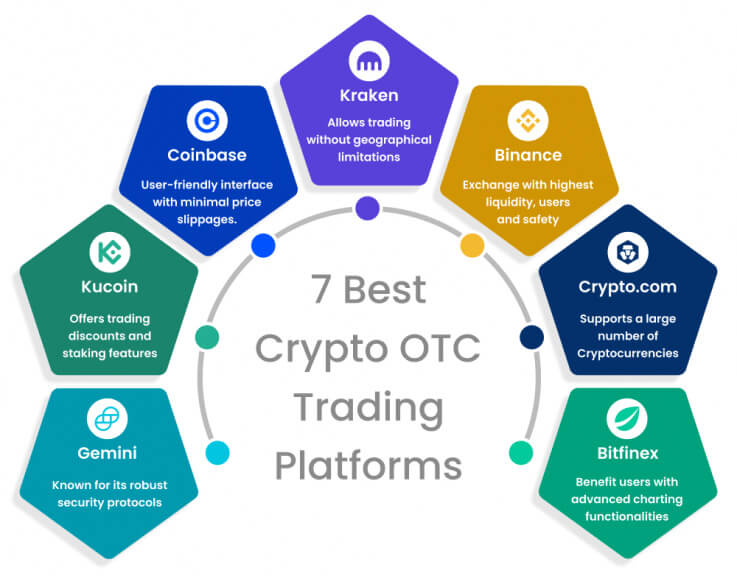
The classic OTC model. A broker acts as intermediary — sourcing liquidity, quoting prices, managing settlement. The broker typically runs principal risk: they take the other side of the trade from their own inventory, then hedge separately. Broker-style desks require inventory management, real-time position tracking, and LP connectivity. This is the model used by institutional OTC desks at Coinbase, Kraken, and Genesis. Regulatory requirement: broker-dealer registration in most jurisdictions.
Automated OTC Platforms (RFQ Engines)
An automated OTC trading platform replaces the manual broker workflow with a structured RFQ engine: quote requests are submitted programmatically, prices generated automatically based on LP feeds and inventory rules, and execution happens without human intervention on standard-sized trades. This is where most serious OTC crypto exchange development is heading in 2026 — it scales better, produces cleaner audit trails, and reduces operational cost per trade. The RFQ engine is the most technically complex component to build correctly.
Custodial OTC Exchanges
A custodial OTC platform holds counterparty assets during the trade. This simplifies settlement but adds significant regulatory burden: custodial operations require specific licensing in most jurisdictions (BitLicense in New York, VASP in EU). When building a custodial OTC exchange, the custody architecture — hot/cold separation, multi-sig policies, insurance requirements — becomes a first-class design concern, not an integration detail.
Non-Custodial / Smart-Contract OTC
Non-custodial OTC platforms execute trades via smart contracts — assets move directly between counterparty wallets without the platform ever holding funds. The trade is atomic: both legs settle simultaneously or neither does, eliminating counterparty risk. This model significantly reduces regulatory exposure but introduces smart contract audit requirements. Popular for DeFi-native institutional desks and OTC broker platforms that want to avoid custodial regulation.
Hybrid OTC Systems for Enterprises
Enterprise OTC systems combine multiple models: automated RFQ for standard trades, manual dealer intervention for large orders, optional custody, and multi-entity access controls. This is the most complex OTC crypto exchange to build — the RFQ engine, custody layer, and compliance infrastructure must work together under a unified access control model. Enterprise OTC builds typically start at $150,000+ and take 6–9 months for production-grade delivery.
Core Features of an OTC Crypto Exchange
If you're wondering what makes an OTC crypto exchange tick, let's break down the essential features that ensure smooth, secure, and efficient trading for both users and admins.
User Features
When you jump into an OTC crypto exchange, you want a smooth and efficient experience. Instant RFQ (Request-for-Quote) lets you quickly request prices and negotiate directly with sellers or buyers, cutting down wait times. The trade negotiation interface makes it easy to hammer out deals with clear communication and price locking ensures your agreed price stays steady until confirmation. Plus, multi-asset support means you can exchange cryptocurrencies like BTC, ETH, USDT, stablecoins, and altcoins all in one place.
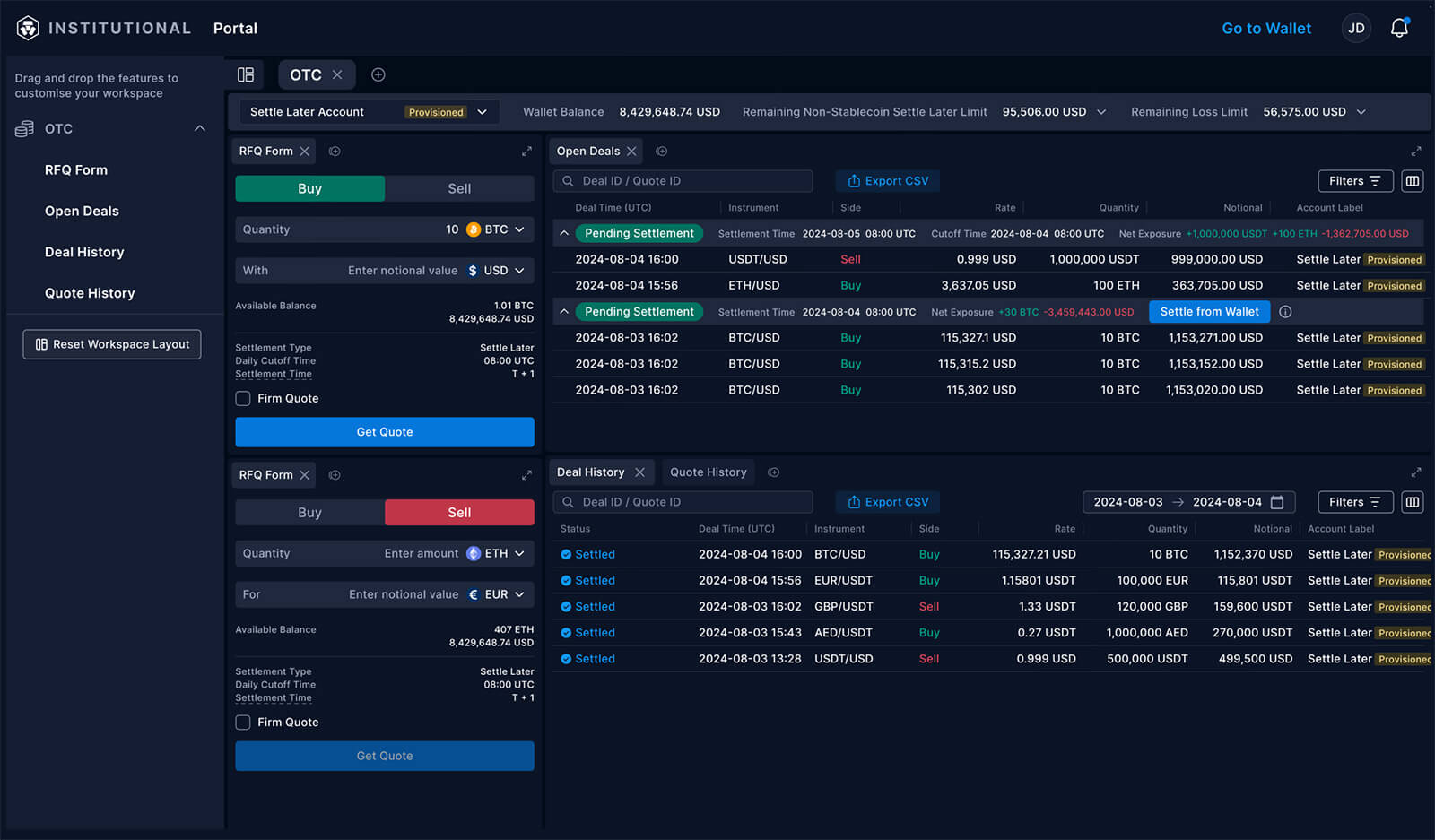
Security is key, so escrow modules handle crypto or fiat funds safely during transactions, protecting both parties. Wallet options cover hot, warm, and cold storage, giving you flexibility and safety for your digital assets. Automated price feeds keep market data accurate and up to date, helping you make informed decisions.
Admin Features
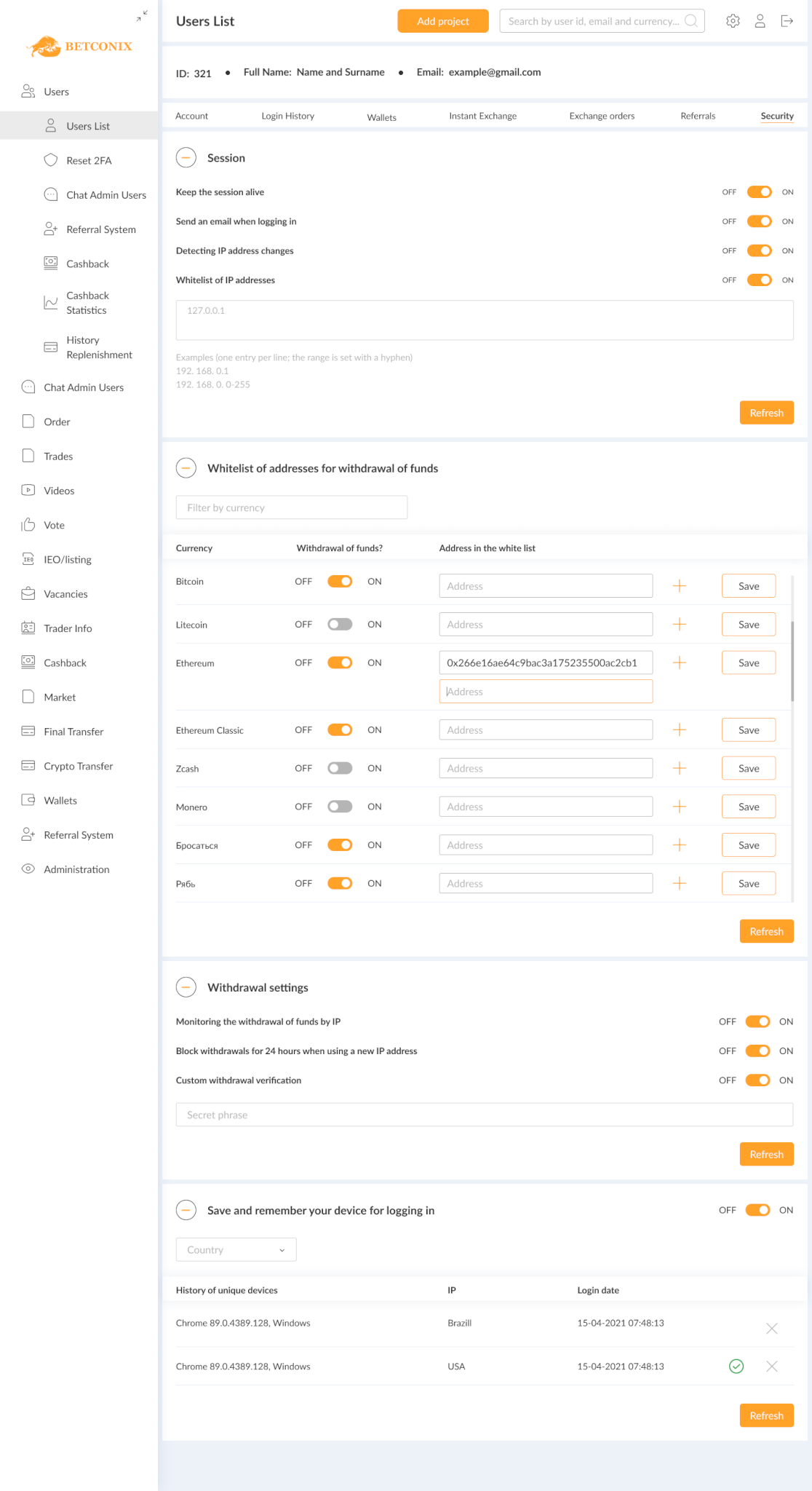
Behind the scenes, a powerful trade monitoring dashboard keeps everything transparent and under control. Liquidity routing and partner liquidity APIs ensure your trades get the best execution by tapping into multiple liquidity sources. Managing KYC/AML compliance is streamlined with a dedicated panel, making regulatory adherence easier. Fee management and markup configuration tools help admins set competitive pricing, while detailed reporting and audit logs keep all actions traceable.
Security Features
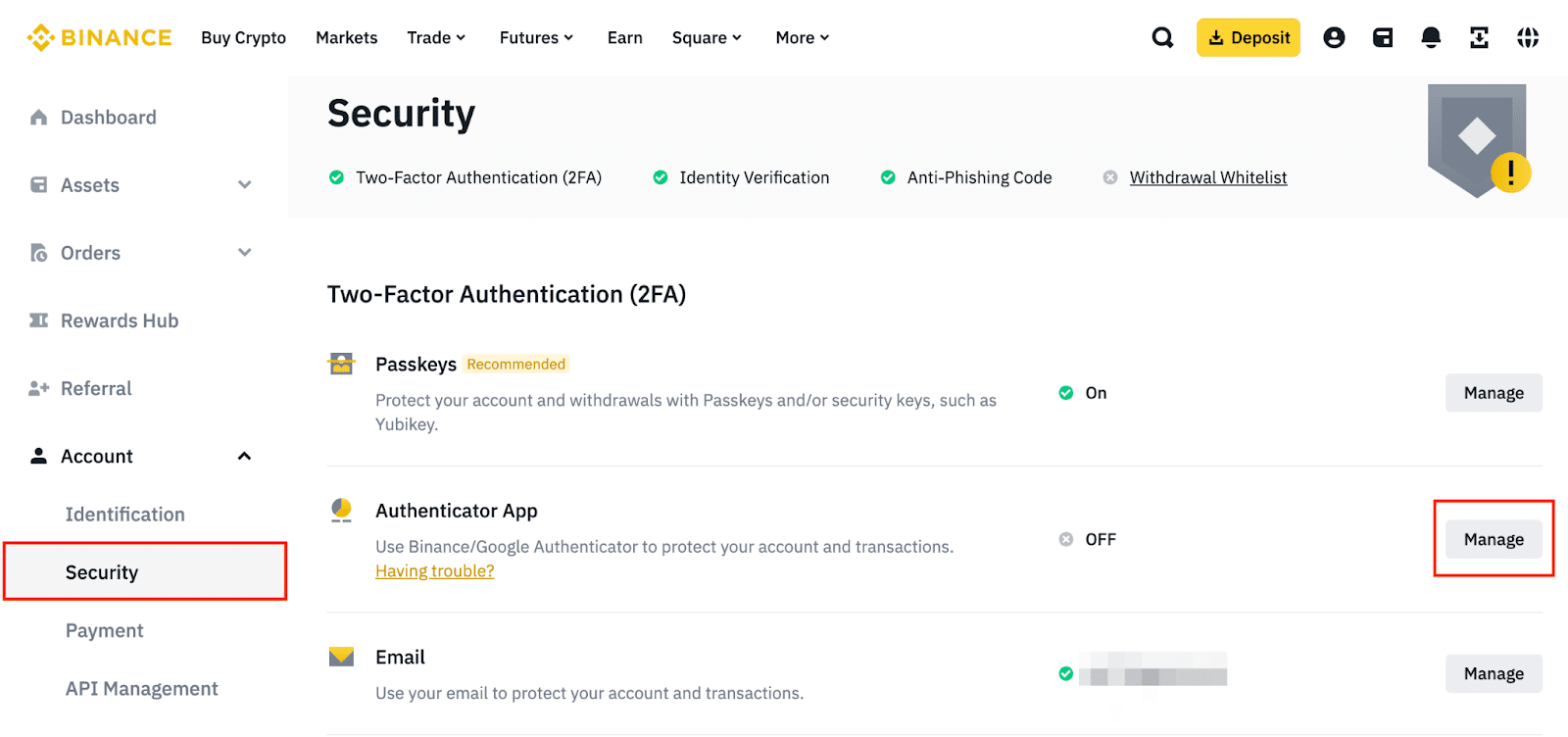
Security isn’t just a buzzword here - it’s baked in. Multi-signature wallets add an extra layer of protection by requiring multiple approvals for withdrawals. Withdrawal whitelists limit where funds can be sent, reducing fraud risk. Anti-fraud systems actively monitor suspicious activities, and secure deal settlement protocols guarantee that trades finalize safely. Defenses like DDOS protection, rate limiting, and data encryption keep the platform resilient against attacks and ensure your transactions remain private and secure.
At Merehead, we’ve already engineered high-load trading systems for centralized exchanges, including platforms with spot and futures markets. Our backend architecture supports thousands of real-time events per second using WebSockets, ensuring instant quote updates and stable RFQ execution under heavy load. This experience lets us design OTC systems with low latency, fast negotiation flows, and guaranteed price locking even during market volatility.
Technology Stack for OTC Crypto Exchange Development
When building an OTC crypto exchange platform, choosing the right technology stack is crucial for performance, security, and scalability. On the backend, popular languages like Node.js, Go, Python, and PHP/Laravel provide robust frameworks to handle complex trade execution, user management, and integration with external services. These technologies ensure your platform can manage high volumes of transactions efficiently.
In our previous exchange and tokenization projects, we used a stack built on Node.js, React, PostgreSQL, Redis, and WebSocket messaging. We also implemented gRPC microservices, Kubernetes scaling, and cloud failover systems. This technology stack enables us to deliver OTC platforms that are fully scalable, prepared for institutional traffic, and future-proof for upcoming compliance and liquidity integrations.
 Yuri MusienkoBusiness developer, Merehead
For the frontend, frameworks such as React, Next.js, and Vue offer responsive and user-friendly interfaces, delivering a seamless trading experience across multiple operating systems. A clean, intuitive user interface is essential to attract and retain both institutional investors and high-volume traders.
Databases like PostgreSQL and MongoDB are commonly used to store transaction data, user information, and trade charts securely and reliably. Wallet infrastructure integrates with custody providers such as Fireblocks, Copper, and BitGo, guaranteeing safe and secure transactions with multi-signature and cold storage options.
Blockchain nodes can be self-hosted or accessed via SaaS solutions, depending on your preference for control and scalability. Connecting with liquidity providers through APIs ensures deep liquidity pools, reducing slippage and improving price negotiation for large trades.
Messaging engines like WebSockets and Pusher enable real-time communication between users and the platform, facilitating instant trade updates and notifications. This combination of technologies forms the backbone of a reliable, scalable, and secure OTC crypto exchange software that meets the demands of the growing otc cryptocurrency market.
KYC, AML & Compliance Requirements
When building an OTC crypto exchange platform, compliance with KYC (Know Your Customer) and AML (Anti-Money Laundering) regulations is non-negotiable. These frameworks ensure that your platform operates legally and protects against fraud, money laundering, and terrorist financing. For US-based operations, this means adhering to FinCEN guidelines and obtaining MSB (Money Services Business) licensing.
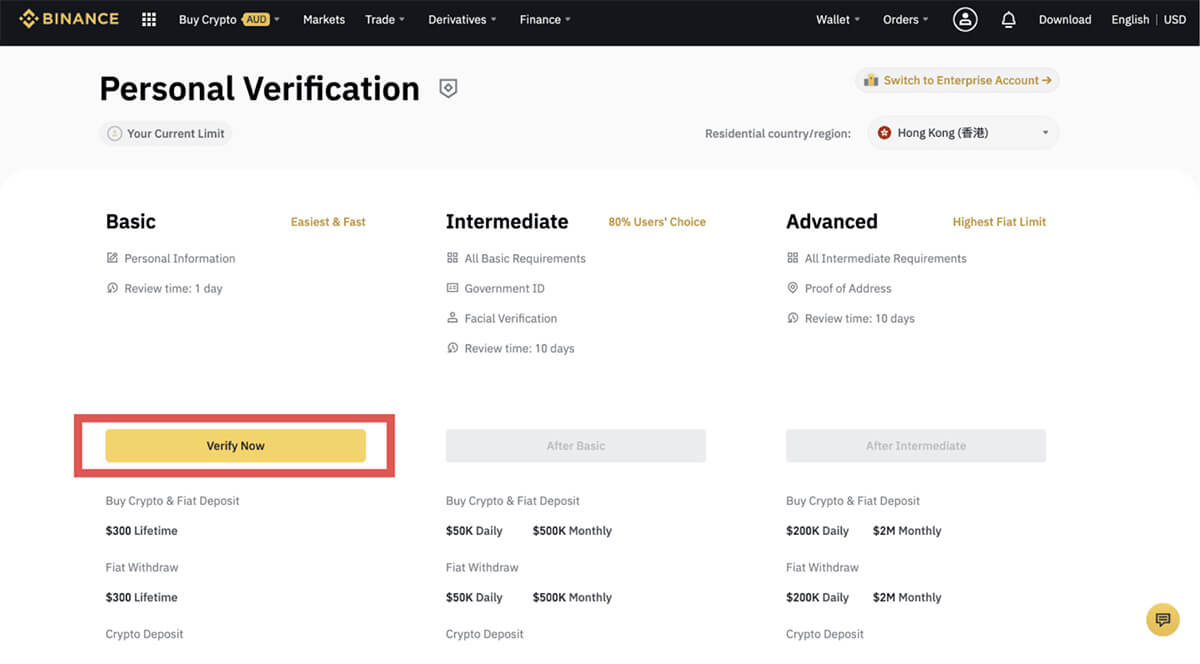
Our previous exchanges were fully integrated with SumSub, ShuftiPro, and Chainalysis to support KYC, KYB, AML screening, and Travel Rule compliance. We implemented risk scoring, suspicious-activity alerts, sanctions checks, and automated compliance reporting for high-value transactions. This framework is directly transferable to OTC platforms, where institutional clients require deep verification and regulatory-grade reporting tools.
Key Compliance Requirements You Should Know
Your OTC platform must include robust risk scoring systems to monitor and evaluate large-volume trades, preventing suspicious activity. Institutional clients require KYB (Know Your Business) checks to verify their legitimacy. Additionally, compliance with the Travel Rule mandates sharing specific transaction information between financial institutions to enhance transparency.
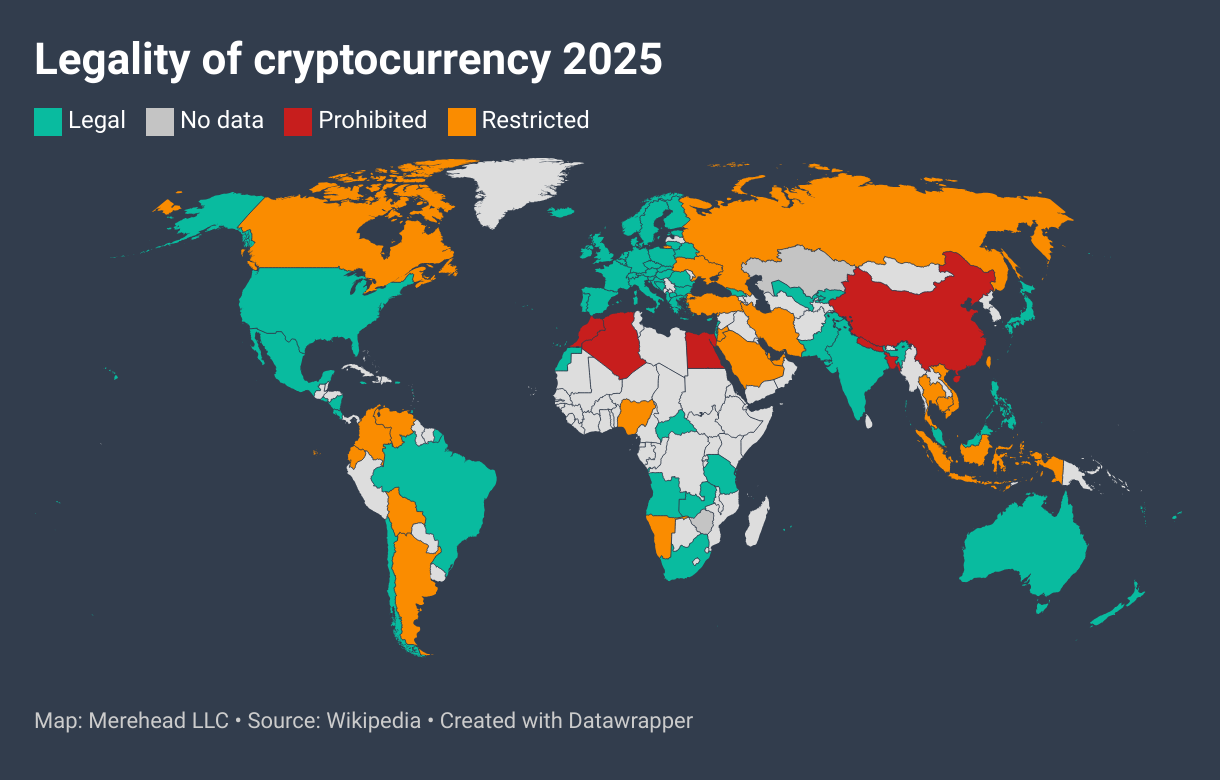
Integrations That Streamline Compliance
To meet these stringent requirements, integrating with third-party compliance services like SumSub, ShuftiPro, and Chainalysis is essential. These tools automate identity verification, sanction screening, and blockchain analytics, making your compliance process efficient and reliable.
Why Compliance Matters for Your OTC Platform Success
Failing to meet these compliance standards can lead to hefty fines, legal troubles, and loss of reputation. On the flip side, a compliant OTC crypto exchange platform builds trust with institutional investors and high-volume traders, ensuring smooth, secure, and legally sound transactions. This is critical for maintaining a competitive edge in the evolving crypto market.
How to Create an OTC Crypto Exchange: Step-by-Step Development Process
Here is the complete process to create an OTC crypto exchange from initial requirements to production launch — the same workflow Merehead follows across custom and white-label OTC builds.
Ready to build your own OTC crypto exchange? Let’s walk through the essential steps to get your platform up and running smoothly, from research to deployment.
Step 1. Market Research & Regulation Requirements
Before diving into development, start with thorough market research. Understand your target users, competitors, and the specific needs of institutional investors and high-volume traders. Also, analyze the regulatory landscape in your operating regions to ensure compliance with KYC, AML, and licensing requirements. This groundwork helps you build a platform that’s both legal and competitive.
Step 2. Functional Specification & Architecture Design
Define clear functional specifications for your OTC crypto exchange platform. This includes features like RFQ (Request for Quote) systems, multi-crypto wallet support, flexible transaction options, and security protocols such as two factor authentication. Design a scalable architecture that can handle high volumes and integrate with liquidity providers and market makers.
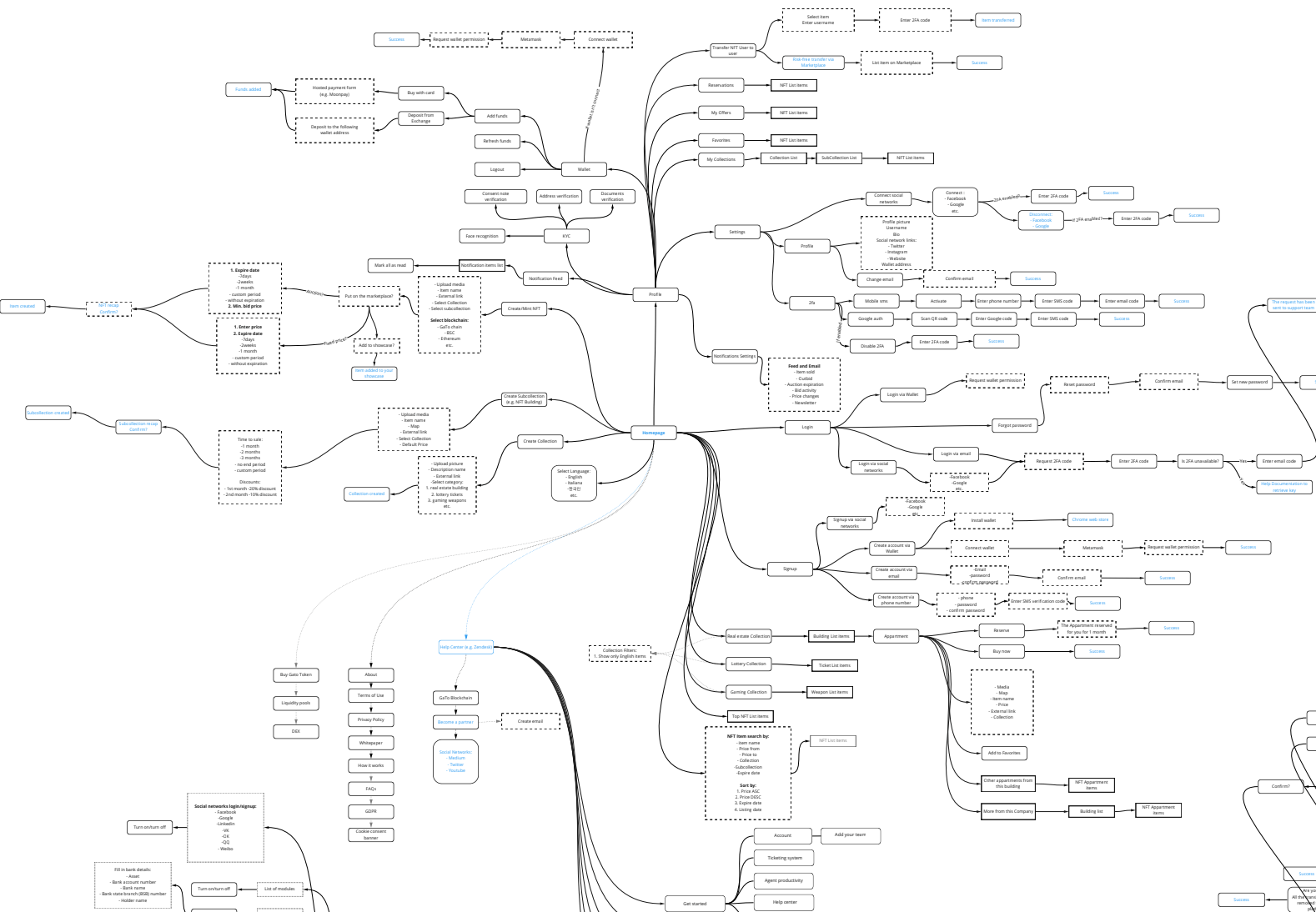
Step 3. UI/UX Wireframes for OTC Workflows
Create intuitive wireframes focusing on a user-friendly interface. OTC traders expect a seamless experience with easy navigation for requesting quotes, negotiating prices, and managing trades. The design should support real-time trade charts and market depth charts to help users make informed decisions quickly.
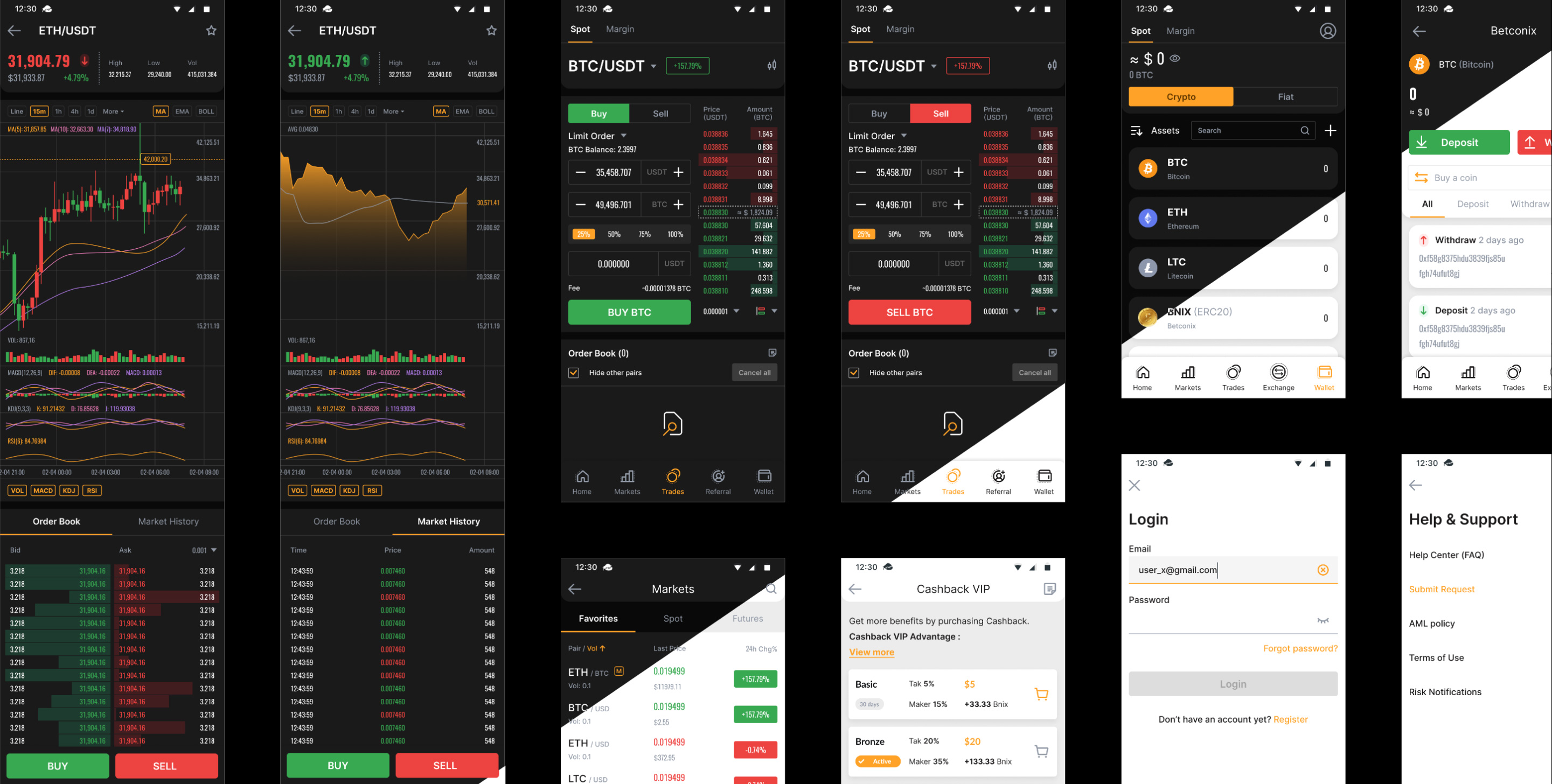
We’ve designed multi-step trading flows for exchanges with advanced modules such as negotiation interfaces, settlement confirmation screens, instant chat-style RFQ windows, transaction timelines, and admin dashboards for monitoring high-value orders. This prior experience helps us build clean, intuitive OTC workflows where traders can request pricing, negotiate, and finalize large deals with minimal friction.
Step 4. Development of RFQ Engine
The RFQ engine is the heart of your OTC trading platform. Develop a system that allows buyers and sellers to request and respond to price quotes efficiently. It should support negotiation, price locking, and instant trade execution to minimize slippage and market impact.
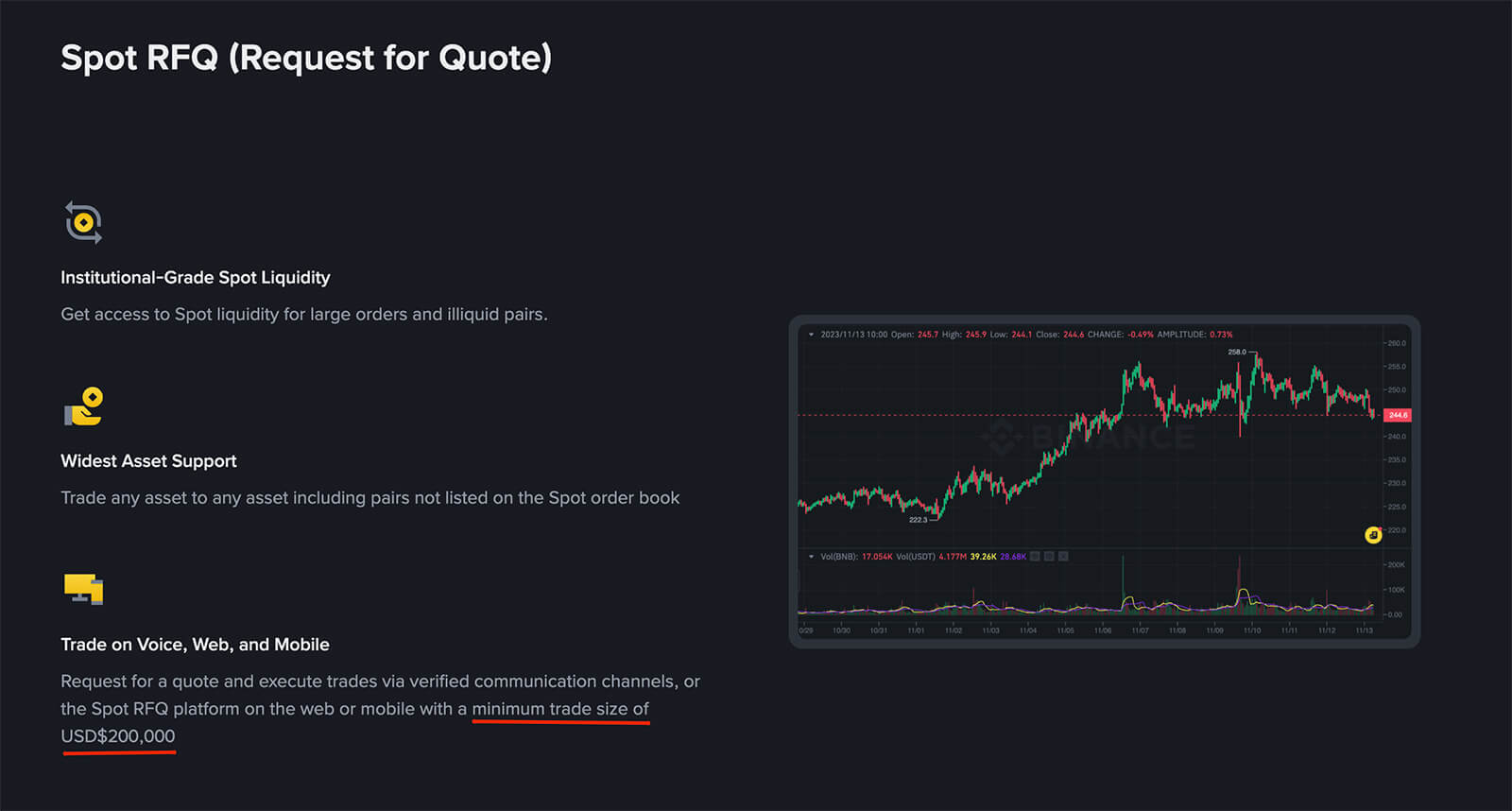
In one of our exchange projects, we built a custom high-frequency trading engine with a negotiation module that allowed institutional users to request, confirm, and lock prices in milliseconds. The same approach is applied to OTC RFQ logic: real-time messaging, price freeze timers, liquidity aggregation, and execution pipelines optimized for large-volume trades. This allows us to deliver OTC trading engines that behave fast, predictable, and resistant to slippage.
Step 5. Wallet/Custody Integration
Integrate secure wallet solutions that support hot, warm, and cold storage options. This ensures safe custody of digital assets during trades. Consider partnering with trusted custodians and implement multi-signature wallets to enhance security and enable safe and secure transactions.
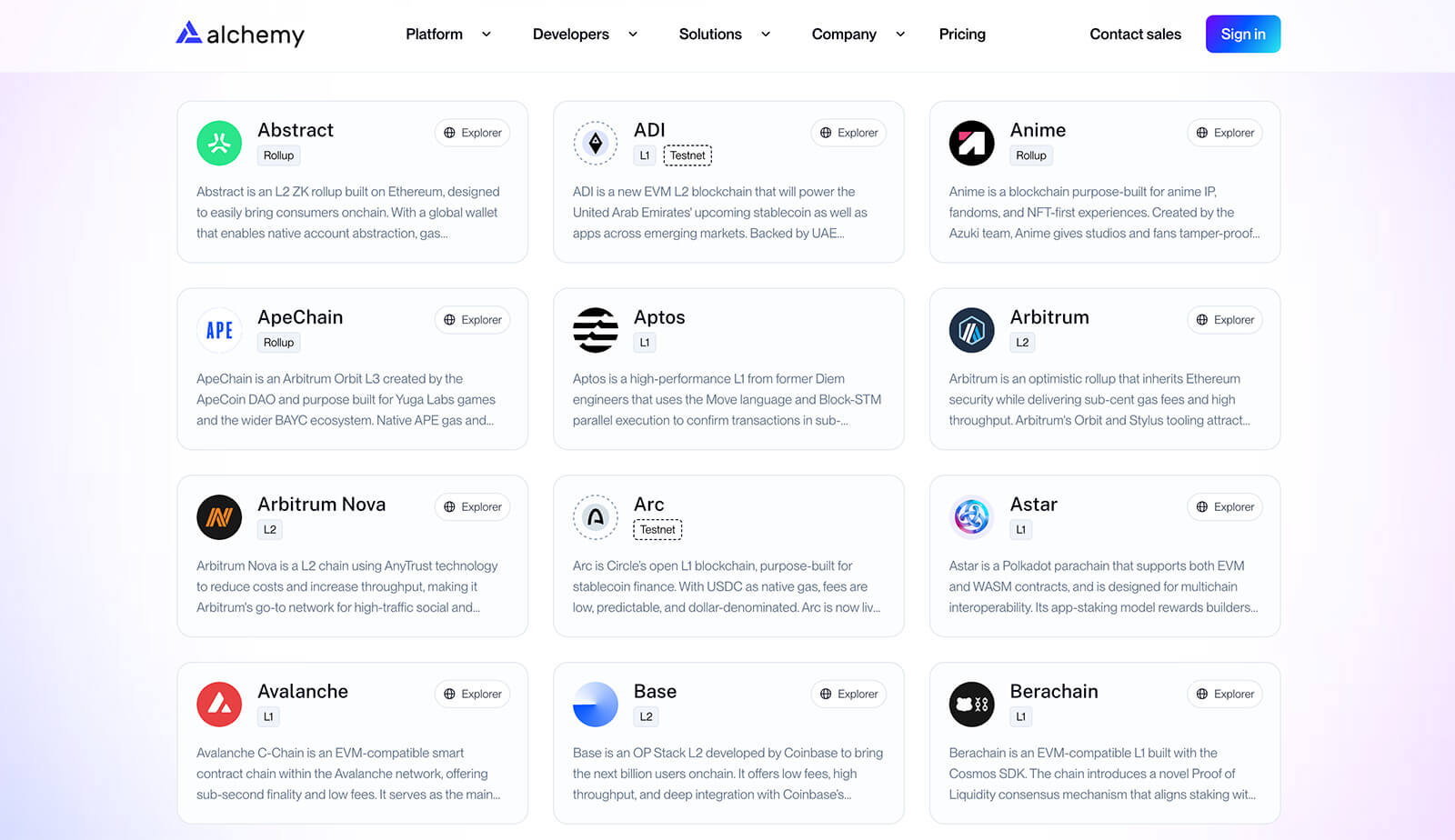
Our team has integrated multi-layer wallet infrastructures using warm, hot, and cold storage, along with external custodians such as Fireblocks, BitGo, and Alchemy. We implemented multi-sig signing servers, automated deposit processing, withdrawal whitelisting, and blockchain monitoring services. These features form a foundation for secure custody in OTC platforms, where trades often involve significant asset volumes.
Step 6. Liquidity Setup
Establish connections with multiple liquidity providers and market makers. Deep liquidity pools are essential for handling large trades without affecting market prices. Your platform should have liquidity routing capabilities to optimize trade execution and offer competitive pricing.
We have hands-on experience integrating deep liquidity pools into centralized exchanges and P2P platforms. Our team connected exchanges to external liquidity providers, built internal routing algorithms, and configured automatic price sourcing from multiple markets. In past projects we helped clients achieve stable execution even for large spot and futures orders — the same expertise we apply to building institutional-grade liquidity for OTC platforms.
Step 7. KYC/AML Implementation
Implement robust KYC and AML procedures to verify user identities and prevent fraud. Use automated compliance tools to streamline onboarding and transaction monitoring. This not only meets regulatory requirements but also builds trust with institutional clients.
Step 8. QA, Security Testing & Penetration Testing
Conduct comprehensive quality assurance and security audits. Perform penetration testing to identify vulnerabilities and fix them before launch. Security features like encryption, DDOS protection, and anti-fraud systems are critical to safeguard user data and funds.
Step 9. Deployment (Cloud + Failover)
Deploy your OTC crypto exchange platform on a reliable cloud infrastructure with failover mechanisms. This ensures high availability and scalability, minimizing downtime and providing a seamless trading experience for international traders.
Step 10. User Onboarding + Operational Playbooks
Develop clear onboarding processes and operational playbooks for users and support teams. Educate users on platform features, security practices, and compliance policies. Having detailed operational guidelines helps maintain smooth platform operations and excellent customer service.
Cost of OTC Crypto Exchange Development
Wondering how much it takes to build your own OTC crypto exchange platform? Let’s break down the key costs so you know what to expect before diving in.
Breakdown of Key Cost Components
Developing an OTC crypto exchange involves several critical components that influence the overall budget. The OTC RFQ (Request for Quote) engine is the core trading mechanism, enabling buyers and sellers to negotiate prices privately. Building this feature requires advanced backend development and integration with liquidity providers.
Liquidity systems are essential for ensuring deep pools of digital assets, allowing large volume traders to execute trades without market disruption. Wallet infrastructure, including hot, warm, and cold wallets, ensures safe and secure transactions with multi-signature and encryption technologies.
Custody licensing adds to costs by ensuring compliance and legal operation, especially for custodial OTC platforms that hold assets during trades. The admin panel and UI/UX design focus on delivering a user-friendly interface and seamless trading experience, which requires skilled frontend development.
Compliance integrations for KYC (Know Your Customer) and AML (Anti-Money Laundering) are mandatory to meet regulatory standards, involving third-party services and ongoing updates. Quality assurance (QA) and security audits, including penetration testing, are vital to protect against cyber threats and maintain platform integrity.
Ongoing support and maintenance cover updates, bug fixes, and scalability enhancements to keep your OTC crypto exchange platform running smoothly over time.
Custom vs. White-Label Solutions: Budget Ranges
When planning your OTC crypto exchange development, you can choose between custom-built platforms and white-label solutions. Custom development offers full flexibility tailored to your unique business needs but comes with higher costs and longer development times. Building a platform to handle larger transaction volumes and user numbers requires investments in cloud infrastructure and performance optimization.
White-label solutions provide a faster, cost-effective way to launch by using pre-built frameworks that you can brand and customize to a degree. Typical budgets for white-label OTC crypto trading platforms range from $50,000 to $120,000, with development taking 2 to 4 months.
Custom institutional-grade OTC platforms can cost between $250,000 and $750,000, with development timelines extending up to 12 months or more, depending on complexity and compliance requirements.
Factors Influencing Development Costs
Several factors affect the final cost of your OTC crypto exchange platform. The number and complexity of features, such as multi-crypto wallet integration, smart contract automation, and advanced security protocols, directly impact development time and resources.
Regulatory compliance requirements vary by jurisdiction and can add to costs through licensing fees and integration of sophisticated KYC/AML systems. The choice of technology stack and scalability needs also influence expenses, as robust infrastructure is necessary to handle high transaction volumes.
Partnering with experienced development teams specializing in blockchain technology and crypto OTC trading ensures efficient project delivery but may come at a premium. Additionally, ongoing operational costs for liquidity management, server hosting, and customer support should be factored into your budget.
| Cost Component | Description | Estimated Cost Range |
|---|---|---|
| OTC RFQ Engine | Core trading mechanism enabling private quotes | $20,000 - $80,000 |
| Liquidity System | Deep liquidity pools for smooth large trades | Varies by provider and scale |
| Wallet Infrastructure | Secure hot, warm, cold wallets with multi-sig | $10,000 - $40,000 |
| Custody Licensing | Legal compliance for asset custody | $10,000 - $30,000 |
| Admin Panel & UI/UX | User-friendly interface and dashboard | $15,000 - $40,000 |
| Compliance Integrations | KYC/AML third-party services and updates | $10,000 - $25,000 |
| QA & Security Audits | Testing and penetration to ensure platform safety | $10,000 - $20,000 |
| Ongoing Support | Maintenance, updates, and scalability | Monthly fees or retainer |
Choosing the right blend of features and development approach will help you optimize costs and launch a secure, scalable OTC crypto exchange platform that meets your business goals.
Challenges You Must Consider
Building your own OTC crypto exchange platform isn't without its hurdles. Let's take a quick look at some key challenges you'll want to be prepared for on this journey.
Liquidity Setup Difficulties
Liquidity is the hardest operational problem when you create an OTC crypto exchange. Unlike a retail exchange where liquidity accumulates from user order flow, an OTC desk starts with zero depth and must establish LP relationships before the first real trade. Two approaches: internalize (take principal risk, hedge with LPs) or act as pure agent (source both sides for every trade). Pure agency is easier to launch but limits instant quoting. Principal model scales better but requires capital reserves and inventory management infrastructure.
Ensuring Deep Compliance for Large Transactions
OTC trades are individually large — each one receives proportionally more regulatory scrutiny. A $5M trade triggers enhanced due diligence that a $500 retail trade does not. KYB must go deeper than standard KYC: corporate structure, ultimate beneficial owners, source of funds documentation, and entity-level sanctions screening. Travel Rule compliance applies to every transfer above $1,000. The practical challenge: building compliance workflows that satisfy regulators without adding friction that drives institutional counterparties elsewhere.
Preventing Fraud & Wash Trading
OTC platforms are targets for wash trading — executing trades between related accounts to inflate volume. On a public exchange this is detectable through order book analysis. On an OTC platform without a public order book, detection requires behavioral analytics: counterparty relationship patterns, unusual trade timing, circular fund flows, and pricing anomalies. When building an OTC crypto exchange for institutional clients, market surveillance tooling (Chainalysis, Elliptic) must be integrated from the start — US and EU regulators expect it as a baseline for licensed OTC operators.
Latency and Real-Time Negotiation
OTC trading relies heavily on real-time price negotiation and fast execution to lock in deals. Any latency or delay can cause missed opportunities or price fluctuations. Designing a platform with low latency, efficient messaging systems, and instant trade execution is vital to meet the expectations of high-volume traders.
When we created spot and futures modules for a previous exchange, we built a WebSocket-driven engine capable of reacting to market changes instantly. The same real-time framework is used in OTC negotiations, ensuring that quote requests, counter-offers, and confirmations propagate without delays — a must-have for institutional traders executing multi-million-dollar deals.
Crypto Custody Risks
For custodial OTC platforms, custody architecture determines security posture more than any other single decision. Most common failure: too much value in hot wallets for operational convenience. Standard mitigation: automated sweep policies that move funds to cold storage above a threshold, multi-signature requirements for large withdrawals, and HSMs for key storage. MPC wallets are increasingly the institutional standard — they eliminate single points of key compromise without traditional multi-sig friction. Budget $30,000–$80,000 for custody architecture and independent audit.
Regulatory Uncertainty in the US
The US regulatory landscape for OTC crypto exchanges remains the most complex in 2026. FinCEN MSB registration is required for any money transmission. State-level money transmitter licenses are required in most states — $1,000–$5,000 per state. If your OTC crypto exchange offers derivative instruments, CFTC registration becomes relevant. Practical approach: launch under UAE VARA or EU MiCA while pursuing US licensing in parallel, rather than waiting for full US approval before serving any clients.
Case Studies
At Merehead, we've had the privilege of developing complex crypto platforms that combine security, scalability, and innovative tokenomics. One standout project was building a centralized crypto exchange featuring its own native token. This wasn't just about creating a trading platform; we integrated a token economy that incentivized user engagement and provided liquidity rewards, enhancing market depth and user retention.
Our development process involved designing a robust backend capable of handling high-frequency trading based on web-sockets with minimal latency, paired with a user-friendly interface that made trading intuitive for both beginners and pros. We implemented multi-layer security protocols, including multi-signature wallets and two-factor authentication, to ensure safe and secure transactions.
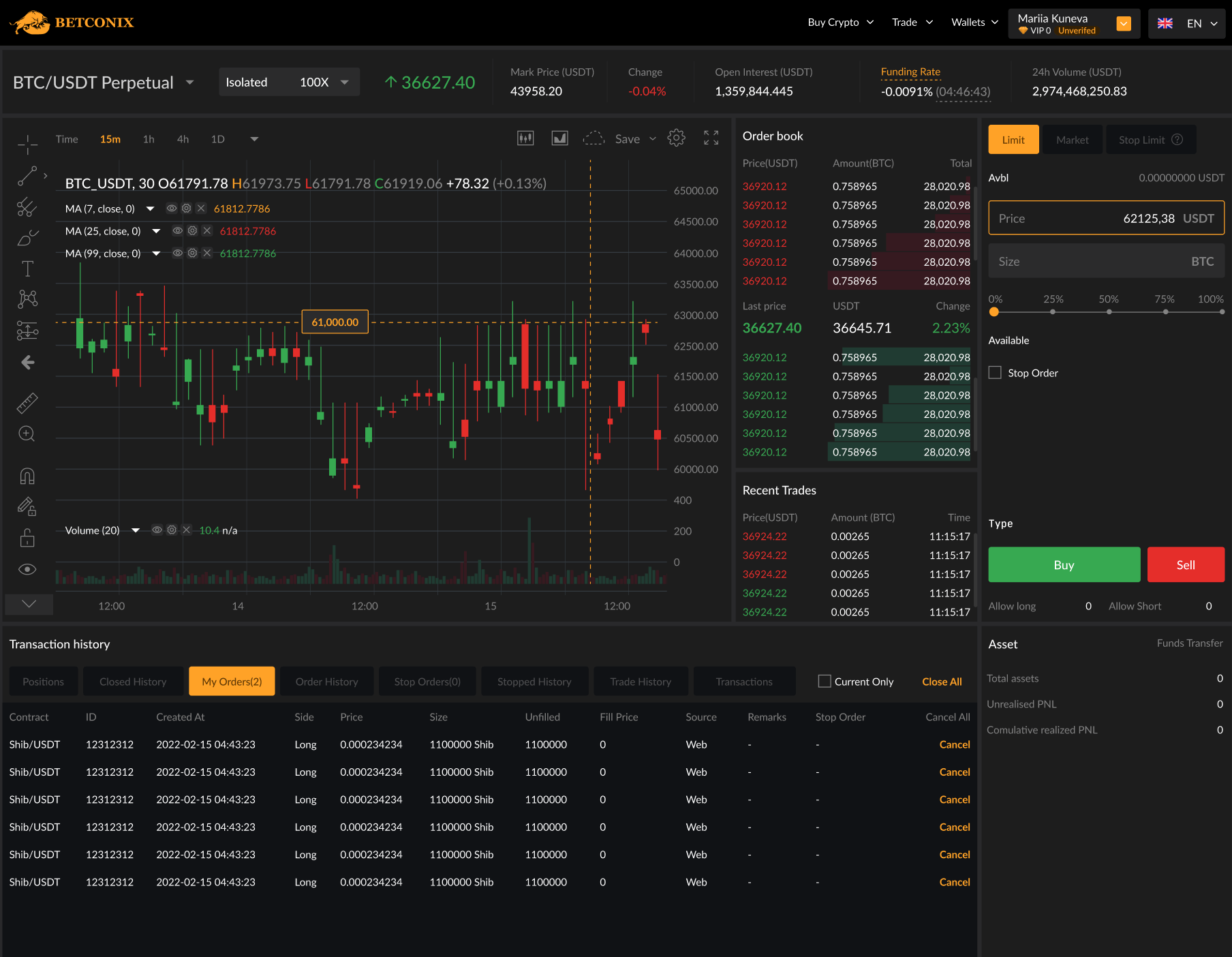
The native token was seamlessly integrated for fee discounts and staking, creating a vibrant ecosystem around the exchange. On the P2P front, we've built platforms that empower users to trade directly with each other while ensuring compliance and security through Solidity smart contract automation and escrow services.
On the P2P front, we've built platforms that empower users to trade directly with each other while ensuring compliance and security through smart contract automation and escrow services. These platforms support flexible transactions and multi-crypto wallets, providing a seamless trading experience that balances privacy and regulatory adherence.
Liquidity and market-making integrations have been critical in our projects. We've partnered with top liquidity providers and developed custom algorithms to route orders efficiently, minimizing slippage and ensuring competitive market prices. This approach guarantees that even large volume traders can execute trades smoothly without impacting the market adversely.
Drawing from these experiences, we understand the nuances of OTC crypto exchange development and the importance of tailoring solutions to specific business needs. Our case studies demonstrate our commitment to delivering reliable platforms that combine advanced technology with practical features, helping you navigate the complexities of the crypto market with confidence.
Why Choose a Professional Development Team
Choosing a professional team for your OTC crypto exchange development is crucial to ensure top-notch security expertise. They know how to integrate custody solutions and compliance protocols seamlessly, protecting your platform from risks and regulatory issues.
Experienced developers have a deep understanding of crypto liquidity setups, so they can connect your exchange with reliable liquidity providers, ensuring smooth, large-volume trades without market disruption.
Plus, a seasoned team brings proven results from past projects, giving you confidence in their ability to deliver a reliable platform. And remember, long-term support from experts means your exchange stays updated, secure, and scalable as the crypto market evolves.
Most teams talk about OTC development in theory, but we’ve actually built full trading ecosystems end-to-end: from architecture and UI to smart contracts, security, and liquidity. Our real case studies - centralized exchange, futures trading engine, and NFT tokenization - prove that we can deliver complex, regulated, high-load platforms. When you work with us, you’re getting a partner that understands both the technical and business sides of institutional trading.
Conclusion
Building an OTC crypto exchange platform is a strategic move to tap into the growing demand for secure, private, and high-volume cryptocurrency trading. With tailored features such as multi-crypto wallets, flexible transaction options, and advanced security protocols, these platforms empower institutional investors and large traders to execute trades efficiently without market disruption.
Our expertise in OTC crypto exchange development ensures your platform meets stringent regulatory compliance, integrates with top liquidity providers, and delivers a seamless trading experience across devices and operating systems. By partnering with a professional development team, you gain access to scalable technology, robust security measures, and ongoing support tailored to your business needs.
Ready to launch a reliable and user-friendly OTC cryptocurrency exchange platform that stands out in the competitive crypto market? Contact us today to discuss your project and leverage our proven development process to bring your vision to life with confidence and authority.
FAQ: How to Create an OTC Crypto Exchange
To create an OTC crypto exchange, you need five core components: an RFQ engine (manages quote lifecycle, TTL windows, acceptance logic), a custody or settlement layer (wallet infrastructure and optionally fiat rails), a counterparty management system (onboarding, KYB verification, access controls), a compliance layer (AML screening, transaction monitoring, Travel Rule), and an admin and reporting interface. The RFQ engine is the most technically complex component — it must handle concurrent quote requests, price freeze windows, inventory checks, and audit logging simultaneously without state inconsistencies.
A white-label OTC platform deploys in 6–10 weeks. A custom OTC exchange takes 3–6 months for a standard single-currency desk, and 6–9 months for institutional-grade with fiat rails and deep compliance. The most common timeline driver is not development — it's banking. Establishing fiat settlement accounts takes 3–6 months regardless of how fast the platform is built. Start banking conversations before development completes if you need fiat settlement at launch.
The cost to create an OTC crypto exchange ranges from $40,000–$60,000 for a white-label to $150,000–$300,000+ for a fully custom institutional platform. Primary cost drivers: fiat settlement integration ($20,000–$50,000), institutional KYB depth ($10,000–$30,000), smart contract audit ($15,000–$40,000), compliance tooling ($10,000–$25,000). Infrastructure runs $2,000–$10,000/month. Budget 30–40% above your development estimate to cover recurring costs in year one.
A regular exchange matches anonymous orders on a public order book automatically. When you build an OTC crypto exchange, there is no order book — you're building a bilateral negotiation system: RFQ intake, quote generation with pricing logic, acceptance, and settlement on controlled rails. Compliance is also different: OTC platforms perform deep KYB on institutional counterparties rather than basic KYC on retail users. OTC trades often involve large fiat legs requiring banking integration that retail exchanges don't need.
Yes. A white-label OTC crypto exchange deploys in 6–10 weeks versus 3–6 months for a custom build. White-label covers standard RFQ flow, counterparty management, basic compliance, and crypto custody. The trade-off: customization is limited to what the vendor's architecture supports. If you need unique approval hierarchies, specific fiat rails, or multi-entity structures, a custom build avoids painful retrofits. Many teams start with white-label to validate the model, then budget for custom development in year two.