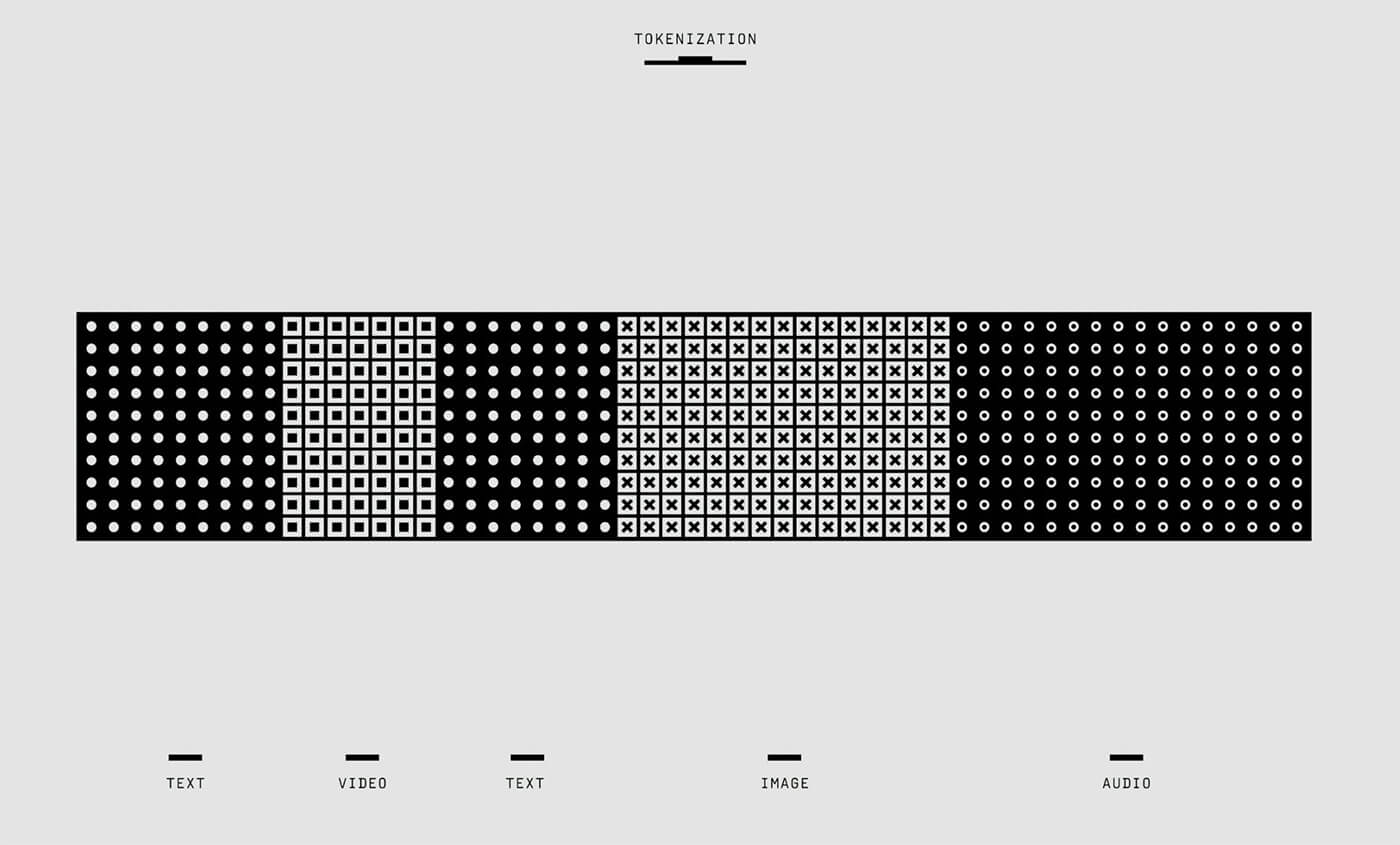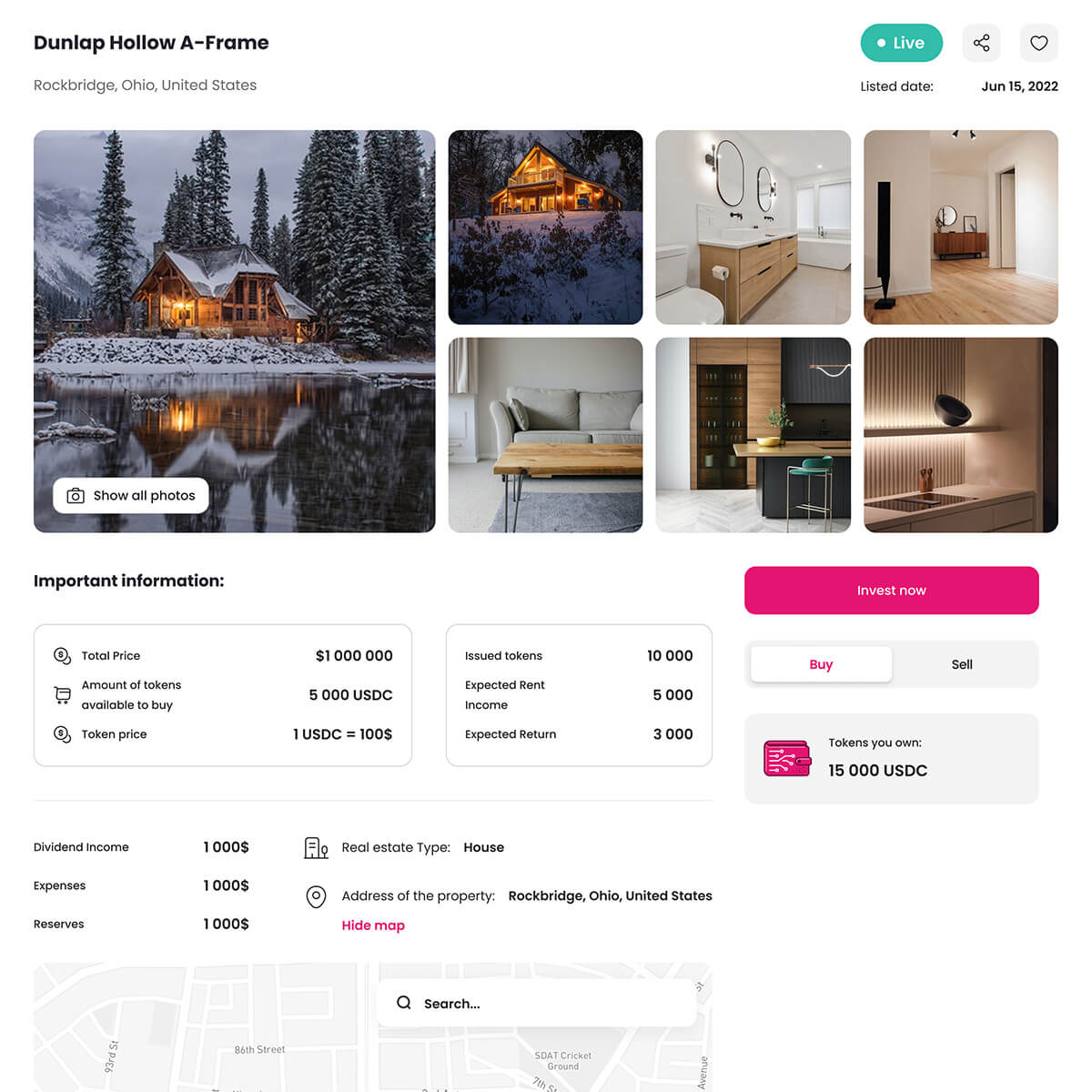
Learning how to tokenize real estate in 2026 involves four distinct workstreams that must run in parallel: legal structuring, smart contract development, regulatory compliance, and investor onboarding. Skip any one of them and the process stalls. This guide walks through each step in the order they actually happen — from asset selection and SPV formation to token minting, investor KYC, and secondary market listing — with realistic cost estimates and timeline benchmarks based on live tokenization projects.
According to a 2025 Deloitte report, tokenization platforms processed over $3.5 billion in real estate transactions globally, with projections to cross $10 billion by end of 2026. The technology is proven. The regulatory frameworks — Reg D/Reg S in the US, MiCA in the EU, VARA in the UAE — are now mature enough for production deployments. What remains is execution.
What Does Real Estate Tokenization Really Mean?
Real estate has always been considered a game for the wealthy. A skyscraper in London or a luxury villa in Miami usually belongs to banks, funds, or a few private investors. Tokenization flips this rule on its head.
Here’s how it works: the property is digitally divided into small shares, called tokens. Each token represents a fraction of ownership — it could be $500 or $1,000 worth. This enables partial ownership, allowing multiple investors to own fractions of the asset.
The digital tokens can represent interests in real property, either directly or through a legal entity. Often, a special purpose vehicle (SPV) is used as the legal entity that holds the property and issues the tokens. Suddenly, people who never imagined investing in prime real estate can buy a piece of it, just like they buy shares in a company.
For property owners, this isn’t just a tech gimmick. It means they can raise capital faster, attract international buyers, and avoid months of waiting for the “perfect” investor. For buyers, it’s a chance to diversify their portfolio and step into global markets without taking on huge debt.
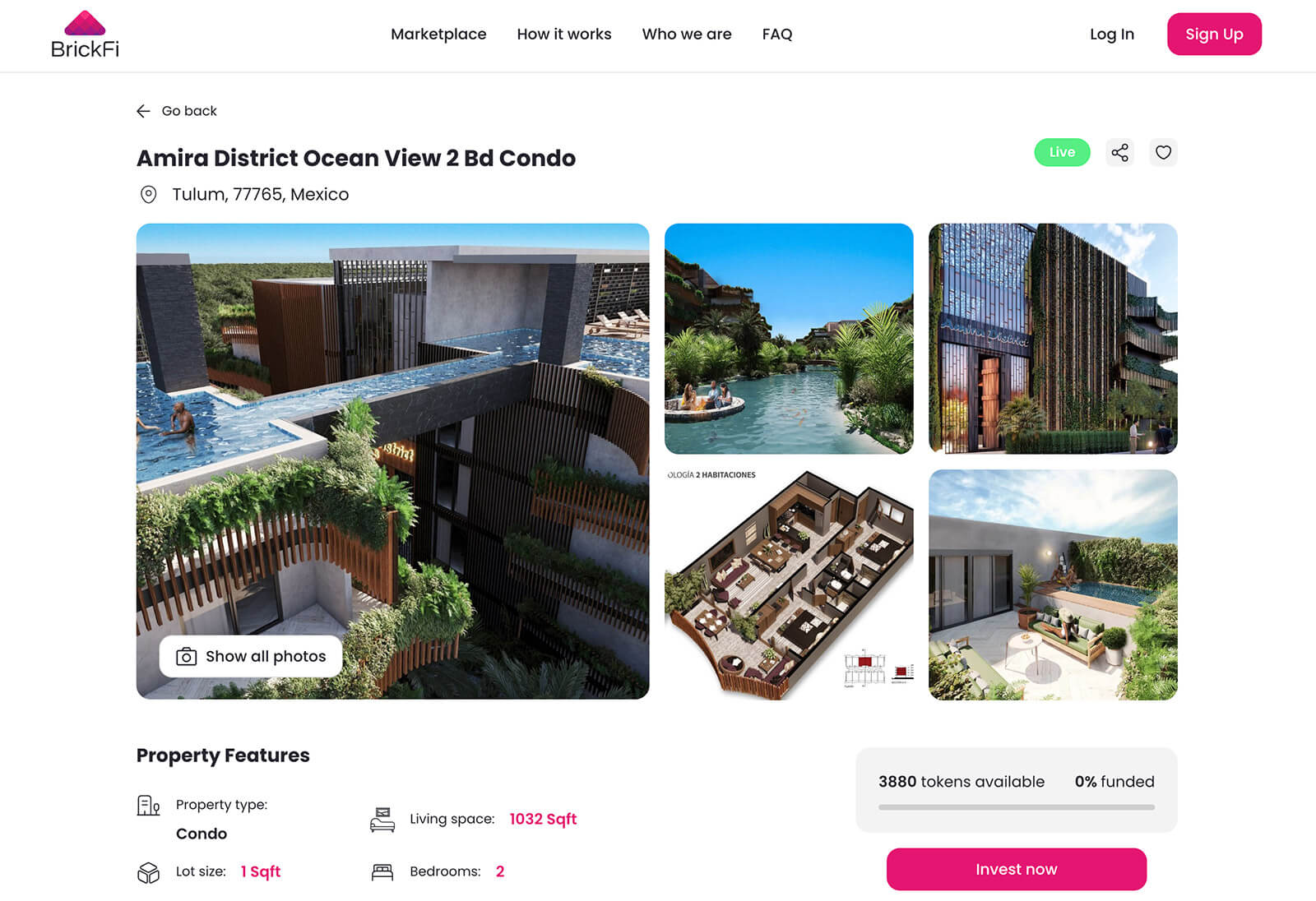
And because these transactions live on blockchain, transfers are transparent, verifiable, and nearly instant. No piles of contracts, no hidden steps — just a secure digital ledger that everyone can check.
In simple terms, tokenization turns an illiquid, slow-moving asset into something flexible, global, and much more approachable.
Why Tokenization Matters for the Future of Real Estate
Traditional property deals are heavy and slow. Paper contracts, endless signatures, bank transfers that take days — the process hasn’t changed much in decades. Tokenization cuts through all of that.
With digital tokens, property can be traded almost as easily as stocks. Imagine owning a fraction of an office tower in New York and selling it in minutes to someone in Tokyo — no brokers, no waiting months for approvals. That’s the level of liquidity tokenization brings.
But the impact goes deeper. It opens doors for smaller investors who were once locked out of real estate altogether. A teacher in Berlin, a freelancer in Mexico City, or a student in Singapore can all hold a stake in prime property markets that used to be off-limits. This shift doesn’t just diversify portfolios; it reshapes wealth distribution across borders. Tokenization is transforming real estate markets by enabling cross-border and fractional investments, making global real estate investments more accessible and transparent.
For developers and property owners, tokenization means broader access to capital. Instead of relying on a handful of wealthy buyers or banks, they can attract a global pool of investors. Tokenization is also creating new types of real estate investments that are accessible to a wider range of investors, including those interested in innovative financial tools like loans and staking tied to real estate assets. That’s faster funding, lower risk, and stronger demand.
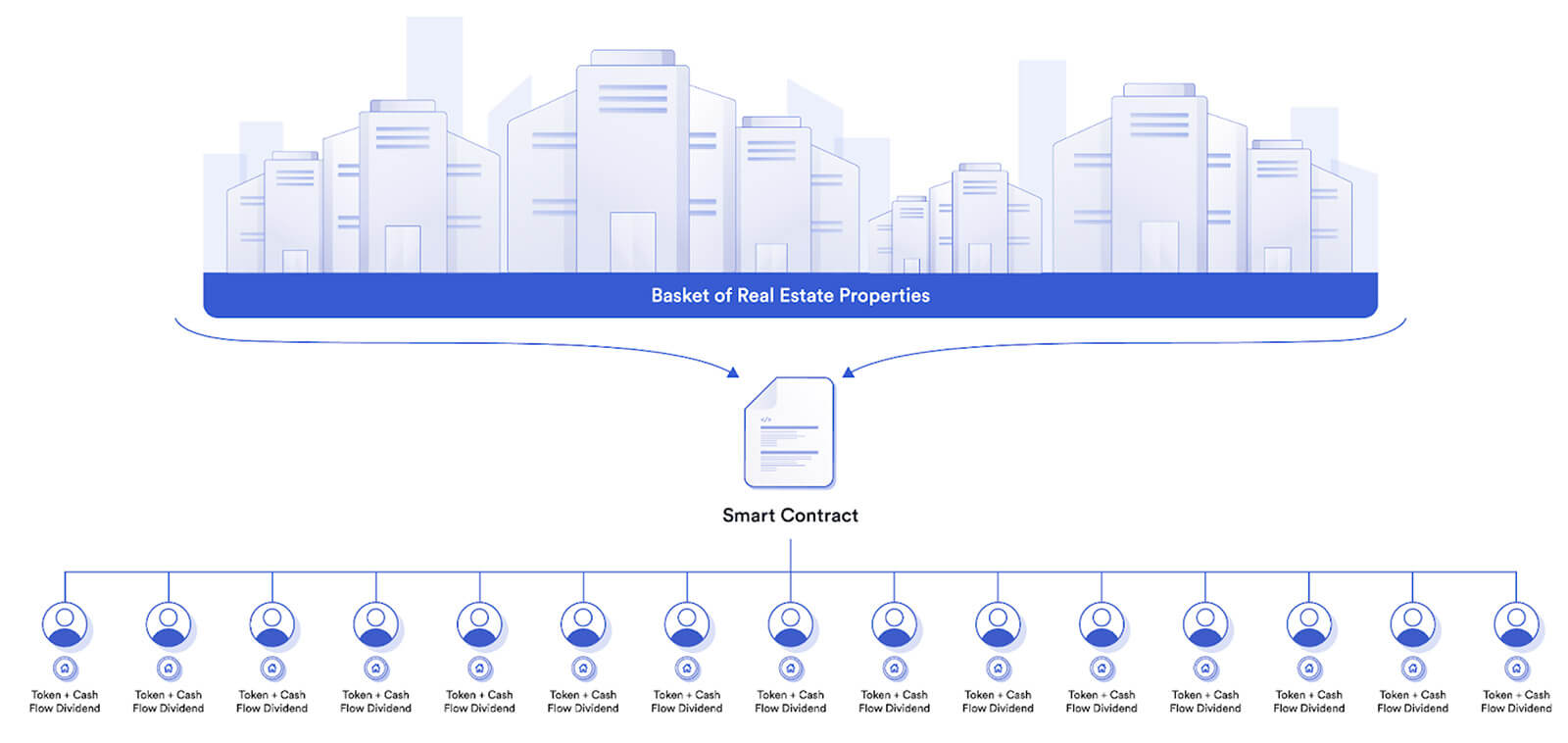
At its core, tokenization isn’t just a new financial trick. It’s a step toward making real estate more democratic, accessible, and future-ready. Institutional investors are beginning to explore tokenized real estate as part of their broader investment strategies, leveraging digital assets to build customized, diversified portfolios.
Key Benefits of Real Estate Tokenization
Tokenization isn’t just a buzzword — it delivers practical advantages for everyone involved.
For investors, the biggest win is liquidity. Real estate used to mean locking money for years, but tokenized assets can be traded in minutes, unlocking liquidity by making it easier to buy and sell shares of real estate. That flexibility lets people react to market trends quickly, instead of being tied up in paperwork.
Another game-changer is fractional ownership.. Buying property no longer requires millions in capital. A few hundred dollars can be enough to secure a share in a prime building, enabling fractional ownership and allowing more people to participate in real estate investing. That means global access — whether it'’s luxury condos in Dubai, office towers in London, or vacation rentals in Bali. Tokenization can also automate the distribution of rental income and cash flow to investors, making it easier to receive returns from rental properties.
Transparency also gets an upgrade. Every token transaction is recorded on the blockchain, making fraud and manipulation much harder. Investors see exactly where their money goes, while regulators gain a clear audit trail. Tokenization can also lead to cost savings by reducing the need for intermediaries and streamlining reporting.
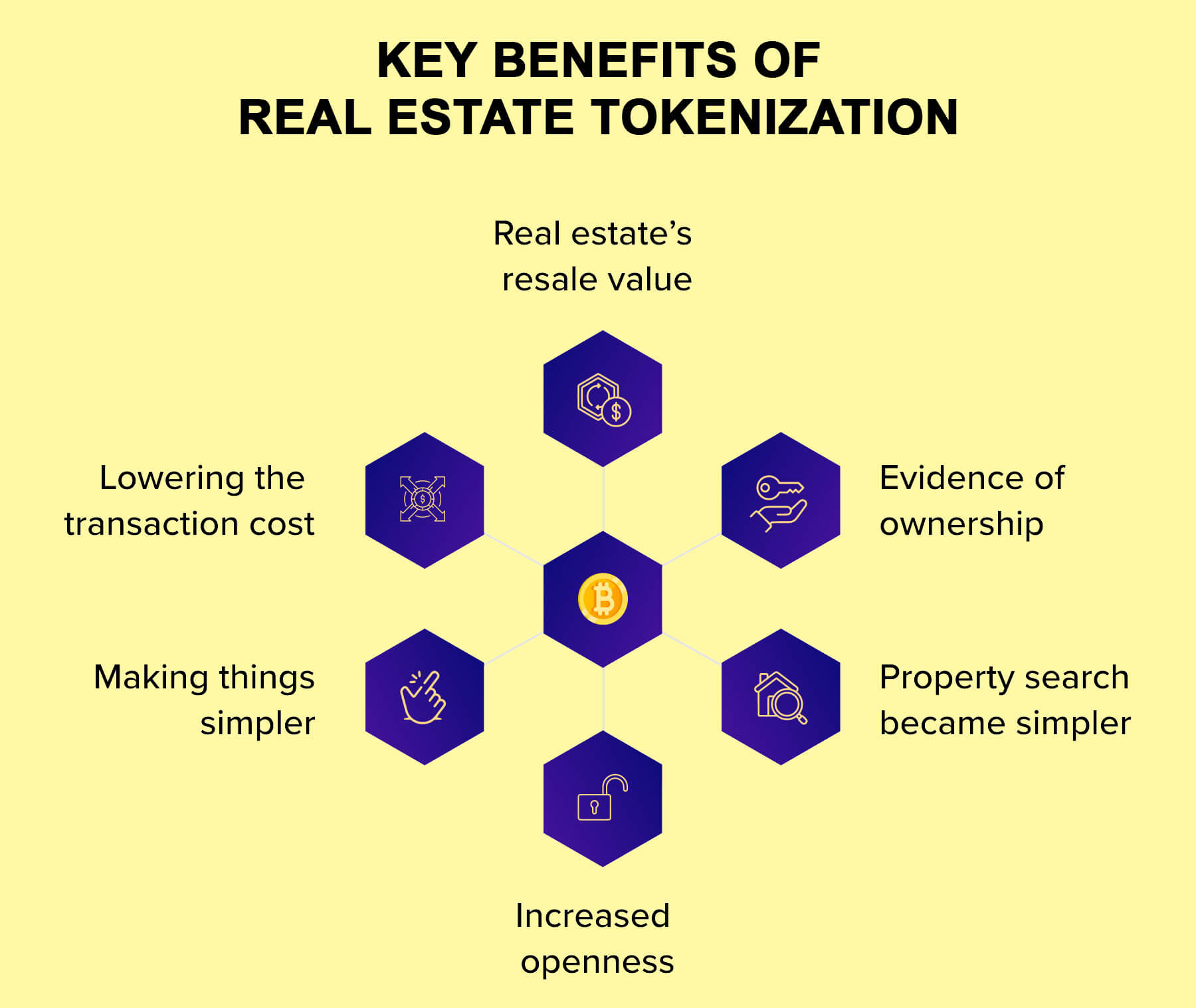
For developers and asset owners, tokenization offers faster fundraising. Instead of waiting on banks or a handful of wealthy backers, they can reach a global investor base and raise capital more efficiently. Tokenization can lower costs compared to traditional fundraising methods.
In short: tokenization makes real estate faster, fairer, and more inclusive — reshaping an industry that was once slow, exclusive, and opaque.
 Yuri MusienkoBusiness developer, Merehead
How Does Real Estate Tokenization Work?
When people ask how to tokenize real estate, they often imagine a complex financial scheme. In reality, the idea is very straightforward. Instead of one person or company buying the entire property, the ownership can be split into digital tokens. Each token reflects a percentage of the building, land, or apartment.
This process can involve security tokens, which are regulated digital assets representing ownership interests in the property. Additionally, non fungible tokens (NFTs) can be used to represent full ownership of a unique property as a single, indivisible digital token.
This means that someone with only $1,000 can invest alongside someone putting in $100,000. Both own a real, verifiable part of the asset — and both can trade or sell their tokens whenever they want.
The real innovation here lies in liquidity. Traditional real estate is famously illiquid: selling even a small share often takes months, requires agents, lawyers, and piles of paperwork. Tokenization changes this. On a decentralized exchange, those tokens can move in seconds. Fractionalized real estate allows for easier price discovery and trading of property shares, making the market more accessible and transparent.
At Merehead, we build white-label decentralized exchange software that makes this process secure, transparent, and compliant. That way, businesses can launch platforms where property-backed tokens can be traded as easily as cryptocurrencies — but under clear legal frameworks.
For investors, this means more flexibility and access. For businesses, it opens new funding models: selling fractions of a building to hundreds of investors worldwide instead of searching for one or two buyers with deep pockets.
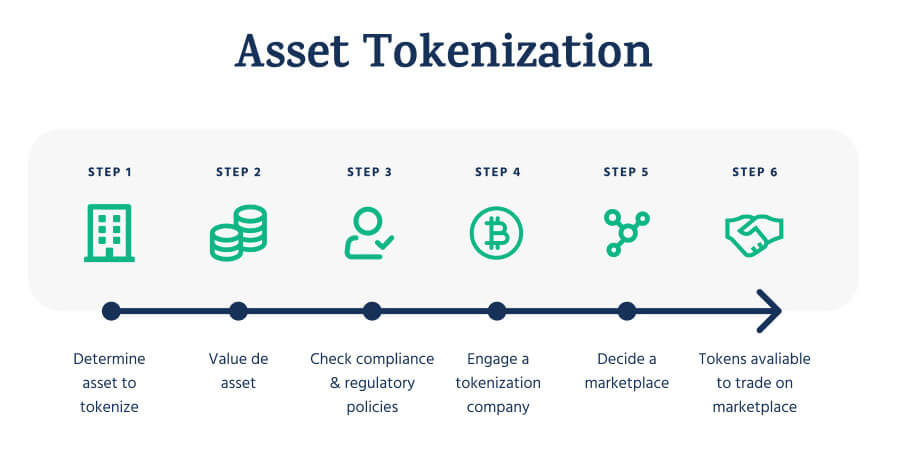
How to Tokenize Real Estate — Step-by-Step Process
Step 1 — Asset Selection and Due Diligence
Not every property is suitable for tokenization. Assets that work best have clear, undisputed ownership, stable cash flows (rental income or development pipeline), a verifiable valuation from an independent assessor, and no existing liens or encumbrances that would complicate SPV formation. Commercially, properties above $1M in value are the practical minimum — the legal and technical setup costs ($50,000–$150,000) need to be justified by the capital raise.
Due diligence at this stage also means assessing the target investor base. Tokenizing a US commercial property for US investors requires a different legal structure than tokenizing a Dubai villa for global retail investors. The jurisdiction determines the regulatory path before a single line of smart contract code is written.
Step 2 — Legal Structuring (SPV Formation)
The property is typically held through a Special Purpose Vehicle (SPV) — a company created specifically for the tokenization process. Investors acquire economic or governance rights in the SPV through tokens, rather than holding the property directly. This structure creates a clean legal separation between the property asset, the issuing entity, and the token holders.
The SPV is where the legal relationship between the real-world asset and the digital token is formally established. Key documents prepared at this stage: investor subscription agreements, token purchase agreements defining rights (equity, revenue share, or debt), shareholder or membership agreements for the SPV, and a prospectus or offering memorandum if required by the applicable exemption.
Step 3 — Regulatory Compliance and Securities Classification
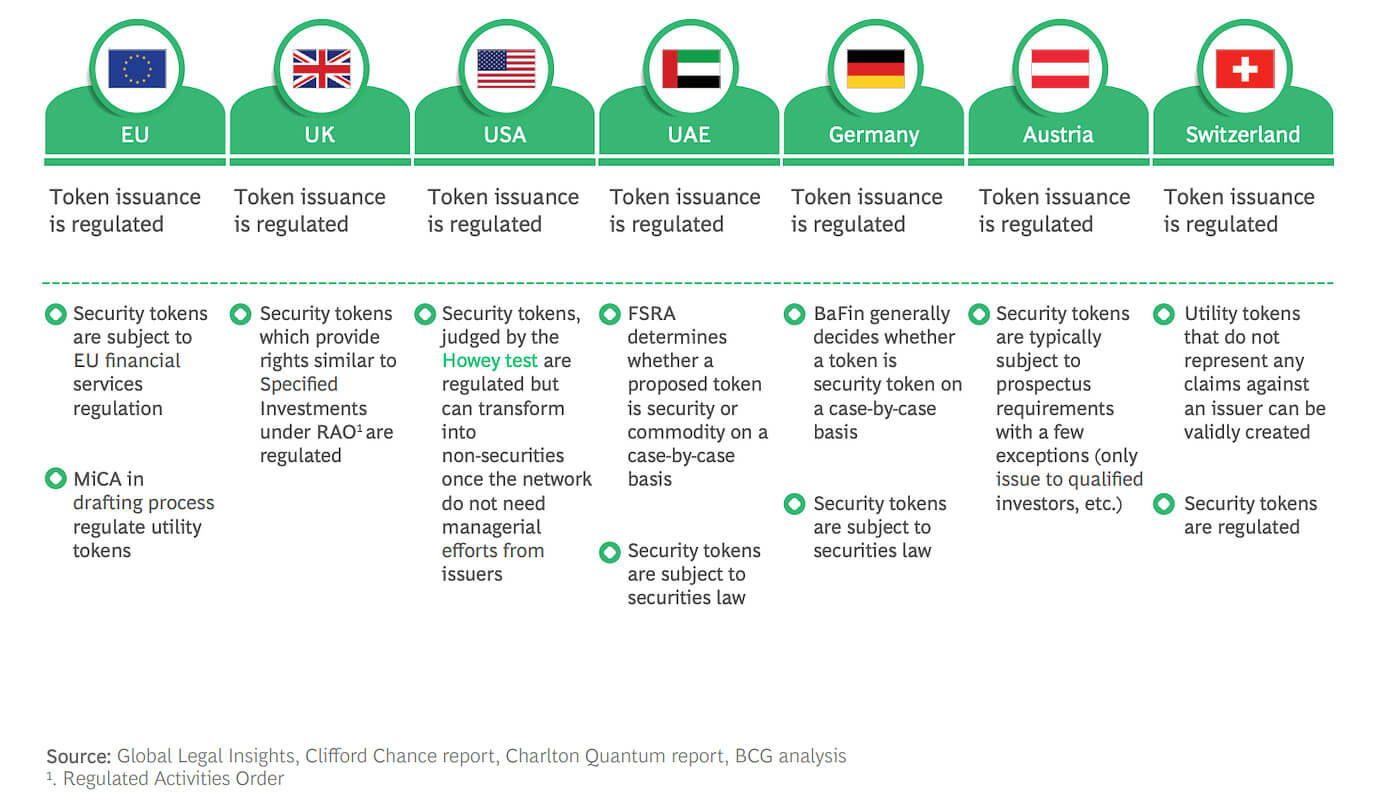
Because real estate tokens represent financial interests with expectations of profit, they are classified as securities under federal law. The SEC has jurisdiction regardless of the underlying blockchain technology.
US pathways:
- Reg D 506(b): Private placement to up to 35 non-accredited and unlimited accredited investors. No general solicitation. Most common path for early-stage tokenizations.
- Reg D 506(c): General solicitation allowed but restricted to verified accredited investors. Requires third-party accreditation verification.
- Reg S: Offerings to non-US investors. No SEC registration required if properly structured for offshore distribution.
EU pathways:
- MiCA covers crypto-assets broadly; tokenized real estate securities fall under MiFID II and the EU Prospectus Regulation rather than MiCA directly.
- The DLT Pilot Regime allows regulated trading of tokenized securities under supervised sandbox conditions.
- ECSPR (EU crowdfunding regulation) applies to offerings under €5M.
UAE: VARA (Virtual Assets Regulatory Authority) has explicit licensing for RWA token platforms. Dubai has been the most active jurisdiction for institutional real estate tokenization in 2026.
Step 4 — Smart Contract Development and Token Standard Selection
The smart contract layer defines how tokens behave: who can hold them, how they transfer, how rental income distributes, and what happens on redemption. Token standard selection determines compatibility with secondary markets and compliance enforcement:
- ERC-3643 (T-REX): The current institutional standard for security tokens. Enforces on-chain identity through ONCHAINID and embeds compliance rules (jurisdiction restrictions, transfer locks, accreditation status) at the protocol level. Widely adopted in EU deployments.
- ERC-1400: Earlier security token standard with transfer restrictions. Used in US Reg D/Reg S deployments. Compatible with many existing investor platforms.
- ERC-7518 (DyCIST): Emerging standard focused on dynamic compliance — compliance rules update automatically as regulations change without requiring token migration.
Every production smart contract for tokenized securities requires an independent security audit before deployment. Budget $15,000–$50,000 for audit from a reputable firm (CertiK, Trail of Bits, Hacken). This is non-negotiable for any offering that will hold investor funds.
Step 5 — Investor Onboarding and KYC/AML
Token holders must be verified before they can receive or transfer tokens. Investor onboarding includes: identity verification (KYC) against government ID, AML screening against OFAC and other sanctions lists, accreditation verification (for Reg D 506(c) offerings), and jurisdiction eligibility checks (geo-blocking non-eligible investors).
This can be handled through integrated KYC providers (Sumsub, Jumio, Onfido) whose verification status is linked on-chain to investor wallet addresses through the ONCHAINID registry (ERC-3643) or equivalent compliance layer. Once an investor is verified, their wallet is whitelisted and token transfers are automatically permitted.
Step 6 — Token Issuance and Capital Raise
With legal structure, smart contracts, and compliance infrastructure in place, tokens are minted — typically representing fractional ownership of the SPV. The token sale can be structured as a private placement (to pre-qualified investors), a regulated crowdfunding offering, or an institutional round.
Primary sale platforms include Securitize (largest US digital securities platform), TokenSoft, and Tokeny. These platforms handle investor onboarding, payment processing, and regulatory reporting in an integrated workflow.
Step 7 — Secondary Market and Liquidity
Post-issuance liquidity is the hardest problem in real estate tokenization. Options in 2026 include listing on regulated Alternative Trading Systems (ATS) such as tZERO or INX in the US, listing on EU-regulated digital securities venues operating under the DLT Pilot Regime, and platform-level peer-to-peer trading with transfer restrictions enforced by smart contract.
Liquidity is not guaranteed — most tokenized real estate today has limited secondary market depth compared to traditional REITs. This is the primary risk investors should understand before committing capital.
Cost and Timeline
Real estate tokenization costs range from $50,000 for white-label solutions to over $500,000 for custom enterprise platforms. Timelines span 4 to 8 months from initial structuring to operational launch.
Realistic Cost Breakdown:
| Component | Cost Range | Notes |
| Legal structuring (SPV, offering docs) | $15,000–$60,000 | Varies by jurisdiction and complexity |
| Smart contract development | $20,000–$80,000 | Includes ERC-3643/T-REX implementation |
| Smart contract audit | $15,000–$50,000 | Mandatory for production deployments |
| KYC/AML integration | $5,000–$15,000 | Per-verification costs ongoing |
| Token issuance platform (white label) | $20,000–$80,000 | Or SaaS fees $2,000–$8,000/month |
| Custom tokenization platform | $150,000–$400,000 | Full source code ownership |
| Investor onboarding portal | $10,000–$30,000 | |
| Secondary market integration | $10,000–$40,000 | ATS listing fees vary |
| Total (white label route) | $50,000–$150,000 | |
| Total (custom platform) | $200,000–$500,000+ | |
Timeline:
- Legal structuring and SPV formation: 4–8 weeks
- Smart contract development and audit: 6–10 weeks
- Investor onboarding setup and compliance: 2–4 weeks
- Token sale and capital raise: 4–12 weeks (varies by offering size)
- Secondary market listing: 4–8 weeks (subject to ATS approval)
- Total from start to operational launch: 4–8 months
Legal and Regulatory Aspects of Real Estate Tokenization
No matter how exciting tokenization looks in theory, every project eventually faces the same question: is it legal? Real estate is one of the most heavily regulated industries in the world. Ownership rights, taxes, investor protection — all of these must be respected when turning property into tokens. A robust regulatory framework is essential to guide tokenization projects, ensuring legal clarity and market stability.
In practice, this means two things:
- The token must legally represent ownership. It could be direct ownership of a fraction of the property, or indirect ownership through a company (SPV) that holds the property.
- The trading platform must comply with securities law. In many jurisdictions, real estate tokens are treated as securities. This brings obligations such as KYC/AML procedures, investor accreditation, and reporting. Platforms must ensure compliance with all relevant laws and regulations to operate legally and protect investors.
At Merehead, we help businesses navigate these requirements from the very beginning. Our white-label tokenization software is designed with compliance in mind: built-in KYC modules, integration with licensed custodians, and transparent smart contracts that meet regulatory standards. We also emphasize the use of verified data provided by trusted sources to support legal and regulatory requirements. This way, a project can launch with confidence, knowing it won’t run into legal barriers a few months later.
For investors, this translates into trust. When they see that a platform operates under clear legal frameworks, they are far more willing to put their money in — whether it’s $500 or $50,000. Clear legal frameworks help protect investors from fraud and mismanagement. And for issuers, it means broader access to institutional capital, not just retail buyers.
Regulatory environments vary by region. For example, the European Union has specific rules aimed at protecting investors in tokenized real estate, ensuring compliance and market stability.
Technology Behind Real Estate Tokenization
When people talk about tokenization, they usually imagine blockchain and smart contracts — and that’s true, but in real life the technology stack is a bit more layered. You need something that works not only for developers, but also for investors who may have never touched crypto before.
From our experience at Merehead, the process typically combines several parts:
- The chain itself. Most projects choose Ethereum or Polygon. Ethereum is more established, but fees are higher; Polygon is faster and cheaper, though less “classic” in terms of reputation.
- Smart contracts. This is where the actual rules live: how tokens are created, how income is distributed, and what happens if the property is sold. A badly written contract here can ruin the whole project.
- The interface. Investors need a dashboard that feels closer to online banking than to crypto trading. Without this, even a strong product on paper stays unused.
- Compliance checks. Regulations aren’t exciting, but they decide whether your platform survives or gets shut down. KYC and AML modules have to be built in from day one.
- Payments and custody. If an investor wants to enter with fiat instead of crypto, the system has to support that. Otherwise you cut yourself off from half of the potential market.
Tokenized real estate can also be structured as innovative financial instruments, offering new ways to manage and invest in property through digital tokens and automated processes.
In practice, all these elements should work together as a single ecosystem, not as separate tools. That’s why businesses often prefer full-cycle real estate tokenization development — it’s faster to build and easier to maintain. At Merehead, we noticed that clients value this most: not just having the technology, but having it tied into one clear workflow.
So, the technology behind tokenization is less about “buzzwords” and more about making sure everything runs smoothly for both sides — the project owner and the investor.
Businesses often seek strategy consulting to navigate the complexities of blockchain, compliance, and platform development.
Security and Legal Framework in Real Estate Tokenization
If there’s one thing that can make or break a tokenization project, it’s not only the tech — it’s trust. No matter how advanced your blockchain is, investors won’t touch the platform if they feel their money or data isn’t safe.
In practice, there are two sides to this:
- Security layer.
- Smart contract audits. A single bug in the code can freeze millions of dollars. That’s why every serious project runs multiple third-party audits before launch.
- Custody and wallets. Some investors are fine with MetaMask, but many prefer integrated custodial solutions that feel closer to an online bank account.
- Data protection. GDPR in Europe and similar laws worldwide demand that user information stays encrypted and private. Ignoring this is not an option.
- Legal compliance.
- KYC/AML checks. Nobody enjoys filling in forms, but regulators demand it. If you skip KYC, your project may last a few months — then vanish.
- Securities regulations. In some countries, a tokenized property share is legally the same as a stock. This means licenses, reporting, and legal partners are mandatory.
- Jurisdiction choice. Picking where to register your company can define your project’s entire future. For example, Switzerland and Singapore are friendlier than the US, but they come with their own paperwork.
At Merehead, we’ve seen how often startups underestimate these two pillars. They focus on product design and forget the boring “legal stuff” — only to face regulators later. Our advice: put compliance and security at the core from day one. It costs less to prepare early than to fix disasters later.
Platforms for Tokenized Real Estate: Where Innovation Meets Opportunity
The rise of tokenized real estate platforms is revolutionizing how real estate assets are created, managed, and traded. These platforms are at the forefront of the real estate industry’s digital transformation, harnessing the power of blockchain technology, smart contracts, and digital tokens to streamline real estate transactions and enable fractional ownership. For property owners and real estate companies, these platforms offer a secure and efficient way to unlock the value of their properties, while providing investors with unprecedented access to a diverse range of real estate investment opportunities.
What sets these platforms apart is their ability to simplify the entire process of tokenizing real estate assets. From onboarding investors and managing tokenized assets to ensuring compliance with complex regulatory frameworks, they provide an all-in-one solution that bridges the gap between traditional real estate and the digital asset economy. Investors benefit from transparent, automated processes powered by smart contracts, while property owners can reach a global pool of investors without the usual barriers.
Leading platforms like Harbor, Polymath, and Securitize have set the standard by offering robust services for tokenization, investor onboarding, compliance management, and even secondary trading of tokenized assets. These platforms are not just tools—they are ecosystems that foster trust, transparency, and efficiency in the real estate market. As the adoption of tokenized real estate accelerates, these platforms will continue to play a pivotal role in shaping the future of real estate investing, making it more accessible, liquid, and inclusive for all participants.
The Future of Real Estate Tokenization
The tokenization of real estate is no longer a bold experiment — it’s the direction in which the entire industry is moving. Reports from global financial institutions predict that by the end of this decade, a significant portion of property investments will happen through digital tokens.
Mainstream adoption of real estate tokenization is expected in the near future, as more projects and platforms demonstrate its viability. Early projects are already proving that the model works: properties worth millions are being fractionalized, sold, and traded on blockchain-powered platforms with unprecedented efficiency.
But what’s next? The landscape is evolving in three key directions:
- Institutional adoption. Banks and funds are preparing infrastructure to integrate tokenized assets into traditional investment portfolios.
- Regulatory clarity. Governments are working on frameworks to make tokenized property secure, standardized, and legally recognized worldwide.
- Technological innovation. Smart contracts, AI-driven valuations, and global marketplaces will soon make buying a fraction of real estate as easy as purchasing a stock on your phone.
For businesses, the message is clear: those who adopt tokenization early will lead the market tomorrow. For investors, it’s a chance to participate in a trillion-dollar industry at its foundation stage.
At Merehead, we don’t just follow the trend — we help shape it. Our expertise in building blockchain and fintech solutions makes us the partner of choice for enterprises and startups who want to launch their own tokenized platforms. If you’re asking yourself How to tokenize real estate?, the answer starts with a reliable technology partner who knows both the opportunities and the challenges ahead.
Let’s Build the Future Together
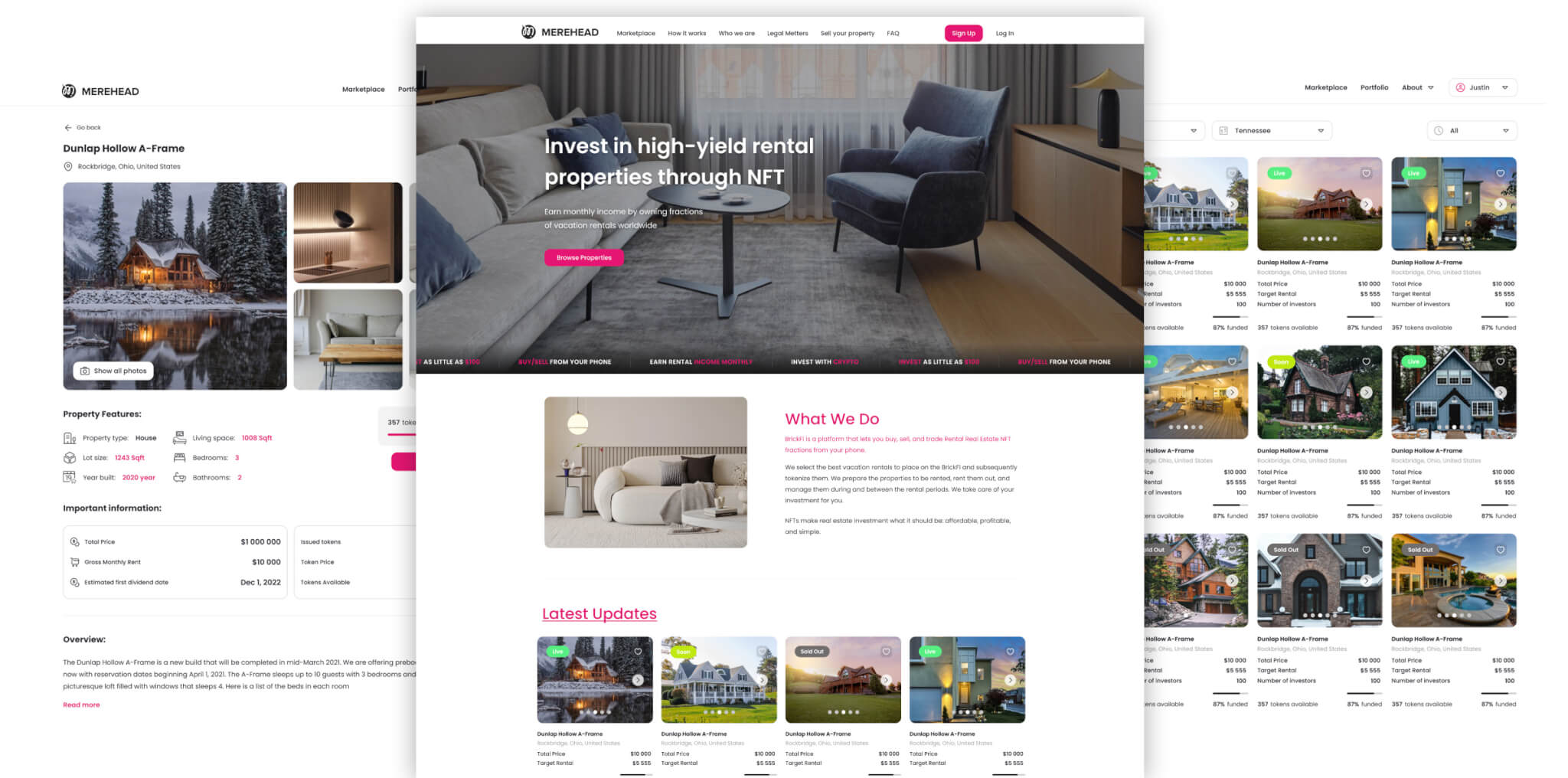
Merehead has delivered real estate tokenization infrastructure since 2018, including a documented case study of NFT-based real estate tokenization — one of the first production deployments linking physical property to on-chain digital tokens. Our team has hands-on experience with ERC-3643 architecture, SPV legal coordination, AML/KYC module integration, and compliance documentation for EU-regulated deployments.
What we have learned from real projects: the bottleneck is almost never the blockchain technology. It is the legal structuring and investor onboarding workflow. The smart contract can be built in 6 weeks. Getting the SPV formation, offering documents, and accreditation verification infrastructure right takes 3–4 months — and it determines whether your token sale is legally defensible.
When evaluating a tokenization development partner, ask three questions: Have they delivered a live tokenization with verified investor transactions, not just a demo? Can they coordinate the legal and technical workstreams simultaneously, or do you need separate law firms and engineers? Do they transfer full source code, or do you remain dependent on their infrastructure?
For a detailed breakdown of how we structured a property tokenization — SPV formation, token contract architecture, and investor onboarding — see our case study: How We Tokenized Real Estate Through NFTs.
FAQ: How to Tokenize Real Estate
Total costs for a production-ready real estate tokenization typically run $50,000–$150,000 on the white label route or $200,000–$500,000+ for a custom platform. The largest cost items are legal structuring ($15,000–$60,000 depending on jurisdiction), smart contract development ($20,000–$80,000), and mandatory security audit ($15,000–$50,000). Ongoing costs include KYC/AML verification fees, platform maintenance, and secondary market compliance. A white label approach with an experienced development partner typically delivers a production deployment in 4–6 months.
Yes, under specific regulatory exemptions. Tokenized real estate typically qualifies as a security under SEC jurisdiction. Most US tokenizations use Regulation D 506(b) (private placement to accredited investors, no general solicitation) or Reg D 506(c) (general solicitation to verified accredited investors only). In January 2026, the SEC issued guidance confirming that placing an asset on a distributed ledger does not change its regulatory classification — tokenized real estate remains subject to standard securities law. Working with legal counsel experienced in digital securities is mandatory, not optional.
A Special Purpose Vehicle (SPV) is a legal entity created specifically to hold the property being tokenized. Instead of investors buying tokens that represent direct ownership of a building (which would be legally complex and jurisdiction-dependent), they buy tokens representing ownership rights in the SPV that holds the property. This creates a clean, enforceable legal structure: the SPV owns the asset, investors own the SPV through tokens, and smart contracts govern how rights and revenues flow. Most production tokenizations — both in the US and EU — use SPV structures.
Ethereum remains the dominant chain for institutional real estate tokenization because the ERC-3643 (T-REX) standard — the most widely adopted compliance framework for security tokens — was built for Ethereum. Polygon is frequently used for lower transaction costs while maintaining EVM compatibility. Hedera has gained institutional adoption in 2025 (Zoniqx/StegX's $100M+ deployment). For enterprise-scale platforms prioritizing compliance automation, Ethereum + ERC-3643 is the current production standard.
From initial legal structuring to operational token sale typically takes 4–8 months. Legal structuring and SPV formation: 4–8 weeks. Smart contract development and audit: 6–10 weeks. Investor onboarding setup: 2–4 weeks. Token sale: 4–12 weeks depending on offering size and investor outreach. The critical path is almost always the legal and compliance workstream, not the technical development.