
Introduction to Tokenization: How Modern Platforms Work
The tokenized asset market crossed $24 billion in mid-2025 — nearly five times its 2022 value — and analysts project it will reach $1.24 trillion by year-end as institutional capital moves into on-chain infrastructure. For businesses looking to enter this space, a white label tokenization platform is the most practical path: you get a fully functional, compliance-ready system under your own brand, without the 12–18 months and $300,000–$500,000+ it takes to build one from scratch.
These platforms can tokenize almost anything with real-world value — commercial real estate, private equity, commodities, intellectual property, even revenue streams. The core idea is straightforward: instead of selling or transferring an asset through slow, document-heavy traditional processes, you convert ownership rights into digital tokens on a blockchain. Each token represents a defined share of the underlying asset and can be traded, transferred, or held by investors anywhere in the world.
At the technical core of every white label tokenization platform sits a blockchain — an immutable, distributed ledger that records every token issuance, transfer, and ownership change in a way that can't be altered after the fact. This isn't just a security feature; it's what makes tokenized assets auditable in real time, without relying on a third party to maintain the books.
Smart contracts take this further by encoding the rules of an asset directly into executable code. When an investor buys a token, the smart contract automatically verifies eligibility, records the transaction, and updates the cap table — no manual processing, no delays. The same logic handles dividend distributions, transfer restrictions, and buyback conditions. For companies used to managing these events through legal teams and spreadsheets, the operational difference is significant.
Most platforms today are built around established token standards: ERC-20 for fungible utility tokens, ERC-3643 (T-REX) for permissioned security tokens with on-chain identity and transfer rules, and ERC-1400 for security tokens requiring jurisdictional compliance. The choice of standard affects how transferable your tokens are, which exchanges can list them, and how compliance is enforced — so it's worth understanding before selecting a platform.
Today there are a couple of cool platforms that show how this works in practice. For example, Securitize creates tokens for shares of private companies so they can raise money from large investors. Tokeny helps European companies follow rules and make tokens. P͏olymath offers tools for creating digital securities and tokenized funds. These platforms proves that tokenization is becoming more popular among large companies and small, fast-growing firms.
Understanding business needs
Investor profile and target jurisdiction. This is where a lot of companies underestimate the complexity. The platform you choose needs to handle the specific investor types you're targeting — retail, accredited, qualified purchaser, or institutional — because each category triggers different legal requirements. A US-based offering under Reg D operates very differently from an EU issuance under the Prospectus Regulation or ECSPR.
The practical implication: your platform must support geo-blocking (restricting access to investors in non-approved jurisdictions), tiered KYC/AML workflows that scale with investment size, and investor whitelisting so that tokens can only be held or traded by verified participants. If the platform handles these as manual processes rather than automated rules, compliance becomes a full-time operational burden rather than infrastructure.
First important moment – is the type of asset that will be converted into tokens. Real estate, stocks, advertising, or art have different initial conditions for valuation, management, and user experience. For example, Real estate tokenization requires strict compliance with safety regulations and building codes, while stock wrapping has its own unique features and financial procedures.
next point is Know who the investor will be. Firms need to think about the location where the investors are located, their type, KYC/AML requirements, and the degree technology readiness. The platform must be capable of grow and provide tools for good communication with global investors while ensuring a high level of clarity and faith.
Regulatory and legal requirements. Asset tokenization is closely linked to financial market regulation. Local securities laws, reporting requirements, and compliance with international standards must be considered. The choice of platform should be based on its ability to help businesses comply with legislation while minimizing legal risks.
Operating and technology costs. Companies should also estimate the costs of implementing the platform, including development, integration, and support infrastructure. An important criterion is the availability of a secure environment for storage and transmission tokens, as well as reliable tools for managing smart contracts and monitoring transactions. The platform must ensure high fault tolerance, data protection, and flexibility in configuration. process for unique business - needs.
Key Features of Tokenization Platforms
Tokenization platforms offer a wide range of features that allow businesses to launch digital assets without the need for complex development and integration. These services provide a solid foundation, comply with market regulations, and make operations easy, reliable, and convenient. All can be customized to suit your company's style and brand.
Development and management of smart contracts
One of the key features of white label platforms is the creation and configuration of smart contracts. A smart contract is simple code that defines rules for tokens. A contract helps you do everything quickly: divide funds, calculate, pay dividends, and monitor transaction rules. These platforms offer a simple interface where you can create a smart contract without complex knowledge. This is very helpful for companies, as they can get started with the product quickly and make fewer mistakes.
Support for various blockchain networks
Simple and flexible solutions are needed now. Large platforms support multiple networks: Ethereum, BNB Chain, Polygon, Avalanche, Solana, and others. Multi-networking gives businesses the opportunity to engage more people, spend less on transfers, choose the right network for their needs, and maintain control. This is essential for businesses to grow without incurring unnecessary expenses from the start.
Built-in wallets and data protection
Working with tokens requires a platform with wallets that support the main cryptocurrency methods. Such wallets make everything easier for people. They reduce the risk of errors when adding something from outside. It's good when the platform maintains strict control and protects data. This requires simple but strong measures: code verification, key storage, and access verification. It's also important for the system to protect against unauthorized access. Multiple security methods make working with tokens more secure and reliable for everyone.
Regulatory compliance and automation
One of the most important components is compliance tools. White-label platforms offer automated solutions for KYC/AML checks, legal verification, investor rights management, and regulatory compliance. This significantly reduces time-consuming manual processes, reduces the likelihood of errors, and ensures the legitimacy of transactions in international markets.
Investor panels and management consoles
To work with investors, the platform must have simple user dashboards. They can be used to view funds, transactions, and income, access reports, and perform important actions for the company. Companies also have a management area. There, they can monitor tokens, people, and contracts, maintain order, and keep track of what's happening on the platform. Everyone can quickly understand what they're doing and easily find what they need. Everything is simple and clear.
Integrated payment gateways
Simple payment solutions are available to support global operations. These include both cryptocurrency and fiat money. This makes investing simpler. People can easily invest their funds. The barrier to entry is lower. Anyone can purchase tokens using their preferred payment method. People have a choice of payment methods—it's convenient and fast. The ability to pay in multiple ways helps everyone. Now more people can purchase tokens. This is good for businesses and for new clients.
Scalability and adaptability for business
One of the key advantages of such platforms is their modular structure. This allows companies to select only the necessary components, adapt functionality to their business needs, and scale the system as their audience grows.
Token Standards and Compliance Frameworks
Choosing the right token standard isn't a purely technical decision — it determines what you can and can't do with your asset once it's on-chain. Here's what matters in practice.
ERC-20 is the simplest and most widely supported standard. It works well for utility tokens and blockchain loyalty programs, but it has no built-in compliance logic. Anyone with a compatible wallet can hold or transfer tokens, which creates problems for regulated securities.
ERC-1400 introduced a partial solution: transfer restrictions that can be configured per jurisdiction. It's been used for security token offerings (STOs) and private placements where transfer eligibility needs to be checked against an investor whitelist.
ERC-3643 (T-REX protocol) is currently the most widely adopted standard for institutional tokenization. Developed by Tokeny and now a public standard with over $32 billion secured across its network, it enforces on-chain identity through an independent ONCHAINID registry. This means compliance rules — accreditation status, jurisdiction, lock-up periods — are embedded directly in the token logic and enforced at the protocol level, not just in the application layer. DTCC joined the ERC-3643 Association in early 2025, which signals where institutional infrastructure is heading.
On the regulatory side, the framework you operate under depends heavily on geography:
- EU: MiCA (Markets in Crypto-Assets Regulation) now covers a broad range of crypto-assets, while the DLT Pilot Regime allows regulated trading of tokenized securities under a supervised sandbox. For real estate and fund tokenization under €5M, ECSPR (the EU crowdfunding regulation) is often the starting point.
- US: Security tokens typically fall under SEC jurisdiction. Most issuances use Reg D (private placements to accredited investors) or Reg A+ for broader access. Platforms must integrate with a registered broker-dealer for secondary market activity.
- UK/Asia: Regulatory treatment varies significantly. The FCA's sandbox approach and MAS in Singapore both allow experimental deployments with specific license conditions.
A good white label tokenization platform doesn't just support these frameworks — it ships with compliance modules already configured for them, updated as regulations change.
Real estate tokenization
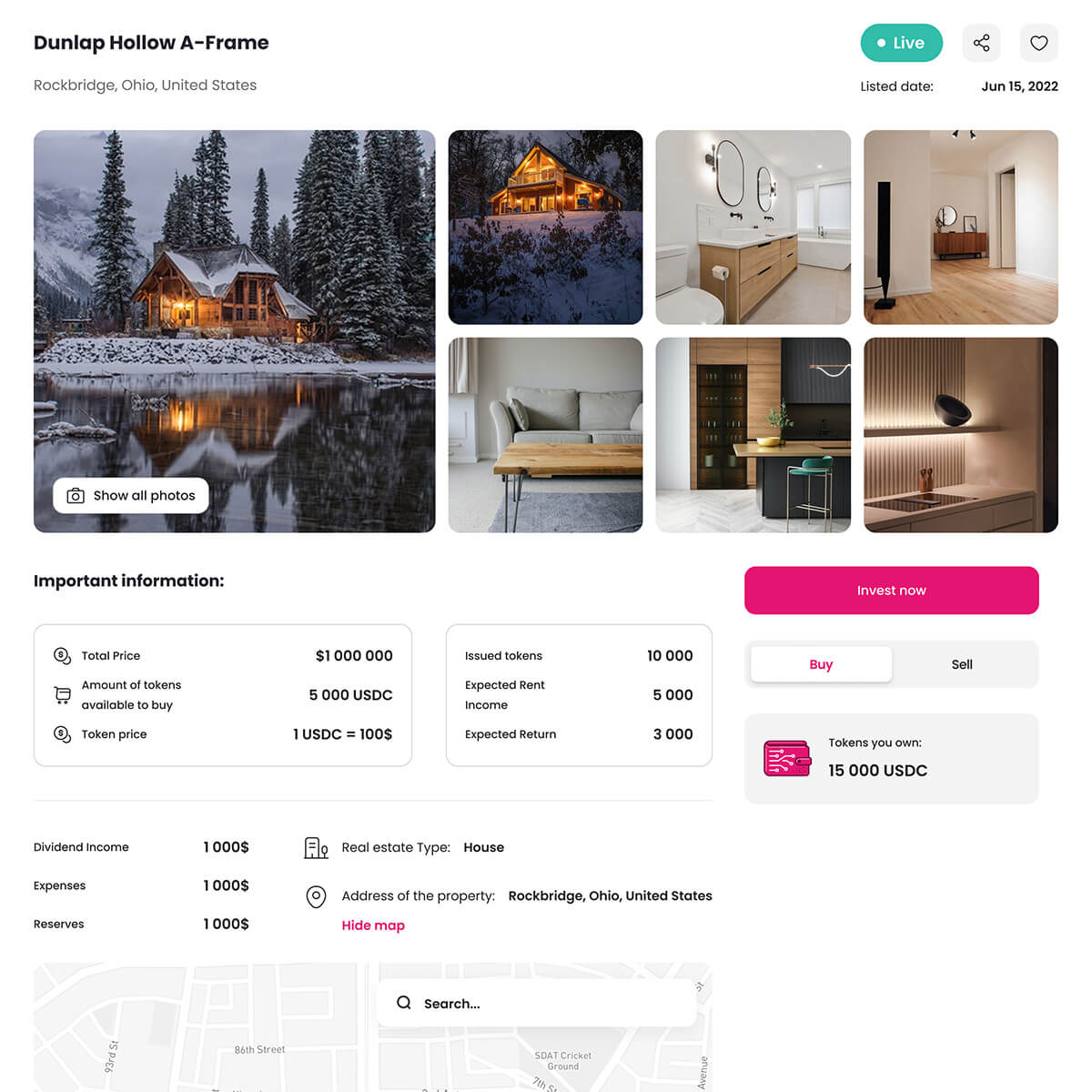
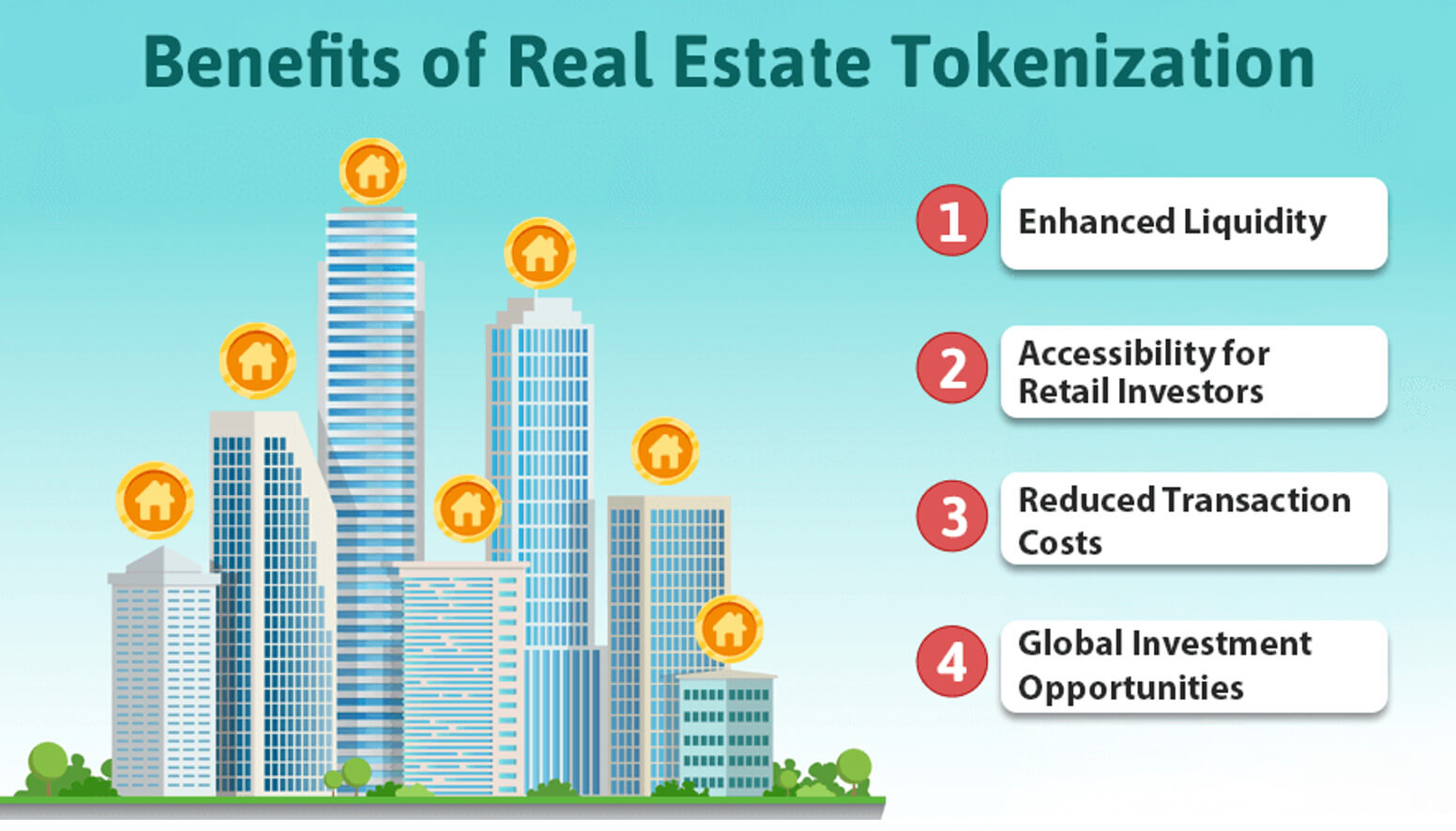
Real estate has always been an illiquid asset class by design — large ticket sizes, slow transactions, limited divisibility, and a paper-heavy chain of custody. Tokenization changes the underlying mechanics, not just the interface. By converting property ownership into on-chain digital tokens, developers and fund managers can fractionalize assets into shares starting from a few hundred dollars, settle ownership transfers in minutes rather than weeks, and open their investor pool to anyone who passes KYC — regardless of geography.
The numbers back this up. The tokenized real estate infrastructure is projected to reach $16 billion by 2030, with several platforms already processing over a billion dollars in digital property securities. Early movers include firms in commercial real estate, build-to-rent residential and green energy architecture — asset classes that historically required institutional minimums to access.
For a property company or fund manager, the practical case for a white label real estate tokenization platform comes down to three things: you don't need to build your own blockchain infrastructure, you get built-in compliance for your target jurisdictions, and you can have an investor-facing product live in weeks rather than developing one over 12+ months.
One of the key properties of tokenization is the ability to buy a piece of real estate. You no longer have to buy everything and pay a lot to enter the real estate market. With tokens, you can buy a small portion—just a number, equivalent to a share of a house. This makes investing in houses easier for many people. Even the average person can enter this market, whereas previously they could only choose simple and cheap methods. Now they have more options and opportunities to invest their money.
White Label tokenization offers a simple system: income is shared among everyone. Payments from rent, work, or sales are divided among those who hold tokens. Investors don't have to calculate, verify, or wait for a lot of paperwork—everything is visible right there, in a list on the screen. Everything that happens is recorded and verified via the blockchain.
Globalization is also becoming an important factor
While access to foreign real estate was previously limited by legal and financial barriers, tokenization removes most of these restrictions. Now, anyone from anywhere in the world can invest in a project in New York or Dubai, while complying with the platform's regulatory requirements. For institutional investors, this offers an opportunity to diversify their portfolios, while for private investors, it allows them to gain access to high-yield assets without excessive risk.
Tokenization offers a new way to enter construction and investment. It simplifies the market, helps people trust more because everything is visible, and speeds up processes that previously took months to complete. White-label tokenization platforms offer the opportunity to use this method without the high development costs, while allowing companies to maintain their brand and system, making tokenization attractive to those looking to innovate their businesses, embrace digitalization, and strive to grow and change.
Asset management through tokenization
Tokenization is becoming one of the most advanced tools for asset management, bringing new levels of transparency, efficiency, and reliability. By transforming property rights into digital tokens, companies can manage assets faster, more securely, and more cost-effectively than with traditional financial mechanisms.
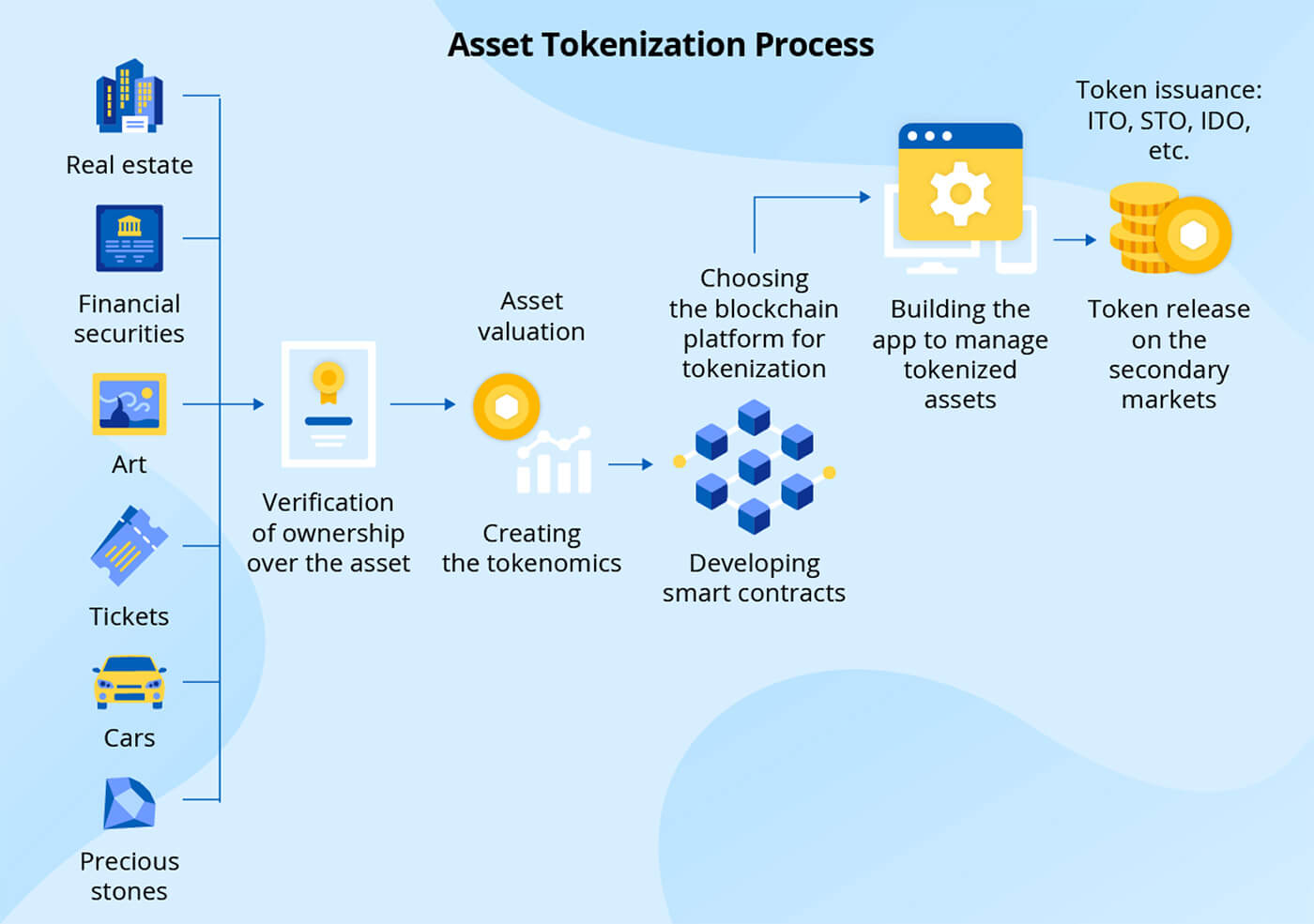
Digital representation of property rights as a new management standard
A token created on a blockchain is digital proof of ownership of a part of something—a house, a product, a share in a company, or some other valuable asset. Unlike simple paper documents or internal company records, a token has an open digital history that cannot be forged. This helps companies keep track of their assets easily, clearly, and reliably, making their operations more transparent and secure.
Large management companies are already using similar approaches. Here's an example: the Swiss bank Sygnum created tokens from shares in a collection of paintings and houses. These tokens give people the chance to own these items using blockchain and legally. For companies, this means less paperwork, fewer errors, and faster progress. Decisions are made faster, and work is easier.
Simplify asset transactions and reduce costs
Regular transactions involve people buying, selling, or transferring rights to something. This requires a lot of paperwork: people present documents, call a notary. Often, you have to wait, and everything takes a long time because other people are involved. But with tokens, you can do the same thing, but much faster. Most of the work is done in a couple of seconds; it's simple, easy, and there's no waiting time.
Tokenization platforms enable automated transactions through smart contracts:
- The purchase of a token secures ownership
- transfer of a token means transfer of an asset
- Compliance with the terms of the transaction is monitored automatically.
This not only speeds up asset turnover, but also significantly reduces costs for legal support and paperwork.
Ease of transfer of tokenized assets and full auditability of transactions
One of the key advantages of tokenization is the ability to quickly and securely transfer assets between people in the marketplace. Blockchain facilitates this by ensuring that every transaction is recorded in a ledger and cannot be reversed. This eliminates the possibility of the same item being sold twice, errors, or the loss of important information.
It's very easy to verify who owns a product. Anyone with the right can view the entire history of transactions involving that token. This is important for securities trading. Everything needs to be visible and clear to ensure compliance with the law and to ensure people can trust each other and work safely.
Increasing trust and transparency with blockchain.
Asset management through tokenization creates an environment where every transaction:
- recorded publicly or in a corporate registry
- cannot be changed retroactively
- automatically verified by smart contracts
- carried out without intermediaries, eliminating human errors
This model is especially attractive for businesses operating with a large number of assets or investors. As a result, companies providing funds can rest assured, as everything is clear, simple, fair, and secure.
Label Tokenization and Its Benefits
White-label Tokenization is a model in which a company receives a fully prepared technological infrastructure for issuing, managing, and trading digital tokens. Everything needed for operation is already in place: a service, a website, and the necessary functions. All the user sees is the company's logo and website.
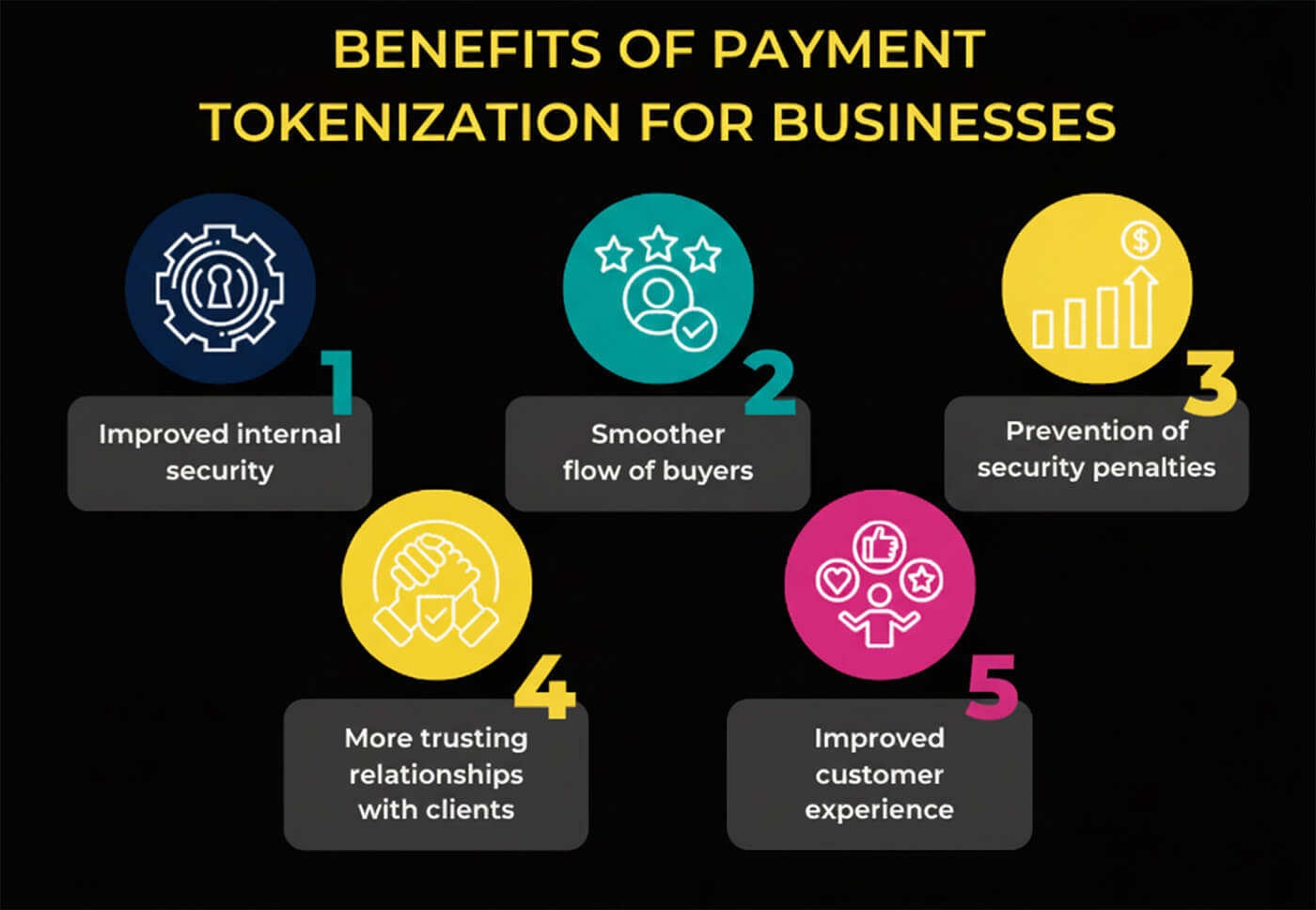
This approach helps launch a new product faster. It also reduces problems and errors during launch. Companies spend less money on creating and operating the service; they don't have to do everything themselves; they can use ready-made solutions from others.
Economic efficiency and cost optimization
Building your own tokenization platform from scratch requires a lot of money and effort. You need to figure out how it will work, write smart contracts, and build a wallet management system. It's crucial to verify users, adhere to KYC and AML regulations, and account for everything for audits. Blockchain integration is also necessary for everything to work together. Even a basic MVP can cost companies between $150,000 and $300,000, while a full-fledged infrastructure can cost $500,000 or more, plus subsequent support costs.
To put this in concrete terms: a typical in-house build requires a team of 4–6 engineers for smart contract development, a compliance specialist to navigate KYC/AML integration, a security auditor for smart contract review (usually $20,000–$50,000 alone), and ongoing DevOps infrastructure. A white label deployment shifts most of this to the provider's side. Your team focuses on business logic, investor relations, and go-to-market — the work that actually differentiates you in the market.
Pricing models vary. SaaS-based platforms like DigiShares offer entry tiers around $3,000 setup plus $300/month, which is viable for smaller issuances. Enterprise deployments with custom compliance configurations, multi-chain support, and dedicated infrastructure typically run $15,000–$80,000 for initial deployment, with ongoing support costs on top. Custom development by a specialized blockchain firm sits at $150,000–$500,000+ depending on scope — the right choice if you need proprietary logic that no existing platform supports.
A white-label solution eliminates the need for large investments. The company receives a ready-made technology stack that has already been tested and used by others. This reduces overall costs by 40–60%. This approach is very useful for companies that need to see how the tokenization idea works before embarking on a large-scale project.
Rapid implementation and time-to-market
Ready-made solutions allow to shorten the tokenization implementation process From 10–14 months to 4–8 weeks. This is critical for industries where the market is rapidly changing and the window of opportunity is limited.
Businesses can quickly launch:
- tokenization platforms ;
- Blockchain loyalty programs ;
- investment products;
- tokenization of commodity assets or raw materials;
- crowdfunding platforms;
- systems of digital shares or corporate rights.
This approach is especially valuable for companies that are developing in a competitive environment and cannot afford a long technology cycle.
Increased liquidity and simplicity for investors
Tokenization simplifies transactions and provides access to assets. Ready-made solutions often include everything you need: secondary market modules, simple APIs for connecting to CEX/DEX exchanges, secure asset storage options, and automated payout functions.
This creates key benefits for business:
- assets are easier to sell and resell;
- Partial shared ownership lowers the entry barrier;
- Liquidity is improved through standard tokens and automated transactions;
- Transparency and investor confidence are increased.
Companies that tokenize their assets note that the liquidity of such assets grows by an average of 20–35% in the first months after launch.
Maintaining identity and branded experience
One of the key advantages of branded solutions is the ability to maintain a company's corporate identity across all user interfaces—from the investor's personal account to internal management tools.
Branded experiences include:
- UI/UX in corporate colors;
- customized landing page for tokenized assets;
- branded mobile and web interfaces;
- integration into the company's existing web services.
This builds user trust and allows businesses to launch new products without diluting their brand.
Development and launch of the platform
The choice between in-house development and a white-label solution depends on strategic goals, available resources, and time constraints. For most companies seeking to quickly enter the market and minimize technical and regulatory risks, a white-label solution remains the most rational and cost-effective option. The key is a wise choice of supplier, careful configuration, and a consistent testing phase before commercial launch.
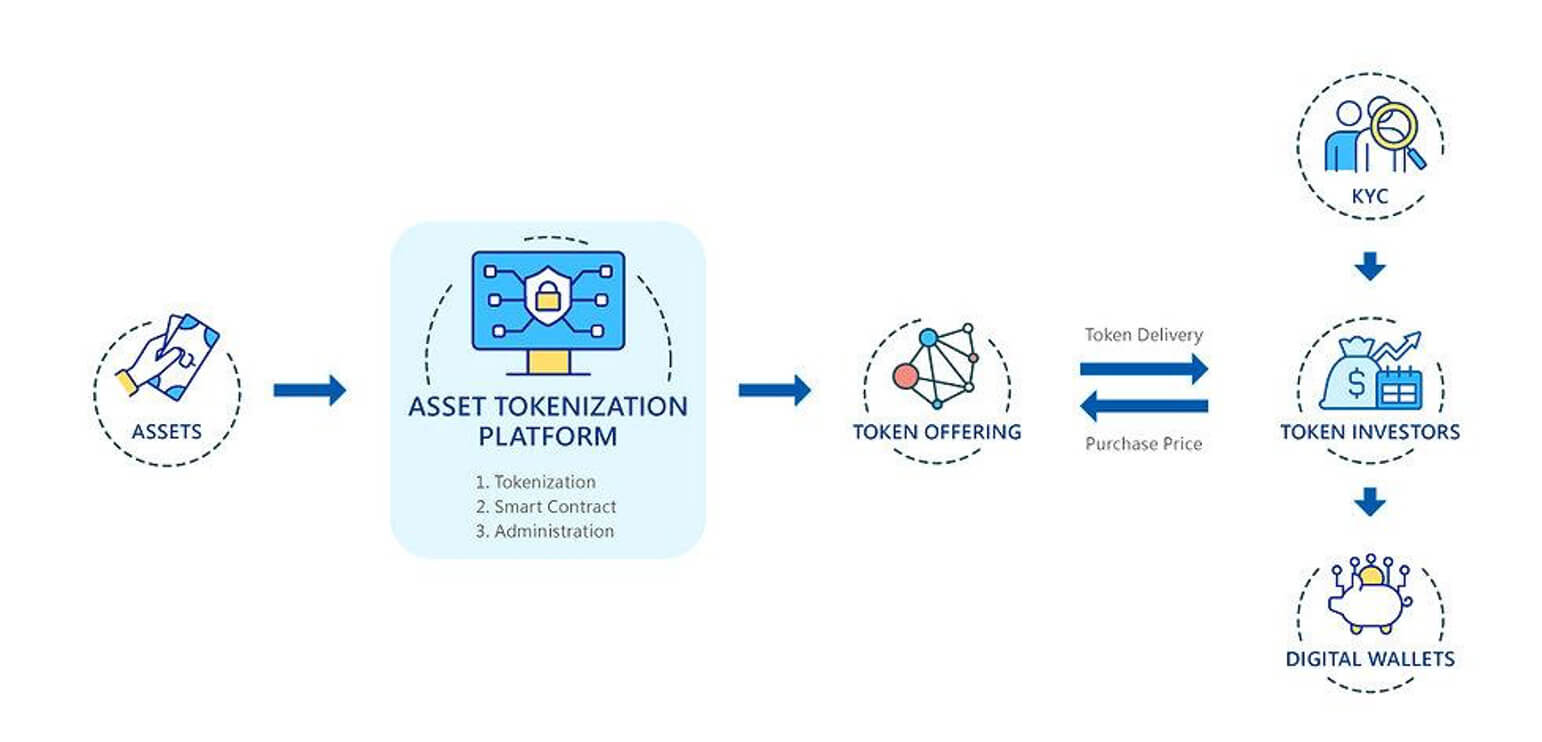
Difficulties of independent development
Building a tokenization platform from scratch is a large and complex undertaking. It requires significant time, money, knowledge, and expertise in blockchain, security, and law. Therefore, companies often choose a ready-made white-label solution. This helps them enter the market faster, reduce risk, save money and effort, and focus on their core business.
When organizations want to build a platform themselves, they face many complex challenges. They need to figure out how everything will work, how to store data, write and verify smart contracts, and how to communicate with wallets and payment systems. They also need to implement KYC/AML modules, ensure fault tolerance, backup and disaster recovery, and comply with regulatory requirements.
This system also requires support and frequent updates. This requires funding for DevOps, security, and legal assistance. Ultimately, developing a new system can take months or even a year. The cost can be very high, potentially reaching hundreds of thousands of dollars. It all depends on how many different new components you want to add to the system.
Benefits of White Label Solutions
White Label solutions are delivered as a ready-made technological product that has been tested and, as a rule, they have built-in connections to other services (KYC, currency storage, exchange gateways).
This provides a number of practical advantages:
- Everything starts quickly. An idea is born, and in a short time, there are results. There's no need to wait months or years—you can do it all in a week or a month.
- Resource savings. There's no need to recruit a large development team; you can work with what you have and not worry about long-term kernel support.
- Everything is protected. The platform's providers have already tested it for security. Smart contracts are verified, and there are rules in place to ensure everything remains secure and yours alone.
- Regulatory compliance. Many providers have experience working in various jurisdictions and offer modules that simplify KYC/AML compliance, tax reporting, and data retention requirements.
- Modules can be customized and selected as needed. Multi-chain support, fiat payment integration, an investor dashboard, or a trading module—it's all up to you.
White Label models offer different forms of cooperation: one-time integration with a fixed fee, monthly subscription, revenue model share or hybrids. It's important to agree on terms for updates, customizations, and support to avoid hidden costs in the future.
Choosing the right platform
Choosing a tokenization platform is a strategic decision that can impact how quickly your product will enter the market, its legal stability, its ease of operation, and how investors view your brand. This should be approached systematically. You need to consider what the platform can do, who created it, its history, and try to imagine how it will work in practice and in real life.
Recommended verification checklist logic:
- Technological compatibility: which blockchains are supported, is there multi-chain and bridge support; how flexible are smart contracts for the client's business logic?
- Security and audit: Are smart contract audit reports available, what HSM/MPC mechanisms are used to protect keys, is WAF and IDS provided?
- Compliance functionality: built-in integrations with KYC/AML providers, geo -blocking capabilities, and custom access rules.
- Integrations and API: REST/WebSocket API, webhooks, SDK for mobile and frontend integrations.
- Experience and cases: implemented industry cases (real estate, securities, funds), clients and reviews.
- Support and SLA: level of technical support, availability guarantees, update and patch plans.
- Legal and licensing aspects: availability of legal documentation, liability models, ready-made investor agreement templates.
After selecting a supplier, companies typically go through the following setup steps:
- Pre-implementation assessment and planning. Requirements development, module selection, access rights and controls definition.
- Customization and integration. Interface branding, smart contract customization for business logic, integration with CRM/ERP, crypto payment gateways, and KYC.
- Testing and auditing. Functional testing, load testing, independent security audit of smart contracts and architecture.
- Pilot launch (MVP). A limited launch for a subset of the audience or a single product, collecting feedback, and finalizing it.
- Full launch and scaling. Transition to commercial operation, secondary market activation, and marketing campaigns.
- Operational support and development. Monitoring, updates, and functionality expansion as requirements grow.
Choosing a white label is a balancing act. It's important to consider that the system should be simple, secure, affordable, and quick to implement. First, you need to clearly understand your needs, ask the supplier for all the important information, conduct a proof-of-concept (PoC), and evaluate pricing and the experience of others. This approach will help you find an option that will not only get you started but also lay a solid foundation for long-term success. This will give your investors confidence and future growth.
Our Experience
Merehead has been building financial and blockchain systems since 2015. Over the past decade, we've designed and delivered tokenization infrastructure for crypto exchanges, DeFi platforms, and real estate funds operating in the EU, US, and Southeast Asia — including full MiCA compliance architecture, AML integration, and smart contract development for regulated security token deployments. This article is based on direct experience across 50+ blockchain projects.
Conclusion
White-label tokenization platforms offer businesses many simple and cost-effective solutions. They allow companies to quickly introduce new products, spend less, and have more control over how people use their services. Crucially, the platform helps maintain a unique style and approach without sacrificing quality or customer convenience.
Tokenization of real estate and other land is particularly important. Shares in large buildings are now open to many people, something that was previously difficult. This allows businesses to manage revenue and finances more quickly and easily. People from different countries can now easily invest, opening up access to new types of capital and growth for the service, and making the market more accessible to everyone.
To realize these benefits, it's important for companies not to blindly purchase technology, but to carefully assess their needs—asset type, target markets, and regulatory restrictions—and match them with the platform's capabilities. Choosing a good provider is crucial. A company needs one that offers all the necessary features, a simple and clear pricing system, proven security, and fast, high-quality support. Such a provider will reduce costs, simplify asset management, and increase investor engagement.
FAQ: White Label Tokenization Platform
Pricing depends on the deployment model and scope of compliance requirements. Here's a realistic breakdown: SaaS / entry-tier platforms (e.g., DigiShares Launch): ~$3,000 setup + $300/month. Suitable for single-asset or small portfolio tokenization. Mid-market white label deployment: $15,000–$80,000 initial setup, with monthly SaaS fees or revenue share. Includes KYC/AML integration, custom compliance modules, and investor portal branding. Custom white label development (full proprietary platform): $150,000–$500,000+, depending on multi-chain support, jurisdictional compliance scope, and secondary market functionality. Additional costs that companies frequently overlook: smart contract audit ($15,000–$50,000 from a reputable firm), legal structuring per jurisdiction, and ongoing platform updates as regulations change (especially relevant under MiCA in the EU). Total first-year cost for a production-ready deployment with proper compliance typically runs $50,000–$150,000 on the white label route.
This is a ready-made technological solution that an organization can use under its own brand. The platform helps save time, effort, and money on development from the ground up.
These are places where you can issue, manage, and exchange tokens that represent real value. Such platforms ensure legal compliance, secure transactions, and a user-friendly interface for investors.
There's no single answer — the right platform depends on your asset class, jurisdiction, and whether you need a packaged SaaS product or a custom-built system. For regulated securities and institutional deployments, Tokeny (ERC-3643 / T-REX) and Securitize lead the market. Tokeny is the standard for EU institutional issuances; Securitize dominates US private placements under Reg D. For real estate tokenization with fractional ownership and secondary market support, DigiShares (active in 40+ countries, $1B+ in processed securities) and Blocksquare are the most purpose-built options. For companies that need full custom white label development — meaning proprietary branding, unique compliance logic, multi-chain deployment, and integration with existing CRM or payment infrastructure — working with a specialized development firm makes more sense than adapting an off-the-shelf product. The question to ask any provider: have they built a similar system for your asset class and jurisdiction before, and can they show the technical documentation?