Building a stock trading platform means solving three problems simultaneously: a technology problem (real-time data, order execution, matching engine), a regulatory problem (SEC/FINRA compliance, KYC/AML, record retention), and a product problem (UX that works for both beginners and professional traders). Most platforms that fail get one or two of these right and underestimate the third.
This guide covers how to develop a trading platform — the features, architecture, compliance requirements, technology stack, and realistic cost breakdown for 2026. Whether you're building a retail stock trading app, a multi-asset professional terminal, or evaluating a white-label solution before committing to custom development, this is the reference you need.
Types of Stock Trading Platforms: What Are You Building?
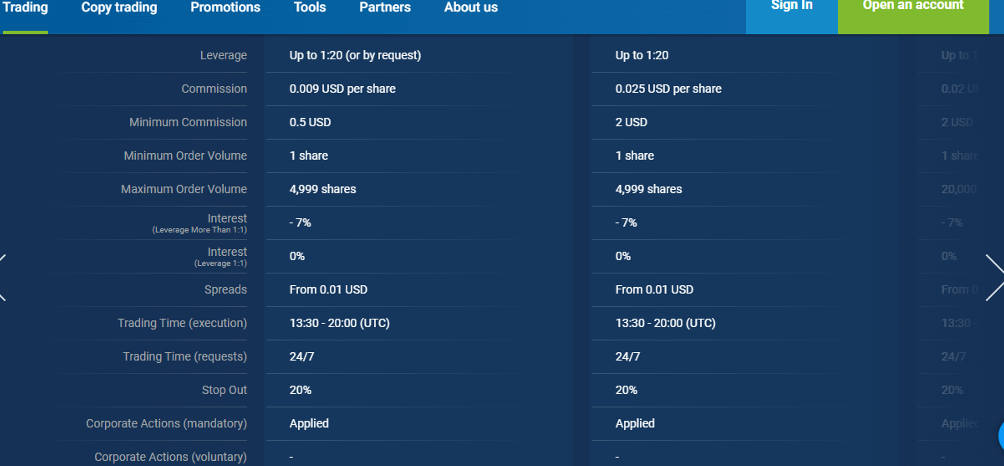
Before architecture decisions, you need a clear answer to the product question. The four main platform categories each have different feature requirements, compliance paths, and cost profiles.Retail stock trading app (Robinhood model): zero-commission trading, simplified UX, mobile-first, commission-free stocks and ETFs. Target audience: beginner and intermediate retail investors. Revenue: payment for order flow (PFOF), premium subscriptions, interest on uninvested cash.
Multi-asset professional platform (Interactive Brokers model): full order type suite, options chains, futures, forex, margin accounts, advanced charting, FIX API for algorithmic traders. Target audience: active traders and institutions. Revenue: commissions per contract, margin interest, data fees.
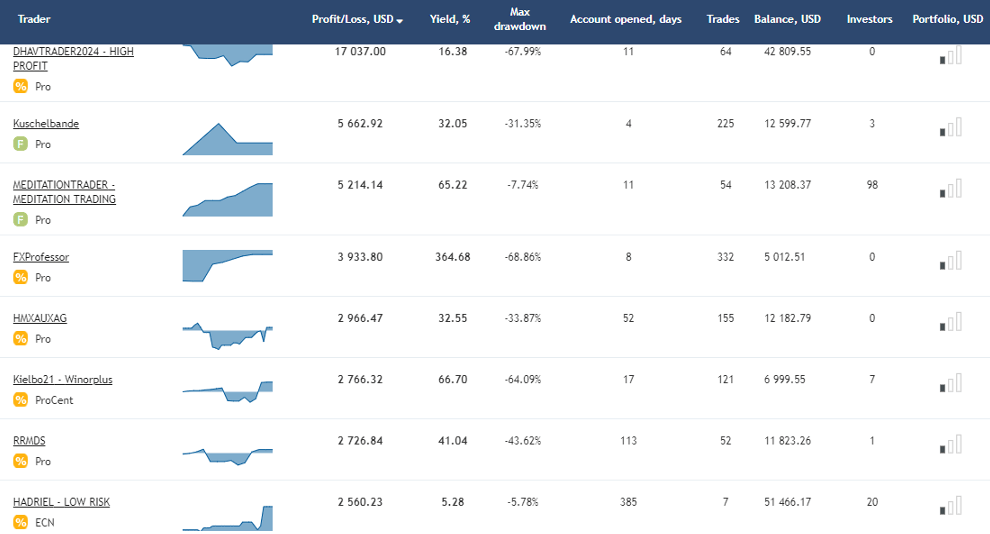
Social/copy trading platform (eToro model): user profiles, strategy following, performance leaderboards, portfolio copying with configurable lot sizing. Target audience: retail investors who want exposure without active management.
Robo-advisor / managed portfolio platform (Betterment/Wealthfront model): automated portfolio construction, rebalancing, tax-loss harvesting. Target audience: passive long-term investors. Revenue: AUM-based advisory fee.
Core Features: Platform Capabilities by Tier
| Feature | Basic (MVP) | Advanced | Institutional |
|---|---|---|---|
| User onboarding | Email + KYC (ID + selfie) | KYC + bank link + accreditation verification | Full institutional onboarding + AML screening |
| Order types | Market, Limit | + Stop, Stop-Limit, OCO, Trailing Stop, GTC | + Algorithmic, basket, VWAP, iceberg |
| Asset classes | US stocks + ETFs | + Options, mutual funds, crypto | + Futures, bonds, forex, international |
| Real-time data | Level 1 (last price, bid/ask) | Level 1 + Level 2 (full order book) | Full depth + options chain + tick data |
| Charting | TradingView embed, standard indicators | TradingView Pro + custom indicators | Professional terminal, multi-screen |
| Portfolio view | Holdings + P&L | + Performance attribution + tax lot tracking | + Risk analytics, factor exposure, drawdown |
| Copy trading | No | Optional (follow top performers) | Optional + API for strategy providers |
| AI / screener | Basic stock screener | AI-powered recommendations + alerts | Full ML-based rebalancing + signals |
| Notifications | Push (price alerts) | + News + earnings + analyst updates | + Custom trigger-based signal alerts |
| Mobile | Responsive web | Native iOS + Android | Native apps + desktop terminal |
| Compliance tooling | KYC/AML, 2FA | + SEC Reg BI documentation, FINRA reporting | + Full OATS, trade surveillance, SAR filing |
| API access | None | REST API for account data | FIX protocol + WebSocket streaming |
AI Features: Robo Advisor, Stock Screener & Predictive Analytics
AI integration in trading platforms has moved from optional to expected. What's worth building and what's noise:Stock screener with AI ranking: users filter by market cap, sector, P/E ratio, and momentum. The AI layer adds a ranking score based on configurable criteria — analyst sentiment, earnings trend, technical momentum. This is achievable with existing financial data APIs and a well-designed scoring model.
AI-powered advisor (like the eToro CopyTrader or Betterment's allocation engine): portfolio recommendations based on user risk profile, investment horizon, and current holdings. For a regulated platform, every AI recommendation must be documentable under SEC Regulation Best Interest — the system can't just say "buy this," it must record why the recommendation serves the client's best interest.
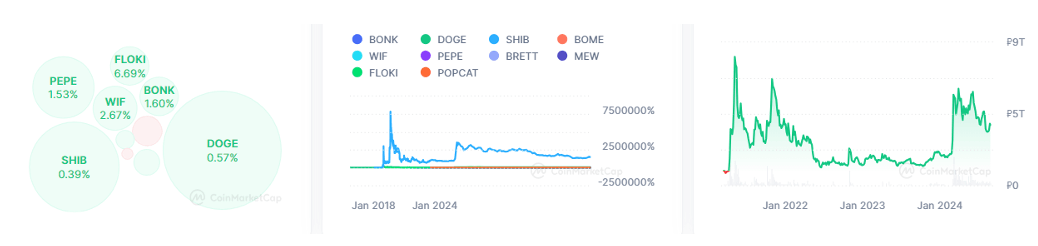
Predictive analytics for rate forecasting: multi-factor models that combine price history, volatility, volume, and macro indicators. Simple one-variable regression (rate as a function of time) is a starting point for demonstration but insufficient for real recommendations — a production forecasting model needs at minimum 3–5 independent factors and validation against out-of-sample data. Make this available as a Premium feature; free users get simplified views.
Technology Stack for Stock Trading Platforms
| Layer | Technology | Why |
|---|---|---|
| Backend (core services) | Go or Java | High throughput, low latency — matching engine and order processing require sub-millisecond response times |
| Backend (API layer) | Node.js | Non-blocking I/O, excellent WebSocket support, fast API gateway development |
| Database (transactional) | PostgreSQL | ACID compliance for financial records, excellent query performance, proven at scale |
| Cache / order state | Redis | In-memory speed for order book state, session management, real-time leaderboards |
| Message bus | Kafka / Redpanda | Event streaming between microservices — order events, trade confirmations, balance updates |
| Frontend (web) | React.js | Component-based architecture, large ecosystem, works well with TradingView widget integration |
| Mobile | React Native or Flutter | Cross-platform iOS + Android from shared codebase, acceptable performance for trading UX |
| Desktop | Electron.js | Cross-platform desktop app from web codebase — suitable for professional terminal features |
| Charting | TradingView widget | Industry standard, 100+ built-in indicators, familiar to professional traders |
| Infrastructure | AWS / GCP + Kubernetes | Horizontal scaling, managed services, financial-grade reliability SLAs |
| Secrets | HashiCorp Vault | Encrypted storage for API keys and signing credentials — no secrets in environment files |
Real-Time Data Infrastructure
Real-time market data is the most latency-sensitive component in your stack. The choices you make here determine whether your platform feels like a live exchange or a page that refreshes every few seconds.Market data providers for US equities:
- IEX Cloud — real-time Level 1 and Level 2 data via HTTPS and WebSocket, generous free tier, clean API. Best starting point for most platforms.
- Polygon.io — broader coverage including options and crypto, real-time and historical WebSocket streaming, more comprehensive than IEX at higher cost.
- Alpaca Markets — commission-free trading API with brokerage infrastructure included. Ideal if you want to route trades through a registered broker-dealer without building your own.
- Bloomberg / Refinitiv — institutional-grade data with guaranteed SLAs. For platforms targeting professional traders.
WebSocket architecture for real-time feeds: a production trading platform cannot poll REST APIs for price data — the latency is too high and the request overhead is prohibitive at scale. WebSocket connections maintain persistent two-way channels. When price data updates, the server pushes it to all subscribed clients without waiting for a request.
In exchange platforms we've deployed, we use Redis Pub/Sub or Kafka as a message distribution layer between the data feed and the WebSocket server. When a price update arrives, it publishes to a topic; all WebSocket workers subscribed to that topic push to their respective clients in parallel. Designing this fan-out architecture to scale horizontally from the start costs the same as building it naive — and avoids an expensive refactor at 50,000 concurrent users.
Order Management System & Matching Engine
For platforms that execute trades directly rather than routing through a broker-dealer API, the order management system (OMS) and matching engine are the most technically demanding components.Order types your OMS must handle: market, limit, stop-loss, stop-limit, trailing stop, bracket orders, OCO (one-cancels-other), and day/GTC duration flags. Each requires specific logic for execution, partial fills, amendment, and cancellation. Margin trading adds another layer — every order must validate against available margin before it enters the order book.
Matching engine performance: processes orders in price-time priority — the best-priced buy matches against the best-priced sell, and within the same price, earlier orders take priority. For a production internal order book, this means sub-millisecond processing for thousands of orders per second.
We test with replayed historical order books — not synthetic data — because only real order flow surfaces edge cases: split-second simultaneous opposing orders at the same price, rapid cancel-and-rebook sequences, and partial fills that interact with stop-loss triggers. These edge cases don't appear in synthetic test data but appear regularly in production within the first week of launch.
US Regulatory Compliance: What You Need Before You Launch
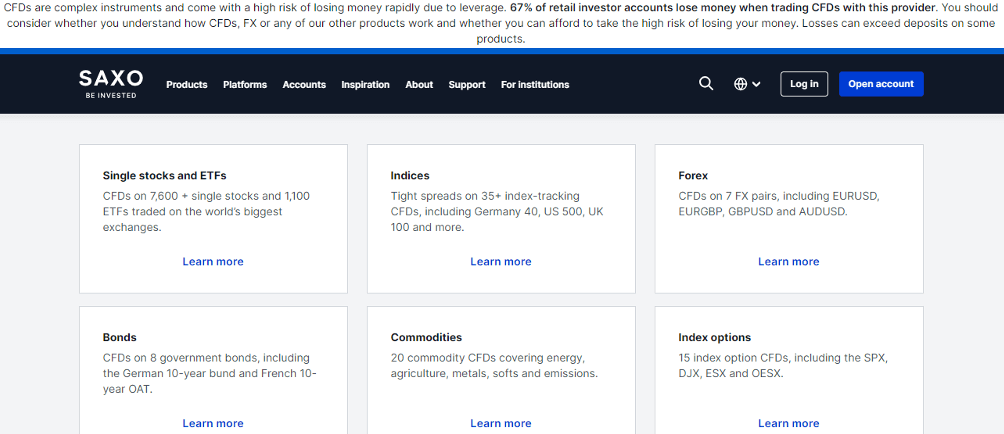
Building a stock trading platform for US users requires navigating a specific regulatory framework. These decisions affect your architecture from day one — not as a post-launch add-on.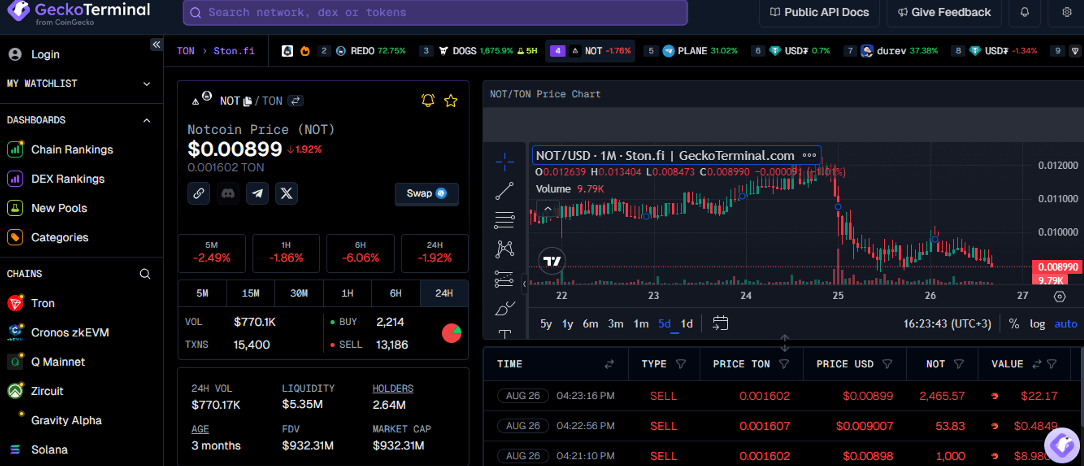
Broker-Dealer vs Investment Advisor Registration: if your platform executes trades on behalf of users, you're likely operating as a broker-dealer and must register with FINRA and the SEC. If you provide investment advice without executing trades directly, Investment Advisor registration applies (state-level for AUM under $100M, SEC-level above). The distinction determines your compliance requirements and your technology obligations.
Routing trades through a registered broker-dealer API (Alpaca, DriveWealth, Interactive Brokers): this path avoids direct FINRA registration but constrains your asset coverage and fee structures. Most retail stock trading startups take this path for the initial launch and pursue direct registration as volume justifies the compliance investment.
SEC Regulation Best Interest (Reg BI): for retail clients, broker-dealers must act in the client's best interest when making a recommendation. Your platform's AI advisor, stock screener, and any "suggested" content must be designed to document how recommendations serve client interests. This is both a legal requirement and a UX constraint that affects how you surface investment suggestions.
Technology compliance requirements: trade confirmation records retained 6 years, customer account records retained 3 years, OATS (Order Audit Trail System) compliance, AML program documentation, SAR (Suspicious Activity Report) filing for transactions over $5,000, and KYC verification for all account holders. All of this requires specific database schema and retention policies in your architecture.
Security Architecture
Security for a trading platform is not just web application security — it's order flow security. The most dangerous vulnerabilities in trading platforms are logic vulnerabilities in the order submission path, not the login screen.Standard security controls:
- 2FA — TOTP mandatory (Google Authenticator), SMS as fallback
- Rate limiting on order submission — not just on login attempts
- Session management with configurable timeout and re-authentication for large transactions
- IP whitelist for admin console with hardware MFA
- End-to-end encryption for all financial data in transit and at rest
- PCI DSS compliance for payment card data storage
- Immutable audit logs for all financial transactions (required by SEC for 6 years)
Standard OWASP testing doesn't catch these because they're specific to trading application logic, not web application patterns. Before launch, commission an independent penetration test from a firm with specific experience in financial platform security, not just web application security. The difference matters.
AI-Powered Stock Advisor: What "Built-in Intelligence" Actually Means
The most compelling user experience in modern trading apps is the contextual advisor — a system that doesn't just display data but interprets it for the user.Imagine a user looking at Tesla stock over time. They see a noticeable downward trend, but the rate has consistently held above $180. The built-in advisor runs a multi-factor model: 5-year trading range, current price relative to range, analyst consensus, earnings trend, and volatility profile. It presents: "84% probability of reaching $250 within 9 months based on historical range and current momentum score."
The user then asks the platform to compare against Toyota and Mercedes-Benz. The advisor surfaces MBGn: "Quoted between €19 and €76 over the last 5 years, currently at €61, with an estimated 84% probability of reaching €75 in the next quarter." Three profit scenarios follow: conservative, base, and optimistic.
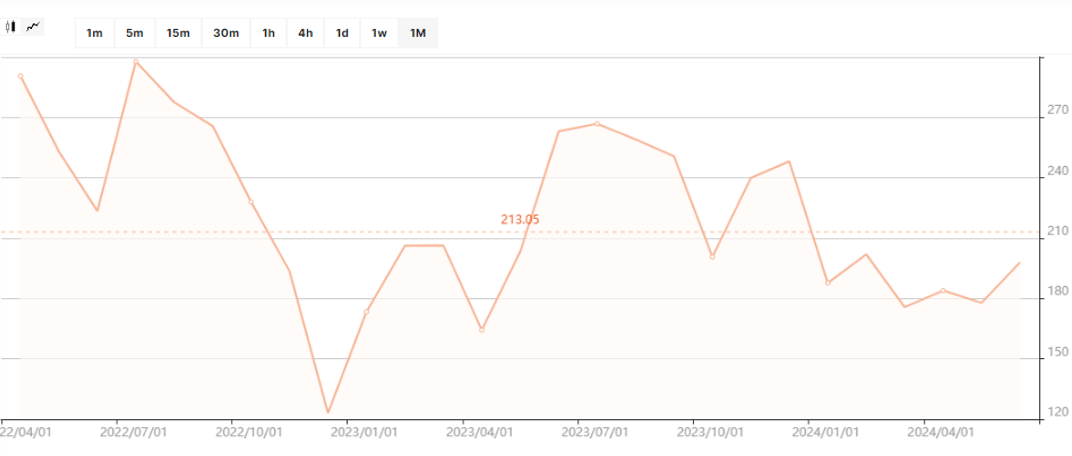
This is the feature that turns a data display into a product users tell other people about. The technical requirement: a multi-factor scoring model per stock (not regression on time alone — at minimum price momentum, volume trend, earnings quality, and analyst sentiment), a presentation layer that renders the output in plain language, and — critically for regulated platforms — a logging layer that records every recommendation displayed to every user for SEC Reg BI documentation.
Monetization Models
The right monetization model depends on your platform type and regulatory structure. The most common options in 2026:Commission per trade: $0 for stocks and ETFs (Robinhood model), $0.65 per options contract (Schwab model), higher for futures and international equities. Works at scale; thin margins require high volume.
Payment for order flow (PFOF): routing retail orders to market makers who pay for them. Generates revenue per trade without charging users directly. Under SEC scrutiny — Regulation Best Interest requires PFOF to be disclosed and justified as in the client's best interest.
Premium subscription: Robinhood Gold ($5/month) for margin access, Level 2 data, and extended trading hours. Betterment charges 0.25% AUM for automated portfolio management. Schwab charges $300 for premium advisory access.
Interest on uninvested cash: cash sitting in accounts earns interest on the money market side that platforms partially capture. At $1B in customer cash balances and a 4% money market rate, this is $40M/year in potential revenue — which is why platforms compete aggressively on cash sweep terms.
Data and API fees: institutional clients and algorithmic traders pay for premium data access, FIX API connectivity, and co-location services. This revenue is high-margin but limited to a small percentage of the user base.
Development Cost & Timeline
| Platform Type | Scope | Timeline | Cost |
|---|---|---|---|
| White Label | Branded platform on existing infrastructure, basic customization, limited asset coverage | 4–8 weeks | $10K–$40K setup + $2K–$8K/month |
| Basic Custom MVP | US stocks + ETFs, market/limit orders, KYC, portfolio view, TradingView charts, mobile app | 5–8 months | $80,000–$120,000 |
| Mid-Tier Platform | MVP + options trading, advanced order types, copy trading, AI screener, SEC/FINRA compliance layer | 8–14 months | $120,000–$250,000 |
| Full Platform | All above + matching engine, FIX API, robo advisor, multi-asset, institutional compliance tooling | 12–24 months | $250,000–$600,000 |
Infrastructure costs: $3,000–$15,000/month depending on market data feed tier and user volume.
Regulatory/legal (broker-dealer registration, FINRA): $50,000–$150,000 additional, separate from development.
If the idea has just matured and you're not yet ready to commit to stock trading app development, it is worth trying a White Label solution first and testing the business model in your target region before investing in a fully custom build. White Label setup typically costs under $40,000 with monthly licensing in the $2,000–$8,000 range. Compare this against $40,000–$80,000 for a basic custom platform and the break-even calculation tells you when to transition.
Frequently Asked Questions
How much does it cost to build a stock trading platform?
Costs range by scope: basic MVP (US stocks + ETFs, mobile app, KYC) costs $80,000–$120,000 over 5–8 months. A mid-tier platform with options and SEC compliance: $120,000–$250,000, 8–14 months. A full institutional platform with matching engine and FIX API: $250,000–$600,000, 12–24 months. White-label solutions start at $10,000–$40,000 setup with $2,000–$8,000/month in licensing. FINRA broker-dealer registration adds $50,000–$150,000 in legal and compliance costs, separate from development.
Do I need a broker-dealer license to build a stock trading app?
If your platform executes trades on behalf of users, you likely need to register as a broker-dealer with FINRA and the SEC. The alternative path: route trades through a registered broker-dealer API (Alpaca, DriveWealth, Interactive Brokers) — this avoids direct FINRA registration but constrains your asset coverage and fee flexibility. Investment advisor registration applies if you provide recommendations without direct execution. The legal structure choice determines your technology architecture, so resolve this before development begins.
How long does it take to build a stock trading app?
A basic MVP: 5–8 months of development. Mid-tier platform with compliance: 8–14 months. Full institutional platform: 12–24 months. FINRA broker-dealer registration runs in parallel and takes 6–12 months independently — this is often the actual timeline constraint, not development speed. Platforms routing trades through a registered broker-dealer API can launch faster without direct FINRA registration.
What's the best tech stack for a stock trading platform?
Backend core: Go or Java for the matching engine and order processing (sub-millisecond latency requirements). Node.js for API gateway and WebSocket management. PostgreSQL for financial records (ACID compliance), Redis for order state caching, Kafka for event streaming between microservices. Frontend: React.js for web, React Native or Flutter for mobile. Market data: IEX Cloud for startup scale, Polygon.io for broader coverage, Alpaca for integrated brokerage. Infrastructure: AWS or GCP with Kubernetes for horizontal scaling.
What market data API should I use?
IEX Cloud for US equities at startup scale — real-time Level 1 and Level 2 data, generous free tier, clean WebSocket API. Polygon.io for broader coverage including options and crypto. Alpaca if you want brokerage infrastructure included. Bloomberg/Refinitiv for institutional-grade data with guaranteed SLAs. Avoid Yahoo Finance and Google Finance APIs for production — they're not designed for trading use and can break without notice.
How do I handle real-time data in a trading platform?
Use WebSocket connections, not REST API polling — the latency is too high and request overhead is prohibitive at scale. Your backend maintains a WebSocket connection to the data provider and fans out updates to clients through your own WebSocket server. At scale (10,000+ concurrent users), this fan-out requires a dedicated message distribution layer — Redis Pub/Sub or Kafka — not a loop over WebSocket connections. Design this horizontally scalable from the start.
What compliance features does a stock trading app need?
At minimum: KYC verification (ID + selfie), AML transaction monitoring, 2FA, and audit logs retained for SEC-required periods (trade confirmations: 6 years; account records: 3 years). FINRA-regulated platforms additionally need OATS compliance, documented AML procedures, SAR filing capability, and SEC Regulation Best Interest documentation for any AI-powered recommendations. Budget 15–20% of development scope specifically for compliance infrastructure.
White label vs custom: which is right for my stock trading platform?
White label is right if you're validating a business model, entering a new market, or need to launch in weeks rather than months. Cost: $10,000–$40,000 setup. The constraint: you're dependent on the vendor's roadmap and can't differentiate on platform features. Custom development is right when you have a specific product vision, need a proprietary feature that white-label can't deliver, or have proven the business and want to own the technology. The practical path for most new platforms: white label to prove market fit, then migrate to custom as revenue justifies the investment.