The real estate crowdfunding market reached $17.8 billion by the end of 2024 and is projected to grow at over 25% annually through the next decade. Yet most platforms that attempt to enter this space fail not because of the idea — but because of the execution gap between "we'll build a marketplace" and what a compliant, scalable investment platform actually requires.
In this guide, we cover how to start a real estate crowdfunding business end-to-end: the right business model, SEC regulatory framework, technical architecture, KYC/AML integration, platform features, and realistic development costs. The goal is not a surface overview — it's a practical foundation for founders who want to build something that works in production and passes regulatory scrutiny in the US market.
What is a real estate crowdfunding business?
A real estate crowdfunding business is an online platform that enables a broad pool of investors to participate in real estate projects without requiring large individual capital. Depending on the model, participants may fund construction through tokenization, acquire fractional shares in rental properties, contribute to a housing cooperative, or provide debt capital for development projects.
The platform acts as the intermediary infrastructure between property owners or developers (who need capital) and investors (who want exposure to real estate returns). Blockchain-based implementations add a layer of programmable transaction logic via smart contracts, enabling automated distribution of returns, transparent ownership records, and tokenized fractional stakes.
What makes these platforms compelling for all parties:
- Transparency and trust. All transactions are recorded on a distributed ledger that participants can verify. Records cannot be modified retroactively, which removes a significant source of counterparty risk in traditional real estate transactions.
- Accessibility and inclusiveness. The JOBS Act of 2012 opened real estate investing to non-accredited investors for the first time. Platforms can now accept contributions as low as $500, removing the high-net-worth barrier that previously defined this asset class.
- Reduced intermediary costs. Direct fund flow between investors and developers, governed by smart contracts, cuts the cost layer that banks, brokers, and escrow agents traditionally add to each transaction.
- Portfolio diversification. Investors can spread capital across multiple property types, geographies, and risk profiles within a single platform — a level of diversification that was operationally impossible for retail investors before crowdfunding infrastructure existed.
- Automated return distribution. Smart contracts execute distribution logic — rental income splits, dividend payments, principal repayments — without manual intervention, reducing administrative overhead and the risk of distribution errors.
- Global capital access. A properly structured platform can accept investment from international accredited investors, giving developers access to a capital pool that local financing channels cannot reach.
How a real estate crowdfunding business works
The operational flow of a real estate crowdfunding platform involves four core stages: project listing and vetting, investor onboarding and compliance, capital collection and escrow management, and return distribution.
A developer or property owner submits a project to the platform. The platform conducts due diligence and lists the offering with full disclosure documentation. Investors complete KYC/AML verification, review the offering, and contribute capital. Funds are held in escrow until the funding minimum is met; if the target is not reached within the offering period, capital is returned. Once the raise closes, funds are deployed and the platform manages ongoing investor reporting and distribution until exit or loan maturity.
The specific mechanics depend on the crowdfunding model in use. The four primary models currently in production:
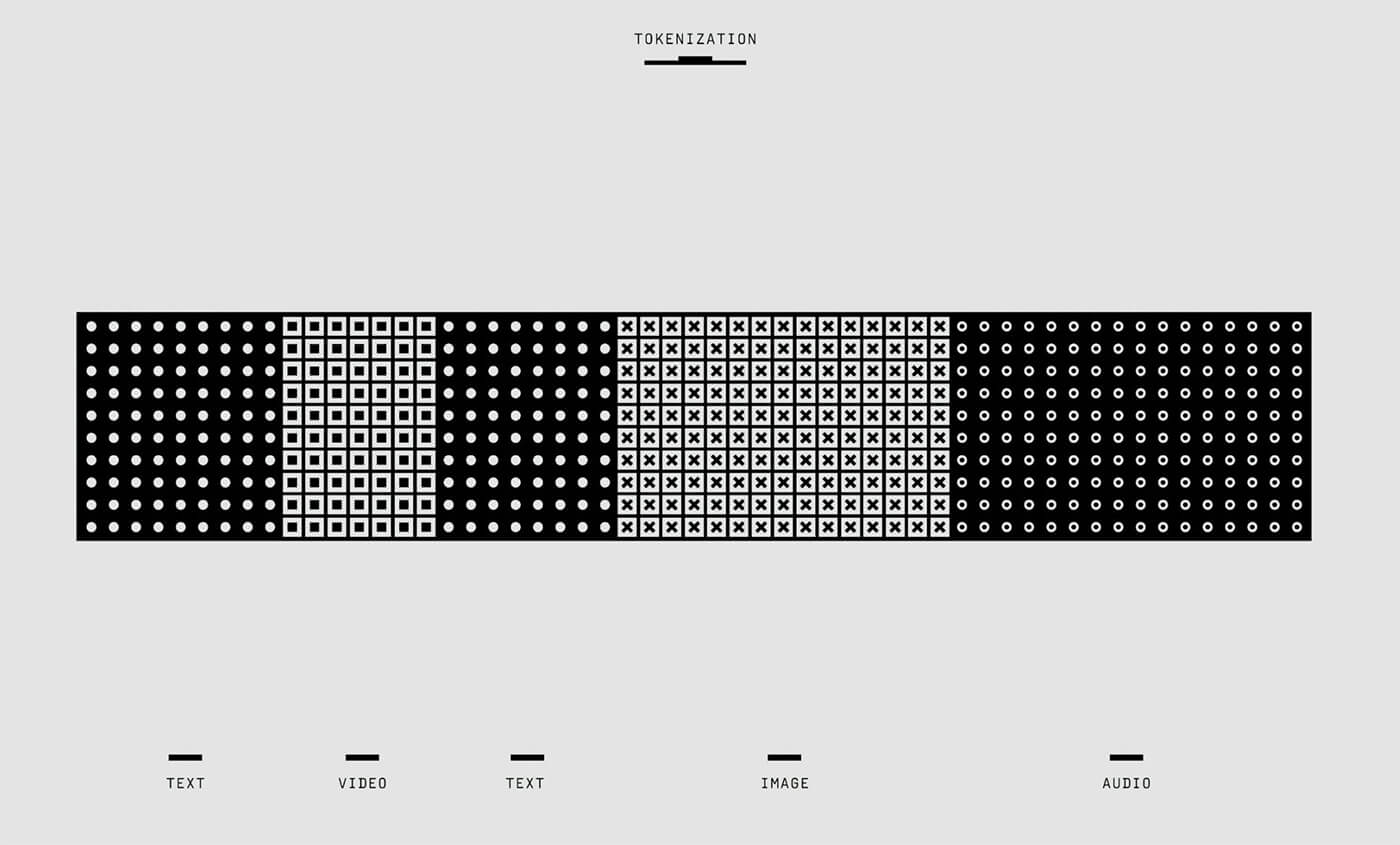
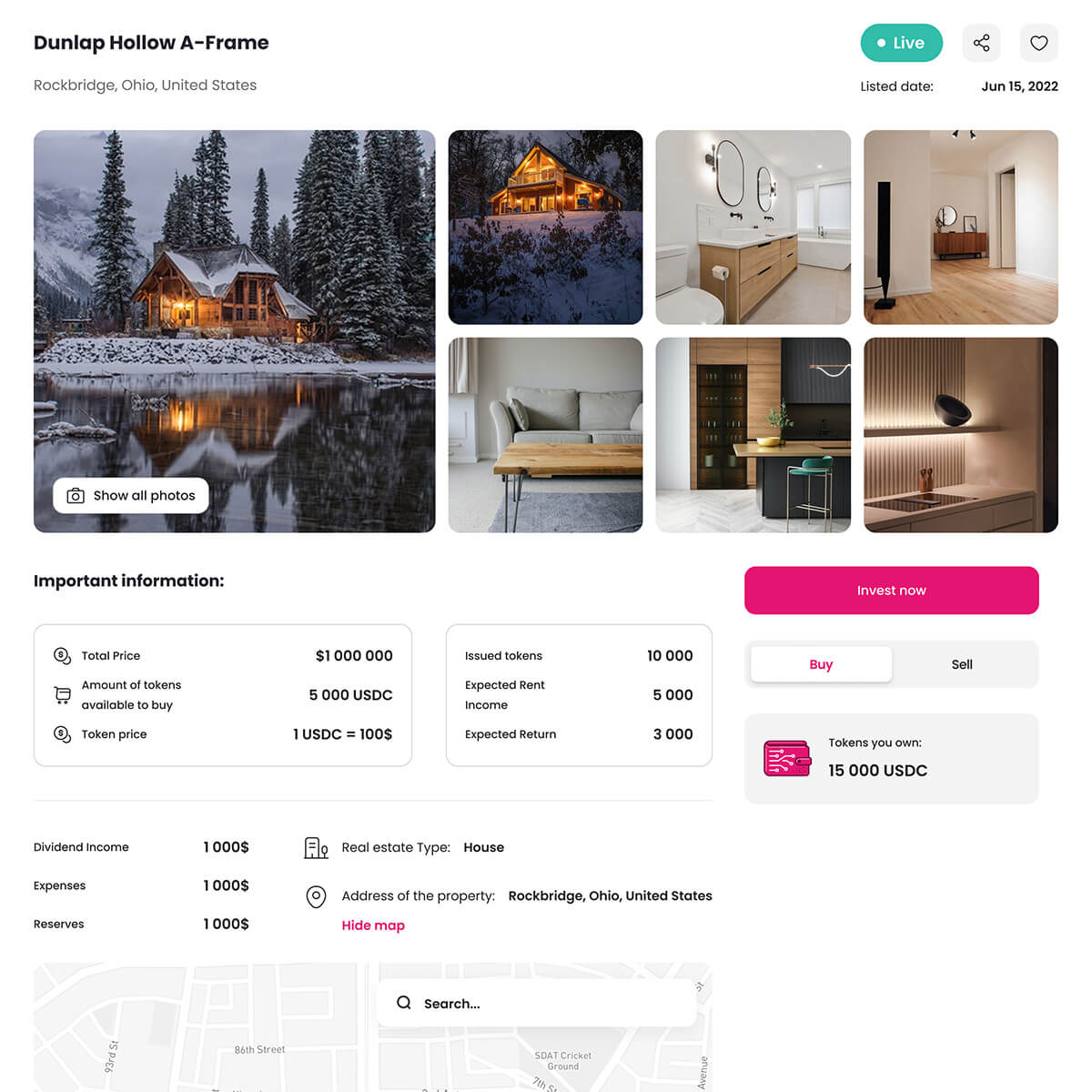
- Real estate tokenization. A property is divided into digital tokens representing fractional ownership stakes. If 1,000 tokens are issued for a real estate tokenization project, each token represents a 1/1,000 share. Blockchain records ownership and automates income distribution proportional to stake size.
- Peer-to-peer real estate lending. Investors provide loans for property development or acquisition. Instead of equity, they receive fixed interest payments. Returns are more predictable than equity models; the risk profile is tied to borrower default rather than property appreciation.
- Decentralized cooperative. A blockchain-based version of a housing cooperative where members contribute to a shared fund and take turns acquiring properties. Smart contracts manage fund allocation and member voting on distribution order.
- Buyback model. Investors acquire equity stakes in a property with a contractual option for the owner to repurchase those stakes at a predetermined date and price. The blockchain tracks ownership and enforces buyback terms automatically.
US Regulatory Framework: What You Must Know Before Building
This is the section most technical guides skip. In the US market, a real estate crowdfunding platform is not a software product — it is a regulated financial intermediary. The regulatory structure you choose determines your investor eligibility, your raise limits, your disclosure obligations, and your ongoing compliance burden. Getting this wrong before development starts creates legal exposure that cannot be patched with a software update.
The platform itself is not just a marketplace — under Reg CF, you are an SEC-registered intermediary with legal obligations to both issuers and investors. That status has to be designed into your architecture from day one, not bolted on after launch.
 Yuri MusienkoBusiness developer, Merehead
The Three Primary Exemptions
US securities law requires that any offer or sale of securities be either registered with the SEC or qualify for a specific exemption. Real estate crowdfunding platforms operate under one of three exemptions from the JOBS Act:
| Exemption | Max Raise (12 months) | Investor Type | Registration Requirement | Key Obligation |
| Regulation Crowdfunding (Reg CF) | $5 million | Accredited + non-accredited | SEC-registered funding portal or broker-dealer | Form C disclosure; ongoing annual reports |
| Regulation A+ (Tier 2) | $75 million | Accredited + non-accredited | SEC qualification required | Audited financials; semi-annual + annual reports |
| Regulation D (Rule 506(b/c)) | No cap | Primarily accredited investors | Form D filing (notice only) | Accredited investor verification; no general solicitation (506b) |
For most early-stage platforms targeting retail investors in the US, Reg CF is the starting framework. The $5 million annual limit is calculated on a rolling 12-month basis from each closing date — not from the Form C filing date. This distinction matters operationally: if your platform runs multiple offerings simultaneously, each closing event resets the rolling window independently.
How to start a real estate crowdfunding business: step by step
Building a compliant, production-ready real estate crowdfunding platform involves eight distinct workstreams. The sequence matters: regulatory decisions made in Step 1 constrain technical decisions made in Steps 4 through 6. Reversing that order is the most common and expensive mistake we see in this category.
Step 1: Choose a business model
The business model determines your regulatory path, your revenue structure, your investor eligibility criteria, and the core transaction logic your platform must execute. These decisions cascade into every subsequent technical requirement. Choosing the wrong model — or deferring the choice — means rebuilding core architecture mid-project.
The key dimensions to define at this stage:
- Equity vs. debt model. Equity platforms give investors ownership stakes and returns tied to property performance (appreciation and rental income). Debt platforms give investors loan positions with fixed interest returns. These are fundamentally different transaction flows, different risk/return profiles for investors, and different smart contract logic. They cannot share the same accounting model.
- Accredited-only vs. retail investors. Reg D (506b/c) limits you to accredited investors but removes the $5M cap and reduces disclosure obligations. Reg CF opens your platform to non-accredited retail investors but imposes SEC registration, individual investment limits, and mandatory escrow. Your investor target determines your regulatory track before you write a line of code.
- Revenue model. Common structures: origination fee charged to issuers (1–3% of raise), annual management fee on AUM (0.5–2%), performance carry on exits (10–20%), or platform fee layered on top of issuer fees. Each structure has different implications for your fee calculation logic and your disclosure obligations.
- Property type focus. Residential, commercial, industrial, raw land, and mixed-use all attract different investor profiles and carry different regulatory and due diligence requirements. A focused niche is easier to underwrite consistently and market effectively than a general marketplace.
Step 2: Choose a development approach and team
The build vs. buy decision for a real estate crowdfunding platform has a clear framework once you understand the cost and risk structure of each option. The choice is not about preference — it is about your risk profile and timeline.
| Approach | Timeline to Launch | Cost Range | Customization | Best For |
| White-Label Platform | 2–6 weeks | $15,000–$40,000 | Branding, config, payment keys, KYC provider | Validated model, fast market entry, capital-constrained launch |
| Semi-Custom (fork + extend) | 2–5 months | $40,000–$120,000 | Core modules customizable, new features addable | Differentiated UX on a proven base, mid-stage founder |
| Custom from Scratch | 8–16 months | $150,000–$600,000+ | Full — proprietary logic, unique business model | Novel model that existing platforms cannot support |
When evaluating a development partner, the key criteria beyond technical competence:
- Fintech and compliance experience. General-purpose web developers and fintech developers are not equivalent. A team that has built and launched investment platforms in production understands the difference between KYC as a feature and KYC as a regulatory state machine with audit trail requirements.
- References with verifiable production deployments. Ask specifically for platforms that have processed real investor capital, not demo environments or staging builds.
- Approach to escrow and payment architecture. How they answer this question reveals quickly whether they have built compliant platforms before.
- White-label availability. Merehead offers white-label crowdfunding platform deployments for founders who need production speed without sacrificing architecture quality.
Step 3: Choose a blockchain for your project
The blockchain you build on determines your transaction costs, confirmation speed, smart contract capability, developer ecosystem depth, and long-term upgrade path. This decision is permanent in a way that most other technology choices are not: migrating a live investment platform from one chain to another is a multi-month engineering project with significant user disruption risk.
The decision framework by platform type:
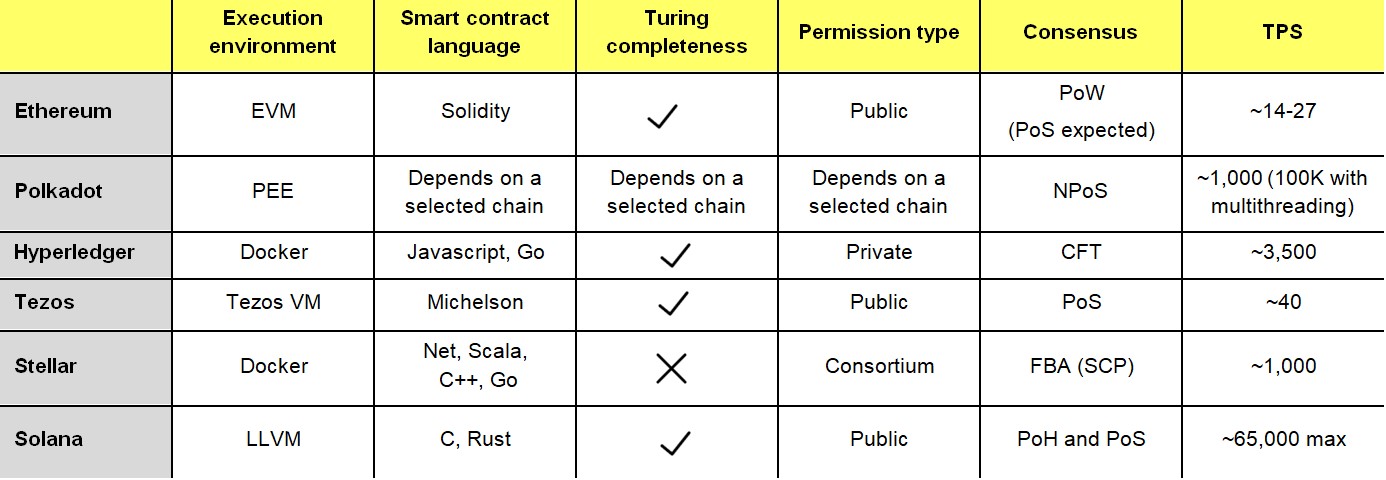
- Ethereum — the default choice for platforms requiring maximum smart contract flexibility, the largest developer ecosystem, and compatibility with the widest range of DeFi protocols and token standards (ERC-20, ERC-721, ERC-1400 for security tokens). Higher gas costs at peak load; mitigated by L2 deployment on Arbitrum or Optimism for transaction-heavy platforms.
- BNB Smart Chain — lower transaction fees than Ethereum mainnet, EVM-compatible (meaning Solidity smart contracts port directly), faster block times. Appropriate for platforms prioritizing cost efficiency over maximum decentralization.
- Polygon — EVM-compatible L2 solution with near-zero transaction costs and fast finality. Strong choice for platforms with high transaction volume (frequent micro-distributions, regular dividend payments) where Ethereum mainnet gas costs would erode investor returns.
- Hyperledger Fabric — permissioned blockchain appropriate for platforms that require privacy between participants and do not need a public ledger. Suitable for institutional-grade B2B platforms where transaction privacy is a feature, not a limitation.
For most US-based real estate crowdfunding platforms targeting retail investors under Reg CF, Ethereum (with L2 for cost management) or BNB Smart Chain is the appropriate starting point. The ERC-1400 security token standard is specifically designed for compliant fractional ownership — it supports transfer restrictions, forced transfers for regulatory compliance, and investor whitelisting natively at the contract level.
Yuri MusienkoBusiness developer, MereheadStep 4: Define the platform features
Feature scope is where most projects either over-engineer (building for a hypothetical future) or under-build (launching with functionality that fails under real usage). The principle we apply: every feature in the MVP must be justified by a user flow that real investors and issuers need to complete a transaction. Everything else is Phase 2.
Project Listing and Discovery. The core marketplace surface. Displays available investment opportunities with all SEC-required disclosure information: offering name, property description, fundraising target, current raise progress, offering deadline, expected returns, risk disclosures, and issuer information. Requires real-time status updates (raise progress, days remaining), filtering by property type and return profile, and a structured display of the Form C disclosure summary for Reg CF offerings.

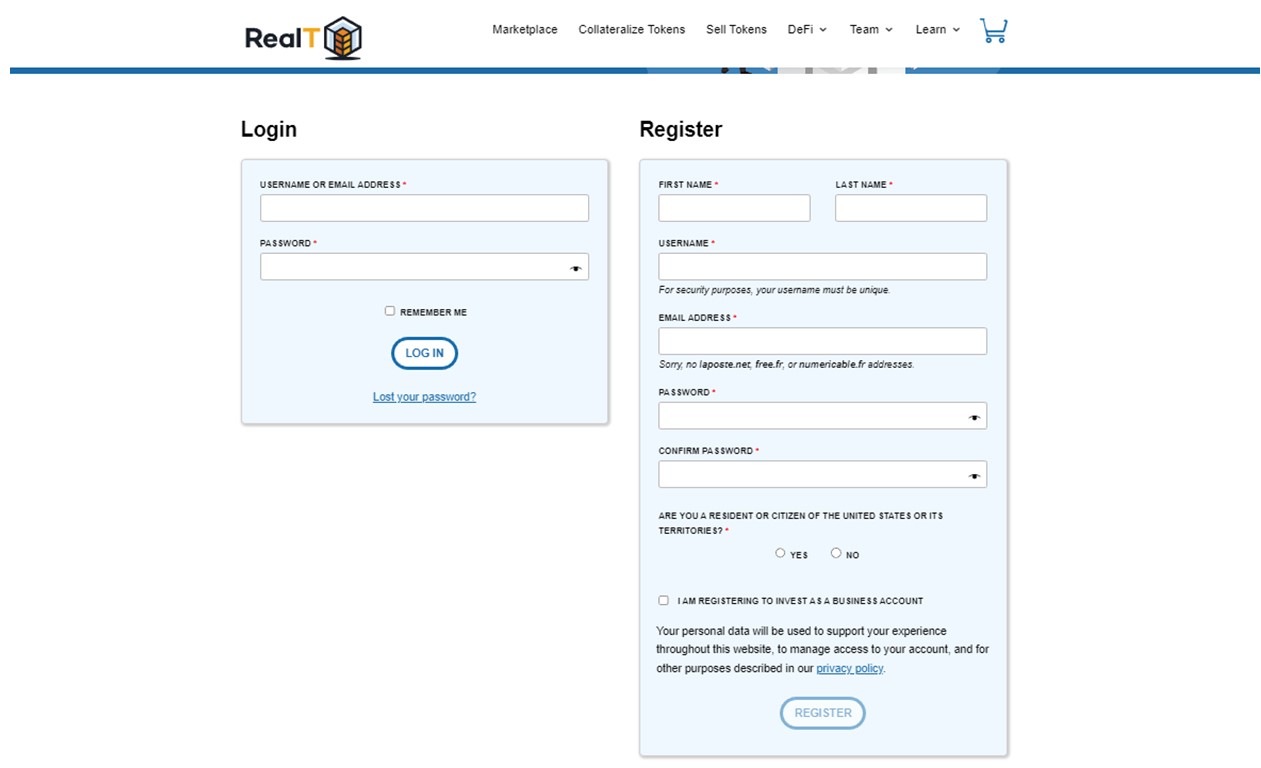
Registration and KYC Verification. Investor onboarding is a regulated process, not a signup form. At minimum, the registration flow must collect identity documents, verify the investor's identity against a third-party KYC provider, screen against AML watchlists, and — for Reg CF platforms — determine accreditation status where relevant. Two-factor authentication and optional OAuth login (Google, Apple) are standard UX expectations for US investors.
Investor Dashboard and Portfolio Management. Investors need a single interface to view active investments, pending deposits, historical returns, upcoming distributions, and tax documentation. The dashboard must display investment performance at the individual property level — not just aggregate portfolio value. Investors who cannot track their individual positions will not make repeat investments.

Payment Processing. Payment architecture on an investment platform is more complex than standard e-commerce. You are managing three simultaneous capital flows: investor capital in (to escrow), platform fee collection, and issuer distribution (post-close capital release). Each flow has different timing, different parties, and different regulatory handling.
Analytics and Reporting. Reporting has two distinct audiences with different requirements: investors (portfolio performance, return history, distribution records, annual tax statements) and the platform operator (total AUM, raise velocity by offering, investor acquisition metrics, compliance audit logs). These are different data models and should be designed as separate reporting surfaces.
Admin Panel and Compliance Operations. The admin panel is not a secondary feature — it is the operational backbone of the platform. Core admin capabilities required: investor KYC status management and manual review queue, offering lifecycle management (draft → active → closed → distributed), transaction approval and dispute resolution, AML review queue for flagged deposits, distribution scheduling and execution, and full audit trail of all administrative actions with timestamps and user attribution.
Customer Support Integration. For investment platforms, support is a regulated function: the platform has disclosure obligations, and support interactions may generate records that become relevant in compliance reviews. At minimum, a ticketing system with full conversation history tied to the investor's account record is required. Email-based ticketing with a messenger channel (typically Telegram for crypto-adjacent platforms, or Intercom for mainstream audiences) covers the majority of support volume at launch.
Security Infrastructure. Non-negotiable baseline: TLS everywhere, data encryption at rest, 2FA enforcement for investor accounts, 2FA plus IP allowlisting for admin accounts, rate limiting on all authentication endpoints, and automated monitoring for anomalous transaction patterns. For blockchain-integrated platforms: smart contract audit by a recognized third-party firm before mainnet deployment, and a documented incident response plan for smart contract vulnerabilities.
Notifications. Transactional notifications (deposit confirmed, investment executed, distribution sent, KYC status change) are a compliance and UX requirement, not a nice-to-have. Channels: email (required), SMS (strongly recommended for security events), push notifications for mobile, and in-app notification center. All notification templates must be reviewed for compliance with SEC disclosure standards before launch.
Step 5: KYC, AML and Compliance Integration
The compliance layer is the most consistently underestimated workstream in real estate crowdfunding platform projects. Most early-stage plans list "KYC integration" as a single line item. In production, it is an architectural decision that affects your investor onboarding funnel, your admin operations, your escrow release logic, and your exposure to regulatory action.
Dual-Path KYC Architecture
A platform targeting both US domestic investors and international accredited investors must support at minimum two distinct verification paths — and those paths generate different data structures, different webhook schemas, and different verification state sequences.
In our production investment platform deployments, we implemented a dual-path KYC architecture using a primary provider for both flows:
- Path A — domestic investors: government identity app with biometric liveness check linked to the national ID registry. Faster conversion, higher verification confidence, lower manual review rate.
- Path B — international investors: standard document upload (passport + proof of address) with automated document validation and a manual review fallback queue for edge cases.
KYT: Transaction-Level AML Screening
Know Your Transaction (KYT) screening is the compliance layer that most platforms defer until after launch. The result: a platform that verifies users at registration but trusts all subsequent transaction activity. Regulators, institutional investors, and banking partners do not accept this model.
In our production deployments, KYT is wired to every inbound capital event before the investor's balance is updated. Each deposit receives an AML risk score from the screening provider at the moment it is received. When the score exceeds the configured risk threshold, the system automatically:
- Freezes the deposit — the investor's available balance is not updated
- Creates a flagged transaction in the compliance review queue
- Sends an alert to the compliance officer via the configured channel
- Holds the investor account in a restricted state pending manual review
The investor sees a "deposit processing" status. The compliance hold is not disclosed to them until the review is complete. This architecture keeps the platform operational while preventing the processing of tainted funds — and creates a documented compliance action for every review event.
KYT on deposits is not the finish line — it is the minimum. The real compliance gap we see most often is platforms that screen deposits but do not screen withdrawal requests, which is where sophisticated bad actors exfiltrate clean funds after layering.
Yuri MusienkoBusiness developer, MereheadStep 6: Create the technical architecture
Technical architecture for a real estate crowdfunding platform is where scope is most frequently underestimated. The platform is not a website with a database — it is a financial system with compliance gating, multi-party transaction flows, blockchain integration, and real-time state synchronization across investor accounts, offering status, and escrow balances.

The architectural principle that matters most for investment platforms: separate concerns aggressively from the start. Services that share state across compliance, transaction processing, and user management create regulatory and technical debt that becomes expensive to unwind.
Step 7: Develop UX/UI design
Investment platform UX operates under a constraint that most consumer products do not: the interface must simultaneously build trust (investors are committing real capital), communicate risk (regulatory requirement), and reduce friction (a complicated flow directly reduces conversion). These goals are partially in tension, and resolving that tension is the core design challenge.
The UX decisions with the highest impact on investor conversion and retention:
- Progressive disclosure for KYC. Show investors the investment opportunity before asking for identity documents. Let them explore, run the numbers, and decide they want in — then initiate verification. Platforms that gate all content behind KYC see significantly lower top-of-funnel conversion.
- Transaction transparency at every step. Show investors exactly what they are committing: the investment amount, the platform fee, the net amount deployed, the expected return schedule. Every hidden fee or post-submission surprise increases support volume and reduces repeat investment rates.
- State-consistent button behavior. A deposit button that remains active when the investor has no verified payment method, or a subscription button that fires multiple times before the API responds, are not UX annoyances — they are transaction integrity problems. Button states must be synchronized with backend state, not managed independently in the frontend.
- Mobile-first offering detail pages. The majority of initial investment research happens on mobile. Offering detail pages optimized for desktop-only display lose a significant portion of the consideration-stage funnel.
Step 8: Choose the technology stack
The technology stack determines your platform's development velocity, the depth of available talent, long-term maintenance cost, and the range of third-party integrations you can support. There is no universally correct stack — the right choice is the one your team can build and operate reliably.
Backend stack for a production real estate crowdfunding platform:
- Programming languages: Solidity (smart contracts), TypeScript or Python (application logic), Go (high-throughput services)
- Blockchain networks: Ethereum mainnet + Arbitrum/Optimism L2, BNB Smart Chain, Polygon
- Smart contract frameworks: Hardhat, Foundry, OpenZeppelin (audited contract libraries)
- Databases: PostgreSQL (primary relational store), Redis (session/cache), MongoDB (document storage for KYC records)
- Message queue: Apache Kafka or Redpanda (event streaming between services)
- Infrastructure: AWS or GCP with Kubernetes orchestration, HashiCorp Vault for secrets management
- KYC/AML providers: SumSub, Jumio, or Shufti Pro; North Capital for US escrow
Frontend stack:
- Framework: React (TypeScript) — widest talent pool, best Web3 library support
- Web3 libraries: Ethers.js or Viem for blockchain interaction, WalletConnect for wallet integration
- UI component system: Tailwind CSS + custom component library, or Ant Design for admin interfaces
- State management: Redux Toolkit or Zustand
- Mobile: React Native for iOS/Android parity
Step 9: Build backend and frontend
Development execution on an investment platform requires stricter discipline than standard software projects. Three practices that directly affect production quality:
Backend-first development. All business logic — fee calculation, escrow release conditions, distribution waterfall, KYC status gating — must live in the backend and be enforced there. The frontend is a display and input layer. Any business rule enforced only in the frontend can be bypassed. For a financial platform, "can be bypassed" means "will be bypassed."
API contract testing as a quality gate. On platforms with continuous feature development, the API surface changes frequently. A CI/CD pipeline that automatically detects new or modified endpoints and flags them for test coverage prevents the accumulation of untested critical paths. We run full API test suites on every deployment, with scenario-based tests (registration → KYC → deposit → investment → distribution) running as a pre-deployment gate on production pushes.
Environment separation with production-identical staging. Testing on a staging environment that does not match production configuration produces test results that do not predict production behavior. Staging should use the same KYC provider (in sandbox mode), the same blockchain network (testnet with equivalent gas configuration), and the same payment processor (in test mode) as production.
Step 10: Test the platform
Testing for an investment platform is categorically different from testing a consumer application. Three testing requirements that are non-negotiable before any production launch:
Smart contract audit. Every smart contract that touches investor funds must be audited by a recognized third-party security firm (e.g., Trail of Bits, OpenZeppelin, Certora) before mainnet deployment. This is not optional for a regulated platform — it is a prerequisite for institutional investors and a defense against regulatory liability. Budget 4–8 weeks and $20,000–$80,000 depending on contract complexity.
Real transaction testing on mainnet. No platform is ready for production launch until the deposit and withdrawal flows have been tested with actual mainnet assets — real USDT, real ETH, real BTC — not testnet tokens. Testnet behavior differs from mainnet in ways that matter for real money: actual gas price mechanics, real mempool congestion behavior, minimum withdrawal amounts enforced by network economics. We fund test wallets with small amounts of real cryptocurrency and run complete deposit → investment → distribution → withdrawal cycles on every supported network before declaring a platform production-ready. This is non-negotiable.
Compliance flow testing with edge cases. Test the complete KYC rejection flow (not just approval), the AML hold and manual review process, the escrow return process when a minimum raise is not met, and the offering cancellation flow. These are the flows that expose your compliance architecture to regulatory scrutiny — and they are the flows most teams only test in production.
Real estate crowdfunding platform development cost
Development cost is determined by three variables: the features included in the initial build, the real estate tokenization development approach (custom vs. semi-custom vs. white-label), and the compliance infrastructure required. The range across real production deployments is significant:
| Platform Tier | Scope | Cost Range | Timeline |
| MVP / White-Label | Core marketplace, KYC/AML integration, escrow connection, investor dashboard, basic admin panel | $20,000–$40,000 | 4–8 weeks |
| Standard Platform | Full feature set + custom business logic, multi-chain support, advanced analytics, SEC disclosure tooling | $80,000–$180,000 | 4–8 months |
| Enterprise / Full Custom | Proprietary matching logic, tokenization engine, secondary market, mobile apps, institutional reporting, smart contract audit | $200,000–$600,000+ | 10–18 months |
Beyond development, the operating cost structure for a Reg CF platform includes: SEC-registered funding portal setup or broker-dealer partnership (legal fees: $15,000–$50,000), smart contract audit ($20,000–$80,000), KYC/AML provider subscription ($0.50–$3 per verification), escrow provider fees (typically 0.25–0.50% of funds held), and ongoing legal counsel for compliance monitoring.
The single most common cost overrun we see in this category: regulatory infrastructure is scoped as a development task rather than a separate legal and compliance workstream. The technology costs are the smaller half of the total investment for a US-compliant Reg CF platform. Budget accordingly from day one, or plan for a re-scope after your first legal review.
Yuri MusienkoBusiness developer, MereheadFAQ: Real estate crowdfunding platform development
If your platform facilitates the offer or sale of securities — which includes equity stakes, debt instruments, and tokenized real estate interests — then yes. Under Regulation Crowdfunding, all transactions must occur through an SEC-registered funding portal or FINRA-registered broker-dealer. Operating without this registration is not a compliance gap; it is an unregistered securities offering with significant legal exposure.
Reg CF allows raises up to $5M per year from both accredited and non-accredited investors, with mandatory SEC registration and Form C disclosure. Reg A+ (Tier 2) allows up to $75M with SEC qualification and audited financials. Reg D removes the raise cap but generally limits participation to accredited investors. Your choice determines your investor pool, your disclosure burden, and your ongoing reporting obligations.
Timeline ranges from 4–8 weeks for a white-label deployment with standard features to 12–18 months for a fully custom platform with proprietary logic and institutional-grade infrastructure. The regulatory setup (SEC registration, legal documentation, KYC provider contracting, escrow arrangement) runs in parallel with development and typically takes 2–4 months regardless of your build approach.
SumSub, Jumio, and Shufti Pro are the most widely deployed options in production investment platforms. The choice depends on your geographic coverage requirements, your accreditation verification needs, and your integration budget. For US-focused platforms, ensure your chosen provider supports OFAC screening and SAR filing support alongside standard identity verification.
No — blockchain is required only if your platform issues tokenized securities or uses smart contracts for automated distribution. A Reg CF platform can operate entirely on traditional fintech infrastructure (PostgreSQL, ACH/card payments, standard escrow). Blockchain adds value for fractional ownership use cases, automated dividend distribution, and secondary market transferability — but it also adds smart contract audit requirements, gas cost management, and wallet UX complexity.
Reg CF requires that investor funds be held by a third-party escrow agent (a bank or registered broker-dealer) until the minimum raise target is met. In the US, North Capital is the most commonly used escrow provider for Reg CF platforms. Integration requires connecting your platform's investor verification status, investment subscription records, and offering status to the escrow provider's API — funds cannot be released until both the minimum is met and the escrow provider has confirmed investor eligibility.
Equity models give investors ownership stakes in a property or development project. Returns come from rental income distributions and property appreciation at exit, typically over 3–7 year holding periods. Debt models give investors loan positions with fixed interest payments over shorter terms (6–36 months). The two models require fundamentally different transaction logic, accounting models, and smart contract structures — they cannot share the same backend architecture without significant abstraction work.
Total first-year investment for a US-compliant Reg CF platform ranges from $80,000–$250,000+ depending on build approach. This includes: platform development ($20,000–$150,000), legal and SEC registration ($15,000–$50,000), smart contract audit if applicable ($20,000–$80,000), KYC/AML provider setup, and escrow arrangement. The technology development cost is typically the minority of total investment for a properly structured compliant launch.