

The cost to develop a crypto payment gateway in 2026 ranges from $40,000 for a focused single-chain MVP to $250,000+ for an enterprise-grade multi-chain platform with full U.S. compliance. That's the short answer. The long answer — the one that actually helps you budget a real project — depends on five variables: which blockchains you support, how much compliance infrastructure your jurisdiction requires, whether you build custom or start from a white-label base, the seniority of the development team, and how much you invest in security audit before launch.
This guide breaks down the crypto payment gateway development cost by each of those variables, with real numbers from Merehead's project history. By the end, you'll know exactly what drives cost up, where founders consistently underestimate, and what a realistic budget looks like for your specific model.
If you’ve been thinking about launching your own crypto payment gateway, you’re in the right place.
This guide breaks everything down in a clear, practical way—no fluff, no filler.
Specifically, you'll understand what the cost to develop a crypto payment gateway actually includes — beyond the headline number most guides give you.
Crypto payment gateways have already moved way past the “emerging trend” stage. Today, they’re becoming a core part of modern online payments. In this article, you’ll learn how they work, which features actually matter, and what it really costs to build one in 2026.
Stick around—this could be exactly the upgrade your business has been looking for.
Introduction to Crypto Payment Gateway Development
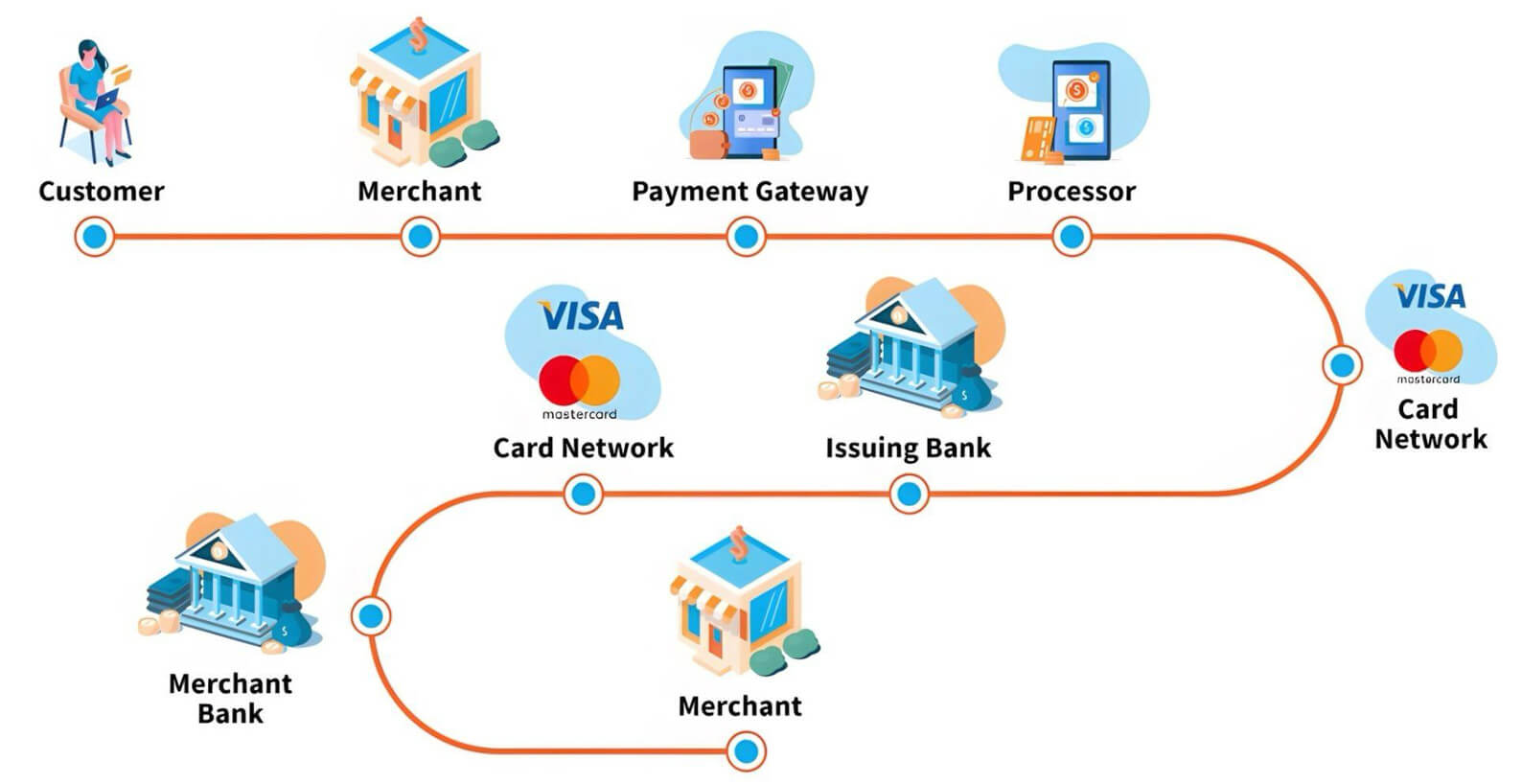
If you're stepping into crypto payments, understanding the basics of crypto payment gateway development is the best place to start. A crypto payment gateway is a secure digital platform that allows businesses to accept cryptocurrency payments seamlessly. Think of it as a bridge between your customer’s crypto wallet and your business—responsible for processing transactions, verifying payments, and keeping everything secure.
Here’s the simple version: when a customer pays with crypto, the gateway receives the transaction details, interacts with the blockchain to validate the payment, and once everything is confirmed, it notifies the merchant. Unlike traditional gateways such as Stripe or PayPal that depend on banks and card networks, crypto gateways remove the middleman entirely—resulting in faster, cheaper, and more global-friendly payments.
So why is adoption exploding in the U.S.?
Because more consumers and businesses want payment methods that are fast, transparent, and cost-efficient. As blockchain technology matures, crypto payment gateways offer a modern alternative with lower fees, strong security, and a growing user base interested in paying with digital assets.
At Merehead, we’ve built complex blockchain financial platforms—multi-chain exchanges, tokenized asset systems, real-time trading platforms—and we’ve seen firsthand how crucial security, stability, and well-planned architecture are when you handle real money.
Crypto payment gateways simplify how businesses accept cryptocurrency by creating a secure bridge between the user’s wallet and the merchant. They eliminate traditional intermediaries like banks, reducing fees and speeding up settlements. For U.S. companies, gateways offer global reach, lower operating costs, and a modern payment experience customers increasingly expect.
Market Overview: Why Crypto Payment Gateways Are Growing Fast
For merchants, crypto payment gateways simplify blockchain transactions while reducing fraud risk and eliminating chargebacks. Adding a gateway gives businesses access to new customers—locally and globally—who prefer using cryptocurrency for everyday transactions.
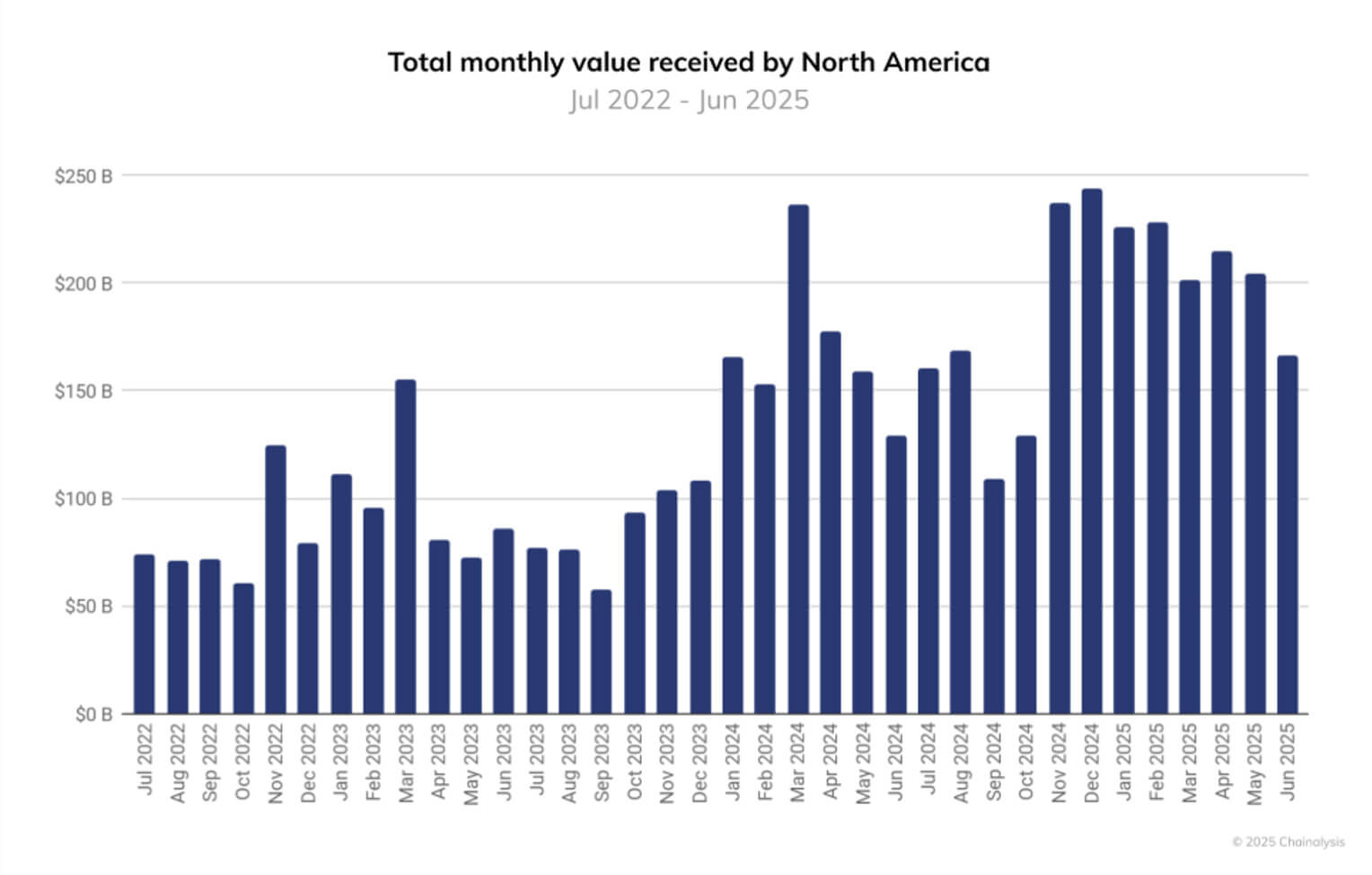
Today, Europe and North America lead the world in crypto transaction volume, according to Chainalysis. Between July 2024 and June 2026, roughly $2.3 trillion in crypto flowed into North America, highlighting the region’s strong institutional demand and retail adoption.
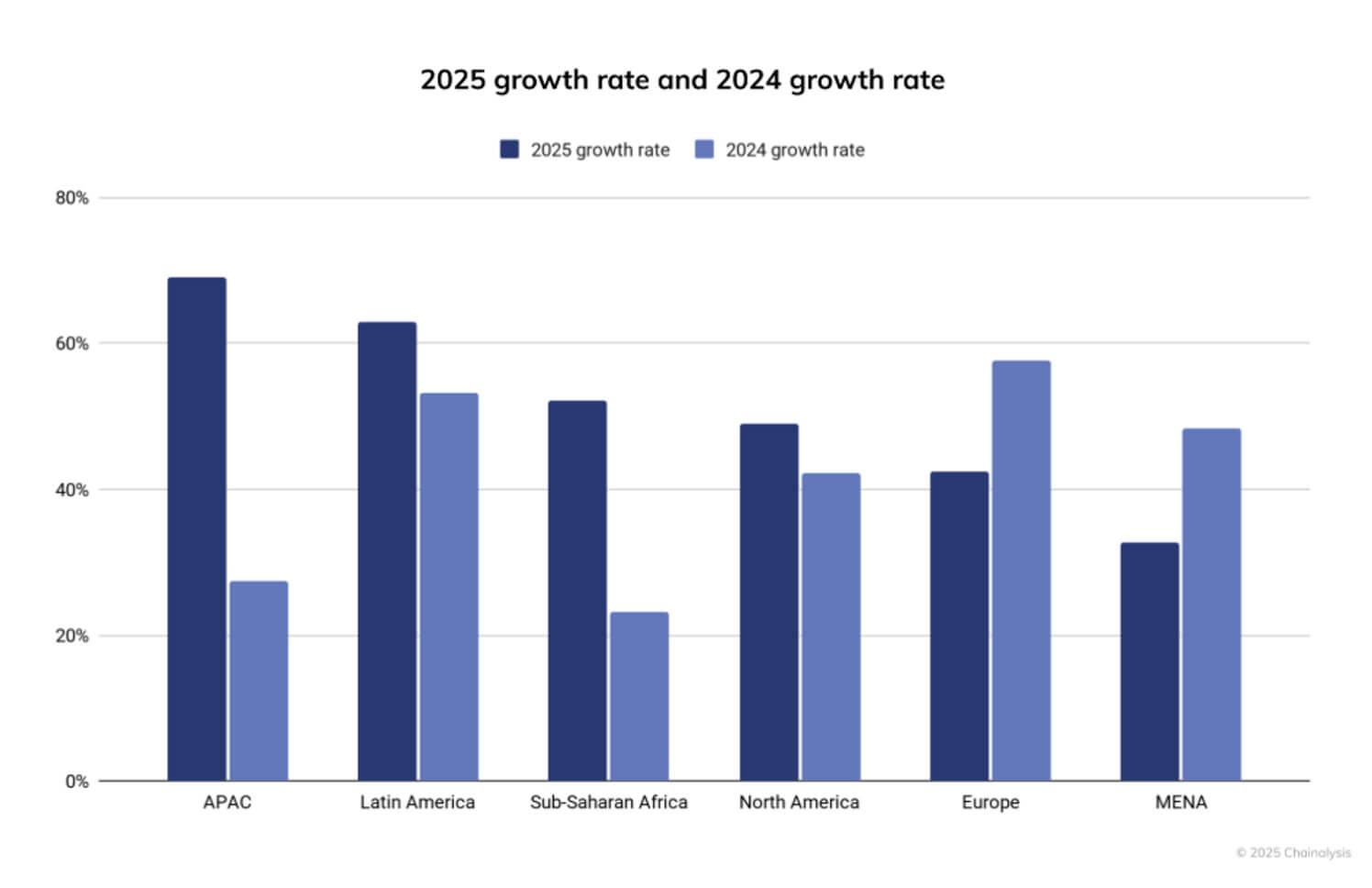
Europe saw even stronger growth, reaching $2.6 trillion, a 42% year-over-year increase. Other regions are catching up too—Latin America grew 63%, while MENA expanded by about 33%.
Research from DemandsAge shows that around 10% of the global population now owns and actively uses cryptocurrency. That’s a massive consumer base ready for crypto payments right now.
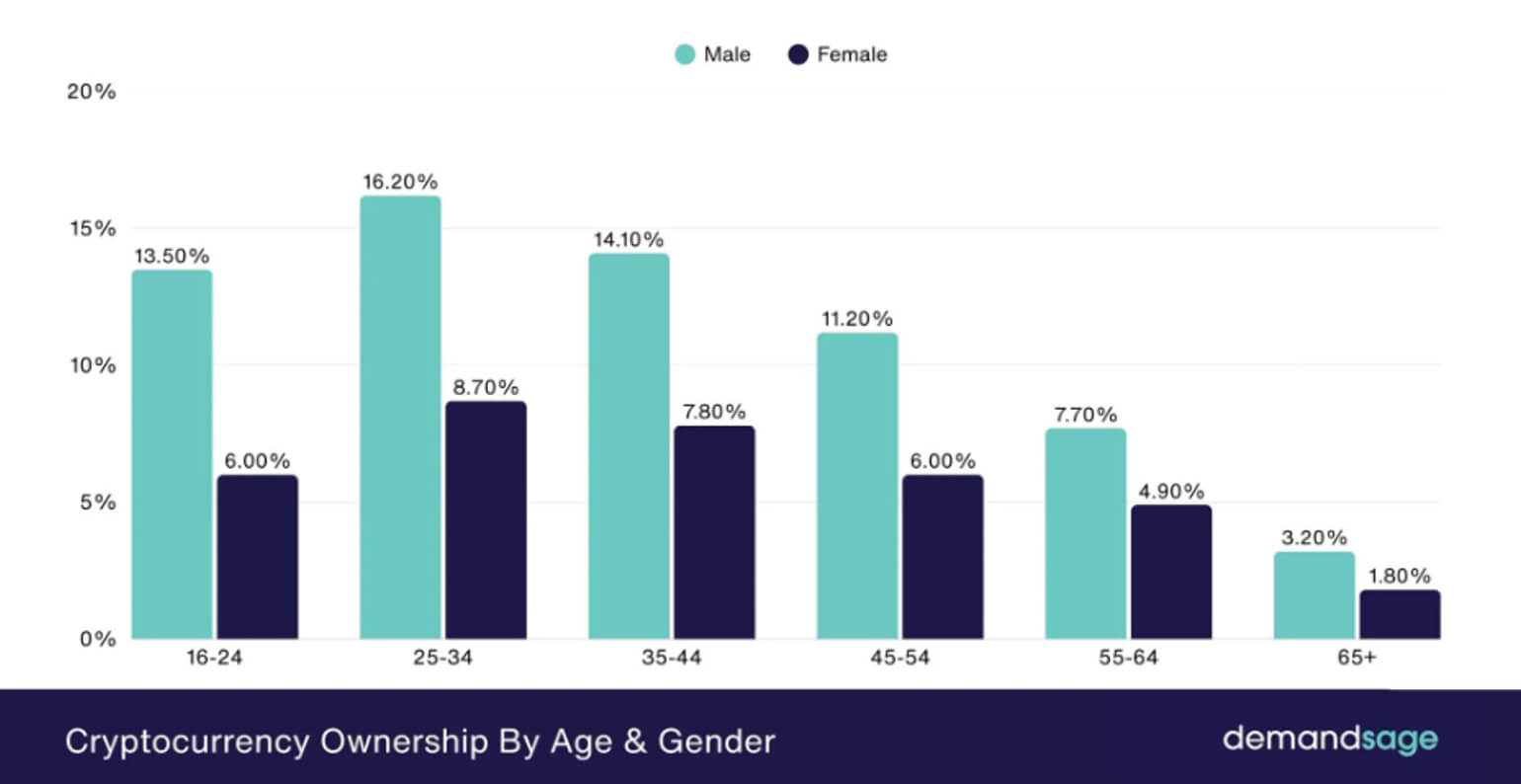
More merchants than ever are accepting digital currency, major payment providers are launching crypto-to-fiat conversion tools, and crypto payment apps continue to gain users every month.
Crypto payments continue expanding across the U.S. and Europe, driven by institutional activity, stablecoin adoption, and consumer demand for faster, cheaper transactions. With over 10% of the world’s population using crypto, merchants gain access to a rapidly growing customer base. This market momentum makes gateway adoption a strategic advantage for online businesses.
Types of Crypto Payment Gateways
Crypto payment gateways differ in how they store funds, process payments, and handle infrastructure. Here’s the breakdown:
Custodial vs. Non-Custodial
- Custodial: The gateway manages users’ private keys. Easier for customers, but requires strong security.
- Non-custodial: Users control their own keys. More secure and private, but slightly more technical.
Self-Hosted vs. Cloud-Hosted
- Self-hosted: Full control, fully customizable—but requires in-house expertise and maintenance.
- Cloud-hosted: Managed by a provider, easy to scale, includes built-in security.
On-Chain vs. Off-Chain Processing
- On-chain: Payments processed directly on the blockchain. Transparent but slower and sometimes more expensive.
- Off-chain: Faster and cheaper, ideal for high-volume transactions, but requires a trusted system.
Centralized vs. Decentralized Models
- Centralized: A single authority manages compliance, processing, and settlements.
- Decentralized: Uses smart contracts for peer-to-peer payments with no intermediaries.
| Parameter | Centralized Model | Decentralized Model |
|---|---|---|
| Control | Single provider manages operations | Smart contracts manage logic |
| Transaction speed | High | Network-dependent |
| Regulatory compliance | Easy to implement KYC/AML | More complex, especially in the U.S. |
| Operational control | Full control over flows | Minimal control |
| Risks | Single point of failure | Smart contract vulnerabilities |
| Best for | Traditional businesses, fintech, banks | Web3 apps, DApps, P2P systems |
In previous Merehead projects, such as a centralized crypto exchange with its own governance token (BNIX), we built both custodial and non-custodial wallet systems—giving clients flexibility depending on their business model. The same architectural logic applies to payment gateways.
Different gateway models—custodial, non-custodial, self-hosted, cloud-hosted, on-chain, off-chain, centralized, or decentralized—serve different business needs. The right choice depends on your infrastructure, compliance requirements, and customer preferences. A well-chosen model helps balance security, scalability, and ease of integration.
Core Features of a High-Quality Crypto Payment Gateway
A modern crypto payment gateway does a lot more than simply “accept crypto.” It offers a full financial workflow designed for reliability, security, and scalability.
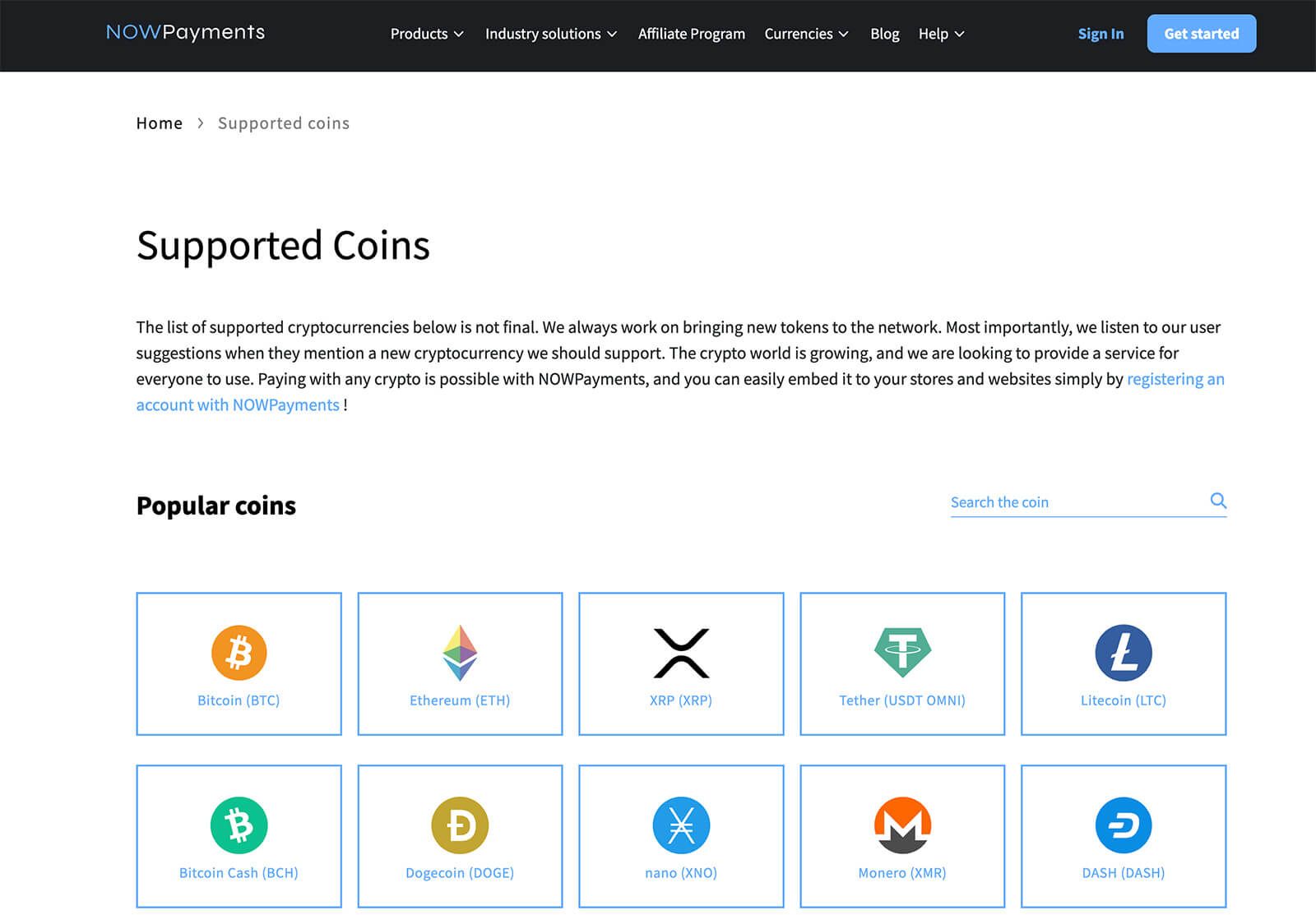
Supported Cryptocurrencies
Most gateways support major assets like BTC and ETH, plus stablecoins such as USDT and USDC. U.S. companies often prefer stablecoins because they simplify accounting and avoid price swings.
Payment Processing Flow
- Wallet Address Generation
Unique addresses for each payment improve privacy and traceability. - Invoice Creation
The gateway calculates the crypto equivalent of the fiat price and sets expiration and confirmation rules. - Transaction Monitoring
The system tracks the payment on the blockchain in real time. - Confirmations & Settlement
Once confirmed, funds are settled according to merchant preferences.
Security Features
Based on our experience building financial platforms, the most important security components are:
- Multi-signature wallets
- Cold/hot wallet separation
- AES-256 encryption
- 2FA and IP whitelisting
- Real-time fraud detection
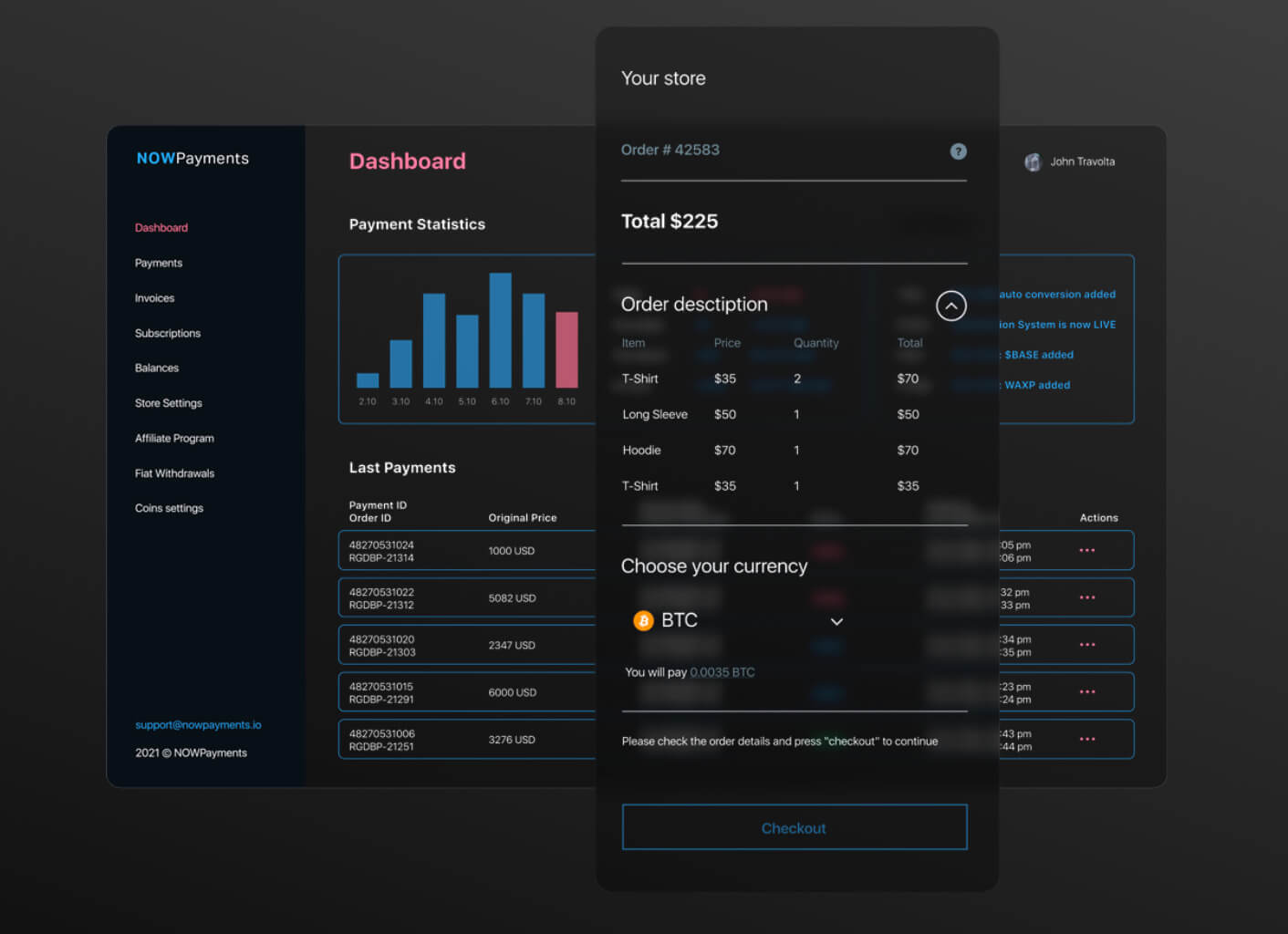
Merchant Dashboard
A professional dashboard includes:
- Real-time analytics
- Full transaction history
- Refund tools
- Settlement configuration
- Exportable reports
API & SDK Integration
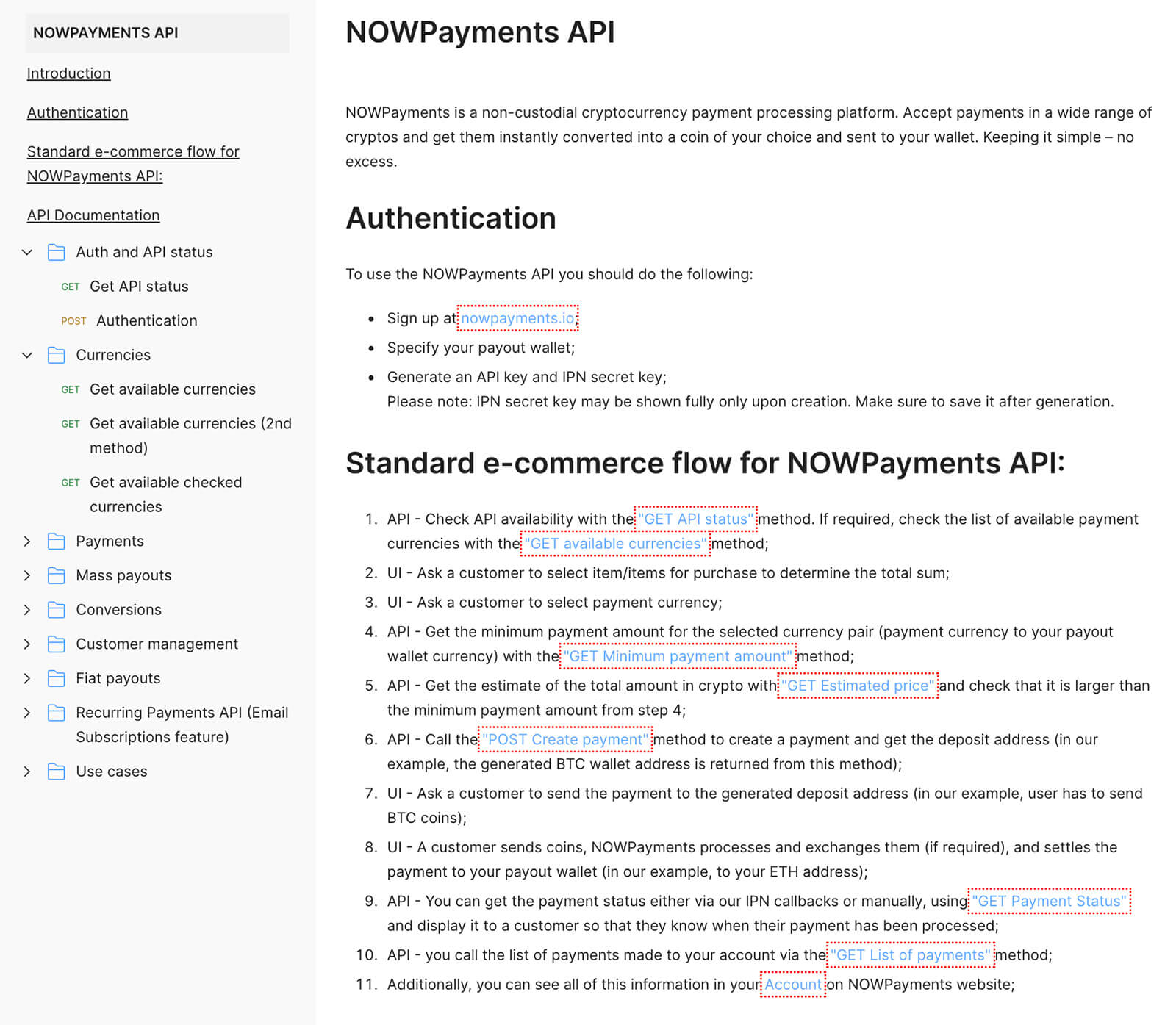
A gateway should provide:
- REST APIs
- Webhooks
- Plugins for Shopify, WooCommerce, Magento
Fiat Conversion
Many U.S.-based merchants want instant conversion to USD, EUR, or stablecoins. In one of our exchange projects, we integrated automated liquidity flows—exactly the functionality merchants expect for minimizing volatility.
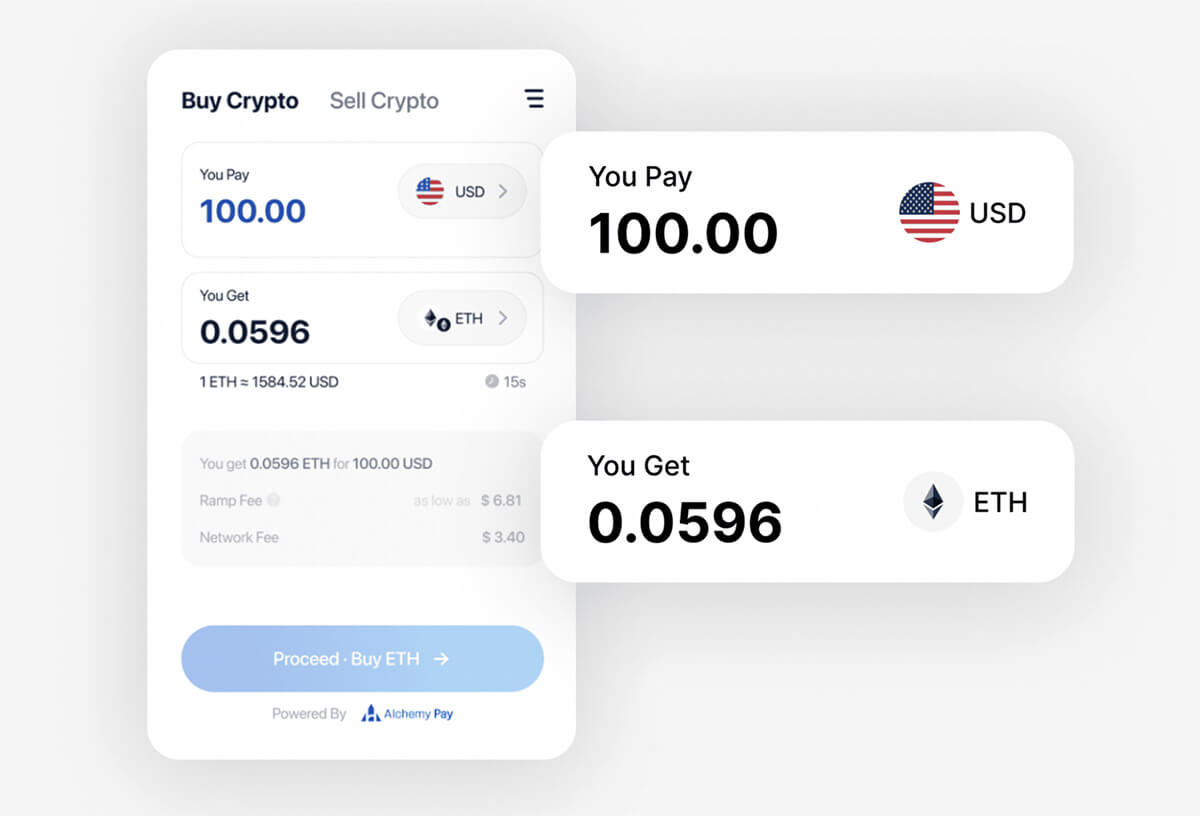
Modern gateways go beyond accepting payments—they offer monitoring tools, APIs, dashboards, security modules, and multi-currency support. These features create a complete financial workflow that improves reliability and transparency. For U.S. merchants, stablecoin support and instant conversion options are especially valuable for reducing volatility.
How a Crypto Payment Gateway Works (Step-by-Step)
- Order Initiation
The buyer selects crypto as the payment method and receives a wallet address or QR code. - Invoice Generation
The gateway generates an on-chain address and calculates the crypto amount.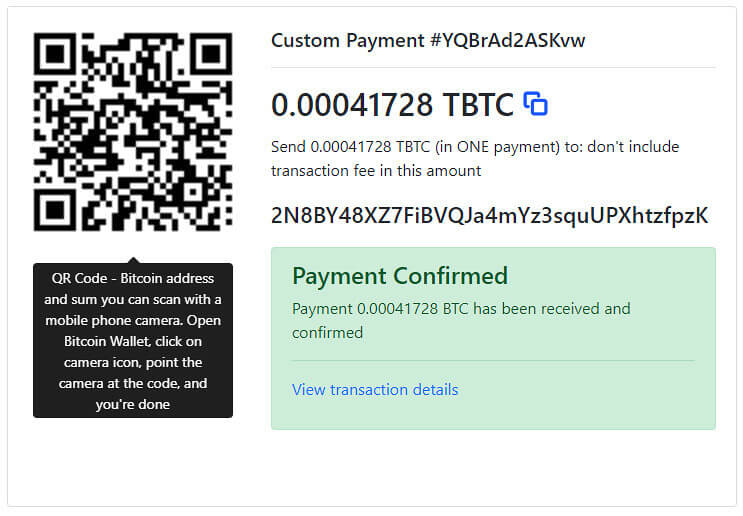
- Customer Authorization
The buyer confirms the transaction through their wallet; the payment is broadcast to the blockchain. - Gateway Verification
The system monitors the mempool and confirms the transaction after reaching the required number of block confirmations. - Settlement & Conversion
Merchants can store crypto, convert it instantly, or settle at the end of the day. - Reporting & Reconciliation
The dashboard provides downloadable receipts and full transaction records. - Dispute Handling
While blockchain transfers are irreversible, gateways still offer refund workflows using custodial reserves or fiat credits.
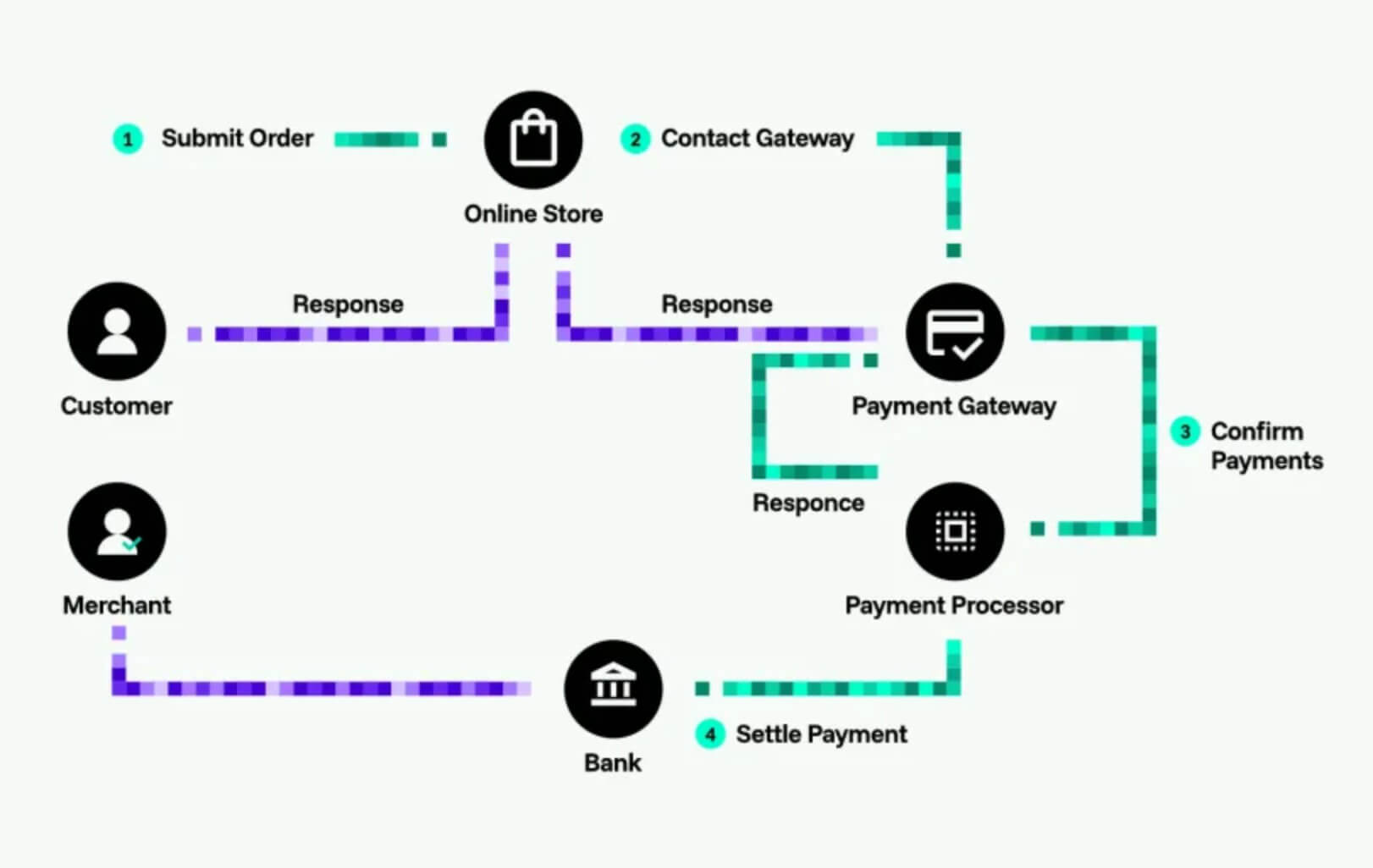
A payment gateway processes the transaction from invoice creation to blockchain confirmation and merchant settlement. It automates verification, monitors the blockchain in real time, and provides reconciliation tools for reporting. This workflow ensures fast, secure, and reliable crypto payments for both customers and businesses.
Architecture of a Crypto Payment Gateway
The architecture you choose when you develop a crypto payment gateway determines cost more than any single feature. A monolithic architecture is cheaper to build initially but expensive to scale — adding a new blockchain requires touching core code. A microservices architecture costs more upfront but means each component scales independently, which matters when payment volume spikes unpredictably.
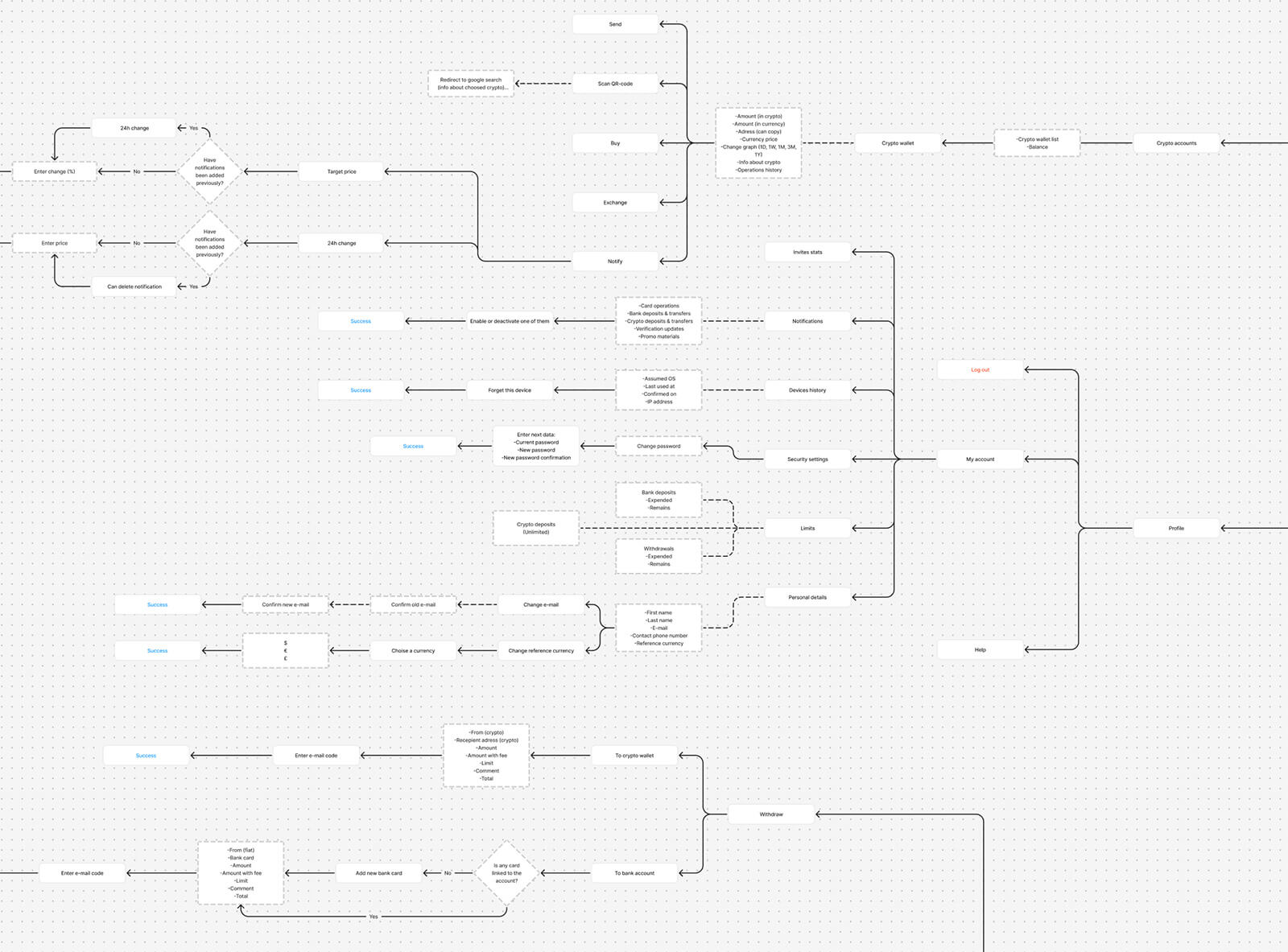
Frontend — Checkout Widget & Merchant Dashboard
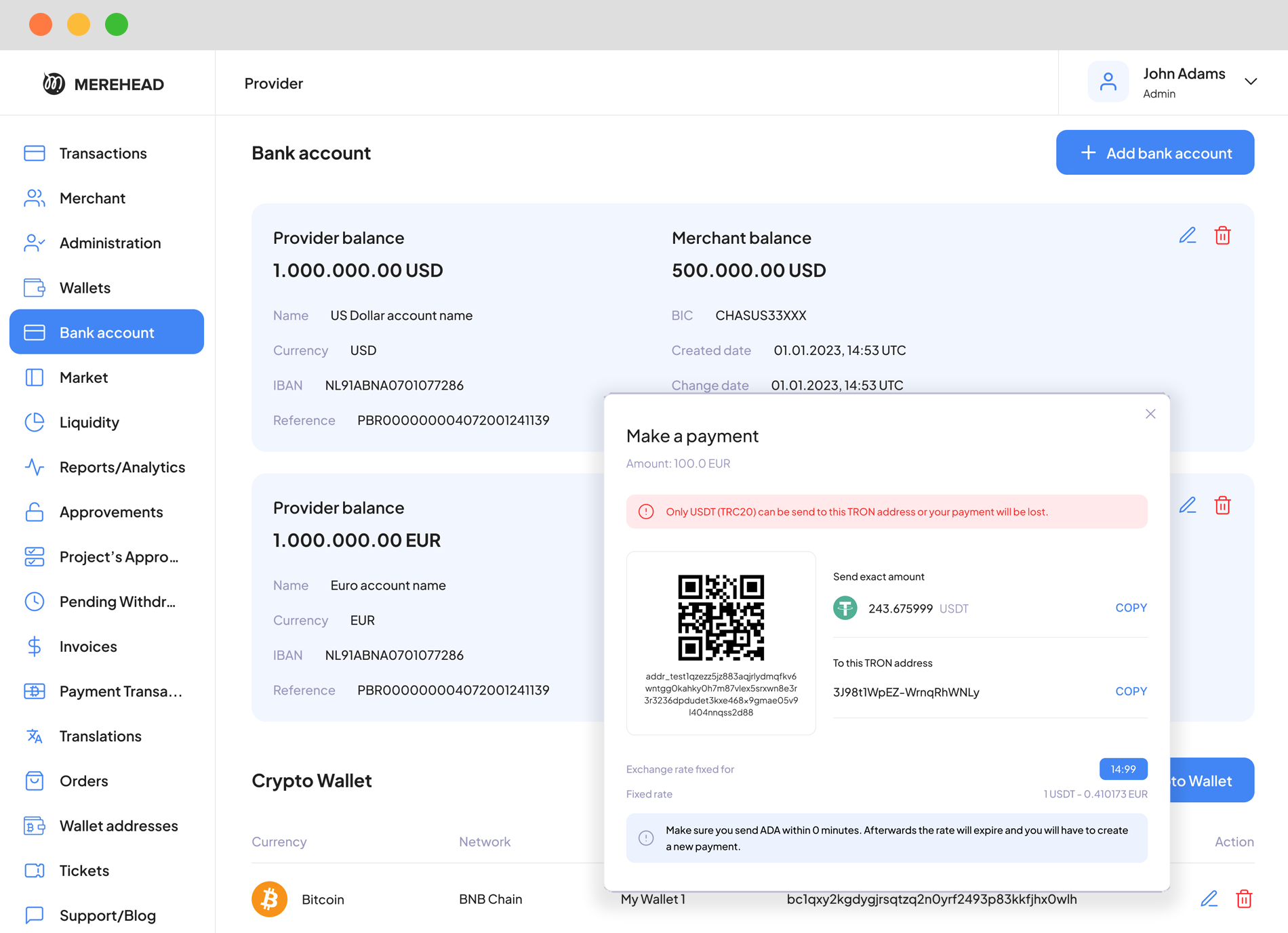
The customer-facing checkout interface generates payment addresses, displays QR codes, shows confirmation timers, and handles edge cases — underpayments, expired sessions, network delays. The merchant dashboard shows real-time transaction status, settlement history, and reporting. Built in React or Vue, optimized for sub-2-second load times.
Typical cost: $8,000–$25,000 depending on design complexity and number of supported checkout flows.
Backend — Payment Processing Core
The backend handles invoice generation, blockchain monitoring, confirmation logic, settlement routing, and webhook delivery. This is the most complex component — it must handle concurrent transactions across multiple blockchains, manage address generation at scale, and process edge cases reliably. Node.js or Go are the standard choices; Go is preferred for high-throughput gateways.
Typical cost: $15,000–$50,000 for core backend logic; increases with number of supported chains and settlement options.
Blockchain Node Integrations — Own Nodes vs. RPC Providers
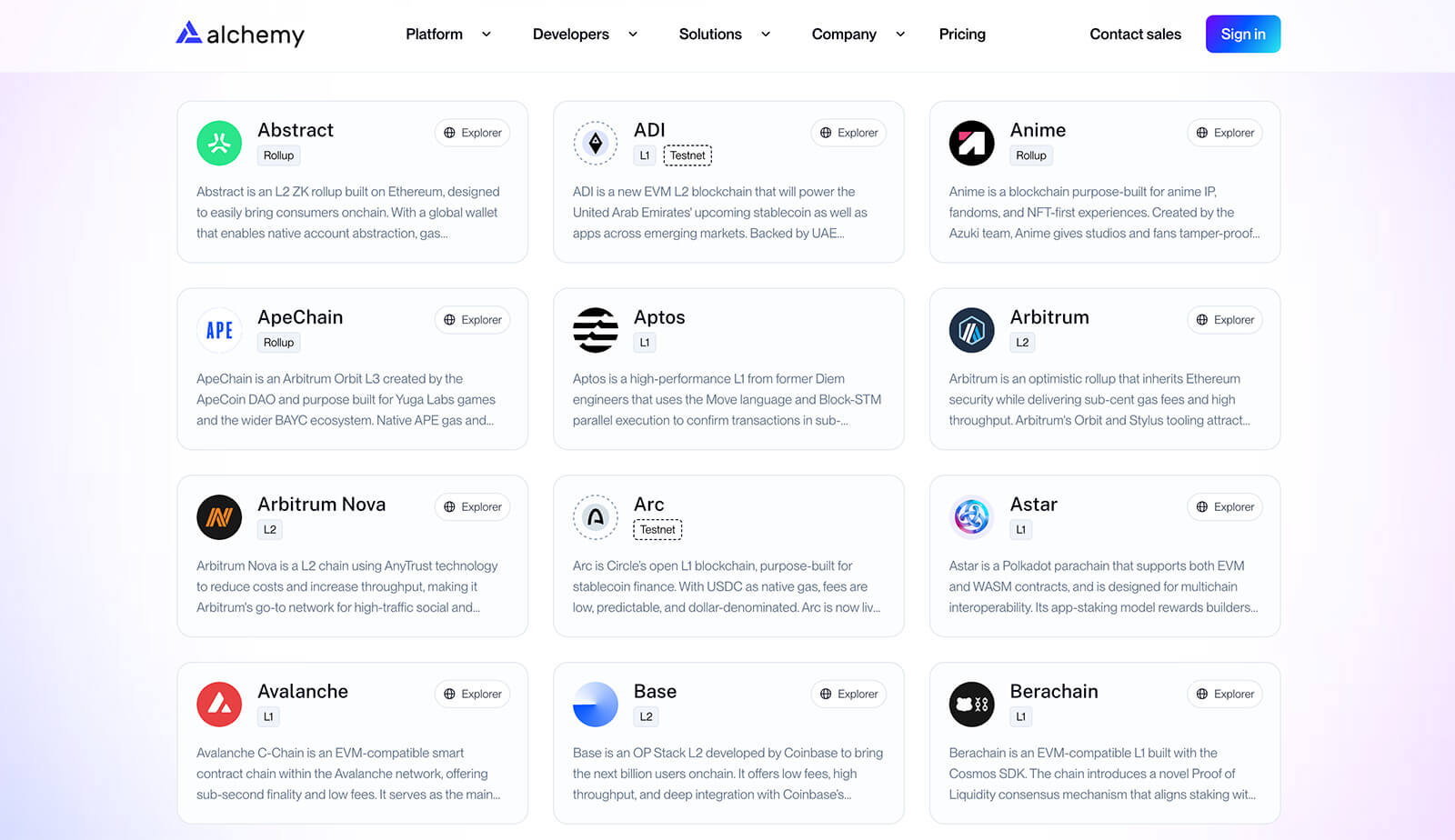
Every blockchain you support requires either your own full node or integration with an RPC provider (Alchemy, Infura, QuickNode). RPC providers are cheaper to start ($200–$2,000/month per chain) but become expensive and unreliable at volume. Running your own nodes adds $5,000–$20,000 in setup cost but eliminates per-request fees and dependency risk. For the crypto payment gateway development cost calculation, plan for own nodes on your primary chains from the start if you expect $50,000+/month in transaction volume.
Database Layer — Ledger Integrity
PostgreSQL with TimescaleDB extension is the standard for payment gateway databases — it handles time-series transaction data, provides ACID compliance for balance integrity, and scales to millions of transactions without performance degradation. The internal ledger must match blockchain state down to the smallest unit; any discrepancy becomes a support escalation or a financial loss.
Typical cost: $3,000–$8,000 for database architecture and implementation.
Security Modules — Multi-Layer Protection
Security is not a module you add at the end — it's architecture decisions made at the start. MPC (Multi-Party Computation) for key management, AES-256 encryption for data at rest, TLS 1.3 for data in transit, IP whitelisting for admin access, and real-time fraud detection rules. The external security audit (required before handling real funds) adds $10,000–$40,000 and 4–6 weeks to the timeline.
Typical cost: $10,000–$30,000 for security architecture; audit is additional.
Merchant & Admin Panel — Operations Layer
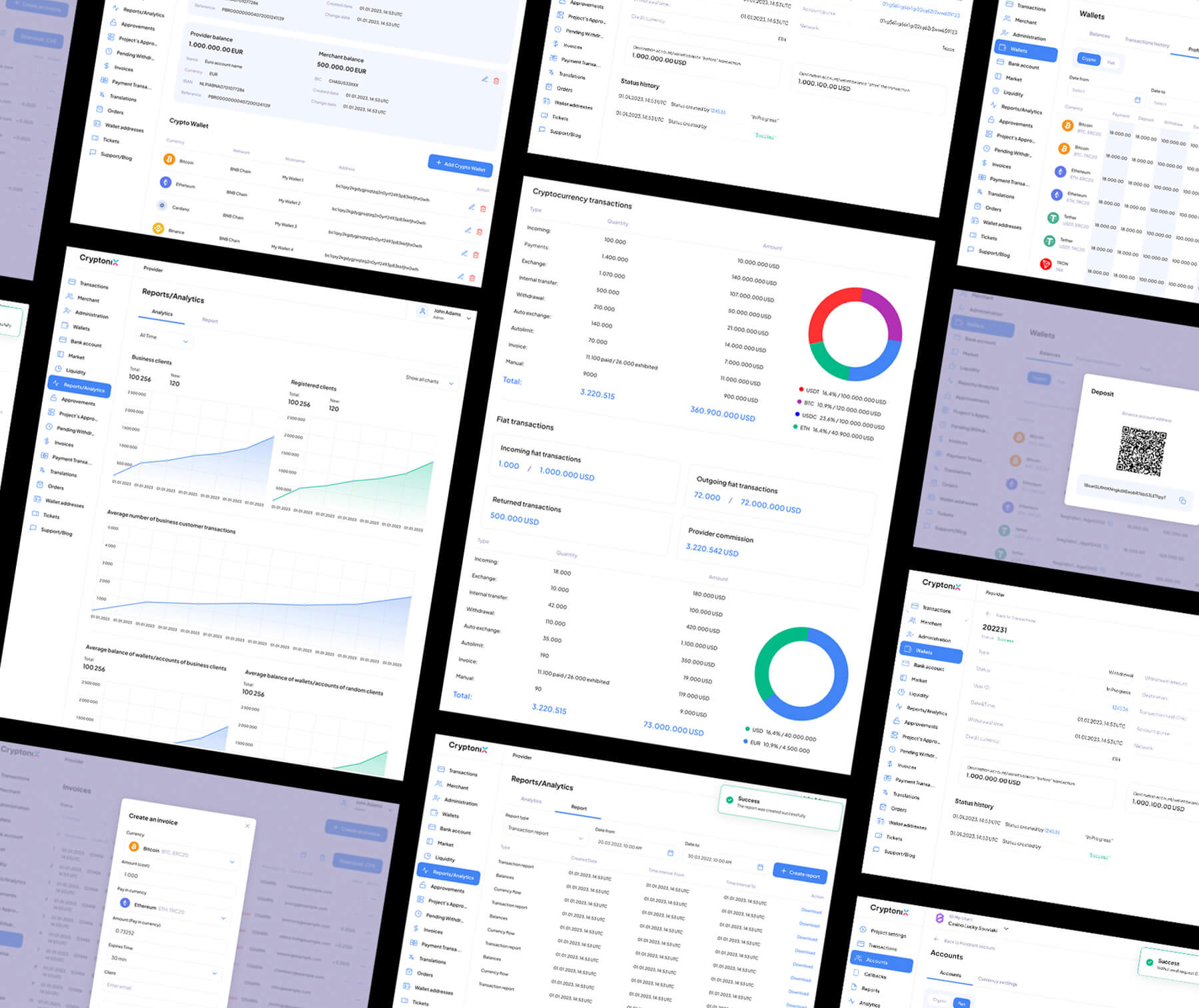
The admin panel is where compliance monitoring happens: transaction reviews, KYC status management, sanctions screening results, AML alerts, and settlement configuration. For multi-merchant gateways, it also handles merchant onboarding, API key management, and fee configuration per merchant. A poorly designed admin panel creates operational bottlenecks at scale.
Typical cost: $5,000–$20,000 depending on compliance complexity and number of merchants.
Step-by-Step Development Process for a Crypto Payment Gateway
Understanding each development phase helps you estimate the cost of developing a crypto payment gateway accurately — because cost overruns almost always trace back to a phase that was rushed or skipped.
Step 1 — Discovery & Requirements (2–3 weeks)
Define the exact scope: which blockchains, what settlement model, which jurisdictions and their compliance requirements, single vs. multi-merchant architecture. Every undefined requirement at this stage creates a change request during development — change requests during development cost 3–5x what the same decision would have cost here. Output: technical specification, compliance requirements map, architecture diagram.
Step 2 — Architecture Design (1–2 weeks)
Choose between monolithic and microservices. Select tech stack. Design the wallet hierarchy — hot wallets, intermediate compliance wallets, gas wallets, cold storage — and the confirmation logic for each supported blockchain. Document the API contract between frontend, backend, and blockchain integrations before any code is written.
Step 3 — UI/UX Design (2–3 weeks)
Design checkout flow, merchant dashboard, and admin panel. The checkout widget must handle all edge cases visually: underpayment warning, session expiry countdown, confirmation progress, and network selection. Merchants judge a gateway on its dashboard UX — if they can't understand their own settlement data, they'll switch providers.
Step 4 — Backend Development (6–10 weeks)
The core of the development budget. Build payment invoice generation, blockchain monitoring (mempool watching + confirmation tracking), address generation at scale, webhook delivery with retry logic, and the internal ledger. This phase is where the cost to develop a crypto payment gateway diverges most — adding one additional blockchain typically adds 2–4 weeks of backend work.
Step 5 — Smart Contracts (2–4 weeks, if applicable)
Required for DEX-style gateways, escrow-based payments, or automated settlement via DeFi protocols. Smart contracts must be audited separately from the broader security audit — budget $5,000–$20,000 for smart contract audit alone. Custodial CEX-style gateways may not require smart contracts, which reduces both development time and audit cost.
Step 6 — Security Implementation (2–3 weeks)
Integrate MPC key management, configure cold/hot wallet separation, implement IP whitelisting and RBAC for admin access, set up real-time fraud detection rules, and configure AML transaction monitoring. This phase is non-compressible — cutting it creates exploitable vulnerabilities that appear within months of launch.
Step 7 — Merchant Integrations (2–3 weeks)
Build REST API endpoints with full documentation, webhook system with retry and failure logging, plugins for Shopify and WooCommerce if required, and the merchant onboarding flow. API quality at this stage determines how quickly merchants can integrate — poor documentation creates support burden that persists for years.
Step 8 — QA & Load Testing (2–4 weeks)
Functional testing of all payment flows including edge cases (underpayments, double sends, network timeouts). Load testing against peak transaction scenarios. External security audit — required before live funds. Budget 4–6 weeks for the audit firm's availability and the remediation cycle after their report. No reputable team ships a gateway to production without external audit.
Cost of Crypto Payment Gateway Development in 2026
The cost to develop a crypto payment gateway breaks down across six cost categories. Understanding each one prevents the most common budgeting mistake: treating the headline development number as the total project cost, then discovering that security audit, compliance, and infrastructure add 40–60% on top.
Infrastructure
Infrastructure costs for a crypto payment gateway include: blockchain node hosting (own nodes or RPC provider fees), cloud hosting for backend services and databases, CDN and DDoS protection, and monitoring and alerting systems.
| Infrastructure Item | Cost (Setup) | Ongoing Cost |
| RPC provider (3 chains — Alchemy/Infura) | $0 setup | $500–$3,000/month |
| Own full nodes (BTC, ETH, TRON) | $5,000–$15,000 setup | $200–$800/month ops |
| Cloud hosting (AWS/GCP — production) | $2,000–$5,000 setup | $800–$3,000/month |
| DDoS protection + WAF (Cloudflare Enterprise) | $500–$2,000 setup | $200–$500/month |
| Monitoring & alerting (Datadog/Grafana) | $500–$1,500 setup | $200–$600/month |
Design
UI/UX design cost for a gateway covers checkout widget, merchant dashboard, and admin panel. A focused design with 2–3 checkout variants and a clean merchant dashboard runs $8,000–$20,000. Adding a full mobile-responsive UI and multiple theme options extends this to $25,000–$40,000.
Development — The Primary Cost Driver
Core development cost covers backend logic, blockchain integrations, wallet systems, API layer, and merchant integrations. This is where the cost to develop a crypto payment gateway varies most based on scope:
| Development Component | Basic Gateway | Enterprise Gateway |
| Payment processing backend | $15,000–$25,000 | $40,000–$80,000 |
| Wallet system (hot/cold/gas) | $8,000–$15,000 | $20,000–$40,000 |
| Blockchain integrations (per chain) | $3,000–$8,000 each | $8,000–$20,000 each |
| API + webhook system | $5,000–$10,000 | $15,000–$30,000 |
| Merchant dashboard + admin panel | $8,000–$20,000 | $20,000–$50,000 |
| Smart contracts (if applicable) | $5,000–$15,000 | $20,000–$60,000 |
| Total development | $25,000–$90,000+ | $100,000–$280,000+ |
Security Audits — Non-Negotiable
Every crypto payment gateway development project requires at minimum one external security audit before handling real funds. Budget separately from development:
- Smart contract audit: $5,000–$20,000 (Trail of Bits, OpenZeppelin, Certik)
- Infrastructure security review: $8,000–$25,000
- Penetration testing: $5,000–$15,000
- Total audit budget: $15,000–$50,000, add 4–6 weeks to timeline
Compliance & Licensing (U.S. Focus)
U.S. compliance costs are among the most underestimated line items. MSB registration with FinCEN is free but triggers state-level Money Transmitter License (MTL) requirements — each state license costs $1,000–$5,000 in fees plus legal work. Full U.S. national coverage requires 40–50 state licenses.
| Compliance Item | Cost Range | Notes |
| FinCEN MSB registration | $0 | Federal requirement, no fee |
| State MTL licenses (per state) | $1,000–$5,000 each | Most gateways start with key states |
| KYC/AML provider integration | $5,000–$15,000 dev | $0.50–$2 per verification ongoing |
| OFAC sanctions screening | $2,000–$8,000 dev | Required for U.S. operations |
| Legal review + compliance policies | $10,000–$50,000 | Varies by jurisdiction scope |
Maintenance — The Cost That Compounds
Post-launch maintenance costs for a crypto payment gateway run 15–25% of the original development cost annually. This covers: blockchain node updates (protocol upgrades happen regularly), security patches, API versioning as merchant integrations evolve, compliance updates as regulations change, and new feature development. A $100,000 gateway costs $15,000–$25,000/year to maintain properly.
Cost by Development Approach: Custom vs. White Label
| Approach | Upfront Cost | Timeline | Control | Best For |
| White-label (licensed) | $20,000–$60,000 | 4–8 weeks | Limited | MVP, market validation |
| White-label with custom dev | $40,000–$100,000 | 2–4 months | Moderate | Fast launch + customization |
| Custom (Merehead) | $40,000–$250,000+ | 3–9 months | Full | Production scale, unique requirements |
Cost by Development Team Location
The crypto payment gateway development cost varies 3–4x based on team location:
| Team Location | Senior Dev Hourly Rate | MVP Cost Estimate |
| United States / Canada | $150–$250/hr | $80,000–$200,000 |
| Western Europe (UK, Germany) | $100–$180/hr | $60,000–$150,000 |
| Eastern Europe (Merehead — Florida HQ) | $60–$120/hr | $40,000–$120,000 |
| India / Southeast Asia | $25–$60/hr | $20,000–$60,000 |
Note: lower hourly rates don't always mean lower total cost — scope creep, communication overhead, and quality remediation on cheaper builds often close the gap. Merehead's approach combines competitive Eastern European development rates with U.S.-based client management and 10+ years of blockchain domain expertise.
Hidden Costs Founders Consistently Miss
- Liquidity setup: $5,000–$20,000 for external liquidity provider API integration, plus ongoing fees
- KYC provider fees: $0.50–$2 per user verification — scales directly with merchant onboarding volume
- Blockchain gas fees: Budget $500–$3,000/month for gas on high-throughput chains
- Incident response: Budget 10% of annual maintenance cost for unplanned security or infrastructure incidents
- Compliance updates: Regulations change — MiCA in EU, GENIUS Act in U.S. — budget $5,000–$15,000/year for compliance maintenance
Compliance & Legal Requirements (U.S. Focus)
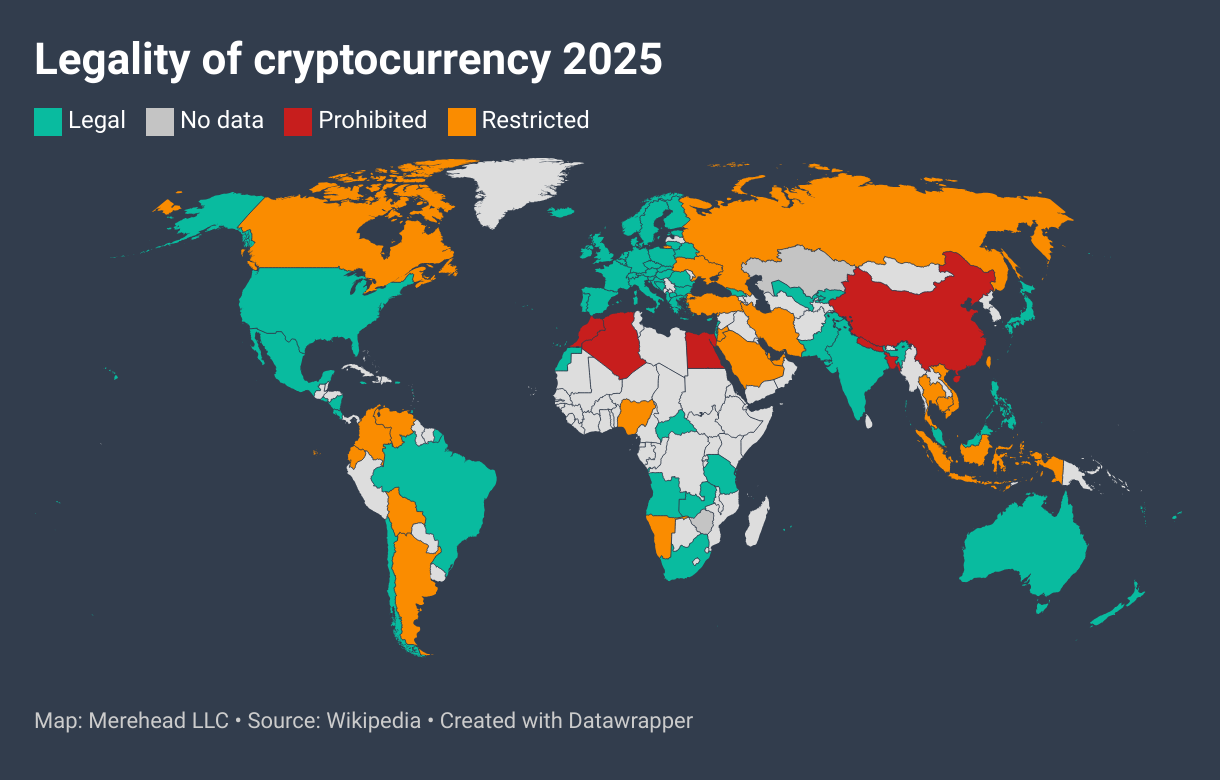
Gateway operators targeting the U.S. market must follow strict regulations.
Licensing
Depending on your business model, you may need a Money Transmitter License (MTL) or other state-specific approvals.
KYC/AML
U.S. guidelines require:
- Identity verification
- FATF Travel Rule compliance
- FinCEN-aligned AML screening
OFAC Sanctions Screening
Mandatory for all U.S. businesses to avoid servicing restricted individuals.
Tax Reporting
Since the IRS treats crypto as property, gateways must provide accurate transaction records for tax reporting.
Compliance complexity is one of the biggest challenges—planning early is essential.
U.S. gateway operators must follow federal and state rules, including MTL licensing, MSB registration, KYC/AML standards, OFAC screening, and IRS reporting. These regulations protect consumers and ensure lawful operations across multiple jurisdictions. Compliance planning must start early to avoid delays and penalties.
Key Challenges in Crypto Payment Gateway Development
- Network volatility and gas fee spikes
- Settlement delays on certain blockchains
- Complex security requirements
- Irreversible transactions
- Multi-state U.S. licensing
- High expectations for uptime and stability
In our experience building exchanges and tokenized platforms, the most difficult issues always involve security architecture, node reliability, and compliance—not just coding.
Developing a gateway involves dealing with network volatility, security risks, multi-chain complexity, and strict U.S. regulations. The biggest challenges usually appear in wallet security, node reliability, and compliance workflows. Addressing these issues upfront leads to a more stable and trusted system.
Future Trends in Crypto Payments
- Stablecoin adoption is accelerating
- CBDCs may integrate directly with gateways
- Layer-2 networks reduce fees and speed up payments
- Cross-chain payments become mainstream
- Smart contract autopay enables automated recurring billing
These trends point to a future with cheaper, faster, and more flexible crypto payments.
The future of crypto payments is shaped by stablecoins, CBDCs, Layer-2 networks, and cross-chain technology. These innovations reduce fees, speed up transactions, and enable advanced features like automated billing. Businesses that adopt gateways early gain a long-term competitive advantage.
Real-World Examples & Case Studies (Merehead)
We’ve built several high-impact crypto platforms that demonstrate what’s possible:
1. Centralized Crypto Exchange with Native Token
We delivered full architecture, wallet systems, smart contracts, and real-time trading tools—showing our ability to build secure, scalable, multi-asset platforms.
2. NFT-Based Real Estate Tokenization Platform
We created a system for fractional real-estate ownership using blockchain and NFTs—requiring deep expertise in compliance, security, and multi-chain integration.
Across all projects, we implemented multi-layer security, audits, and stable node infrastructure—key components for any payment gateway.
Our previous projects - from centralized exchanges to tokenization platforms—showcase real-world expertise in security, multi-chain integration, and financial architecture. These solutions demonstrate how a well-designed gateway can support both high-volume operations and complex compliance needs. Experience from these cases directly informs our payment gateway development approach.
Conclusion
In today’s fast-moving digital economy, a secure and fully compliant crypto payment gateway isn’t just a nice-to-have—it’s a strategic advantage.
At Merehead, we bring years of experience developing blockchain financial platforms, building secure wallet systems, integrating multi-chain logic, and navigating complex compliance requirements. Our end-to-end development approach ensures stability, strong security, and seamless integration with your existing systems.
Ready to modernize your payment infrastructure?
Reach out to us for a free consultation or architecture review.
Let’s build a crypto payment gateway that drives growth, boosts security, and opens new revenue opportunities for your business.
A crypto payment gateway gives businesses faster payments, lower fees, and access to global customers. With the right architecture and compliance in place, companies can build secure, scalable systems that support long-term growth. Merehead provides the technical expertise to design and launch gateways that meet modern market demands.
FAQ
The development of a crypto payment gateway includes stages such as architecture planning, smart contract integration, security configuration, API and user interface development, testing, and deployment. Most companies use white-label solutions or collaborate with specialized fintech developers. Developing a crypto payment gateway involves performing thorough market research and evaluating industry trends.
The cost depends on the complexity, functionality, and regulatory compliance requirements. A basic product can cost between $25,000 and $45,000. The cost to develop a cryptocurrency payment gateway can range from $30,000 to $300,000 or more, depending on the project's complexity.
You can develop your own payment gateway if you have experience in blockchain and cybersecurity or hire blockchain development company.
Yes, there are several reliable cryptocurrency payment gateways operating worldwide that support merchants from the US and Europe. These are BitPay, CoinGate, NOWPayments, and CoinPayments.
Five factors drive crypto payment gateway development cost more than any others. First: the number of supported blockchains — each chain adds $3,000–$20,000 in integration work depending on its architecture. Second: compliance scope — a U.S. gateway with full MTL licensing and KYC/AML infrastructure costs $30,000–$80,000 more than a gateway targeting a single permissive jurisdiction. Third: settlement model — auto-conversion to fiat requires a full exchange rate integration and conversion engine. Fourth: single vs. multi-merchant architecture — a multi-tenant platform serving many merchants costs 40–60% more than a single-operator gateway. Fifth: security audit depth — skipping or compressing the audit saves $15,000–$50,000 upfront but creates breach risk that typically costs far more to remediate.
A white-label crypto payment gateway costs $20,000–$60,000 versus $40,000–$250,000+ for custom development — roughly 40–70% cheaper upfront. The trade-offs: you don't own the underlying code, customization is limited to what the vendor allows, and you pay ongoing licensing fees (typically $500–$5,000/month). For most founders developing a crypto payment gateway for the first time, starting with a white-label base and investing in selective customization is the most cost-effective path. Custom development makes sense when the white-label platform's limitations become a business constraint — usually when you need multi-merchant architecture, custom compliance workflows, or unusual settlement logic.