A DeFi wallet is the primary interface through which users access the entire decentralized finance ecosystem. It holds private keys, signs transactions, connects to protocols, and increasingly serves as a financial identity layer — storing credentials, NFTs, and governance rights alongside assets. By 2026, DeFi wallets have evolved from simple key storage tools into multi-chain financial hubs that interact with lending protocols, DEXs, yield aggregators, and real-world asset platforms in a single interface.
For businesses entering this market, DeFi wallet development is no longer about replicating MetaMask. The competitive bar has moved significantly: users expect gasless transactions via Account Abstraction (ERC-4337), seed phrase elimination through MPC (Multi-Party Computation) key management, social recovery options, and integrated DeFi functionality — all without sacrificing non-custodial security. Building a wallet that users trust requires getting every layer right: from the key management architecture to the transaction confirmation UX.
This guide covers what it takes to build a production-ready DeFi wallet in 2026 — the key models, security architecture, tech stack, realistic costs, and the development process Merehead follows across custom and white-label builds.
What Is a DeFi Wallet and How It Works
When people ask us at Merehead what a DeFi wallet really is, we usually explain it this way: it’s the bridge between the user and the entire decentralized economy. Unlike a standard crypto wallet on an exchange, a DeFi wallet doesn’t depend on a company to hold the keys. The user is in full control — and that changes everything.In practice, it means two simple things:
- Your private keys stay with you, not on someone else’s server.
- Every action — whether sending tokens, joining a liquidity pool, or borrowing funds — runs through smart contracts directly on the blockchain.
There’s no account manager, no customer support line, no bank clerk. Just you, your wallet, and the protocols you connect to. For many of our clients, this is the main reason they choose DeFi over centralized solutions: freedom, transparency, and global access.
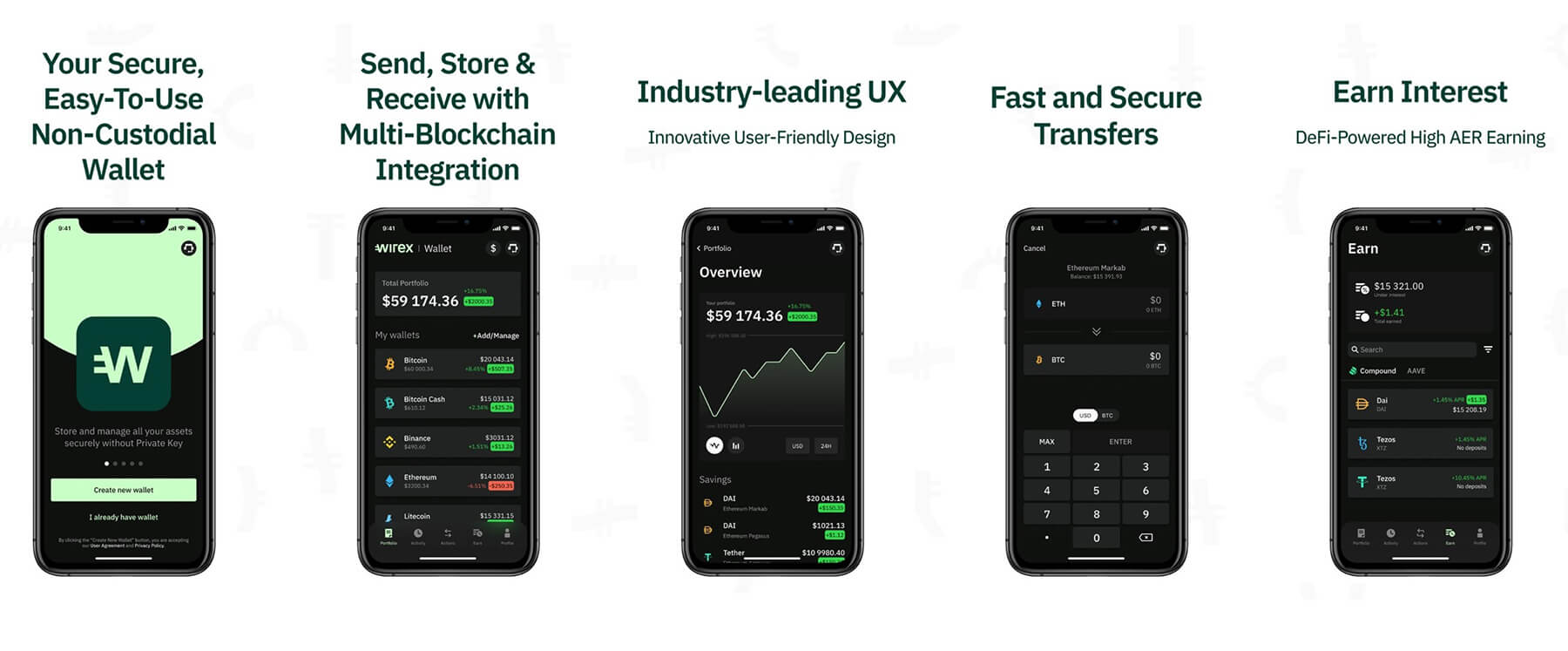
Of course, that freedom also brings responsibility. A DeFi wallet is not a backup service. If you lose your keys, nobody can restore them for you. That’s why when we design wallets, we put a lot of attention into usability, onboarding, and security features — so end users can enjoy the benefits of DeFi without feeling overwhelmed by its complexity.
Key Benefits of DeFi Wallets
When we discuss new projects with clients at Merehead, one of the first questions is always: “Why would someone choose a DeFi wallet instead of a bank or an exchange account?” The answer lies in a set of benefits that traditional finance simply can’t match.- Full control over assets. In DeFi, there’s no bank manager or exchange holding your funds. You manage your money directly, and no one can freeze or block your account.
- Global access. A DeFi wallet works anywhere with an internet connection. Whether you’re in New York, Lagos, or São Paulo, the rules are the same.
- Traditional transfers can take days. On DeFi, loans, trades, or deposits are executed in minutes — sometimes in seconds.
- Every transaction is written to the blockchain. Nothing is hidden; everything can be verified.
- Unlike banks or centralized platforms, DeFi wallets don’t force you to hand over your personal documents. Your public address is enough.
- Passive income. Users can stake tokens, provide liquidity, or lend assets directly, often with higher returns than conventional savings accounts.
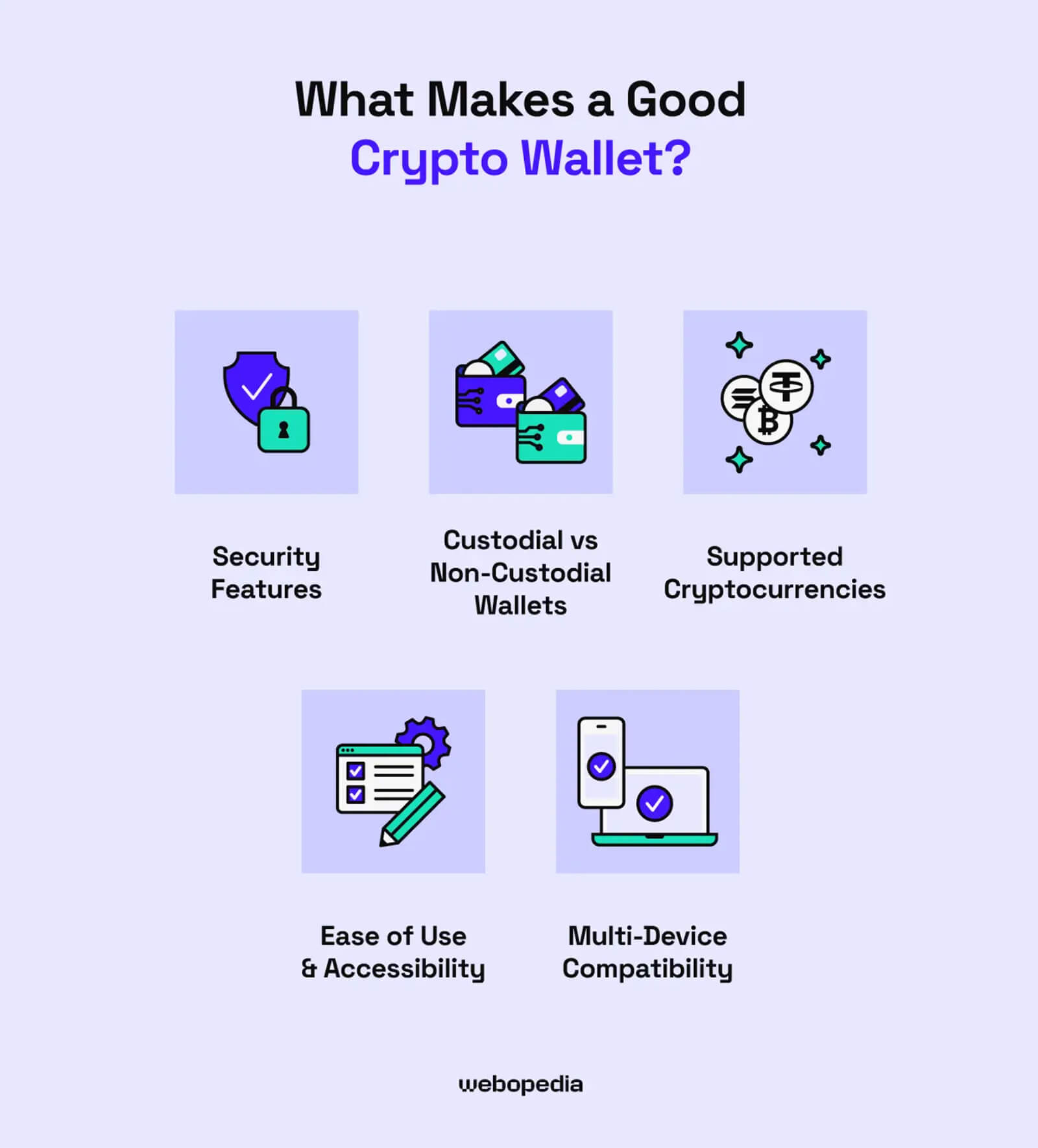
For many businesses entering this market, these advantages are the key selling points to attract users. At Merehead, we make sure our wallet solutions highlight these strengths with simple onboarding, clean interfaces, and security features that give end users confidence.
Security in DeFi Wallet Development
Security is always the most sensitive topic when it comes to DeFi wallets. The same features that make these wallets attractive — no intermediaries, full user control, global access — also make them a target for hackers and scammers. Unlike banks or centralized exchanges, there is no “support team” that can reverse a fraudulent transaction. Once funds are gone, they are gone.The main risks include poorly written smart contracts, unprotected integrations, and the simple human factor — users losing their private keys or falling for phishing attacks. These are not just theoretical problems; every year, DeFi projects lose millions due to such vulnerabilities.
At Merehead, we approach security as the foundation of every wallet. Our process includes:
- Independent code audits to eliminate errors in smart contracts.
- Stress testing under heavy network loads and simulated attacks.
- Advanced authentication methods like biometrics, multi-signatures, and time-based access limits.
- User-side protections such as withdrawal limits, one-time passwords, and automatic session logouts.
By building security into both the technical architecture and the user experience, we help ensure that your wallet earns trust and keeps it. For us, reliability is not an optional feature — it’s what separates a sustainable DeFi product from a risky experiment.
MPC Wallets: Eliminating the Single Point of Failure
The traditional seed phrase model is the biggest adoption barrier in DeFi wallet development. A 12-24 word seed phrase that users must write down, store securely, and never lose represents a UX failure — and a security risk. Phishing attacks that steal seed phrases account for a significant portion of DeFi losses every year.MPC (Multi-Party Computation) solves this by splitting the private key into encrypted shards distributed between the user's device, the service provider's server, and optionally a cloud backup. No single shard is sufficient to sign a transaction — all parties must cooperate. The user never sees a seed phrase. If one device is compromised, the attacker has only one shard — insufficient to steal funds.
In our DeFi wallet builds, we implement MPC using proven libraries (Fireblocks MPC-CMP, Shamir Secret Sharing implementations) for institutional-grade key management. For consumer wallets, we recommend threshold signature schemes (2-of-3 or 3-of-5) that balance security with recovery options. MPC is now the baseline expectation for any DeFi wallet development project targeting enterprise or mainstream consumer audiences.
Account Abstraction (ERC-4337): Gasless UX and Social Recovery
Account Abstraction (ERC-4337) turns wallet accounts into smart contracts — which enables functionality impossible with traditional EOA (Externally Owned Account) wallets. The three most impactful features for DeFi wallet development in 2026:- Gasless transactions: The application pays gas fees on behalf of the user via a Paymaster contract. Users interact with DeFi protocols without holding ETH for gas — eliminating the #1 onboarding friction point.
- Session keys: Users approve a session once (e.g., for a DeFi trading session), allowing multiple transactions without separate signing for each. Dramatically improves UX for active DeFi users.
- Social recovery: Wallet access can be recovered via trusted contacts or devices without a seed phrase. Users designate 3-of-5 'guardians' who can collectively authorize wallet recovery if the primary device is lost.
ERC-4337 is supported natively on all major EVM L2s (Base, Arbitrum, Optimism, Polygon) and increasingly on Ethereum mainnet. Any DeFi wallet targeting mainstream adoption in 2026 should implement Account Abstraction — the UX improvement over traditional wallets is significant enough to be a competitive differentiator.

Essential Features of a DeFi Wallet
When people choose a wallet, they don’t just look at security — they also judge how easy it is to use. That’s why functionality matters as much as blockchain architecture. A DeFi wallet that is difficult to navigate will lose users no matter how safe it is.From our experience at Merehead, these are the features that make a DeFi wallet competitive:
- Simple onboarding. Quick registration without unnecessary steps, with clear instructions for setting up seed phrases and security preferences.
- Send and receive crypto. The core feature — but it has to be seamless. Users should be able to transfer tokens with just a few taps, and save frequent contacts for repeat payments.
- Balance and portfolio view. Clear dashboards that show holdings, token prices, and performance over time. For many users, this becomes the first screen they check daily.
- Bank card integration. Depositing or withdrawing money with debit/credit cards is now a must-have. Without it, mass adoption becomes much harder.
- Transaction history. Users expect a clear record of past operations, with filters and categories to help them track activity.
- Referral and loyalty programs. Cashback, discounts, or rewards keep people engaged and motivated to use your wallet regularly.
- Admin panel. For you as the operator, it’s essential to have control over user management, analytics, and support tools.
We often advise clients to go beyond the basics and add extras like QR code scanning, push notifications, or even integrated chatbots. These small details can significantly improve user retention and set your wallet apart from competitors.
Popular Examples of DeFi Wallets
To understand what users expect from a modern DeFi wallet, it’s worth looking at the products that already lead the market. Each of them highlights a different approach — and shows what you can learn when building your own solution.- The go-to wallet for Ethereum users. Its strength is in wide dApp integration, but it’s often criticized for complicated onboarding and browser-extension risks. For new projects, the lesson is clear: integration matters, but user experience can’t be ignored.
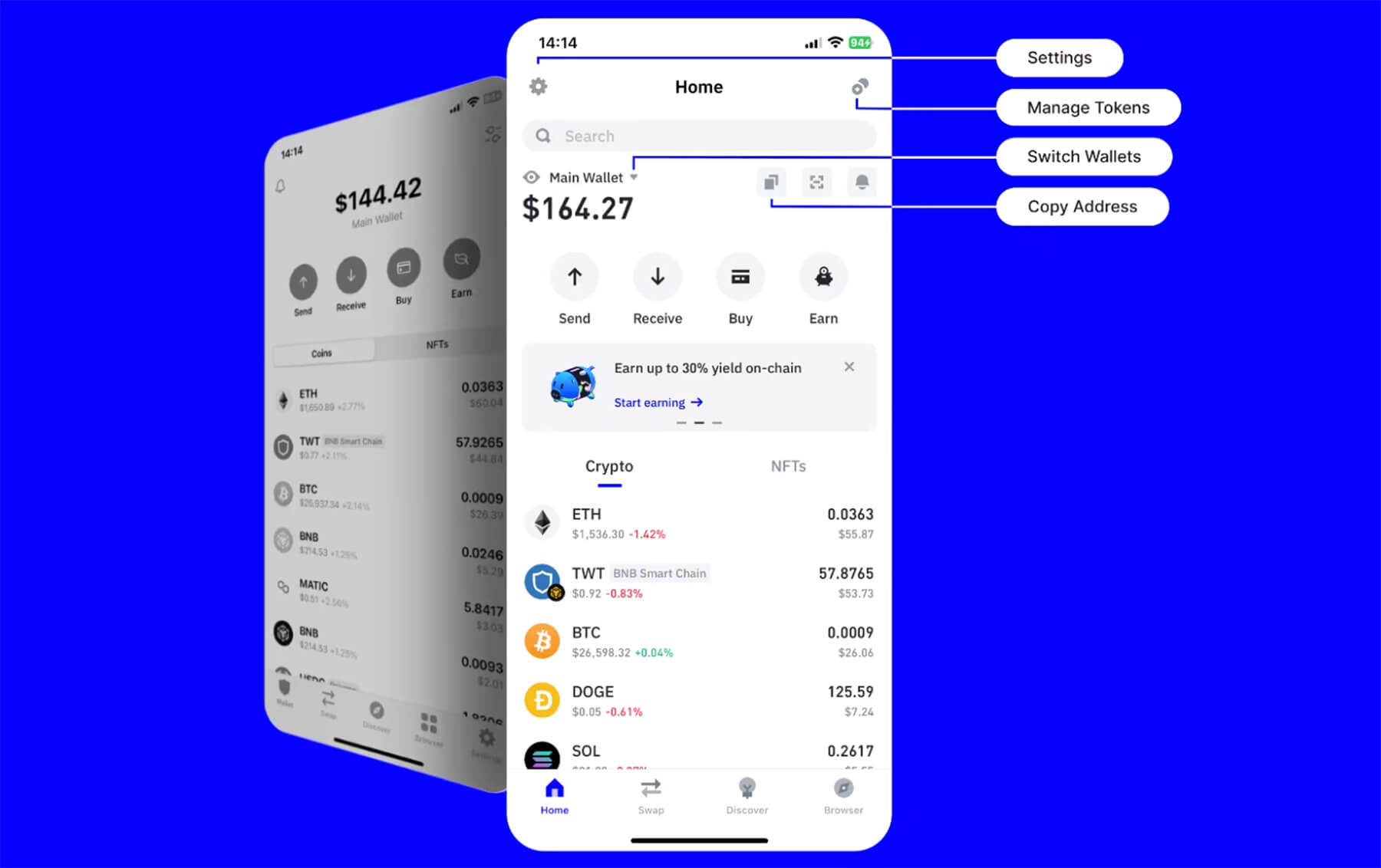
- Trust Wallet. Backed by Binance, this mobile-first wallet wins on simplicity. It supports thousands of tokens and dozens of blockchains. The downside? Being tied to a large exchange reduces its “pure DeFi” credibility.
- Focused on beginners, Argent shows how design and usability can make DeFi accessible to non-technical users. Its unique “guardians” system protects accounts without compromising decentralization.
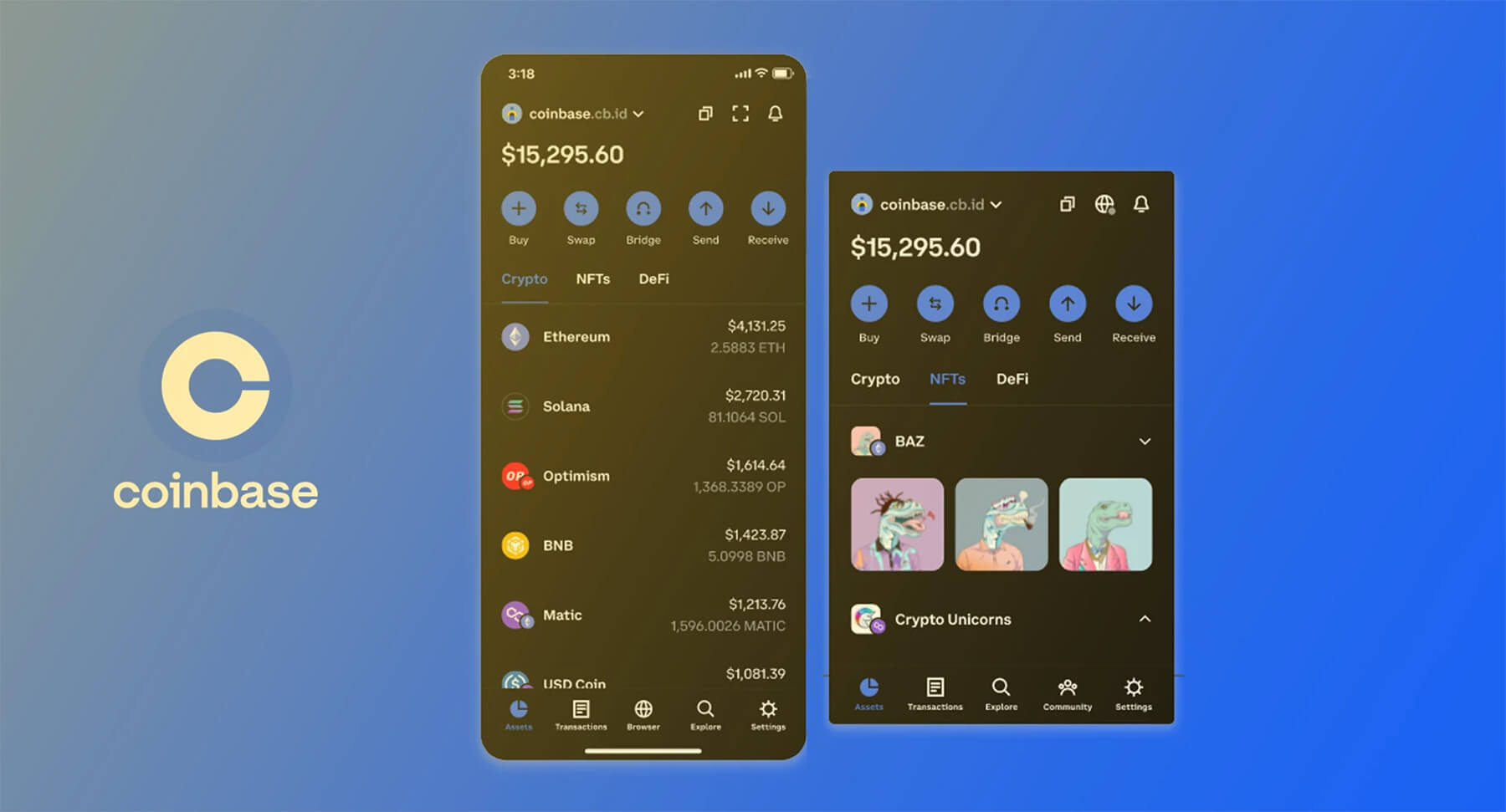
- Coinbase Wallet. With built-in links to lending and trading services, Coinbase Wallet demonstrates how integration with DeFi protocols can create a one-stop-shop experience. But, being tied to a centralized brand, it doesn’t fully embody the DeFi ethos.
For businesses, these wallets prove two things:
- Security and usability go hand in hand. If one is missing, adoption suffers.
- Differentiation matters. The market already has general-purpose wallets; what wins today is a wallet that solves a specific pain point or offers a unique experience.
At Merehead, we use these market leaders as benchmarks, not blueprints. Our goal isn’t to copy MetaMask or Trust Wallet but to help clients build solutions that take the best practices and improve on them for their own audience.
Popular DeFi Wallet Clone Scripts in 2026
A DeFi wallet clone script replicates the proven architecture of an existing wallet — adapted to your branding, supported chains, and feature priorities. The advantage: you start from a model that already has millions of users rather than designing key management and UX flows from scratch. Here are the most requested DeFi wallet development models:MetaMask Clone Wallet Development
A MetaMask clone replicates the browser extension + mobile wallet model that remains the dominant Web3 wallet in 2026. MetaMask's strength: deep dApp integration, broad chain support, and developer familiarity. Its weakness: complicated onboarding and seed phrase exposure that creates user anxiety. A MetaMask-style DeFi wallet built in 2026 should implement the same dApp connectivity and chain support while replacing the seed phrase onboarding with MPC-based key management and improving the transaction confirmation UX.Best for: Web3 developer tools, dApp-focused wallets, browser-extension-first products.
Typical cost: $40,000–$80,000 for a MetaMask-style wallet with MPC key management and multi-chain support.
Trust Wallet Clone Development
A Trust Wallet clone replicates Binance's mobile-first wallet model: simple onboarding, support for thousands of tokens across dozens of blockchains, and integrated DeFi features (staking, yield, in-app DEX). Trust Wallet's differentiator is breadth — it covers more chains and more DeFi protocols than most competitors. A Trust Wallet-style DeFi wallet development project typically targets users who want a single app for all their multi-chain activity rather than dedicated wallets per ecosystem.Best for: Mobile-first multi-chain wallets, retail DeFi audiences, markets with high chain diversity.
Typical cost: $50,000–$100,000 for a Trust Wallet-style mobile app with multi-chain support and integrated DeFi.
Coinbase Wallet Clone Development
A Coinbase Wallet clone replicates the user-controlled (non-custodial) wallet with fiat on-ramp integration and simplified onboarding. Coinbase Wallet is distinct from Coinbase exchange — it's fully non-custodial, allowing users to interact with any DeFi protocol while benefiting from the Coinbase brand trust. A Coinbase Wallet-style DeFi wallet is the right model for projects targeting users who are new to crypto and need both the reassurance of a familiar brand and the freedom of non-custodial access.Best for: Consumer DeFi wallets, fiat on-ramp integration, mainstream adoption focus.
Typical cost: $50,000–$90,000 for a Coinbase Wallet-style product with fiat integration and simplified UX.
Argent Clone — Smart Contract Wallet with Social Recovery
Argent pioneered the smart contract wallet model with social recovery and no seed phrase — the same architecture that ERC-4337 Account Abstraction now enables at the protocol level. An Argent-style DeFi wallet development project produces a wallet where users designate trusted contacts as 'guardians' who can collectively authorize account recovery. Combined with integrated DeFi features (Yearn, Aave, Uniswap direct from the wallet), Argent-style wallets represent the next generation of consumer DeFi — and the model that most closely matches what Account Abstraction enables natively in 2026.Best for: Social-recovery-focused wallets, Account Abstraction showcase products, user-friendly DeFi super-apps.
DeFi Wallet Development Process at Merehead
When clients come to us with the idea of building a DeFi wallet, the first thing we explain is that this kind of project isn’t done overnight. It’s a step-by-step journey, where each stage reduces risks and brings the product closer to launch. Here’s how we usually guide our partners:- Clarify the vision. We sit down with you to understand what the wallet should achieve. Is it for newcomers who need simplicity, or for advanced users who want every DeFi feature under one roof? The answers shape everything else.
- Pick the right format. Some projects work best as mobile apps, others as browser extensions or desktop clients. The choice depends on your target audience and growth plans.
- Design the foundation. At this point we plan the architecture: which blockchain to use, which tokens to support, how the security model will look. This is where the long-term stability of the wallet is decided.
- Create the experience. We focus on onboarding flows, dashboards, and transaction screens — the parts that determine whether users stay after the first try.
- Build the core. Our developers implement smart contracts, connect APIs, and integrate features like payments, liquidity pools, or staking options.
- Test and secure. Before launch, we push the system to its limits with audits and stress tests. If something can break, it’s better that we find it first, not your users.
- Go live and grow. Launch is only the beginning. We monitor, fine-tune, and scale the wallet as your user base expands.
This approach isn’t theory — it’s the process we’ve refined through years of fintech and defi development. At Merehead, we don’t just deliver code; we deliver a working product that’s ready to win users’ trust from day one.
Tech Stack and Development Cost
Every DeFi wallet stands on two pillars: the technology behind it and the budget required to bring it to life. At Merehead, we help clients choose the right balance — no overcomplication, but also no shortcuts that would hurt security or scalability.Our tech stack usually includes:
- Blockchains: Ethereum, BNB Chain, Polygon, Solana (depending on the audience and ecosystem you want to target).
- Smart contracts: Solidity for Ethereum-compatible chains, Rust for Solana and Near.
- Backend:js, Go, or PHP frameworks like Laravel for server logic and integrations.
- Frontend & mobile: React, Vue, Swift (iOS), Kotlin (Android).
- Infrastructure: AWS, Google Cloud, or Azure for hosting and scaling.
- Databases & caching: MongoDB, MySQL, Redis.
From a cost perspective, there’s no single price tag. A basic MVP wallet with standard functions (send/receive tokens, balance tracking, basic DeFi integrations) typically starts at $30,000–$40,000. A more advanced product — with custom UI/UX, multi-chain support, bank card integrations, and security audits — can range from $80,000 to $120,000+.
The actual number depends on your goals. Some clients want to test the market quickly with a lean version, while others prefer to invest in a full-featured wallet from day one. Either way, we provide a detailed breakdown before development starts, so you know exactly where your budget is going.
| Wallet Type | Cost | Timeline | Best For |
| White-label DeFi wallet | $15,000–$40,000 | 4–8 weeks | Fast launch, market validation |
| Custom MVP (single-chain) | $30,000–$50,000 | 2–4 months | Focused audience, specific chain |
| Full custom multi-chain wallet | $80,000–$150,000 | 4–7 months | Production-grade, all features |
| Enterprise wallet with MPC + AA | $120,000–$250,000+ | 6–10 months | Institutional, mainstream UX |
The two most consistently underestimated cost items in DeFi wallet development: MPC key management integration ($15,000–$30,000 above basic wallet cost) and Account Abstraction implementation ($10,000–$25,000 for Paymaster setup and bundler integration). Both are non-optional for any wallet targeting mainstream users in 2026 — wallets that require seed phrases and gas in ETH will lose users to competitors that don't.
Security audit is the other line item that surprises founders: $8,000–$25,000 for smart contract audit on the wallet's contract layer, plus $5,000–$15,000 for penetration testing on the key management infrastructure. We've seen teams skip the audit on a wallet handling $500K in user TVL and discover a critical vulnerability during the first month of live operation. The audit cost is always cheaper than the incident it prevents.
costs to develop
your DeFi wallet
Why Companies Choose Merehead for DeFi Wallet Development
When you’re investing in a DeFi wallet, you need more than just coders — you need a partner who understands both technology and the business side of crypto. That’s where Merehead stands out.- Track record that speaks for itself. We’ve been working with blockchain since the early days of Ethereum, delivering projects for startups, fintech companies, and enterprises. Our portfolio includes everything from crypto exchanges to NFT platforms and DeFi apps.
- We design for people, not just protocols. A wallet isn’t only about storing tokens — it’s about trust, convenience, and adoption. We make sure the product feels intuitive for beginners and powerful enough for advanced users.
- Security built in, not bolted on. We don’t treat audits as a final checkbox. From the first line of code, we design with security in mind: key management, transaction validation, multi-factor authentication, and penetration testing.
- Custom every time. No off-the-shelf templates. Each wallet is tailored to your audience, your brand, and your business model.
- Long-term partnership. Launch is just the beginning. Our team stays with you to update, improve, and scale as the market evolves.
At the end of the day, businesses choose us because they want more than just developers — they want a defi wallet development company that can see the bigger picture. If you’re ready to bring your DeFi wallet idea to life, let’s talk and map out the next steps together.
FAQ: DeFi Wallet Development
What is DeFi wallet development?
DeFi wallet development is the process of designing and building a non-custodial cryptocurrency wallet that allows users to store, manage, and interact with decentralized finance protocols directly from their own wallet — without depositing funds into a centralized exchange or custodian. It involves building key management architecture (seed phrase, MPC, or Account Abstraction), multi-chain support, DeFi protocol integrations (DEX swaps, lending, staking), security layers, and the mobile or web interface users interact with.
How much does DeFi wallet development cost?
The cost of DeFi wallet development ranges from $15,000–$40,000 for a white-label solution to $250,000+ for an enterprise wallet with MPC key management, Account Abstraction, multi-chain support, and mobile apps. A custom MVP with single-chain support runs $30,000–$50,000. A full production wallet with all modern features runs $80,000–$150,000. Security audit ($8,000–$25,000) and MPC integration ($15,000–$30,000) are the most commonly underestimated additional costs — budget for both from the start.
How long does it take to build a DeFi wallet?
A white-label DeFi wallet can be deployed in 4–8 weeks. A custom single-chain wallet MVP takes 2–4 months. A full-featured multi-chain wallet with MPC, Account Abstraction, and mobile apps takes 5–9 months. The security audit adds 3–6 weeks to any timeline involving live user funds — engage your audit firm before development completes, not after. App store submission (iOS App Store, Google Play) adds 1–3 weeks for review, with additional time if token mechanics require policy clarification.
What is the difference between MPC wallet and seed phrase wallet?
A seed phrase wallet stores the private key in a single location — typically the user's device — derived from a 12-24 word recovery phrase. If the device is compromised or the phrase is stolen, all funds are lost. An MPC wallet splits the private key into encrypted shards distributed across multiple parties (user device, provider server, cloud backup). No single shard can sign a transaction alone. Users never see a seed phrase. Even if one party is compromised, the attacker cannot steal funds. MPC is now the standard for institutional DeFi wallets and increasingly for consumer products targeting mainstream adoption.
What is Account Abstraction and why does it matter for DeFi wallets?
Account Abstraction (ERC-4337) turns wallet accounts into smart contracts rather than simple key pairs. This enables three features critical for DeFi wallet adoption in 2026: gasless transactions (the app pays gas fees via a Paymaster, so users don't need ETH), session keys (approve once for a trading session instead of signing every transaction), and social recovery (recover wallet access via trusted contacts instead of seed phrase). Account Abstraction removes the primary friction points that prevent mainstream users from adopting DeFi wallets — and is now supported on all major EVM L2s.