×
Services
Our company has been building blockchain-based financial projects for over 10 years. Our scope of activity includes the development of centralized and decentralized crypto exchanges, crypto bots, payment gateways, real estate tokenization, DeFi and NFT projects.
Create a centralized crypto exchange (spot, margin and futures trading)
Decentralized Exchange
Development of decentralized exchanges based on smart contracts
DeFi Platform
Build DeFi projects from DEX and lending platforms to staking solutions
NFT Marketplace
Build NFT marketplaces from minting and listing to auctions and launchpads
Build crypto banking platforms with wallets, compliance, fiat rails, and payment services
P2P Crypto Exchange
Build a P2P crypto exchange based on a flexible escrow system
Crypto Payment Gateway
Create a crypto payment gateway with the installation of your nodes
Real Estate Tokenization
Real estate tokenization for private investors or automated property tokenization marketplaces
AI Development
We build production-ready AI systems that automate workflows, improve decisions, and scale

Crypto Neobanking Apps ✨

Crypto Banking Development Services

Build a secure, compliant, and scalable crypto-fiat ecosystem. We deliver institutional-grade neobanking solutions, multi-currency wallets, and card issuing services.


Review your idea View Case Studies    
130+ projects
Experience
since 2015
Experience
blockchain expert
image

Reason

Why Choose Merehead for Crypto Banking Software Development

Merehead has been developing fintech platforms since 2015. Compared to other service companies, we pay more attention to security and quality, which is so important in the banking market.

1. Security and institutional compliance. We prioritize YMYL (Your Money Your Life) standards, which is reflected in integration with KYC/AML providers and compliance with FinCEN and FATF Travel Rule requirements. Our code is ready for security audits by firms such as CertiK or Hacken.

2. Flexible integration of fiat and cryptocurrencies. We build financial systems, not simple wallets. Our experience includes On/Off-Ramp integration and liquidity providers, as well as connections to traditional core banking systems (CBS).

3. Scalable high-performance architecture. The foundation of our projects is based on a microservice architecture, which makes it possible to provide high-frequency transactions. Optimized code and server architecture capable of handling thousands of transactions per second (TPS).

Write to an expert
Fintech-Grade Engineering and Delivery
We build complex platforms with reliability, observability, and secure operational workflows. Delivery is organized around milestones, demos, and measurable acceptance criteria.
Security-First, Audit-Ready Approach
We design secure architectures with controlled access, logging, and risk actions from day one. This approach reduces launch risk and supports compliance requirements.
Scalable Architecture for Growth
We build modular systems that can evolve with new integrations, regions, and product features. Scalability is treated as an architectural requirement, not a later refactor.
Business-Focused Product Execution
We align platform features with monetization, operational costs, and user experience goals. The result is software that supports business outcomes, not just technical completeness.

Over 10 years of experience. We offer strategic solutions based on our code base and deep expertise. Our MVPs are launched 30% faster than the industry average. Our approach offers a transparent development process and regular reporting.

Services

Crypto Banking Software Development Services

Our crypto banking software development services cover the full cycle—from product strategy and architecture to integrations, security hardening, and launch support. We build platforms that are ready for real users, real transactions, and real compliance requirements.

01

Custom Crypto Banking Platform Development

We develop custom crypto banking platforms tailored to your business model, jurisdictions, and product roadmap. This includes web and mobile apps, admin tools, and the backend services required for reliable operations.
02

Digital Wallet & Custody Infrastructure

We build wallet infrastructure with secure key management and configurable custody models. The system supports deposits, withdrawals, address management, and transaction orchestration with operational controls.
03

Core Ledger & Account Management System

We implement a core ledger that tracks balances, holds, fees, and transaction states across fiat and crypto. This ensures accurate accounting, reconciliation, and audit readiness at scale.
04

Fiat On/Off-Ramp Integrations

We integrate on-ramp and off-ramp providers to enable card or bank transfers for buying and selling crypto. Integrations are designed with monitoring, fallback flows, and clear transaction status handling.
05

Crypto Cards & Payment Rails Integration

We connect card programs and payment rails to support real-world spending and settlement workflows. The platform can route funding sources, apply limits, and support compliance checks per transaction.
06

KYC/AML & Transaction Monitoring

We implement identity verification flows and AML controls that fit your jurisdiction and product scope. Transaction monitoring helps detect suspicious behavior and supports case management and reporting.
07

Admin Panel, Risk Controls & Reporting
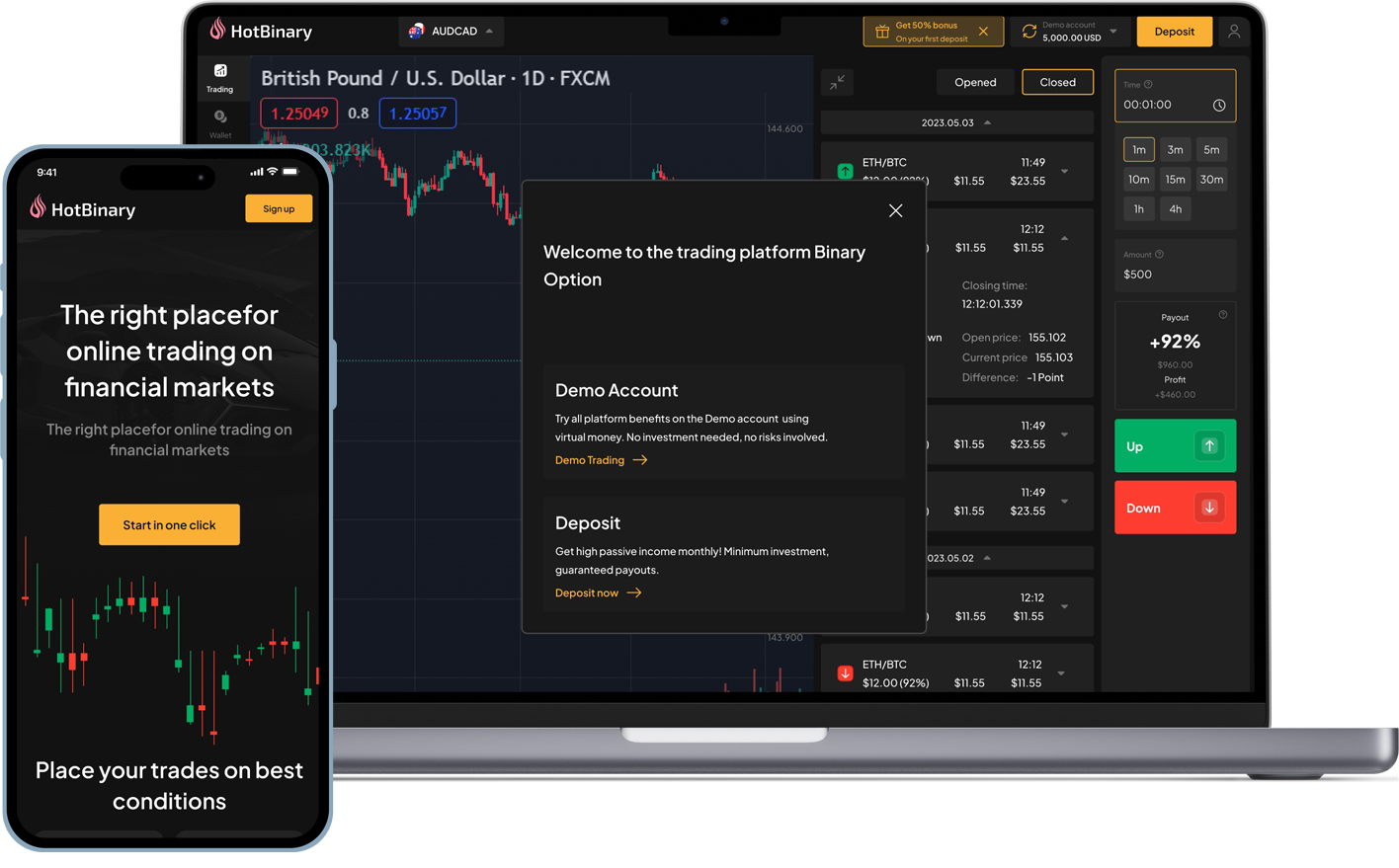
We build admin dashboards for user management, limits, approvals, and operational actions. Reporting tools support compliance needs, reconciliation, and executive visibility.
merehead about

About

What Is Crypto Banking Software?

Crypto banking software is a highly secure financial ecosystem that allows institutions and fintech startups to offer traditional banking services such as savings, lending, and payments, integrated with digital assets such as Bitcoin, Ethereum, USDT, etc.

The key feature of crypto banking is that it acts as a bridge between the traditional financial system (FIAT) and cryptocurrencies. And it provides an easy user experience to manage finances in one place.

Storage of digital assets. Users can have secure institutional-grade storage based on MPC (multiparty computing) or hardware security modules (HSM).

Fiat-crypto integration. Stable integration with payment systems such as ACH, SEPA, and SWIFT. This allows users to instantly purchase cryptocurrency using credit or debit cards.

Personal debit cards. Users can open personal Visa/Mastercard cards for daily payments and transfers.

All markets, and especially the US, have regulations governing transactions. We note that key important features of crypto banking software should be KYC/KYB for verifying individuals and entities and AML tracking for combating money laundering (e.g., integration with Chainalysis or Elliptic). Of particular note is automation for filling out 1099-B forms for users in the US.

11
years on the market
133
completed projects
40+
development team

Step-by-Step

How Crypto Banking Platforms Work

A crypto banking platform onboards users, manages accounts and balances, routes transactions through wallets and payment rails, and enforces compliance rules. It also provides monitoring, reconciliation, and audit trails to keep operations secure and reliable.

Customer Onboarding & Identity Verification
Users pass onboarding flows that validate identity and risk profile based on your compliance requirements. This enables controlled access to accounts, limits, and regulated product features.
Wallet Management & Key Security
Wallet infrastructure manages addresses, signing, and secure transaction execution. Key security can be implemented via HSM-based custody, MPC, or other models depending on your risk posture.
Compliance, Monitoring & Risk Actions
The compliance layer monitors transactions, flags anomalies, and triggers risk actions like limits, freezes, or manual reviews. This reduces fraud exposure and supports regulatory reporting workflows.
Accounts, Balances & Ledger Operations
The platform creates user accounts and maintains real-time balances using a ledger-based system. Ledger logic supports holds, fees, reversals, and status transitions for accurate accounting.
Payments, Transfers & Settlement
Users can send/receive crypto, move funds between wallets, and initiate fiat settlements through integrated providers. Settlement flows include confirmations, status tracking, retries, and error handling.
Reporting, Reconciliation & Audit Trails
The platform produces transaction logs, balance proofs, and reconciliation reports for operations and audits. Audit trails provide traceability across user actions, approvals, and system events.
Be prepared for the fact that users will have many questions about legal guarantees and dividend distribution, if any. We recommend that you take care of a complete list of information articles in advance with a detailed description of the stages of work and legal regulation. It is good if the project has an online chat with the support department.
image
image
image
image
image
image

Architecture

Crypto Banking Architecture We Build

We design modular architecture that separates ledger, wallet, compliance, and payments so each layer can scale independently. This approach reduces risk, improves maintainability, and supports faster feature delivery.


Core Ledger & Banking Engine
The ledger is the system of record for balances, holds, and transaction states across assets. We design it for consistency, accuracy, and audit-ready reporting.
Custody / Wallet Infrastructure
Wallet services manage address generation, signing, and transaction routing with operational controls. The architecture supports secure key management and controlled withdrawals.
Compliance Layer (KYC/AML, Monitoring)
Compliance services handle identity checks, risk scoring, and transaction monitoring rules. This layer supports case management and enforcement actions based on policy.
Payments Layer (Cards, Rails, On/Off-Ramps). Payments services connect your platform to card programs, banking rails, and on/off-ramp providers. We implement clear status tracking and reconciliation to prevent operational gaps.
Security Layer (HSM, Key Mgmt, Access Control). Security controls include encryption, secrets management, access policies, and optional HSM or MPC for keys. This reduces attack surface and protects high-value operations.

Features

Core Modules of a Crypto Banking Platform

Core modules define what the platform can do and how safely it operates under real transaction volume. The right module set supports user experience, compliance, and predictable scaling.

User Accounts & Roles
We build role-based access for users, admins, support, and compliance teams. This ensures the right people can perform the right actions with proper approvals and logging.
Fiat & Crypto Balances
The platform supports holding fiat and crypto balances with clear transaction states and settlement logic. This is essential for accurate user reporting and back-office reconciliation.
Custody / Non-Custody Options
We support custodial, non-custodial, or hybrid models depending on your product strategy. Custody choices affect security, compliance scope, and user experience.
Transfers, Payouts & FX
We implement transfers, payouts, and conversion flows with rate handling and clear fee logic. These flows include safeguards for limits, confirmations, and error recovery.
Cards, IBAN/Accounts, and Payments
We integrate payment capabilities such as cards and bank account features when your model requires them. The platform supports limits, funding sources, and settlement rules tied to compliance checks.

Cost

Cost of Crypto Banking Software Development

CThe cost of developing crypto banking software ranges from $50,000 for a basic MVP to $300,000 for a full-scale institutional ecosystem with a wide range of features and integrations. In the US market, the final investment depends on the complexity of the compliance level, the number of integrated blockchains, banking protocols, and security requirements.

Key Factors Influencing the Budget
Regulatory Compliance ($15k - $40k): Integration of automated AML/KYC tools (e.g., Sumsub, Onfido) and reporting systems for US tax compliance.
Security & Audits ($10k - $30k): Implementing multi-layered encryption, cold/hot wallet management, and external smart contract audits.
Liquidity & Banking APIs: The complexity of connecting with providers like Prime Trust, Circle, or Plaid.

Our experience allows us to take into account hidden costs for servers and integrations and minimize them as much as possible. For example, we use a two-stage server infrastructure, where we spend minimal funds at the MVP development stage and switch to powerful servers only at the final stage.

Unlike many providers, we focus on reducing the Total Cost of Ownership (TCO). By using our pre-built proprietary modules for core banking functions, we reduce development hours by 30%, allowing you to allocate more budget to marketing and user acquisition.

Ready to get a precise estimate tailored to your specific business goals and regulatory requirements? Schedule a free technical consultation with our experts to receive a detailed project roadmap and a transparent cost breakdown. Let’s build a secure, cost-effective crypto banking solution that scales with your ambition.
Contact Expert

Who Should Run Crypto Banking Software?

Fintech startups launching neobanks
Wallet and custody providers scaling
Payment firms adding crypto accounts
Institutional platforms for treasury

FAQ

Have questions in mind?

Answers to the most frequently asked questions from our clients

A wallet app typically focuses on storing and sending assets, while a crypto bank includes account management, compliance, payments, and operational controls. Crypto banking software is designed for ongoing financial operations and audit-ready workflows.

An MVP can take 10–16 weeks depending on custody model and integrations. Enterprise platforms take longer due to compliance scope, payments rails, and operational tooling.

Cost depends on custody approach, KYC/AML requirements, and the number of provider integrations. We estimate by complexity (MVP, mid-scale, enterprise) to keep planning predictable.

Yes, we can integrate card programs and banking rails depending on provider availability and jurisdiction. We also design reconciliation and status handling to support reliable operations.

Yes, we support custodial, non-custodial, and hybrid approaches based on your business model. We help select the right model for security, UX, and compliance constraints.
Talk to an expert
We are ready to answer all your questions
Top expert
10 years of experience

Security

Security & Compliance in Crypto Banking Software

Secure Key Management & HSM
We design custody flows with secure signing and controlled key access to protect assets. HSM or MPC-based approaches can be used based on your security requirements.
AML Monitoring & Risk Scoring
We implement monitoring rules and risk scoring to identify suspicious patterns and high-risk activity. This supports compliance workflows and reduces exposure to financial crime.
Fraud Prevention & Device Security
We add fraud controls such as device checks, velocity limits, and anomaly detection triggers. These measures protect user accounts and reduce operational loss.
Why is this important?
Security and compliance determine whether crypto banking software can operate safely at scale. We embed controls into architecture, workflows, and operational tooling to reduce risk and build trust.

Integrations

Integrations We Support

Exchanges & Liquidity Providers
We integrate liquidity sources for conversion flows and treasury operations when required. Integrations include monitoring, rate handling, and failure-safe routing.
On/Off-Ramp Providers
We connect on/off-ramps to support fiat-to-crypto and crypto-to-fiat flows. Provider handling includes status tracking, reconciliation, and support tooling.
Card Issuers & Payment Processors
We integrate card programs and processors for spending, settlement, and funding workflows. The platform can enforce limits and compliance checks per transaction.
Why is this important?
Integrations determine how your crypto bank connects to liquidity, payments, identity verification, and banking infrastructure. We design integrations for resilience, observability, and predictable operations.

Use Cases

Use Cases for Crypto Banking Software

Neo-Banks with Crypto Accounts
We build neobank-style platforms that combine crypto balances with traditional user account experiences. This includes onboarding, balances, payments, and operational tooling.
Crypto Wallet Banks & Custody Providers
We develop platforms focused on custody, secure asset management, and controlled withdrawal workflows. These solutions prioritize security, monitoring, and operational governance.
Merchant & Payroll Crypto Banking
We build platforms that support business payouts, payroll workflows, and merchant settlement in crypto or fiat. These systems focus on reporting, reconciliation, and cost-efficient processing.
Why is this important?
Crypto banking software supports multiple business models—from consumer finance apps to institutional platforms. We build systems that match your product strategy and compliance boundaries.
Do you have a project idea?
Send
Yuri Musienko
Business Development Manager
Yuri Musienko specializes in the development and optimization of crypto exchanges, binary options platforms, P2P solutions, crypto payment gateways, and asset tokenization systems. Since 2018, he has been consulting companies on strategic planning, entering international markets, and scaling technology businesses. More details