If you’ve been thinking about launching your own crypto payment gateway, you’re in the right place.
This guide breaks everything down in a clear, practical way—no fluff, no filler.
Crypto payment gateways have already moved way past the “emerging trend” stage. Today, they’re becoming a core part of modern online payments. In this article, you’ll learn how they work, which features actually matter, and what it really costs to build one in 2026.
Stick around—this could be exactly the upgrade your business has been looking for.
Introduction to Crypto Payment Gateway Development
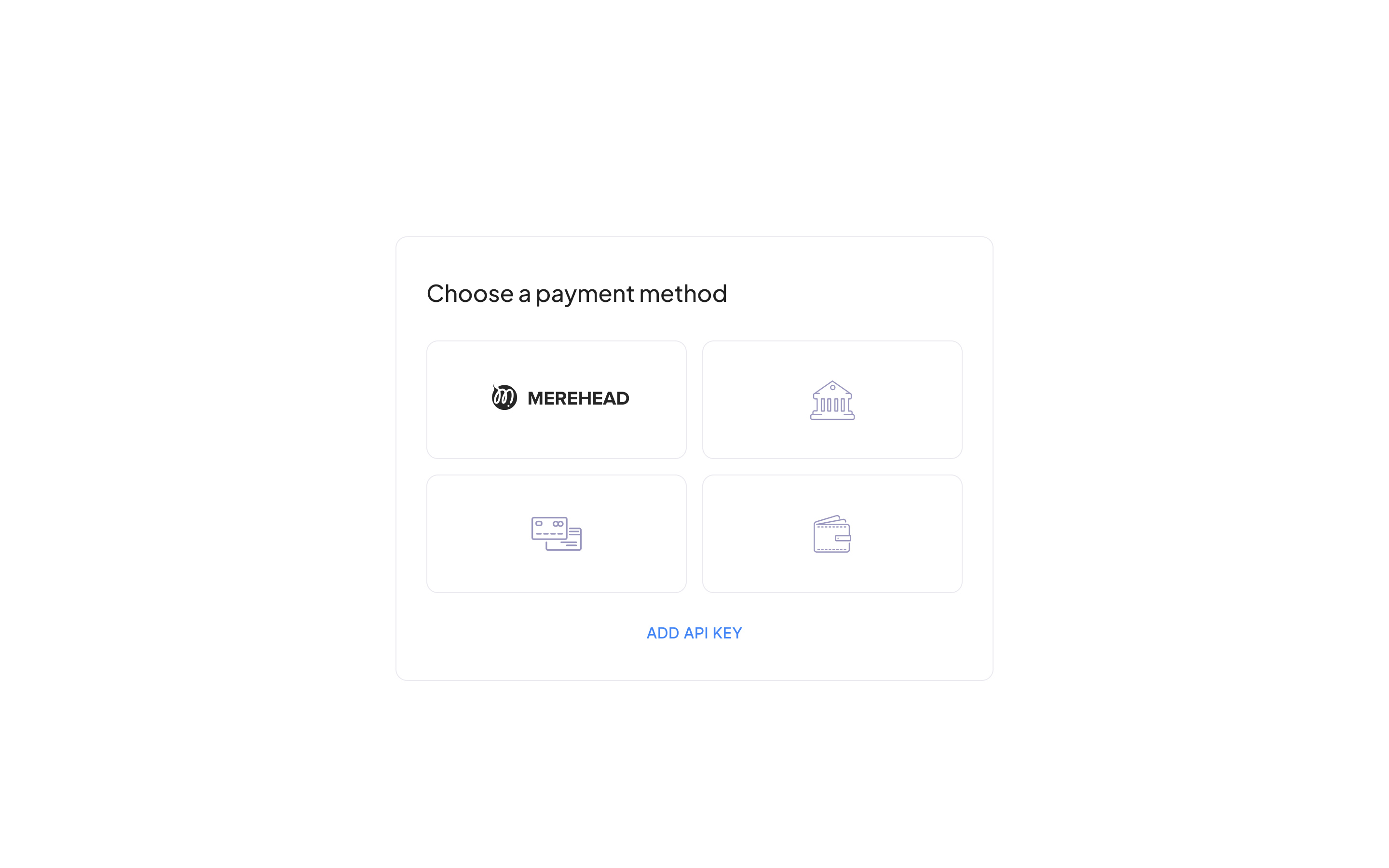
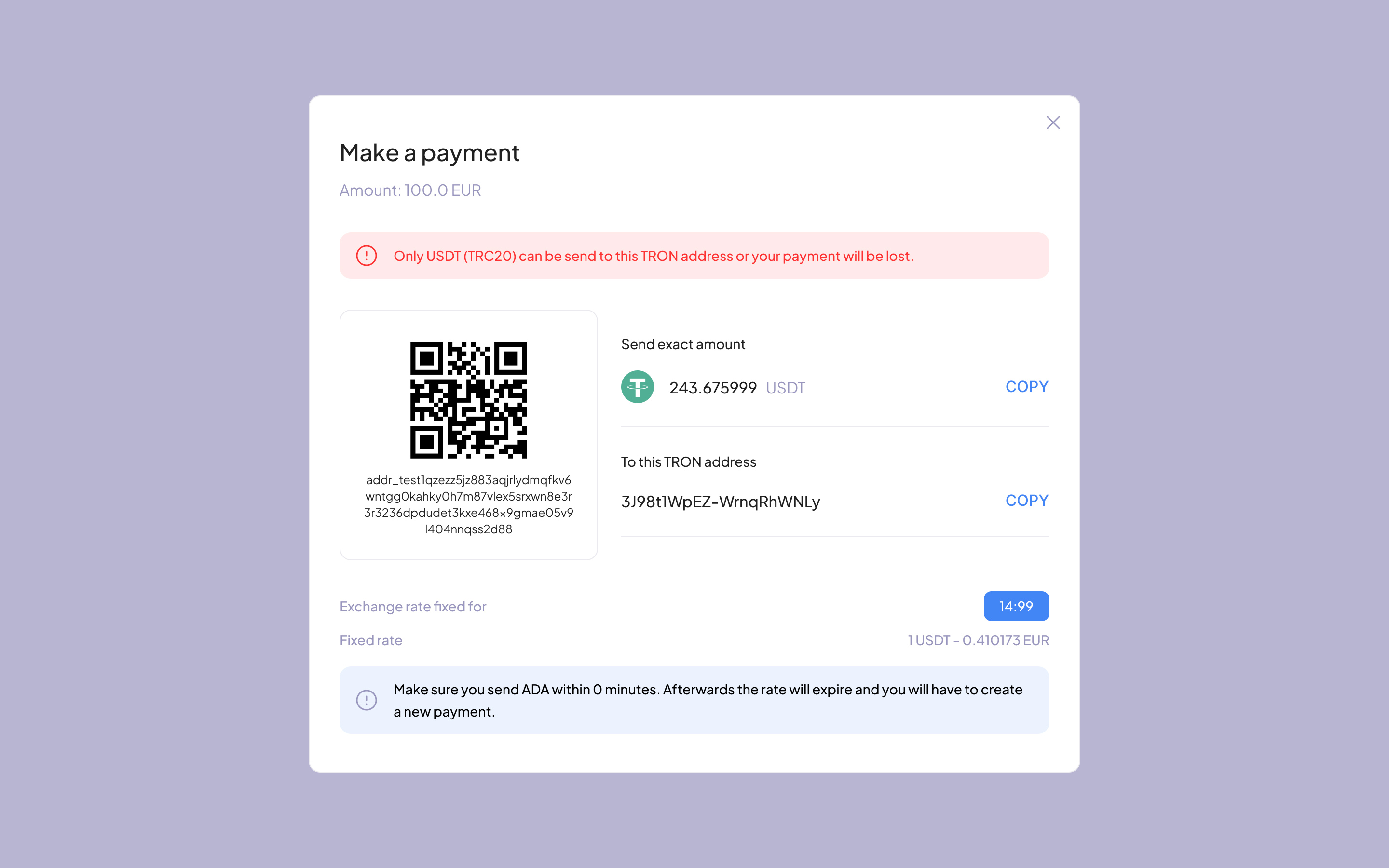
If you're stepping into crypto payments, understanding the basics of crypto payment gateway development is the best place to start. A crypto payment gateway is a secure digital platform that allows businesses to accept cryptocurrency payments seamlessly. Think of it as a bridge between your customer’s crypto wallet and your business—responsible for processing transactions, verifying payments, and keeping everything secure.Here’s the simple version: when a customer pays with crypto, the gateway receives the transaction details, interacts with the blockchain to validate the payment, and once everything is confirmed, it notifies the merchant. Unlike traditional gateways such as Stripe or PayPal that depend on banks and card networks, crypto gateways remove the middleman entirely—resulting in faster, cheaper, and more global-friendly payments.
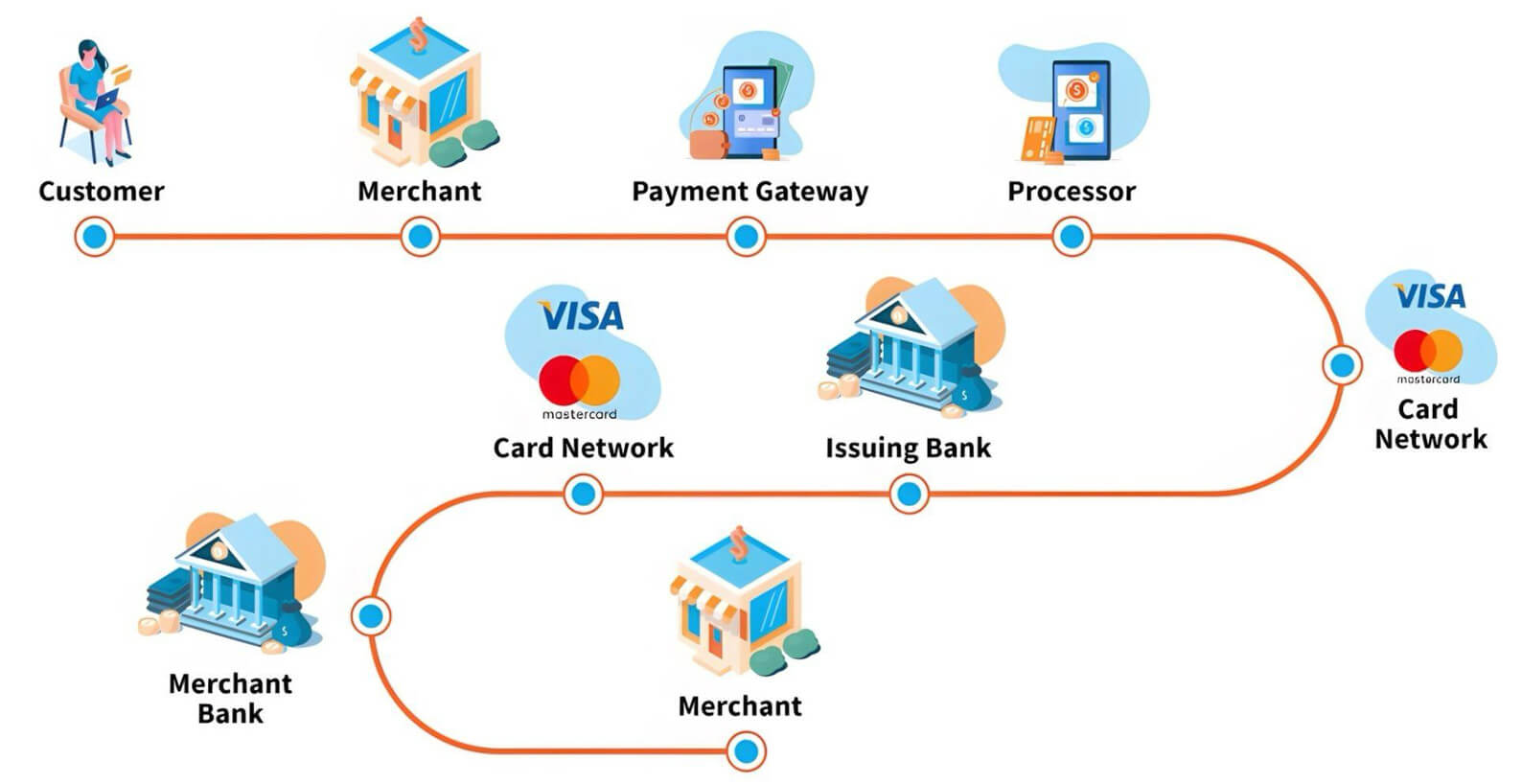
So why is adoption exploding in the U.S.?
Because more consumers and businesses want payment methods that are fast, transparent, and cost-efficient. As blockchain technology matures, crypto payment gateways offer a modern alternative with lower fees, strong security, and a growing user base interested in paying with digital assets.
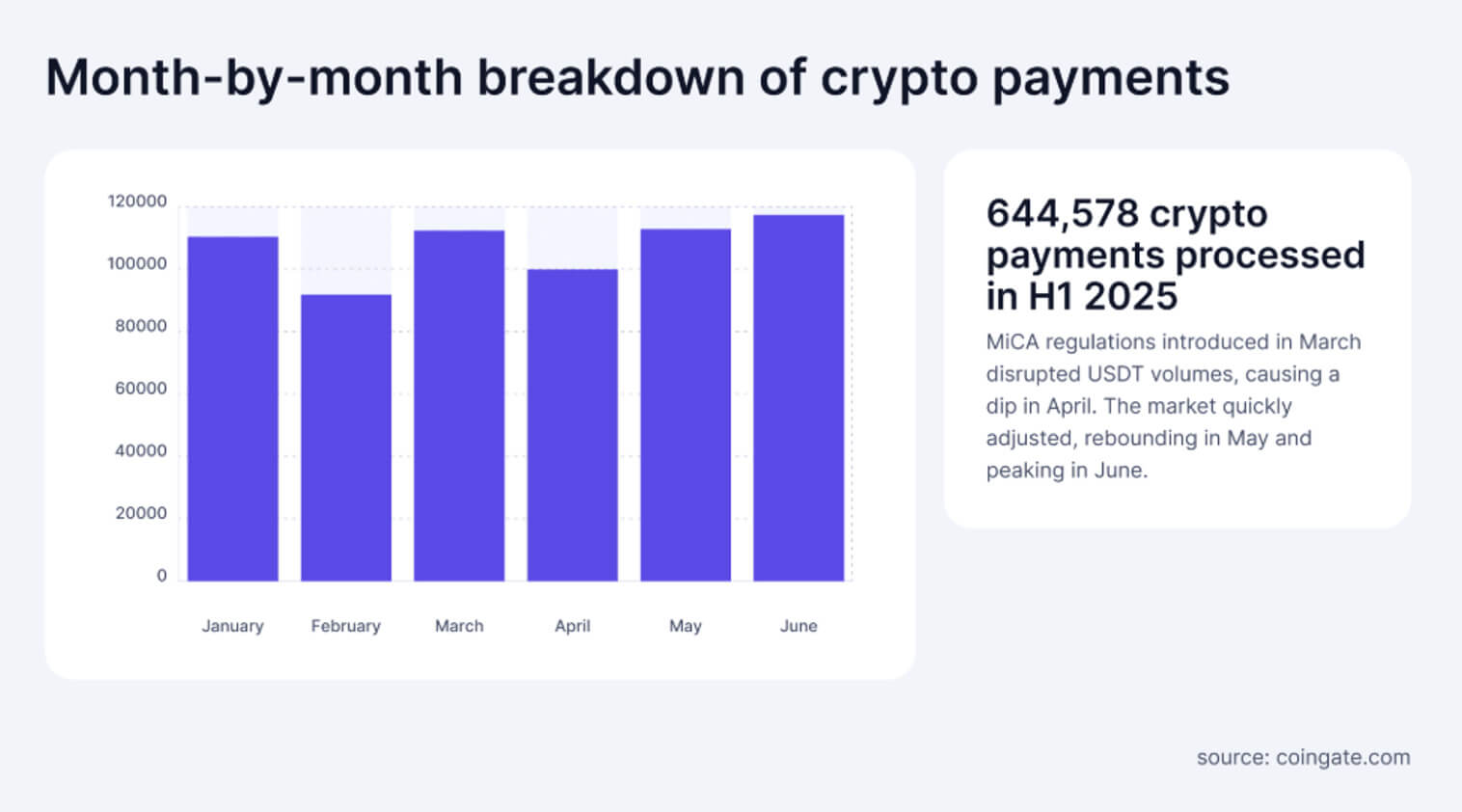
At Merehead, we’ve built complex blockchain financial platforms—multi-chain exchanges, tokenized asset systems, real-time trading platforms—and we’ve seen firsthand how crucial security, stability, and well-planned architecture are when you handle real money.
Crypto payment gateways simplify how businesses accept cryptocurrency by creating a secure bridge between the user’s wallet and the merchant. They eliminate traditional intermediaries like banks, reducing fees and speeding up settlements. For U.S. companies, gateways offer global reach, lower operating costs, and a modern payment experience customers increasingly expect.
Market Overview: Why Crypto Payment Gateways Are Growing Fast
For merchants, crypto payment gateways simplify blockchain transactions while reducing fraud risk and eliminating chargebacks. Adding a gateway gives businesses access to new customers—locally and globally—who prefer using cryptocurrency for everyday transactions.Today, Europe and North America lead the world in crypto transaction volume, according to Chainalysis. Between July 2024 and June 2026, roughly $2.3 trillion in crypto flowed into North America, highlighting the region’s strong institutional demand and retail adoption.
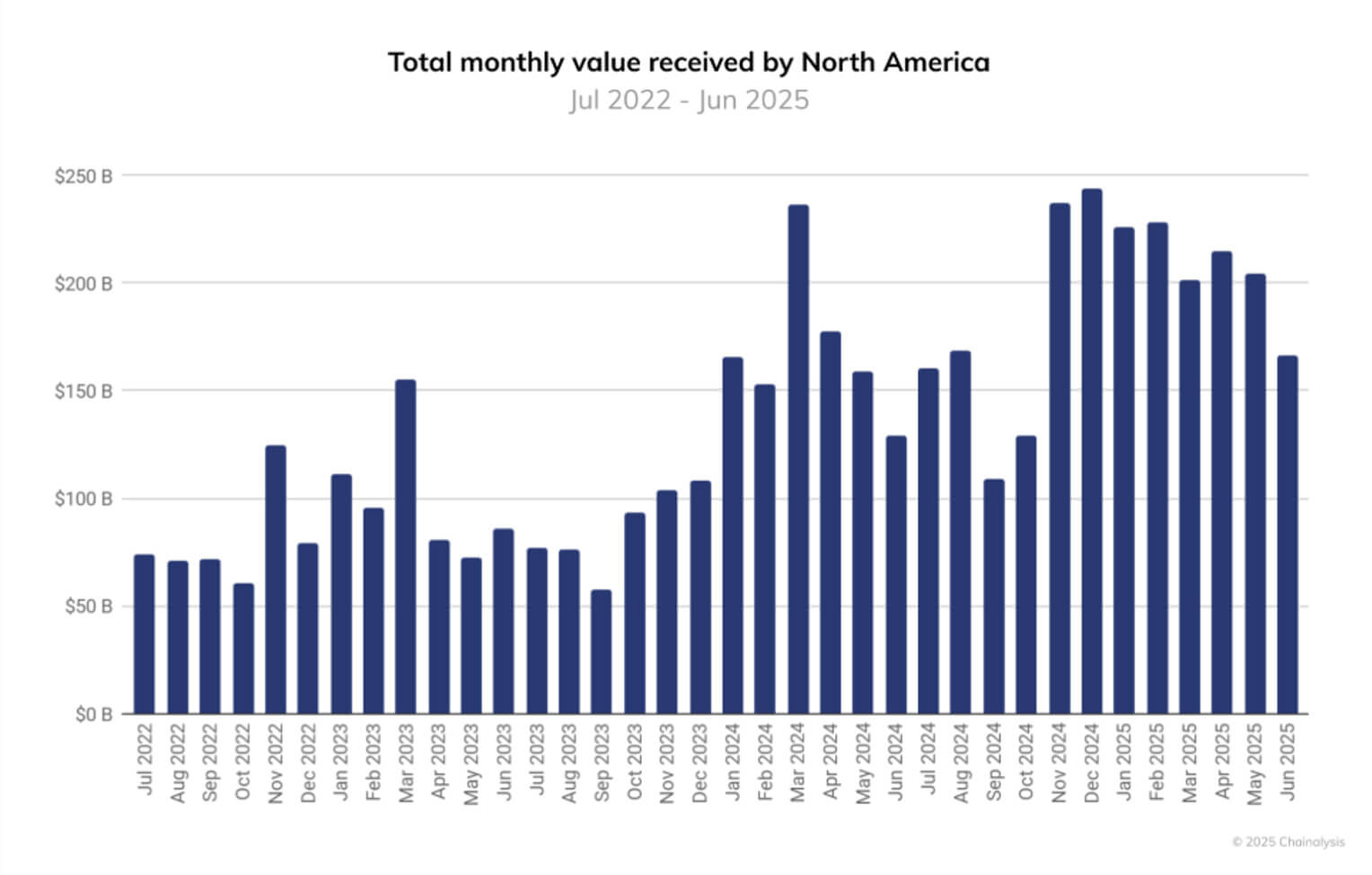
Europe saw even stronger growth, reaching $2.6 trillion, a 42% year-over-year increase. Other regions are catching up too—Latin America grew 63%, while MENA expanded by about 33%.

Research from DemandsAge shows that around 10% of the global population now owns and actively uses cryptocurrency. That’s a massive consumer base ready for crypto payments right now.
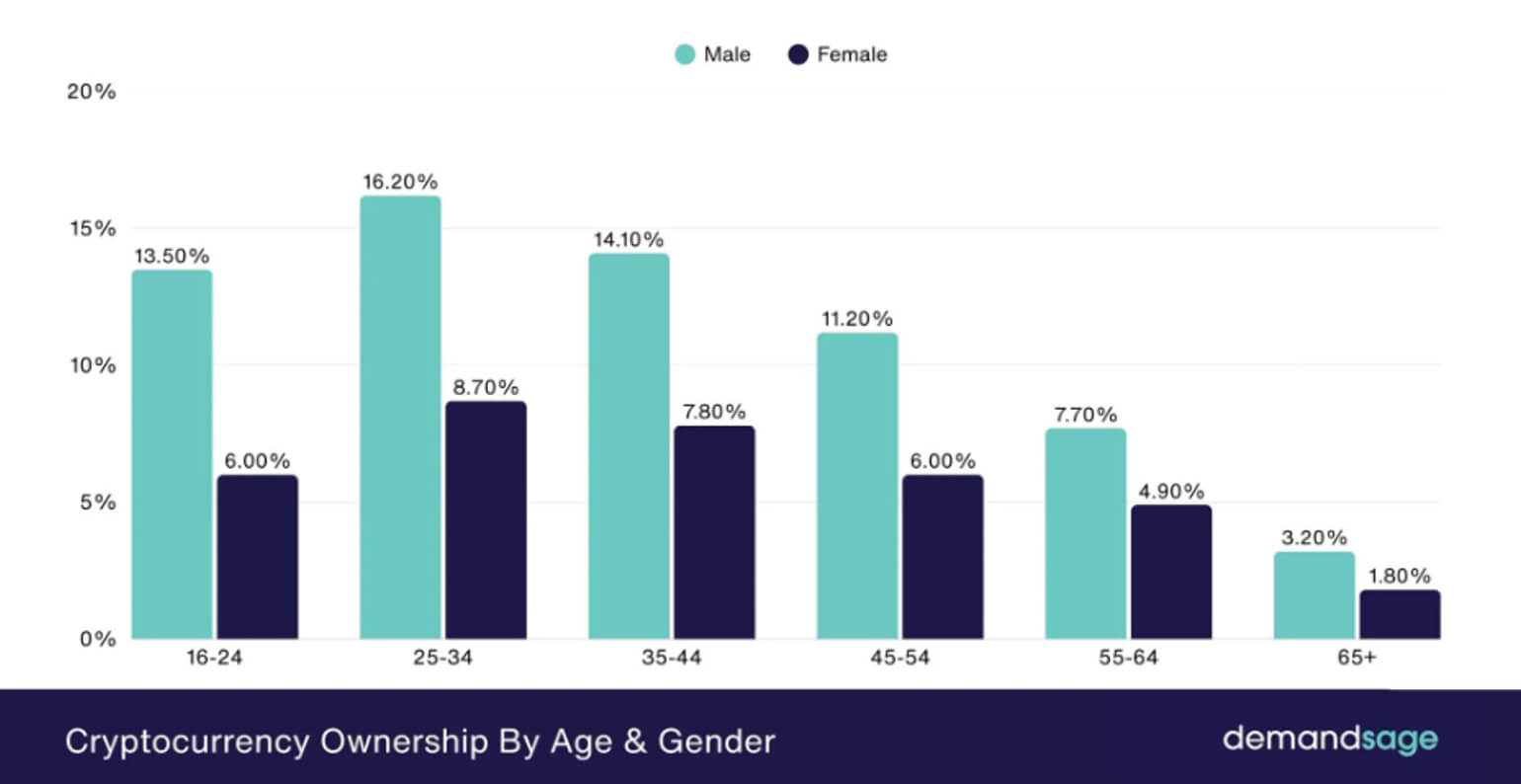
More merchants than ever are accepting digital currency, major payment providers are launching crypto-to-fiat conversion tools, and crypto payment apps continue to gain users every month.
Crypto payments continue expanding across the U.S. and Europe, driven by institutional activity, stablecoin adoption, and consumer demand for faster, cheaper transactions. With over 10% of the world’s population using crypto, merchants gain access to a rapidly growing customer base. This market momentum makes gateway adoption a strategic advantage for online businesses.
Types of Crypto Payment Gateways
Crypto payment gateways differ in how they store funds, process payments, and handle infrastructure. Here’s the breakdown:Custodial vs. Non-Custodial
- Custodial: The gateway manages users’ private keys. Easier for customers, but requires strong security.
- Non-custodial: Users control their own keys. More secure and private, but slightly more technical.
Self-Hosted vs. Cloud-Hosted
- Self-hosted: Full control, fully customizable—but requires in-house expertise and maintenance.
- Cloud-hosted: Managed by a provider, easy to scale, includes built-in security.
On-Chain vs. Off-Chain Processing
- On-chain: Payments processed directly on the blockchain. Transparent but slower and sometimes more expensive.
- Off-chain: Faster and cheaper, ideal for high-volume transactions, but requires a trusted system.
Centralized vs. Decentralized Models
- Centralized: A single authority manages compliance, processing, and settlements.
- Decentralized: Uses smart contracts for peer-to-peer payments with no intermediaries.
| Parameter | Centralized Model | Decentralized Model |
|---|---|---|
| Control | Single provider manages operations | Smart contracts manage logic |
| Transaction speed | High | Network-dependent |
| Regulatory compliance | Easy to implement KYC/AML | More complex, especially in the U.S. |
| Operational control | Full control over flows | Minimal control |
| Risks | Single point of failure | Smart contract vulnerabilities |
| Best for | Traditional businesses, fintech, banks | Web3 apps, DApps, P2P systems |
In previous Merehead projects, such as a centralized crypto exchange with its own governance token (BNIX), we built both custodial and non-custodial wallet systems—giving clients flexibility depending on their business model. The same architectural logic applies to payment gateways.
Different gateway models—custodial, non-custodial, self-hosted, cloud-hosted, on-chain, off-chain, centralized, or decentralized—serve different business needs. The right choice depends on your infrastructure, compliance requirements, and customer preferences. A well-chosen model helps balance security, scalability, and ease of integration.

Core Features of a High-Quality Crypto Payment Gateway
A modern crypto payment gateway does a lot more than simply “accept crypto.” It offers a full financial workflow designed for reliability, security, and scalability.Supported Cryptocurrencies
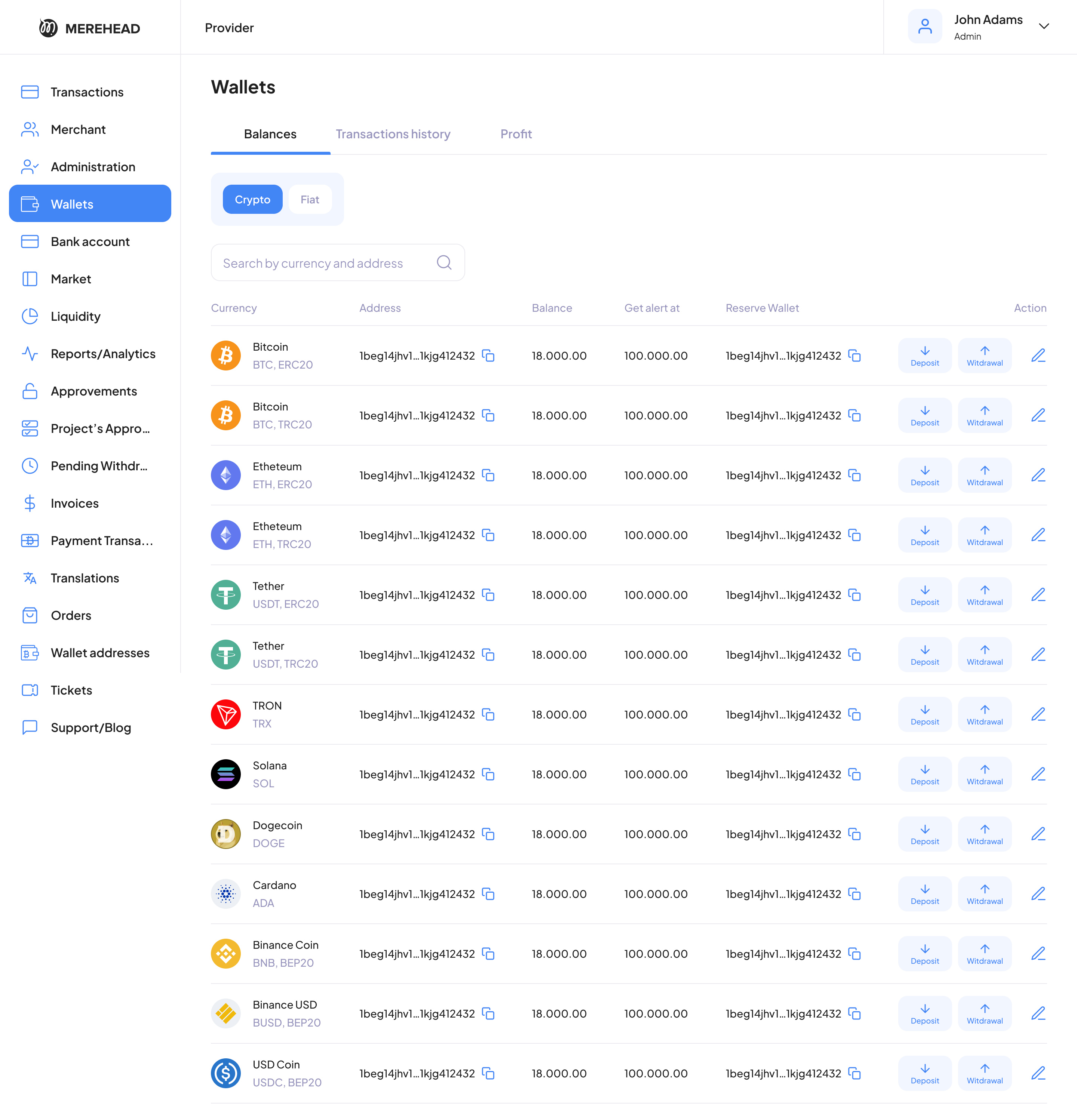
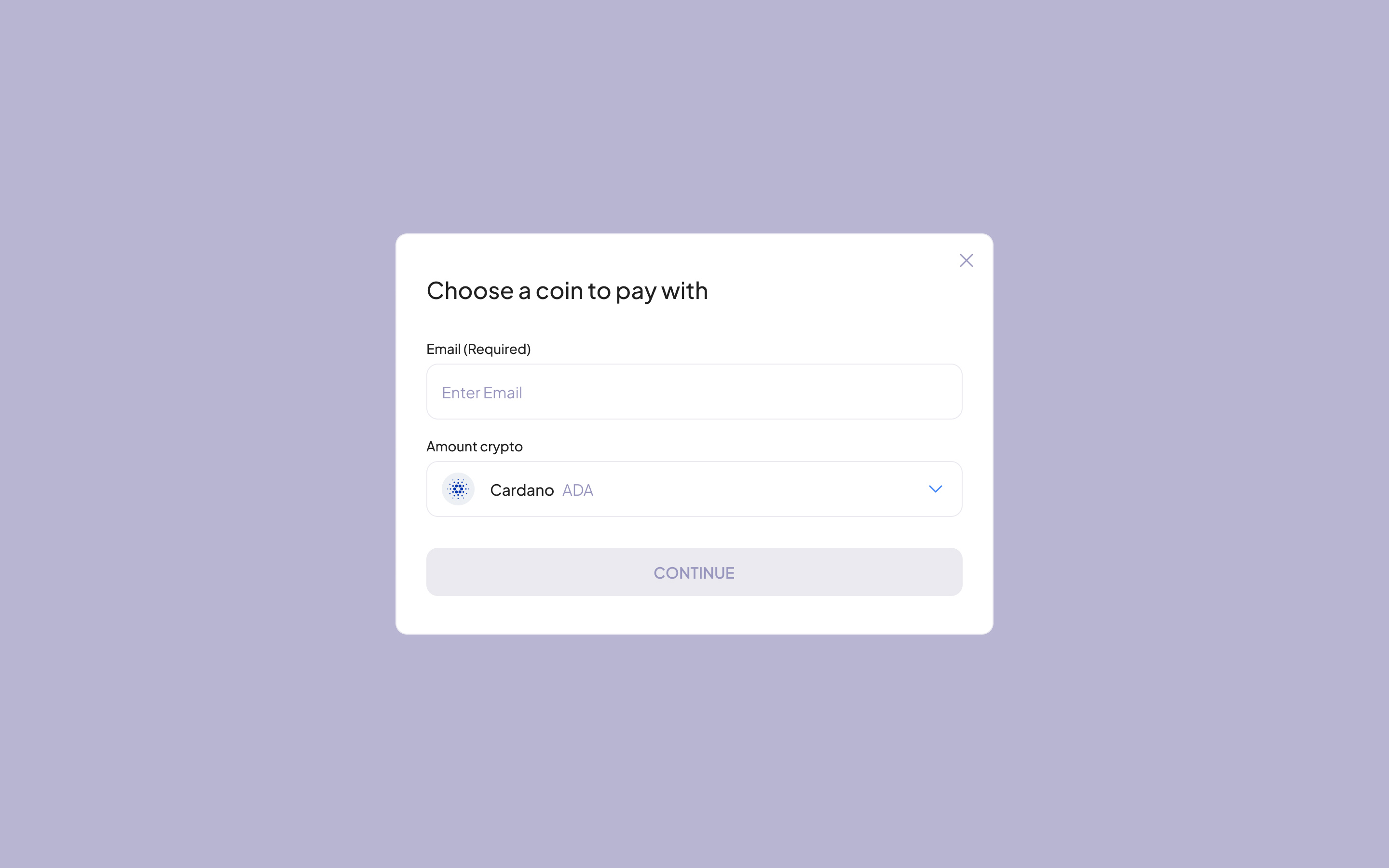
Most gateways support major assets like BTC and ETH, plus stablecoins such as USDT and USDC. U.S. companies often prefer stablecoins because they simplify accounting and avoid price swings.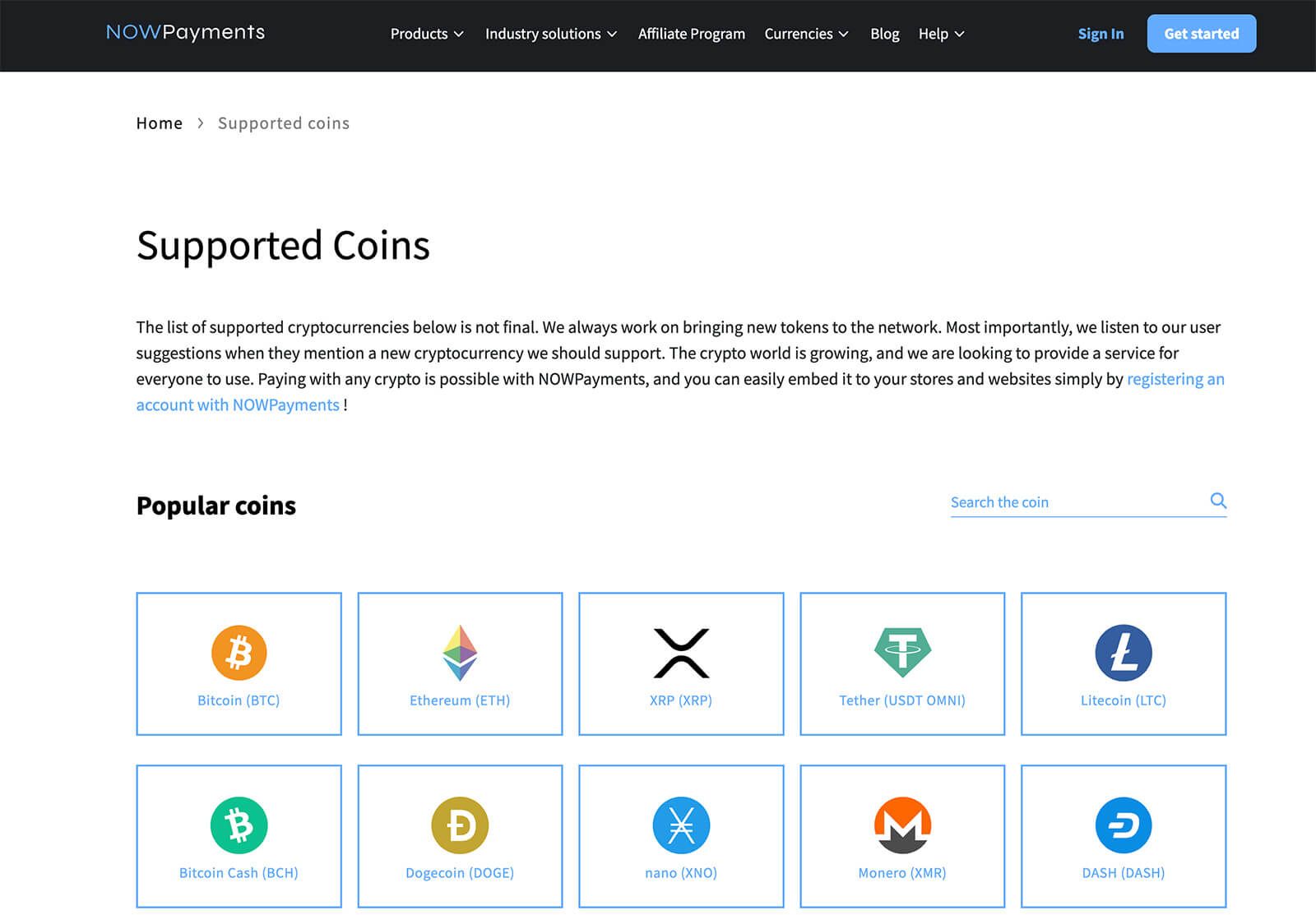
Payment Processing Flow
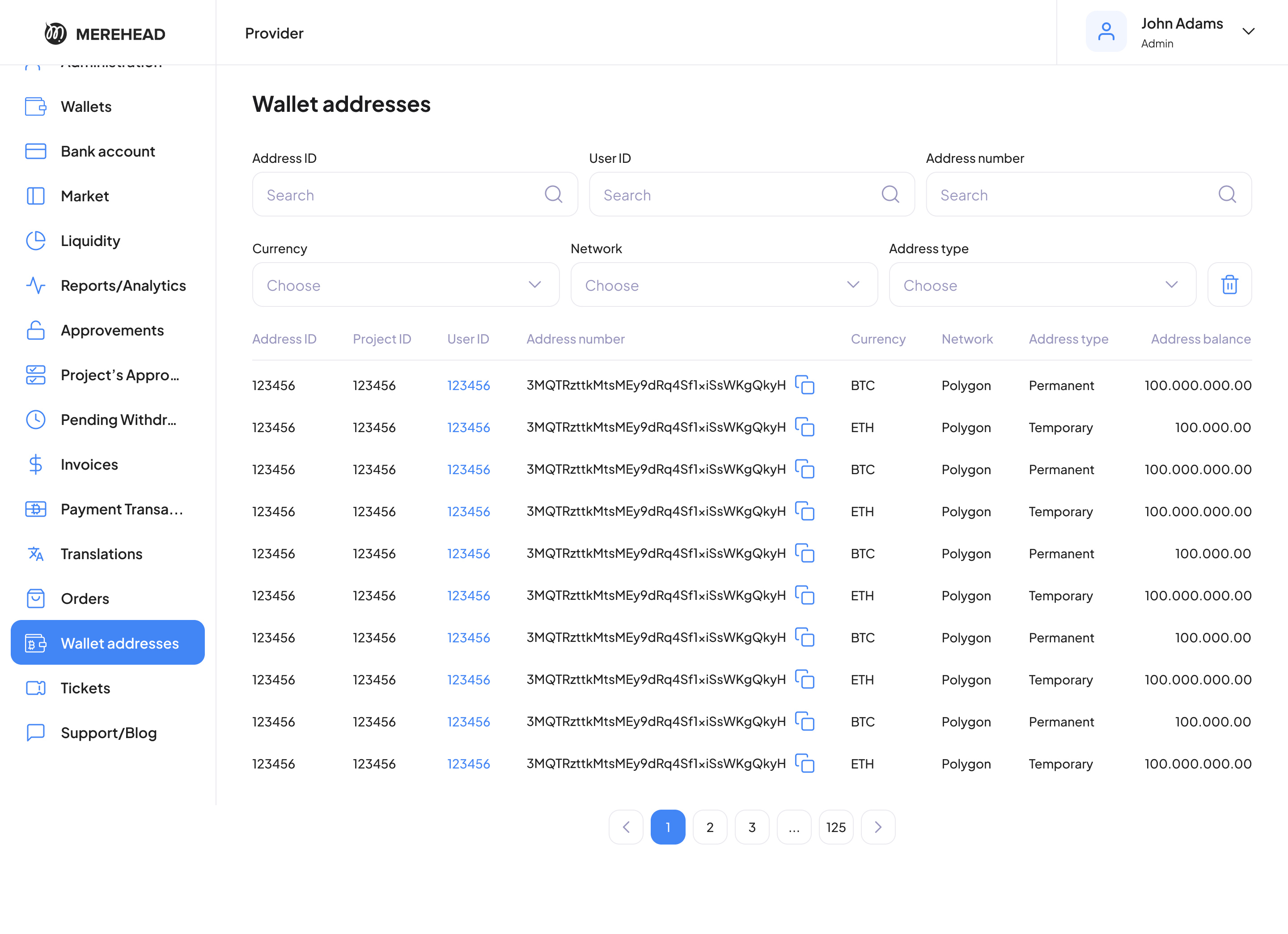
- Wallet Address Generation
Unique addresses for each payment improve privacy and traceability. - Invoice Creation
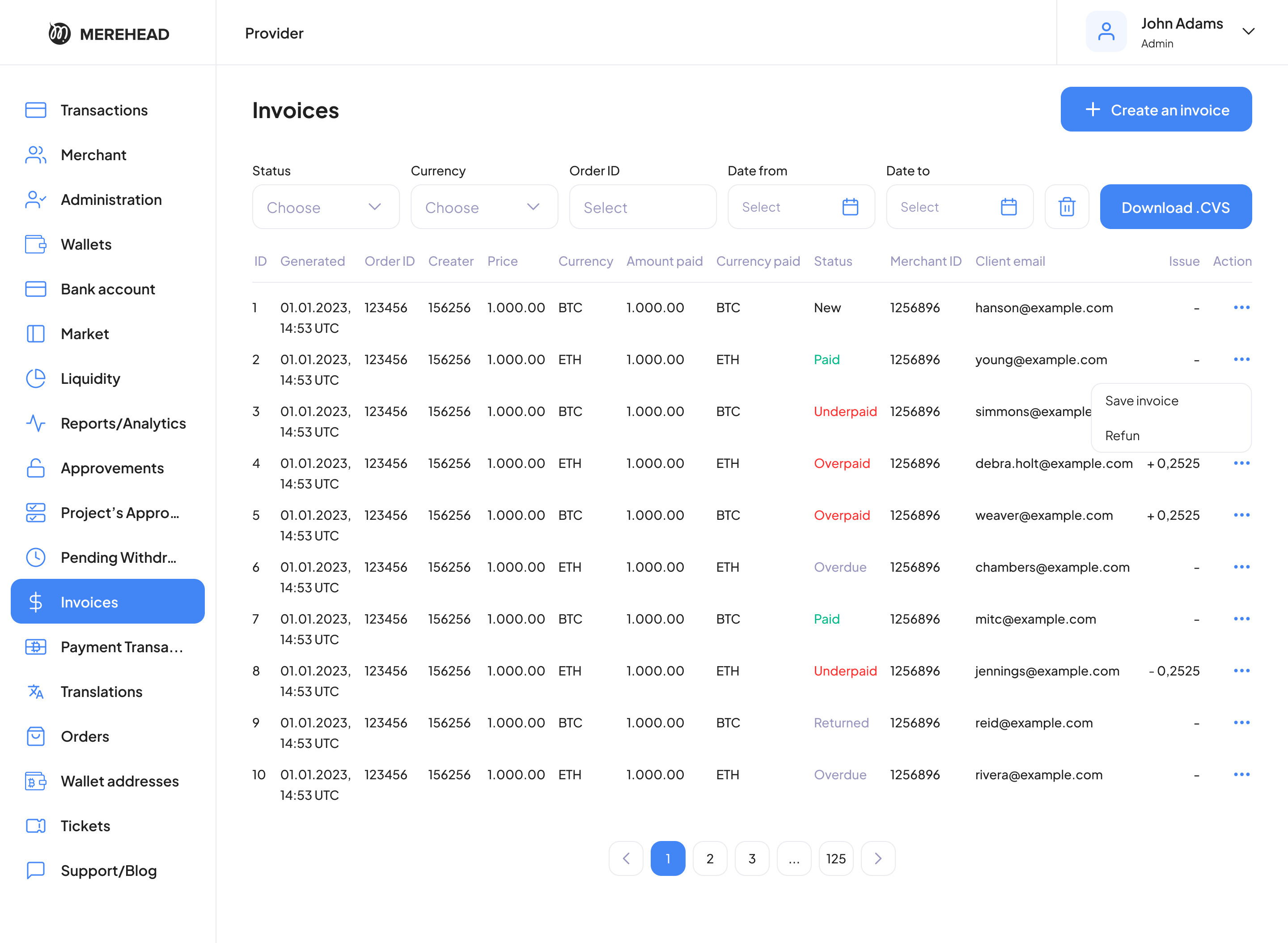
The gateway calculates the crypto equivalent of the fiat price and sets expiration and confirmation rules. - Transaction Monitoring
The system tracks the payment on the blockchain in real time. - Confirmations & Settlement
Once confirmed, funds are settled according to merchant preferences.
Security Features
Based on our experience building financial platforms, the most important security components are:- Multi-signature wallets
- Cold/hot wallet separation
- AES-256 encryption
- 2FA and IP whitelisting
- Real-time fraud detection
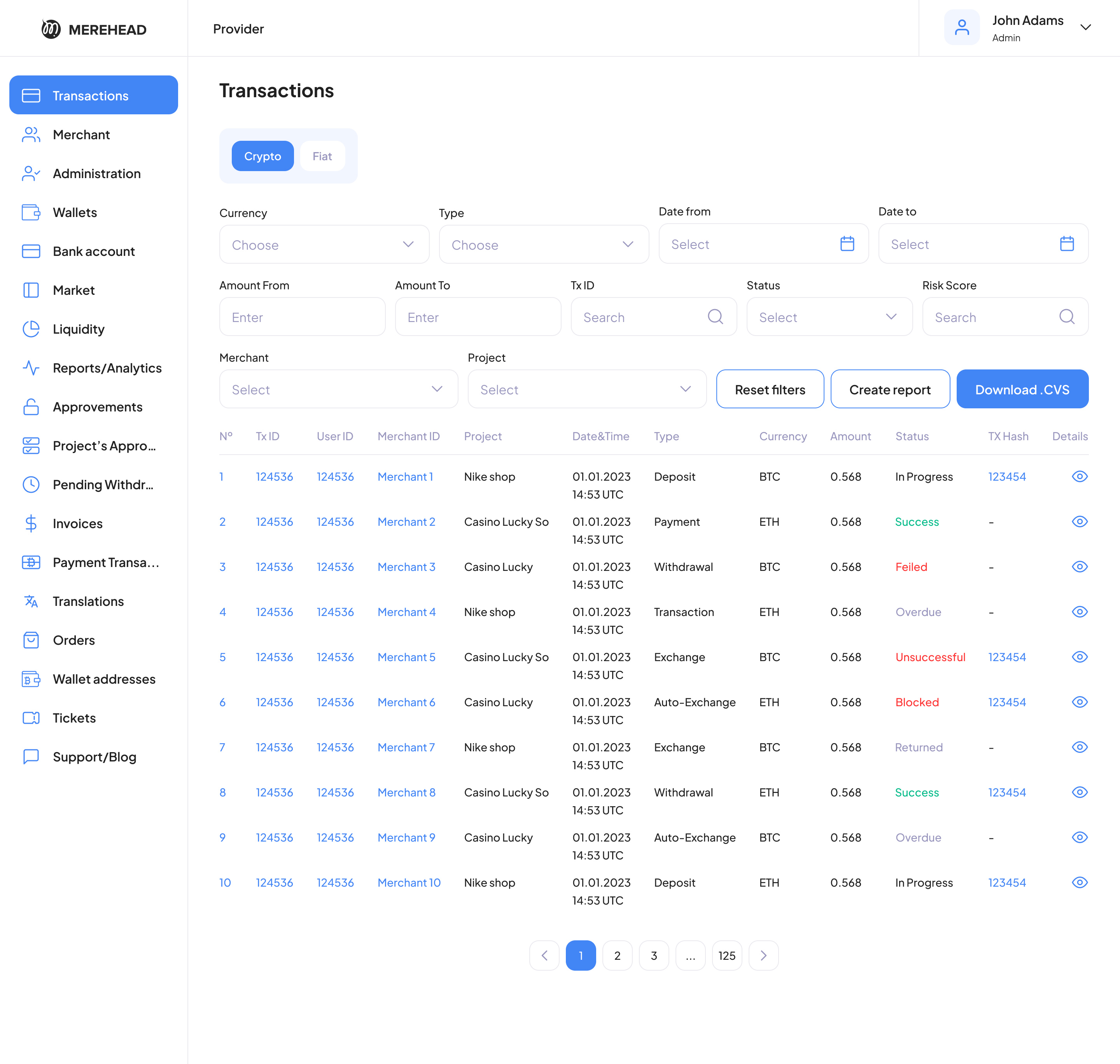
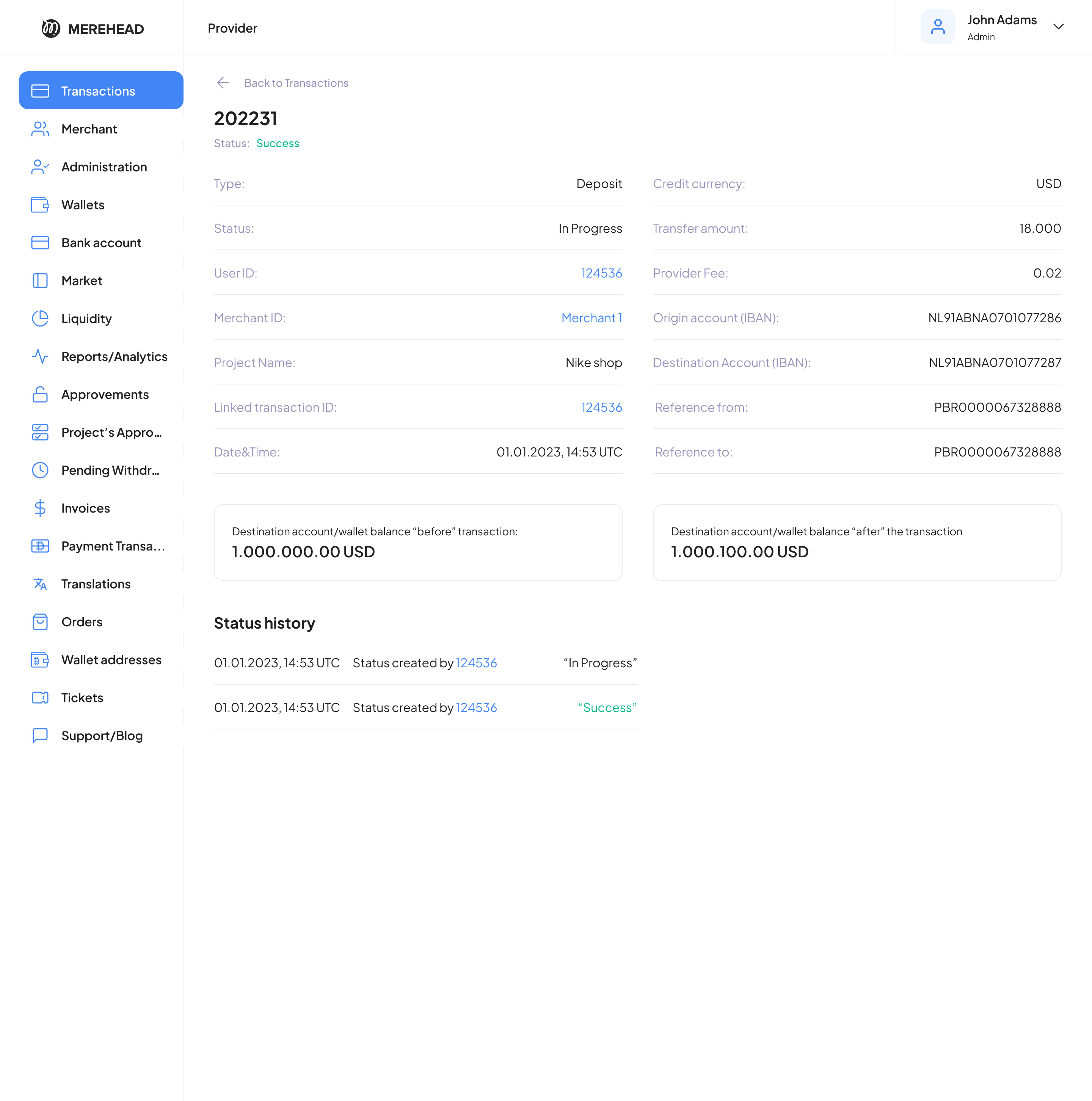
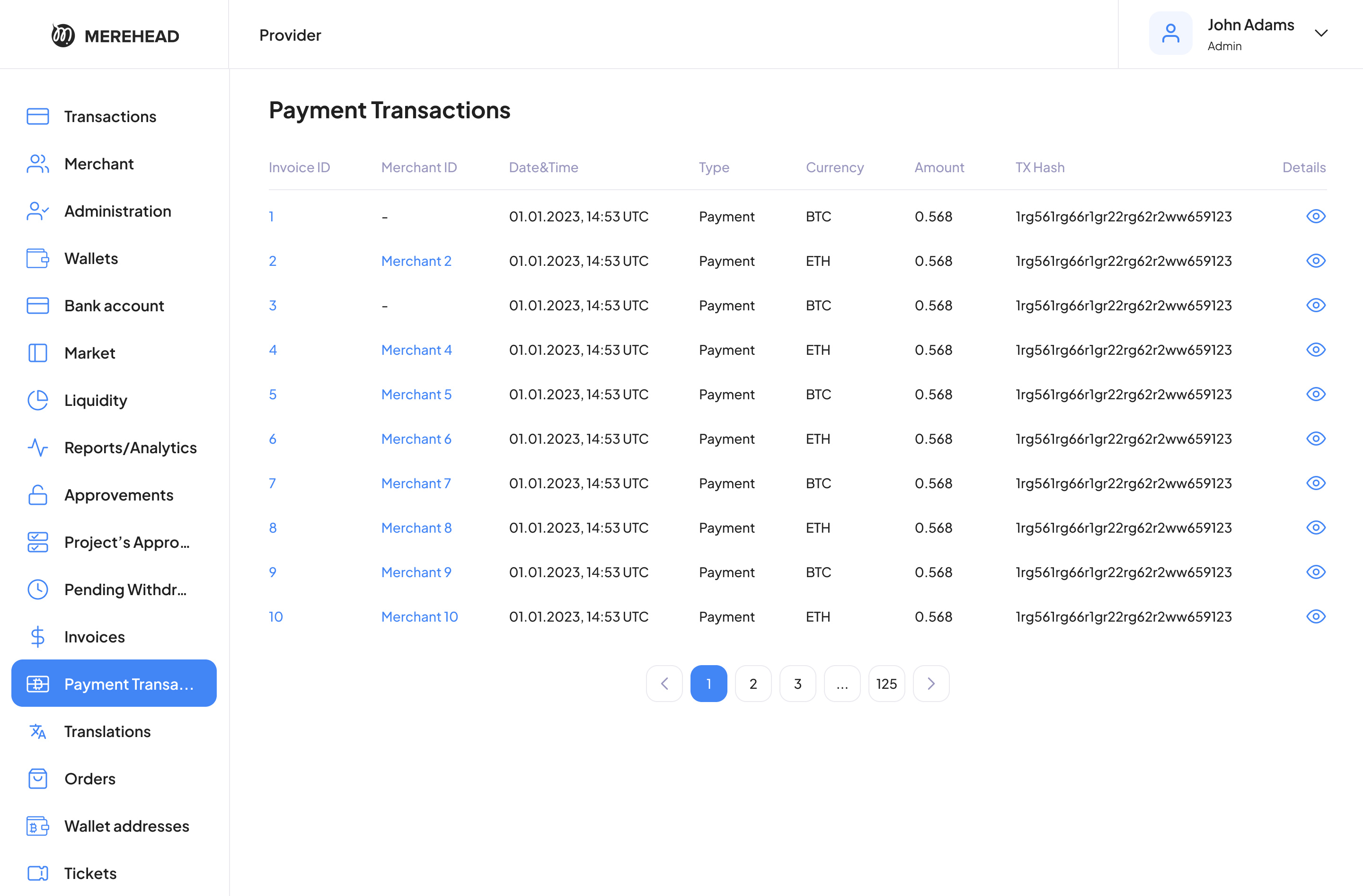
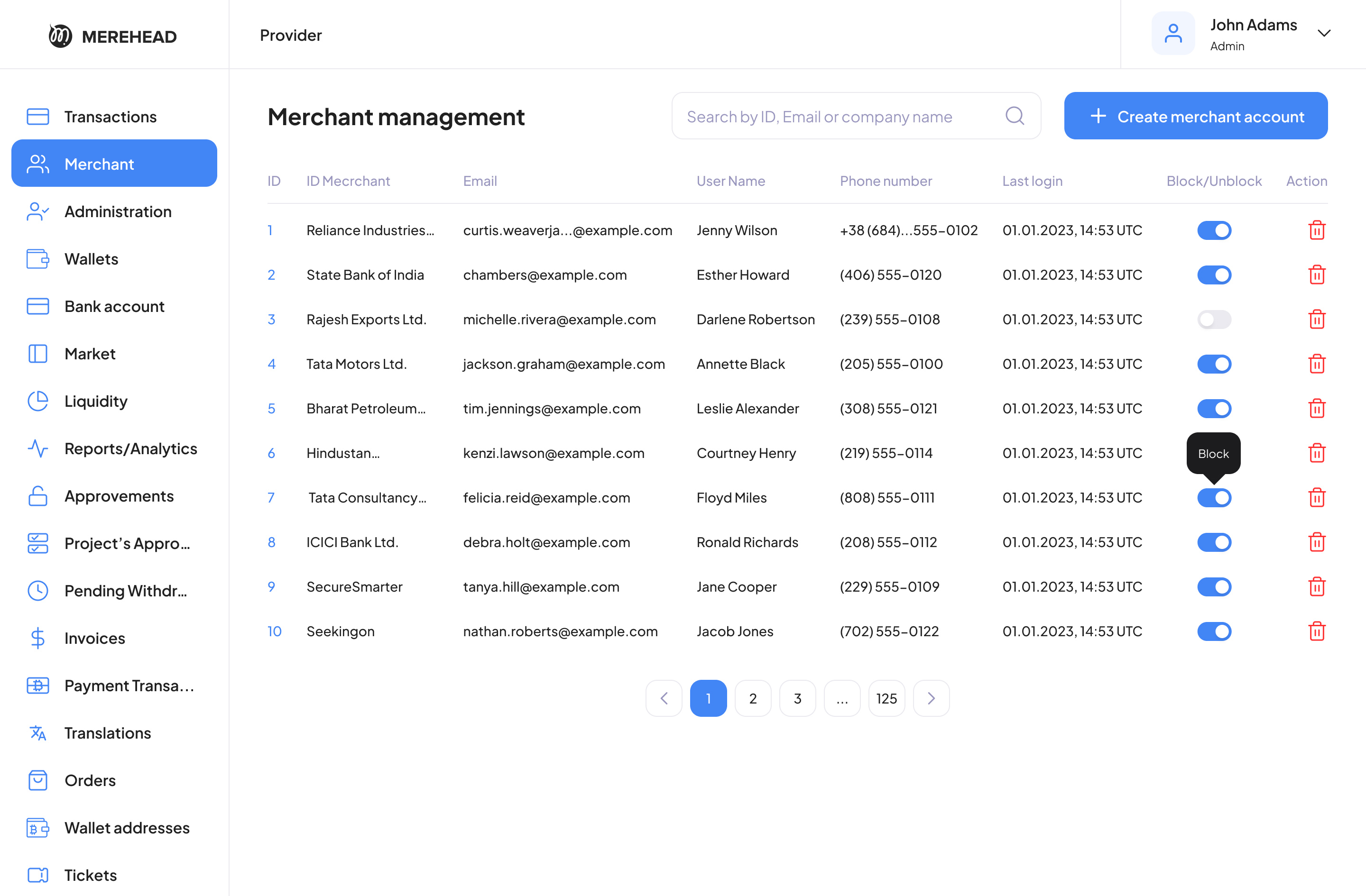
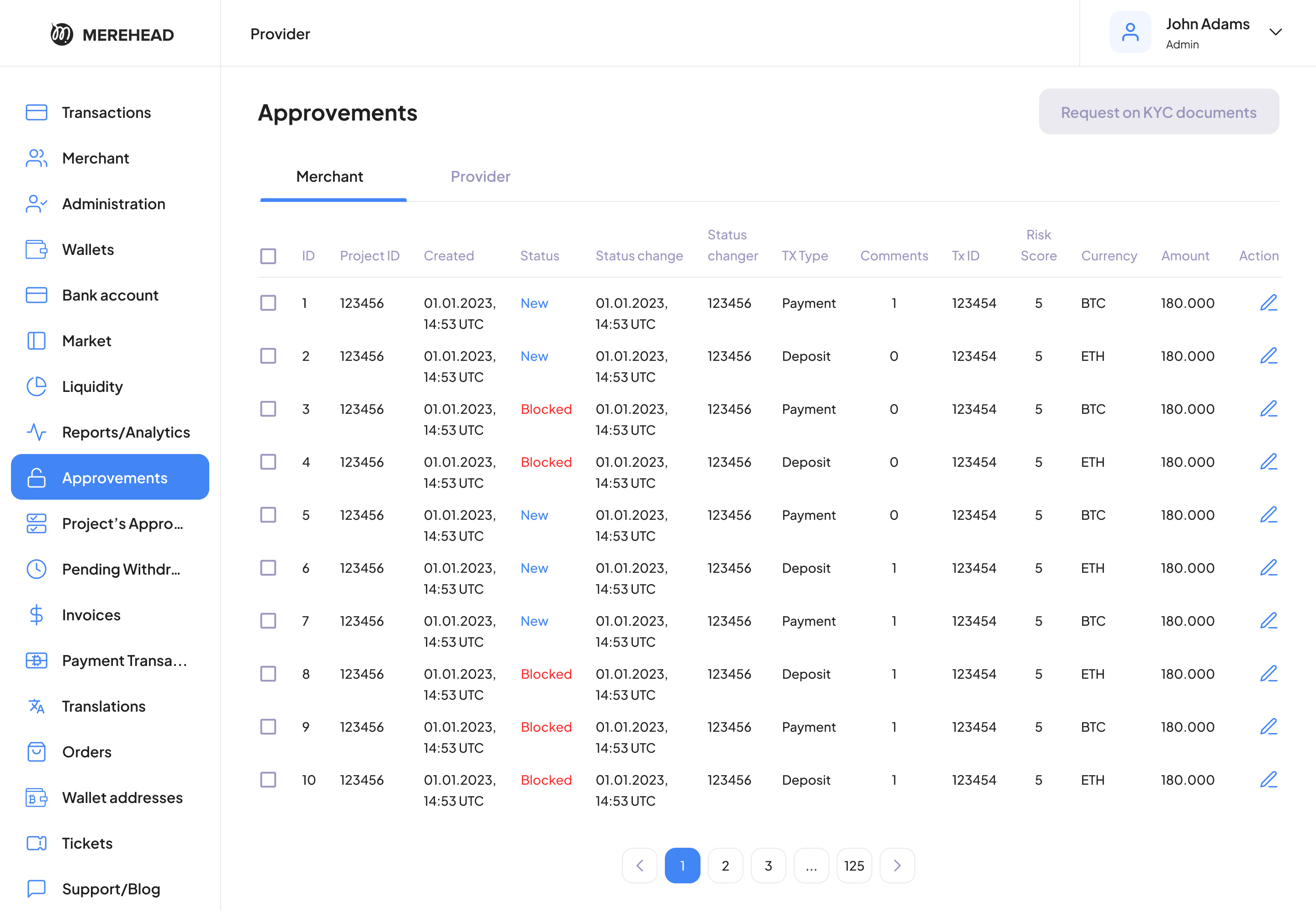
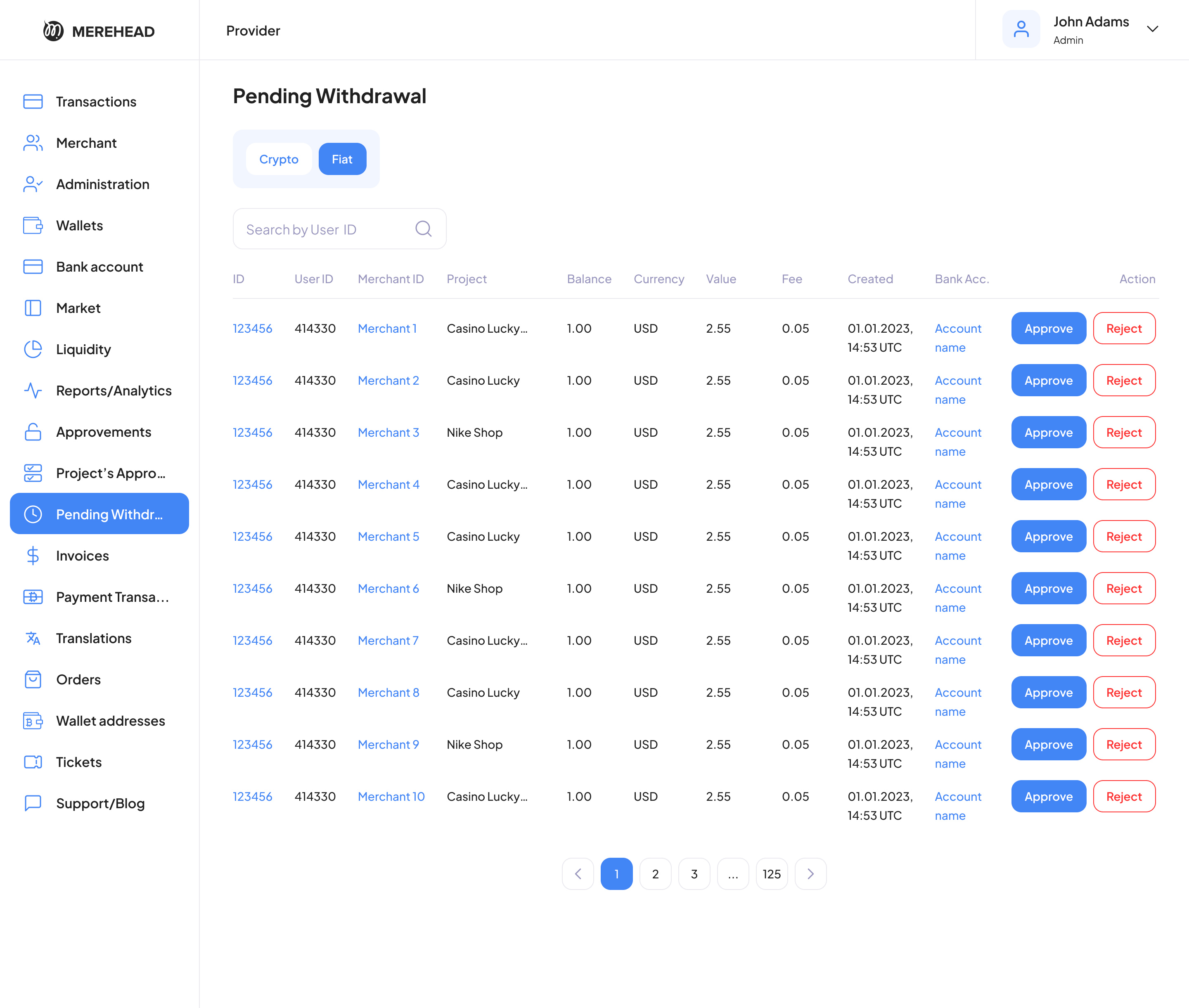
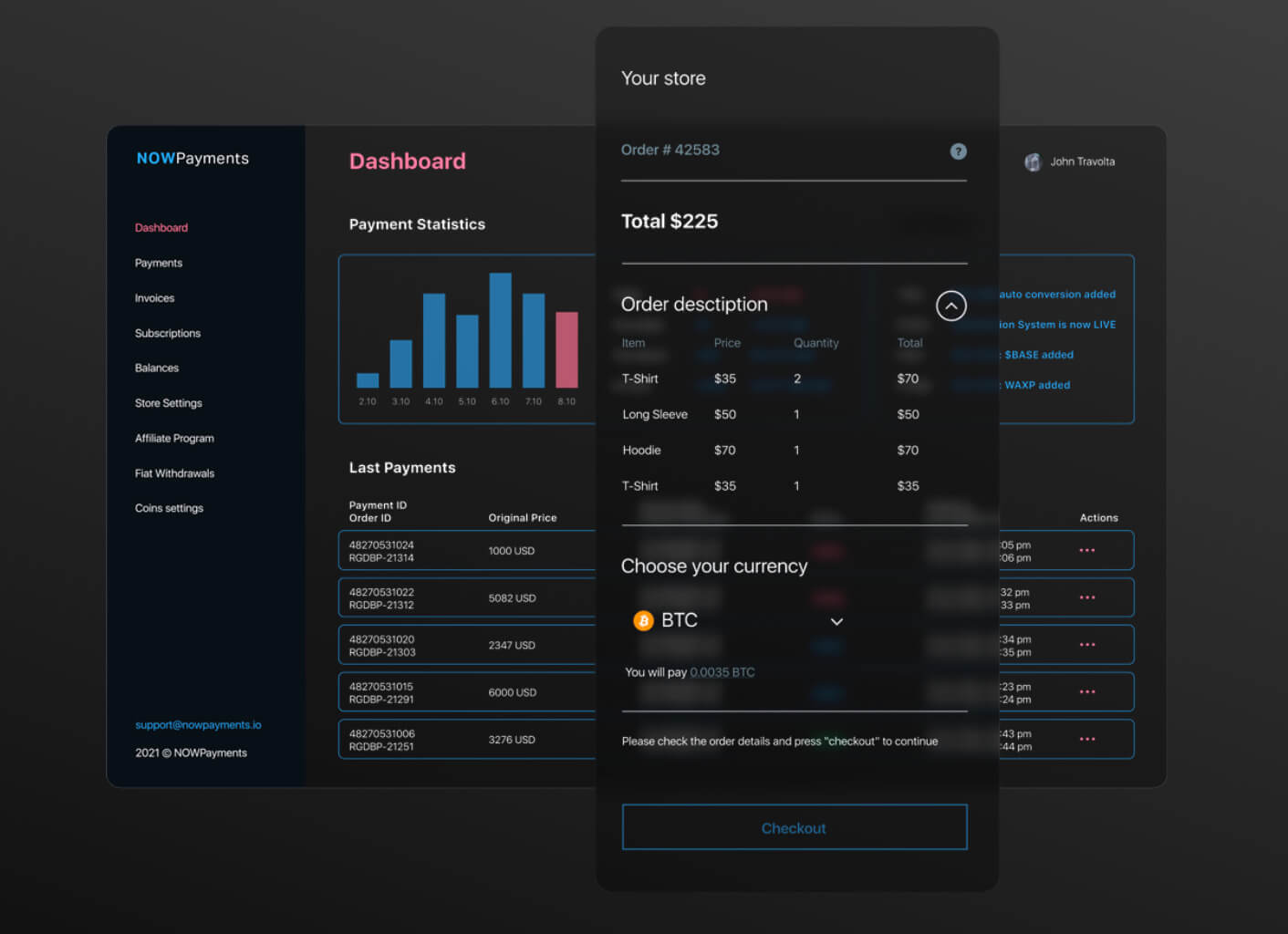
Merchant Dashboard
A professional dashboard includes:- Real-time analytics
- Full transaction history
- Refund tools
- Settlement configuration
- Exportable reports
API & SDK Integration
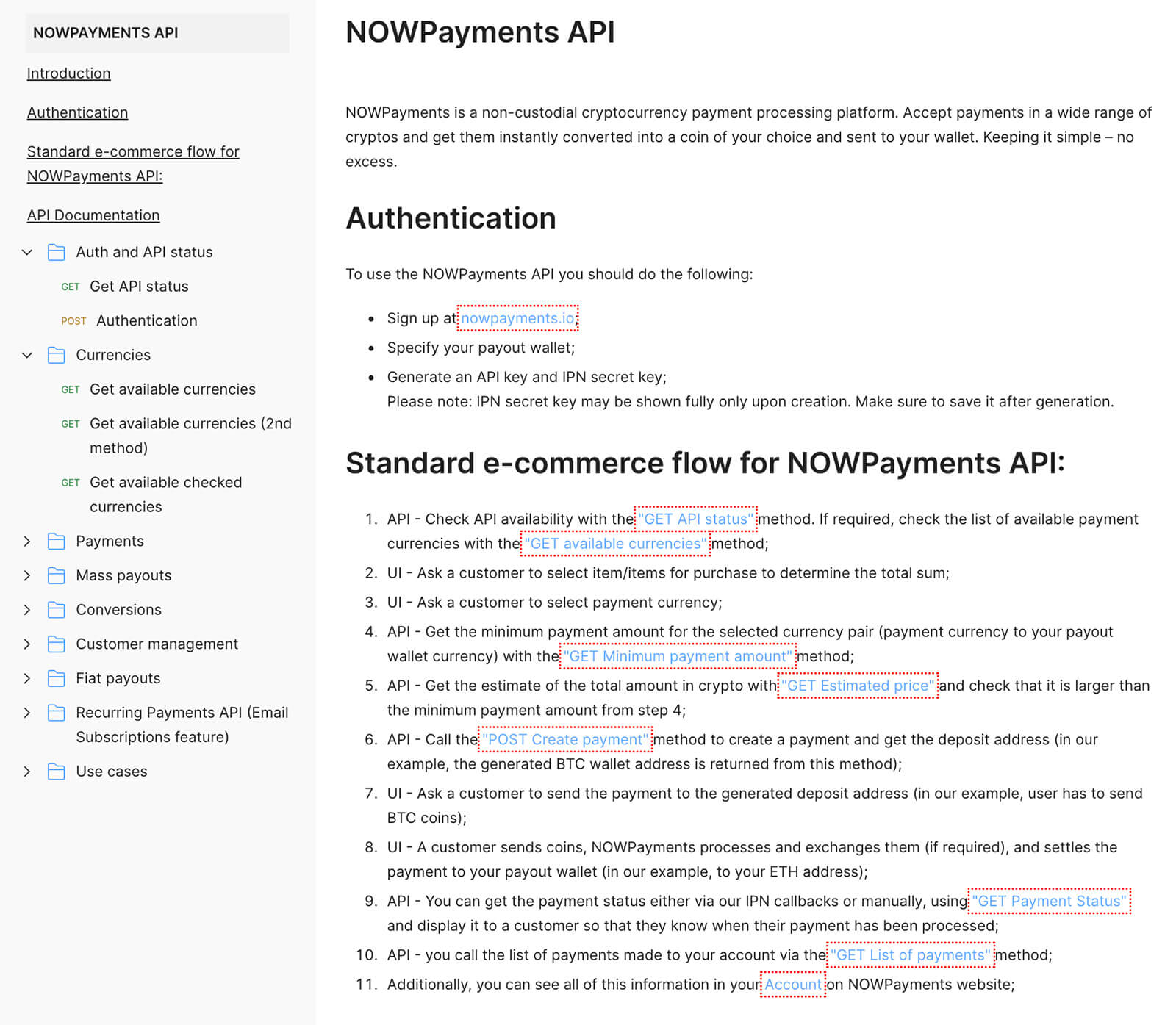
A gateway should provide:- REST APIs
- Webhooks
- Plugins for Shopify, WooCommerce, Magento
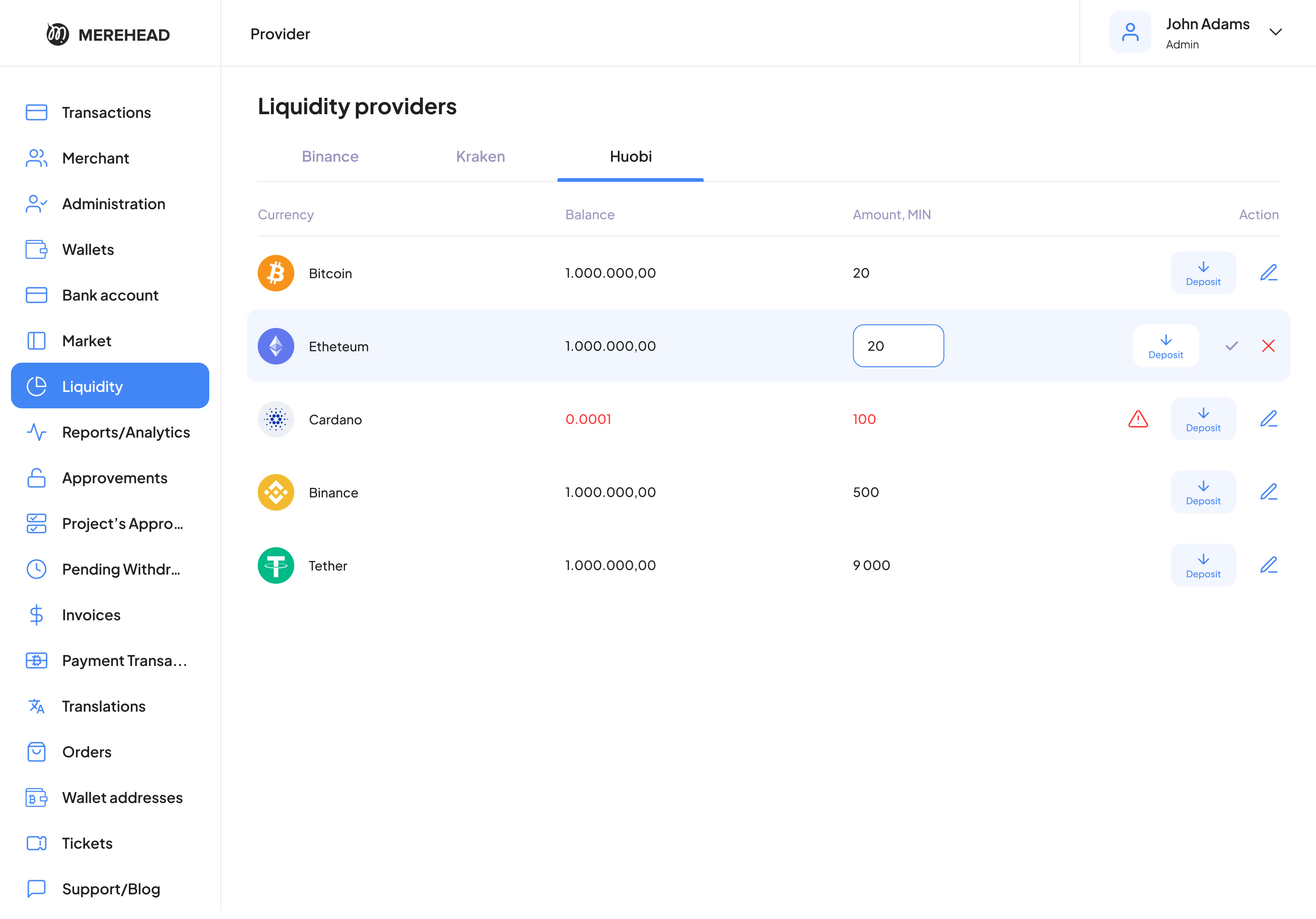
Fiat Conversion
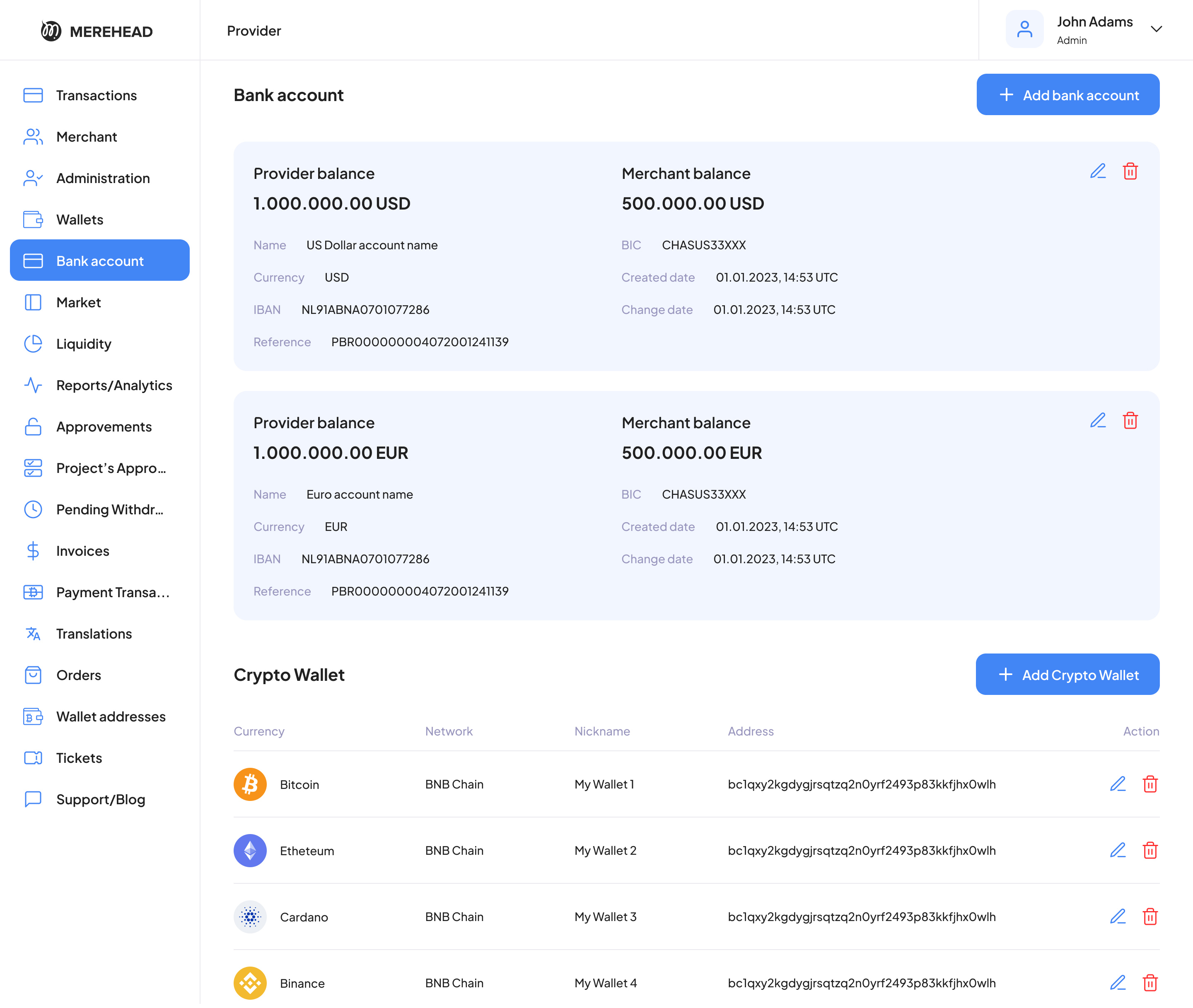
Many U.S.-based merchants want instant conversion to USD, EUR, or stablecoins. In one of our exchange projects, we integrated automated liquidity flows—exactly the functionality merchants expect for minimizing volatility.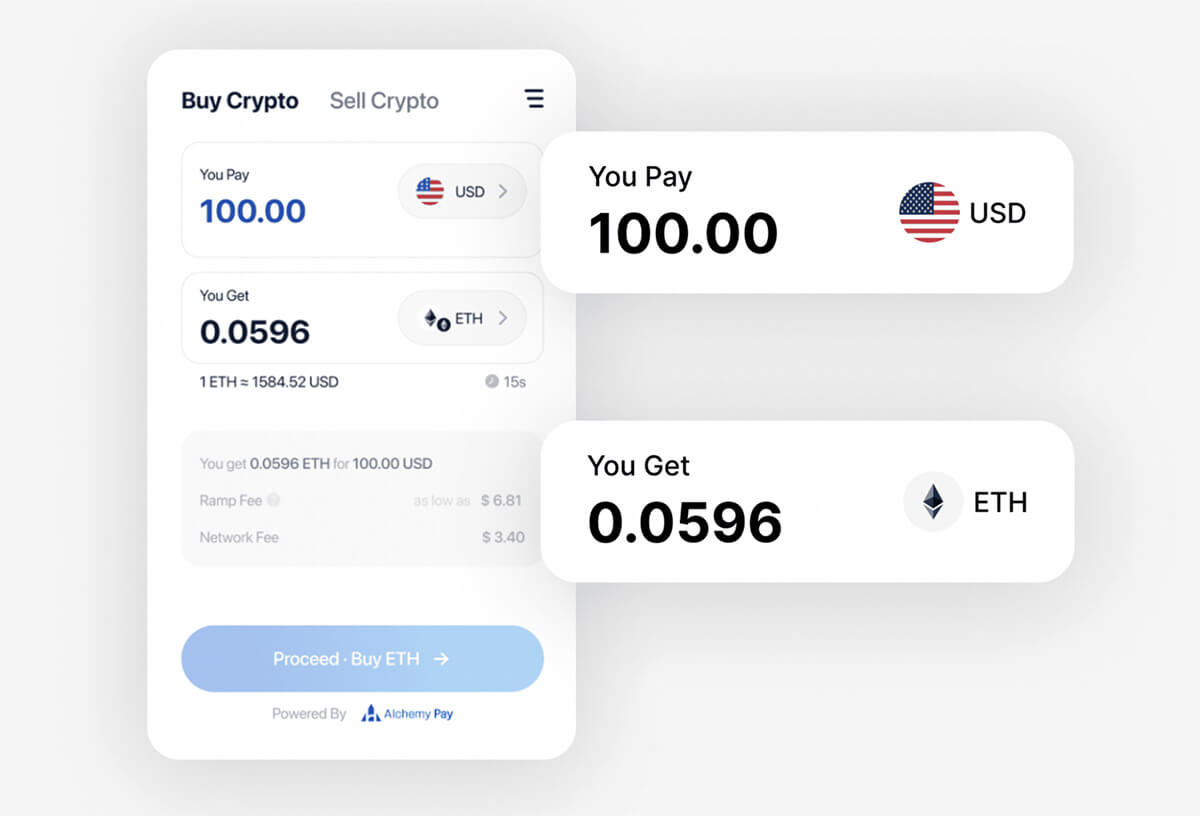
Modern gateways go beyond accepting payments—they offer monitoring tools, APIs, dashboards, security modules, and multi-currency support. These features create a complete financial workflow that improves reliability and transparency. For U.S. merchants, stablecoin support and instant conversion options are especially valuable for reducing volatility.
How a Crypto Payment Gateway Works (Step-by-Step)
- Order Initiation
The buyer selects crypto as the payment method and receives a wallet address or QR code. - Invoice Generation
The gateway generates an on-chain address and calculates the crypto amount.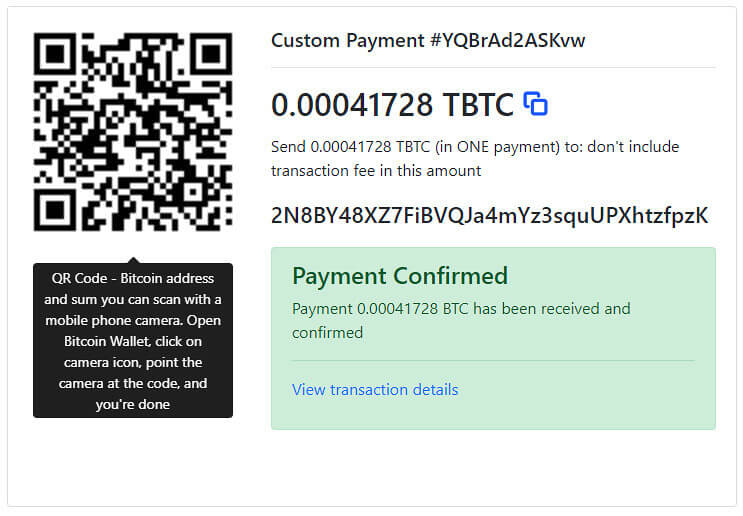
- Customer Authorization
The buyer confirms the transaction through their wallet; the payment is broadcast to the blockchain. - Gateway Verification
The system monitors the mempool and confirms the transaction after reaching the required number of block confirmations. - Settlement & Conversion
Merchants can store crypto, convert it instantly, or settle at the end of the day. - Reporting & Reconciliation
The dashboard provides downloadable receipts and full transaction records. - Dispute Handling
While blockchain transfers are irreversible, gateways still offer refund workflows using custodial reserves or fiat credits.
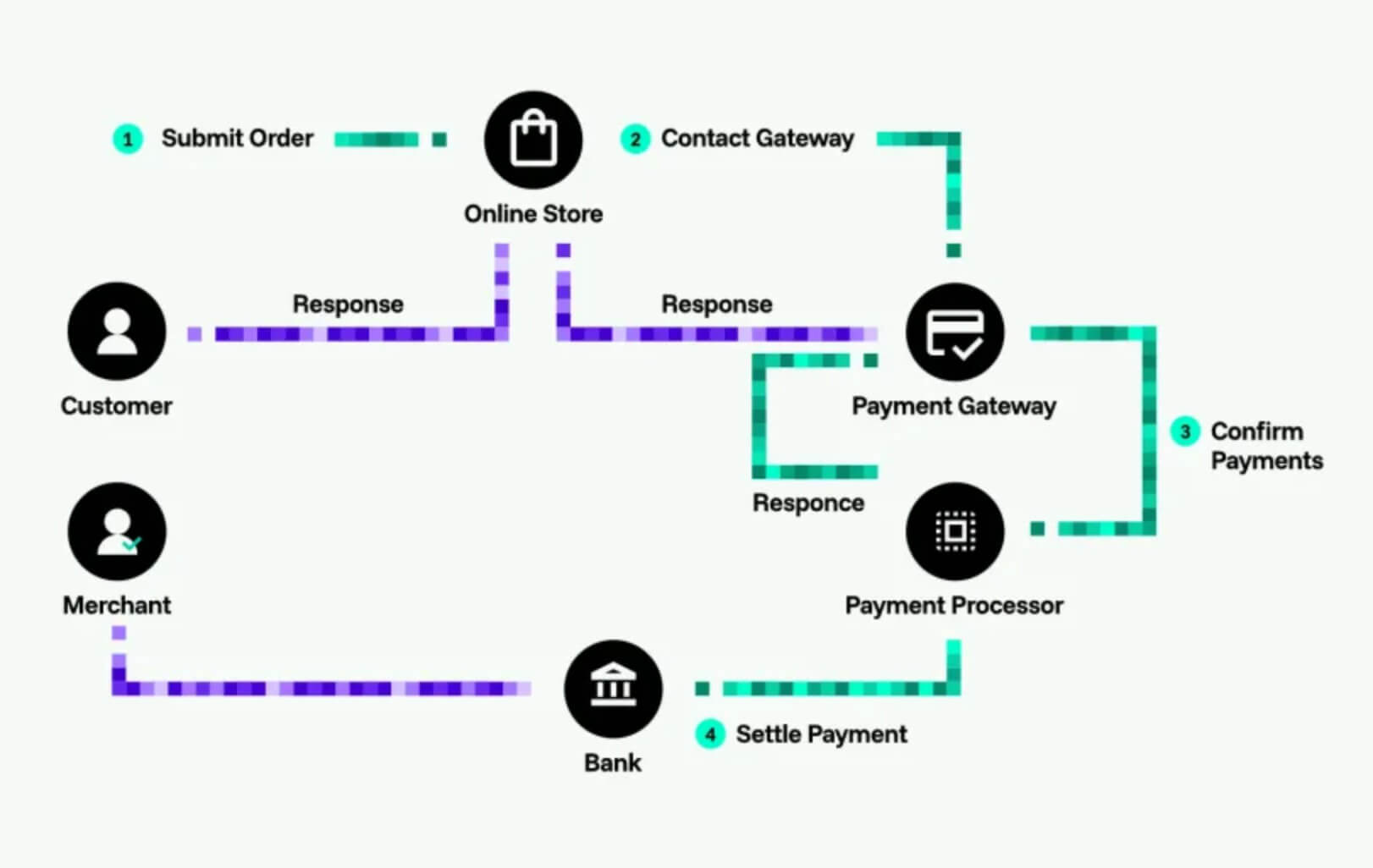
A payment gateway processes the transaction from invoice creation to blockchain confirmation and merchant settlement. It automates verification, monitors the blockchain in real time, and provides reconciliation tools for reporting. This workflow ensures fast, secure, and reliable crypto payments for both customers and businesses.
Architecture of a Crypto Payment Gateway
A strong gateway architecture includes several key components:
Frontend
Hosted checkout pages, UI widgets, plugins, and merchant onboarding flows.Backend
Handles transactions, API calls, payment states, and business logic.Blockchain Node Integrations
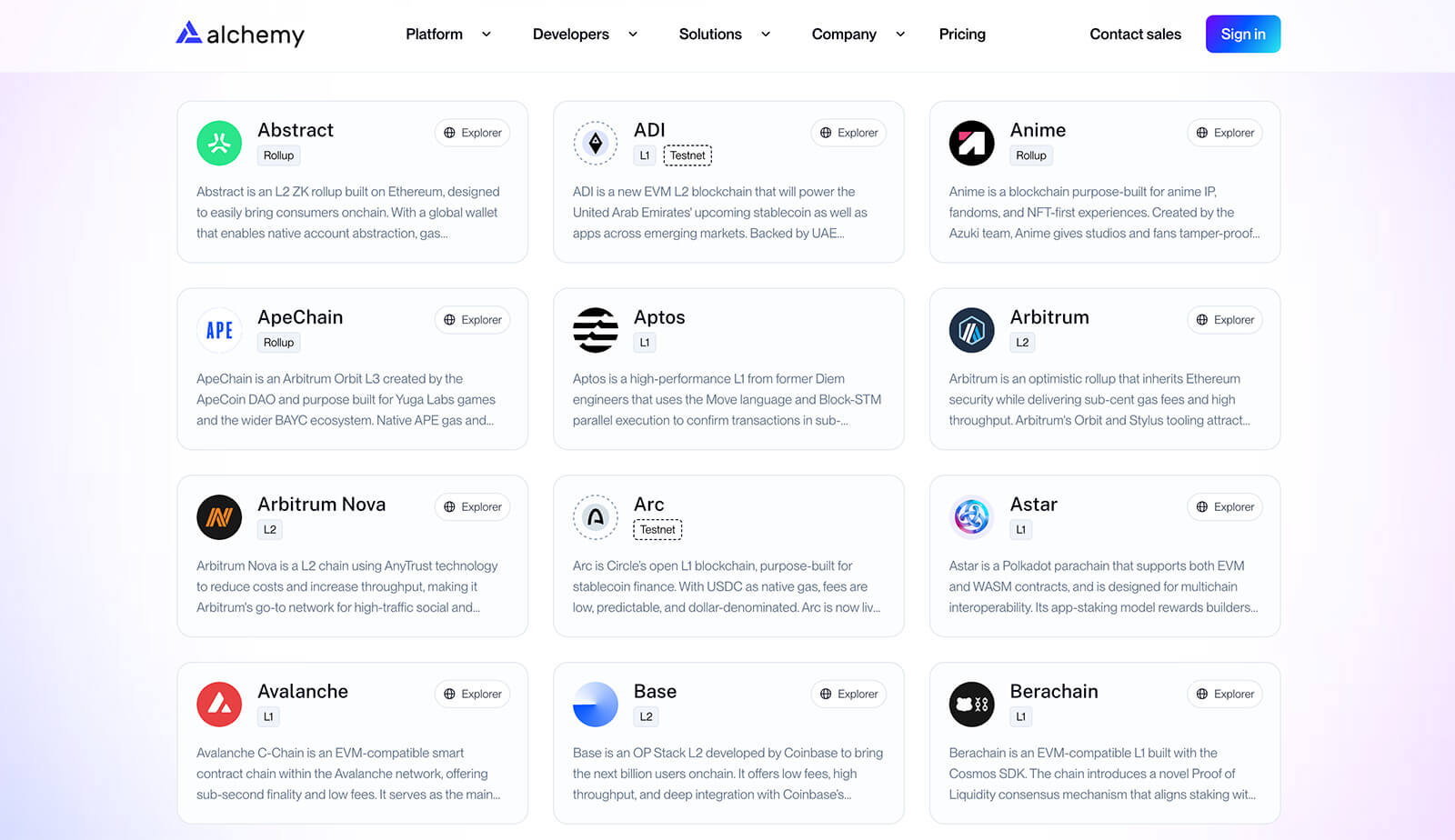
Connections to full nodes or providers such as:- Alchemy
- Infura
- QuickNode
Database Layer
Secure storage for transaction logs, merchant accounts, and audit trails.Security Modules
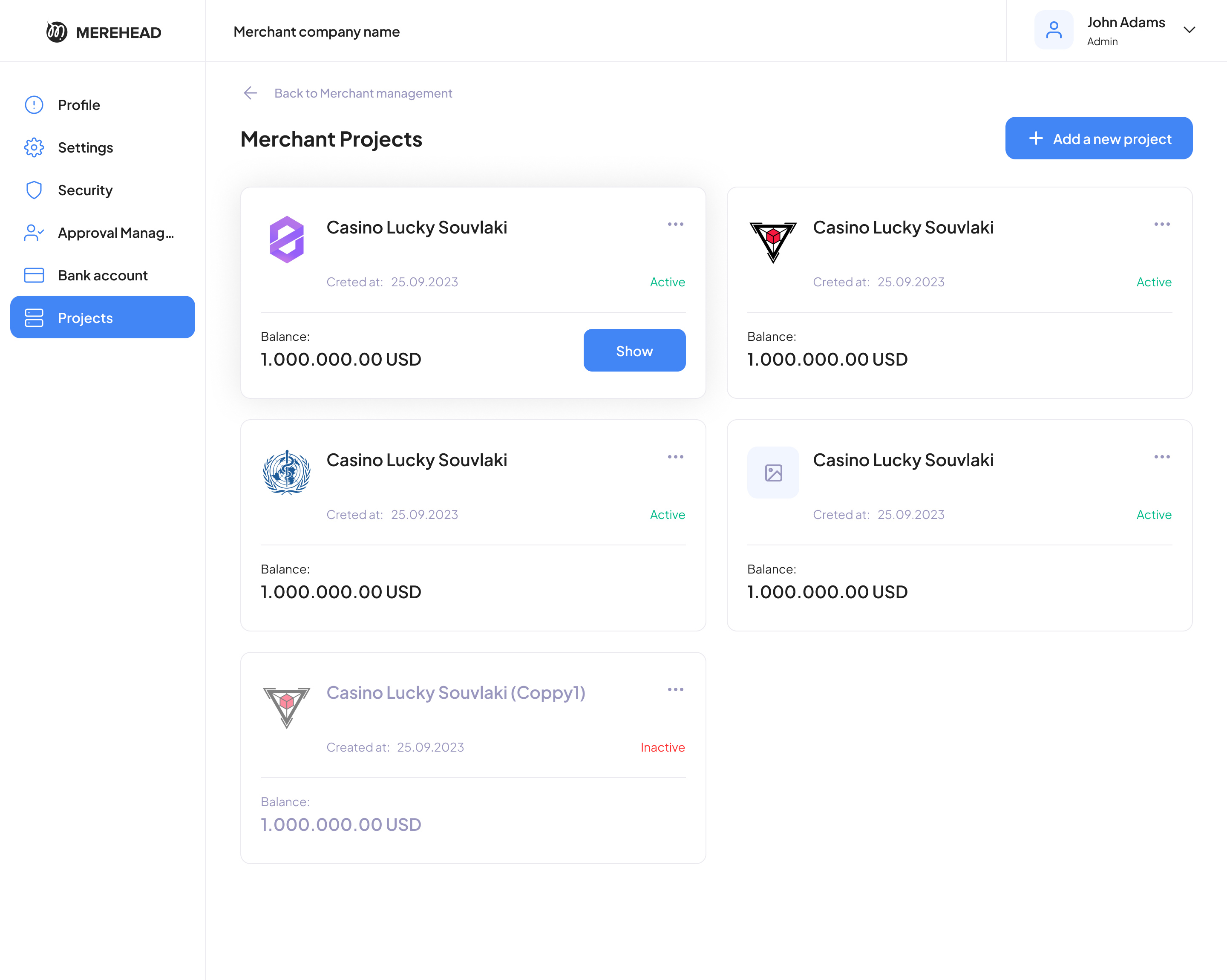
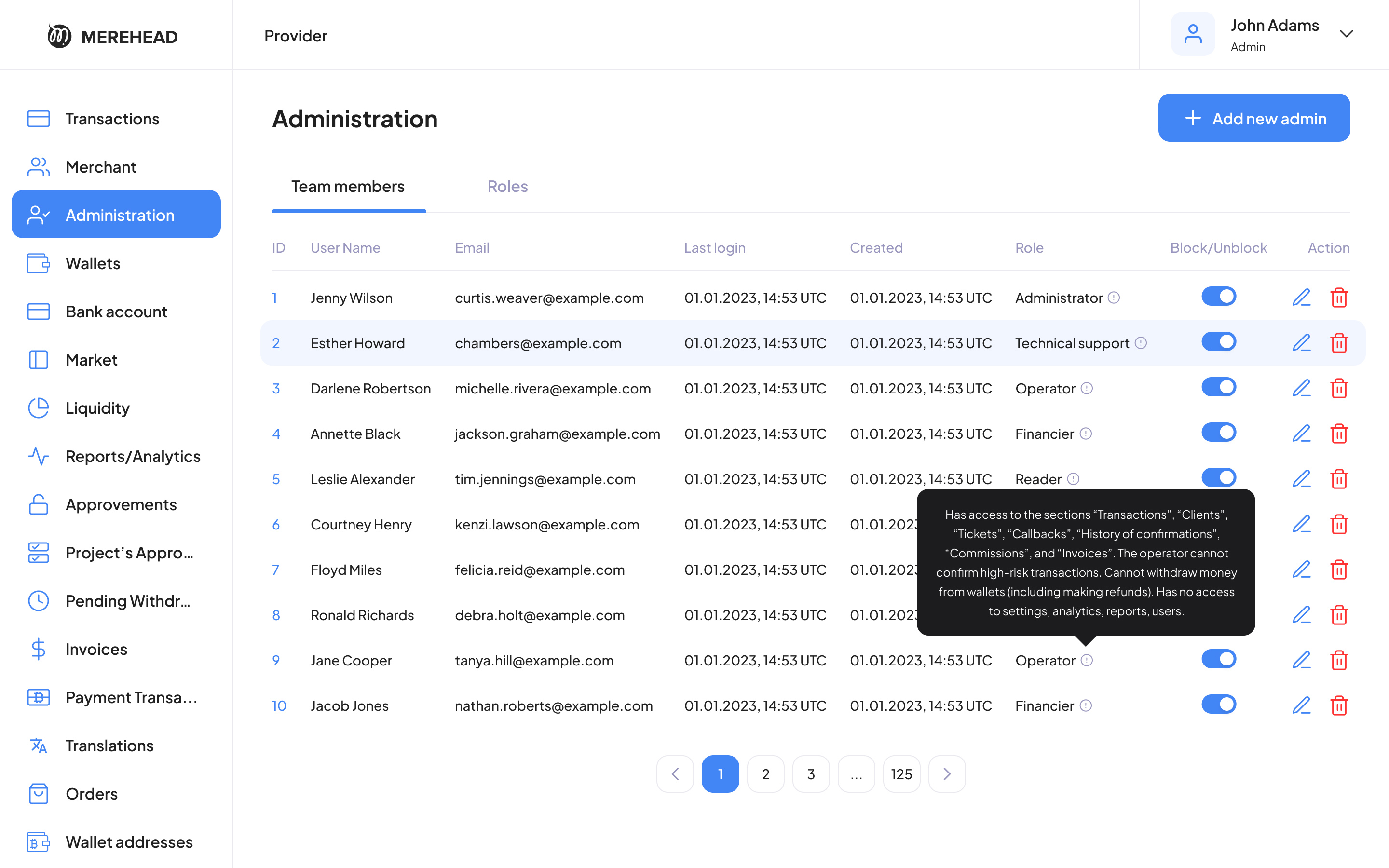
HSMs, multi-sig, encryption, and advanced fraud detection.Merchant & Admin Panel
Analytics, system controls, compliance tools, and customer support features.When these components work together, the gateway becomes secure, scalable, and ready for enterprise-level usage.
A well-designed architecture includes frontend checkout tools, backend services, blockchain node integrations, and secure data storage. These components must work together seamlessly to ensure fast transaction processing and strong protection against fraud. Scalable architecture is essential for enterprise-level performance.
Step-by-Step Development Process
Step 1 — Discovery & Requirements
Define supported assets, countries, compliance rules, transaction limits, and settlement preferences.Step 2 — Architecture Design
Map out data flow, backend services, blockchain integrations, and databases.Step 3 — UI/UX
Design clean interfaces for both checkout and merchant dashboards.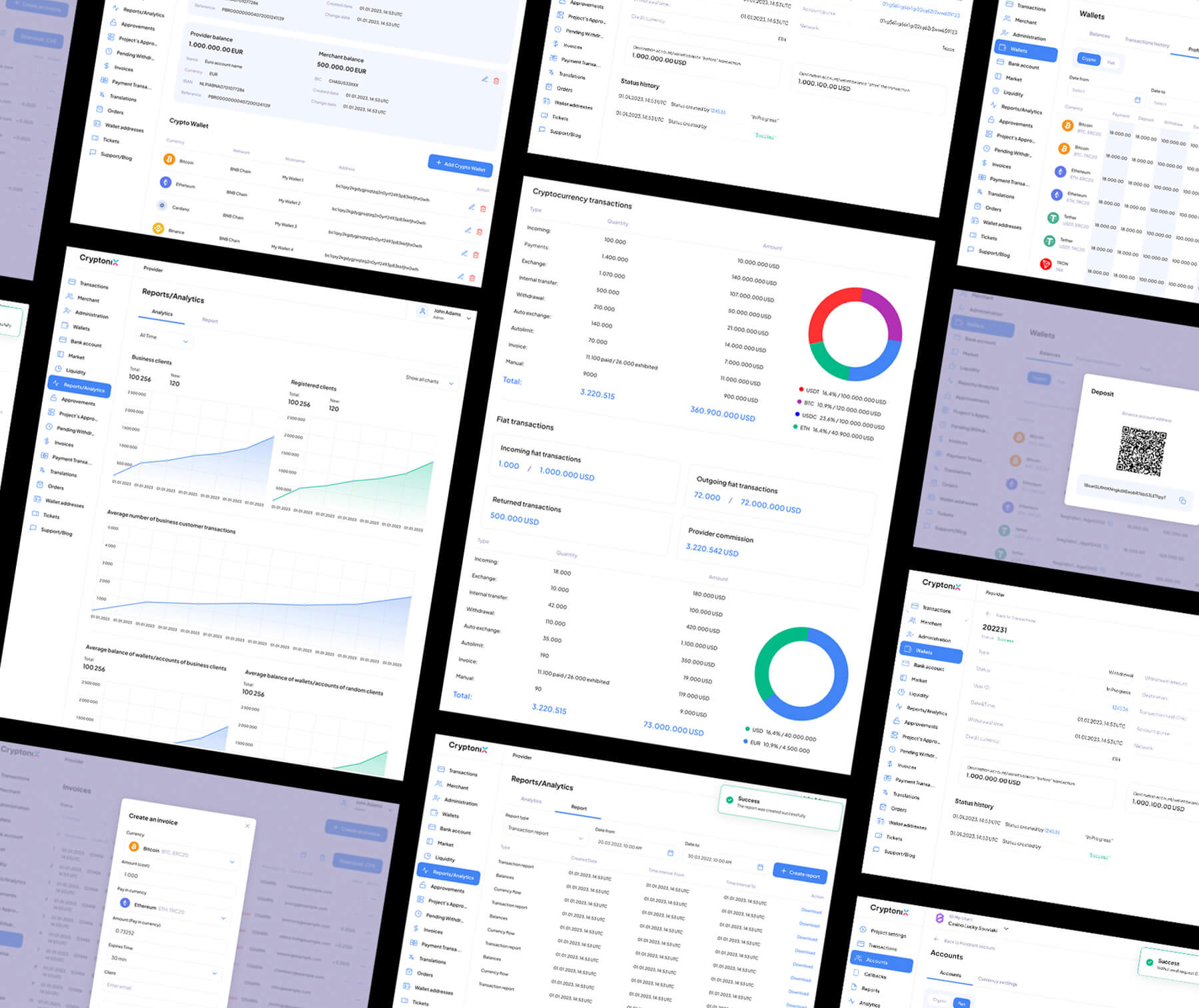
Step 4 — Backend Development
Includes wallet services, API creation, blockchain listeners, and settlement logic.Step 5 — Smart Contracts
Used for automated settlements, escrow logic, and subscription payments.Step 6 — Security
Code audits, penetration testing, encryption, multi-sig, and secure key storage.Step 7 — Merchant Integrations
Provide sandboxes, API docs, and support tools.Step 8 — QA & Load Testing
Stress tests, node failover scenarios, and scalability validation.Gateway development follows a structured path: discovery, architecture design, UI/UX, backend coding, smart contracts, integrations, and security testing. Each stage reduces risks and ensures the final product meets compliance, performance, and usability standards. A disciplined process is key to launching a stable and secure system.
Cost of Crypto Payment Gateway Development
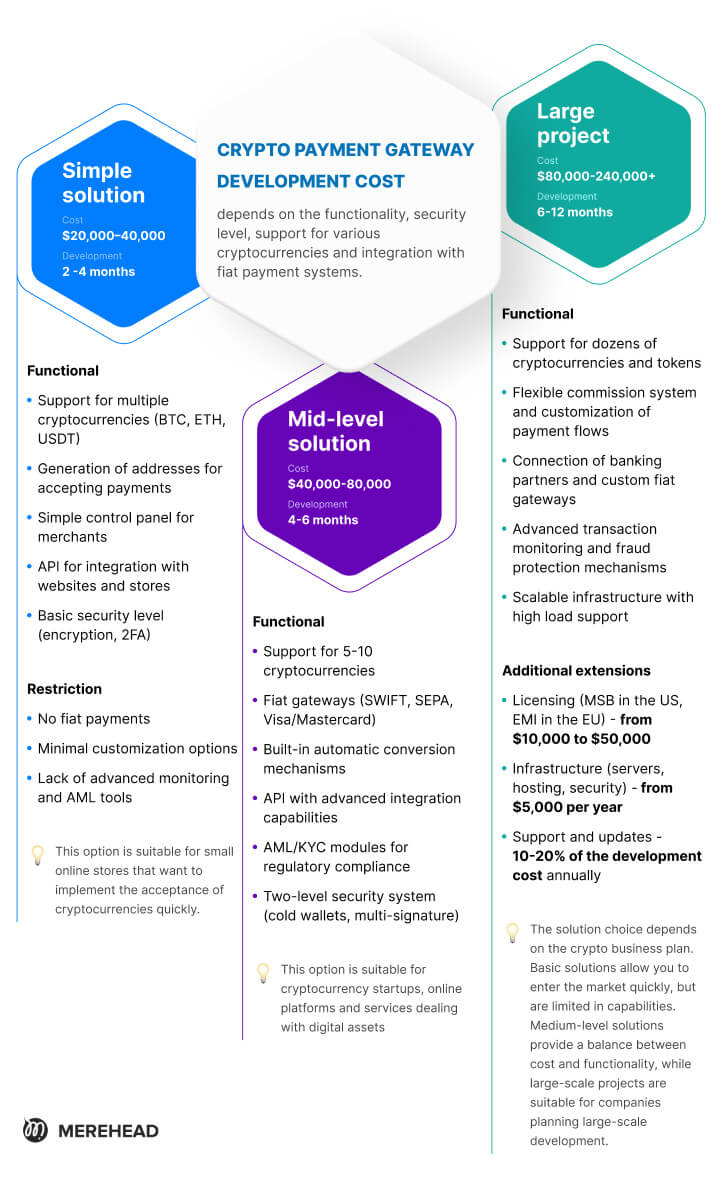
The final price depends on infrastructure complexity, number of supported blockchains, security level, and compliance.Infrastructure
$300–$3,000+ per month for nodes, depending on chains and providers.Design
Merchant dashboard + checkout + admin panel: 3–6 weeks.Development
800–1,500 hours for:- Multi-currency wallet system
- APIs & webhooks
- Compliance tools
- Smart contracts (optional)
Total core development cost: $25,000–$90,000+
Security Audits
$3,000–$25,000 depending on smart contract scope.Maintenance
$1,000–$3,000 monthly.Overall Cost Ranges
| Solution Type | Approx. Total Cost | Timeline |
|---|---|---|
| Basic Crypto Payment Gateway | $40,000 – $65,000 | 2-3 months |
| Mid-Level Multi-Currency Gateway | $65,000 – $120,000 | 3-4 months |
| Enterprise-Level Gateway (Full Compliance + Multi-Chain) | $120,000 – $250,000+ | 4-9 months |
The total cost depends on features, supported blockchains, infrastructure, and compliance complexity. Most projects fall between $40k and $250k+, depending on customization and scale. Investing in proper architecture and security early saves time and money long-term.
Compliance & Legal Requirements (U.S. Focus)
Gateway operators targeting the U.S. market must follow strict regulations.Licensing
Depending on your business model, you may need a Money Transmitter License (MTL) or other state-specific approvals.KYC/AML
U.S. guidelines require:- Identity verification
- FATF Travel Rule compliance
- FinCEN-aligned AML screening
OFAC Sanctions Screening
Mandatory for all U.S. businesses to avoid servicing restricted individuals.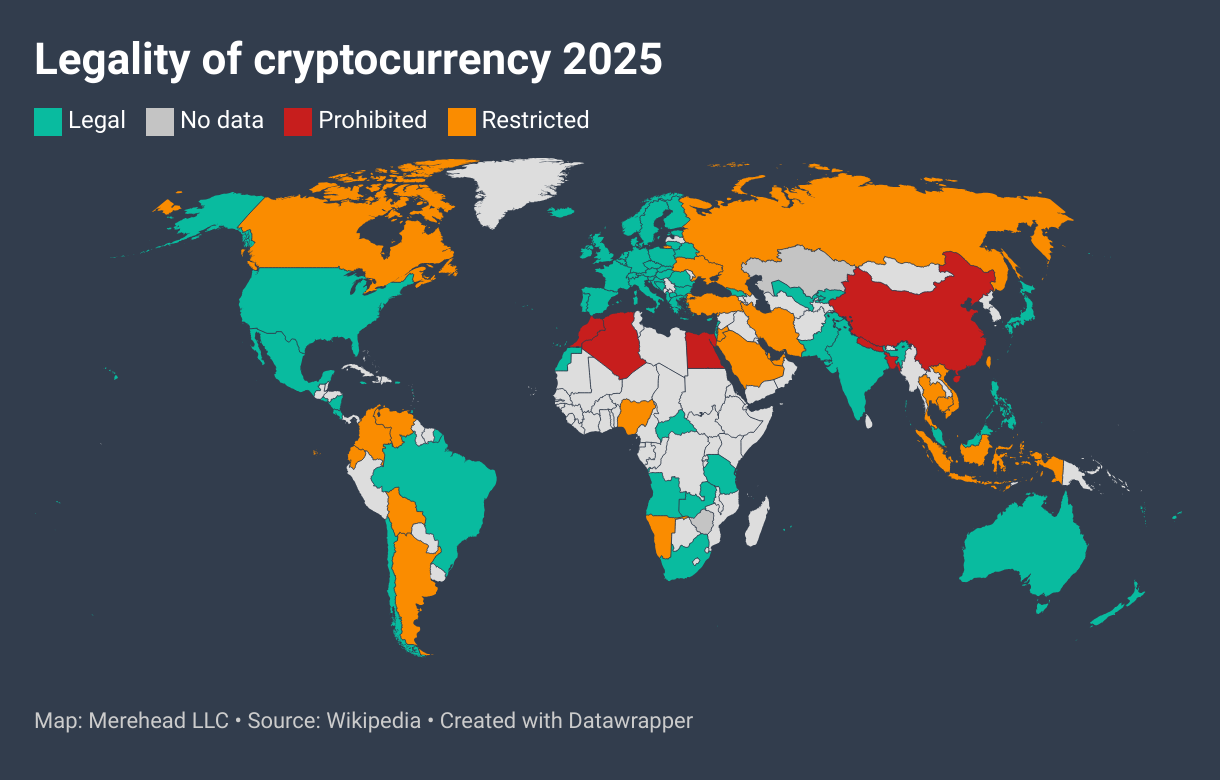
Tax Reporting
Since the IRS treats crypto as property, gateways must provide accurate transaction records for tax reporting.Compliance complexity is one of the biggest challenges—planning early is essential.
U.S. gateway operators must follow federal and state rules, including MTL licensing, MSB registration, KYC/AML standards, OFAC screening, and IRS reporting. These regulations protect consumers and ensure lawful operations across multiple jurisdictions. Compliance planning must start early to avoid delays and penalties.
Key Challenges in Crypto Payment Gateway Development
- Network volatility and gas fee spikes
- Settlement delays on certain blockchains
- Complex security requirements
- Irreversible transactions
- Multi-state U.S. licensing
- High expectations for uptime and stability
In our experience building exchanges and tokenized platforms, the most difficult issues always involve security architecture, node reliability, and compliance—not just coding.
Developing a gateway involves dealing with network volatility, security risks, multi-chain complexity, and strict U.S. regulations. The biggest challenges usually appear in wallet security, node reliability, and compliance workflows. Addressing these issues upfront leads to a more stable and trusted system.
Future Trends in Crypto Payments
- Stablecoin adoption is accelerating
- CBDCs may integrate directly with gateways
- Layer-2 networks reduce fees and speed up payments
- Cross-chain payments become mainstream
- Smart contract autopay enables automated recurring billing
These trends point to a future with cheaper, faster, and more flexible crypto payments.
The future of crypto payments is shaped by stablecoins, CBDCs, Layer-2 networks, and cross-chain technology. These innovations reduce fees, speed up transactions, and enable advanced features like automated billing. Businesses that adopt gateways early gain a long-term competitive advantage.
Real-World Examples & Case Studies (Merehead)
We’ve built several high-impact crypto platforms that demonstrate what’s possible: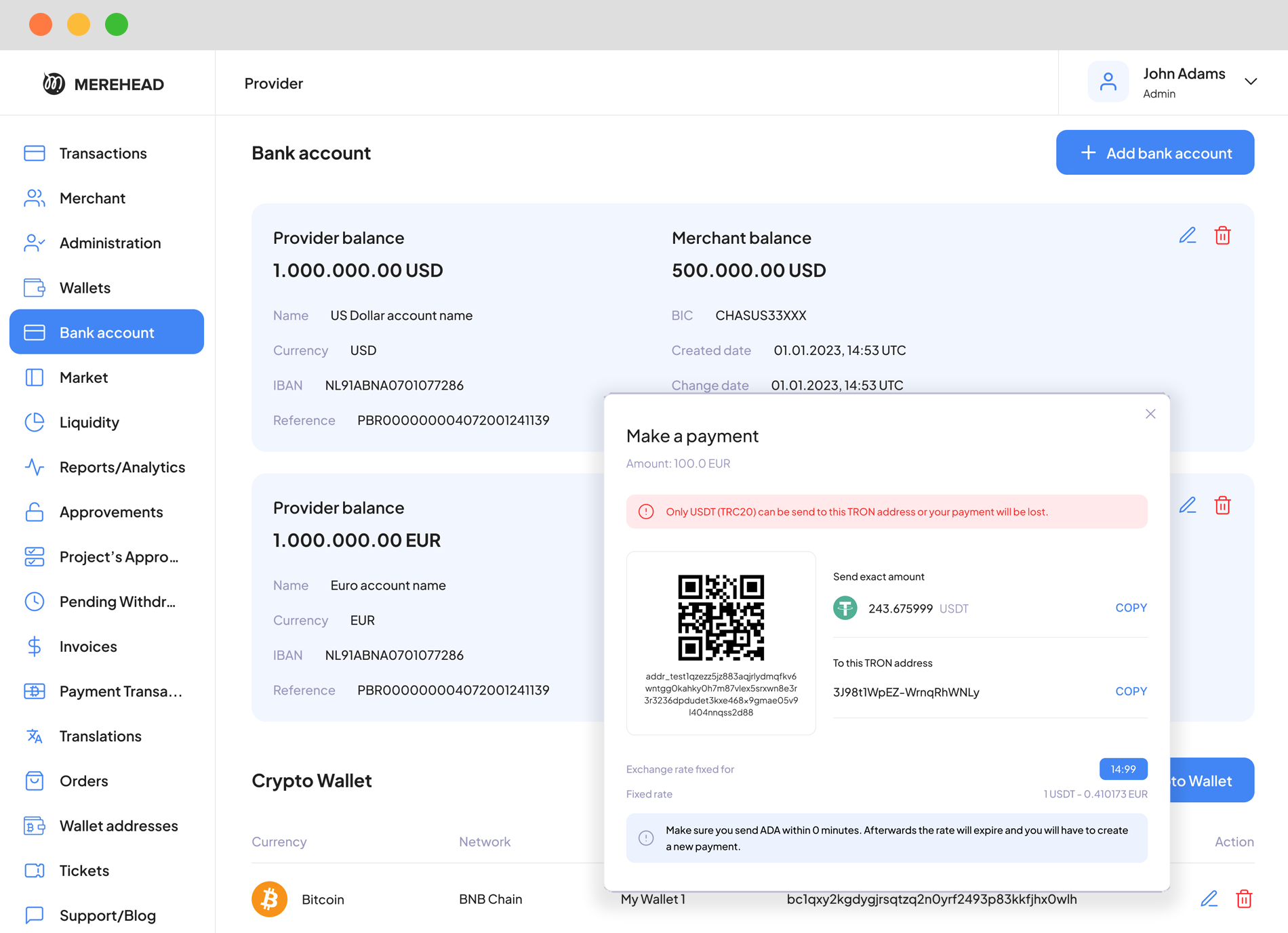
1. Centralized Crypto Exchange with Native Token
We delivered full architecture, wallet systems, smart contracts, and real-time trading tools—showing our ability to build secure, scalable, multi-asset platforms.2. NFT-Based Real Estate Tokenization Platform
We created a system for fractional real-estate ownership using blockchain and NFTs—requiring deep expertise in compliance, security, and multi-chain integration.Across all projects, we implemented multi-layer security, audits, and stable node infrastructure—key components for any payment gateway.
Our previous projects - from centralized exchanges to tokenization platforms—showcase real-world expertise in security, multi-chain integration, and financial architecture. These solutions demonstrate how a well-designed gateway can support both high-volume operations and complex compliance needs. Experience from these cases directly informs our payment gateway development approach.
Conclusion
In today’s fast-moving digital economy, a secure and fully compliant crypto payment gateway isn’t just a nice-to-have—it’s a strategic advantage.At Merehead, we bring years of experience developing blockchain financial platforms, building secure wallet systems, integrating multi-chain logic, and navigating complex compliance requirements. Our end-to-end development approach ensures stability, strong security, and seamless integration with your existing systems.
Ready to modernize your payment infrastructure?
Reach out to us for a free consultation or architecture review.
Let’s build a crypto payment gateway that drives growth, boosts security, and opens new revenue opportunities for your business.
A crypto payment gateway gives businesses faster payments, lower fees, and access to global customers. With the right architecture and compliance in place, companies can build secure, scalable systems that support long-term growth. Merehead provides the technical expertise to design and launch gateways that meet modern market demands.
FAQ
How to develop a crypto payment gateway?
The development of a crypto payment gateway includes stages such as architecture planning, smart contract integration, security configuration, API and user interface development, testing, and deployment. Most companies use white-label solutions or collaborate with specialized fintech developers. Developing a crypto payment gateway involves performing thorough market research and evaluating industry trends.
How much does it cost to develop a crypto payment gateway?
The cost depends on the complexity, functionality, and regulatory compliance requirements. A basic product can cost between $25,000 and $45,000. The cost to develop a cryptocurrency payment gateway can range from $30,000 to $300,000 or more, depending on the project's complexity.
Can I develop my own payment gateway?
You can develop your own payment gateway if you have experience in blockchain and cybersecurity or hire blockchain development company.
Are there any cryptocurrency payment gateways?
Yes, there are several reliable cryptocurrency payment gateways operating worldwide that support merchants from the US and Europe. These are BitPay, CoinGate, NOWPayments, and CoinPayments.